Winter Driveway Care in Derby: Frost, Salt, and Keeping Your Surface Alive
Winter is when Derby driveways earn their keep or quietly fall apart. The city sits in one of the harder freeze-thaw zones in England - roughly 40 - 50 frost nights a year, most of them between November and March, with around 700mm of annual rain front-loading the ground with water just before the cold arrives. That combination is the whole problem: water gets into a crack or joint, freezes, and expands by about 9%, levering the surface apart a fraction more with every cycle. A hairline crack in November is a finger-wide gap by March, and the repair bill scales the same way - £75 - £150 to patch a small pothole early, £60 - £100 per m² to re-lay failed block paving later. The good news is that winter driveway care is mostly cheap and mostly timing: sort drainage before the first frost, pick the right de-icer for your surface, and clear snow with the right tools. Here's the whole routine.
Why Derby Winters Are So Hard on Driveways
Freeze-thaw is a mechanical process, not just cold weather. Damage doesn't come from a long deep freeze - it comes from repeated crossings of 0°C, because each freeze expands trapped water and each thaw lets more water into the gap that just opened. The Met Office's guide to frost and ice explains the mechanics, and Derby's position in the East Midlands - inland, low-lying along the Derwent, away from any coastal warmth - means the city cycles through freeze and thaw far more often than a mild winter would suggest. Forty-plus of those cycles a season is normal here.
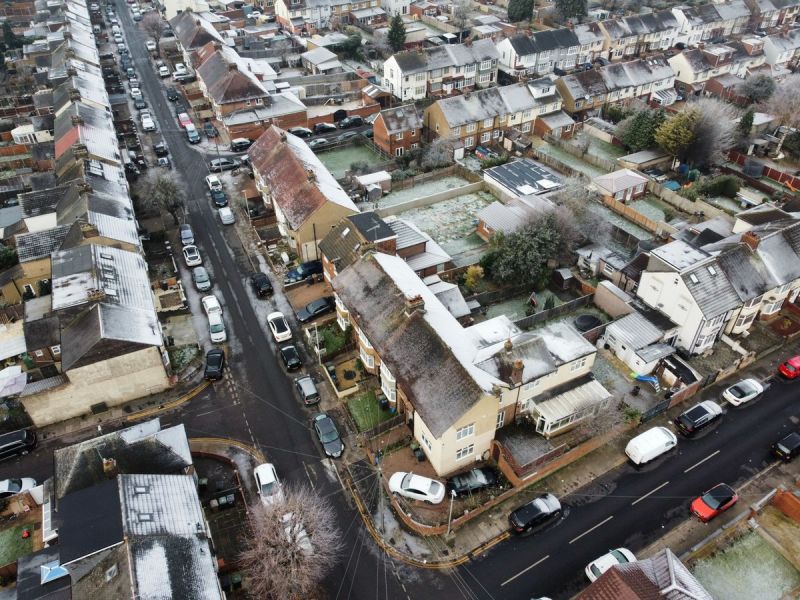
Derby's ground makes it worse. Much of the city sits on heavy clay that drains slowly and holds water against the underside of a driveway all winter, so the sub-base stays saturated exactly when freezing does the most damage. That's why two identical driveways can age so differently a few streets apart. If your surface is already showing cracks, ponding or lifting edges going into this winter, Tradesmart Driveways & Landscaping can look at it before the frost gets a grip - a £100 repair in November is routinely a £1,000 repair by April.
What Freeze-Thaw Damage Actually Costs by Spring
Numbers focus the mind, so here's how neglect prices up. A small tarmac crack sealed in autumn costs £75 - £150. Leave it through a Derby winter and water working under the surface breaks the bond with the sub-base, so by spring you're patching potholes at £100 - £250 each - and a patch never quite matches. Let it run another year and resurfacing costs £45 - £80 per m², which on a typical 40m² driveway is £1,800 - £3,200.
Block paving fails differently: frost heave in a wet sub-base lifts and sinks individual blocks, and re-laying a settled area runs £60 - £100 per m². Concrete spalls - the top layer flakes off in patches - and there's no tidy repair, only patching at £150 - £300 or replacement. Resin-bound surfaces handle freeze-thaw best because they're porous, so there's no trapped water to freeze, but they rely on the tarmac or concrete base beneath staying sound. The pattern across every surface is identical: winter doesn't create new problems, it takes every small existing fault and multiplies it by 40 - 50 freeze cycles.
Sort Drainage Before the First Frost - It's the Single Biggest Job
If you do one thing from this article, do this in October or November. Standing water is the fuel for every freeze-thaw problem, so a driveway that drains properly barely notices winter, while one with ponding gets carved up by it. Walk the driveway after heavy rain and look for puddles that are still there an hour later - each one is a future crack or sunken patch, because that water will freeze in place a few dozen times before March.

The autumn fixes are mostly small. Clear leaves and silt from channel drains and gully gratings - a blocked £0 grating causes the same ponding as a £600 drainage defect. Re-sand block paving joints so water sheds rather than sits. Check where downpipes discharge, because a gutter emptying across a driveway creates a dedicated ice sheet all winter. On clay ground, soakaways that worked fine in summer can back up in a wet December, and that's when bigger intervention - a new channel drain (£50 - £100 per metre fitted) or soakaway (£300 - £800) - pays for itself.
When Ponding Is a Sign of Something Bigger
Persistent standing water sometimes means the driveway's fall or sub-base has failed, not just a blocked drain - especially on Derby clay, where the ground itself moves 40 - 50mm between a wet winter and a dry summer. We've covered the full diagnosis in our guide to solving waterlogging and standing water on Derby driveways and gardens, which is worth reading before winter if your driveway ponds in the same spot every year. Fixing drainage in November costs a fraction of fixing drainage plus frost damage in April.
Rock Salt: Which Surfaces Can Take It and Which Can't
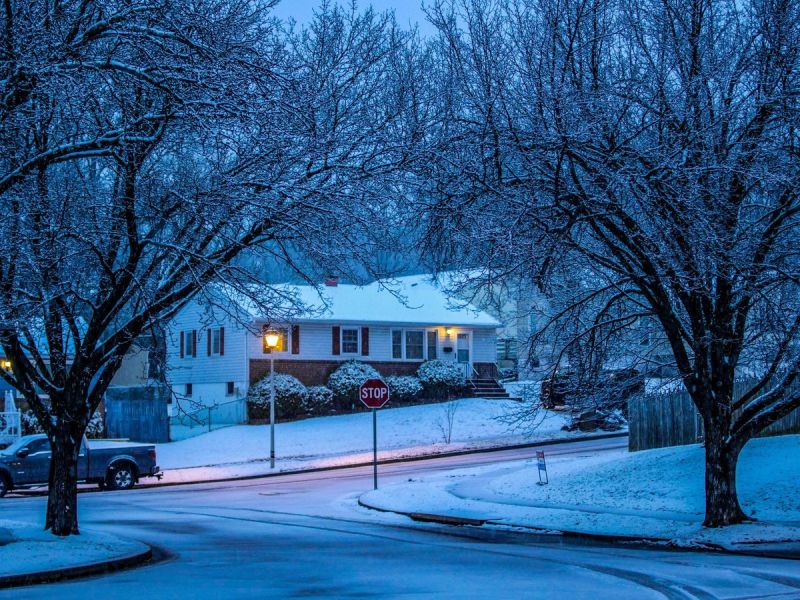
Rock salt is cheap (£8 - £12 for a 25kg bag, enough for 15 - 20 gritting runs on a normal driveway at 10 - 15g per m²) and it works - down to about minus 6 to minus 8°C, below which it stops melting anything. But brown rock salt is not harmless, and the right call depends entirely on what your driveway is made of.
Tarmac and Mature Concrete
Both tolerate rock salt well - it's what councils spread on the roads. The one hard exception: concrete laid within the last 12 months. Salt attacks the surface of young concrete and causes spalling, so a new concrete or imprinted concrete driveway should see no salt at all in its first winter - use sand or grit instead.
Block Paving
The blocks themselves cope, but salty meltwater washes out jointing sand and accelerates joint failure, and the residue leaves white staining that lingers for months. Use salt sparingly on block paving, brush the residue off after the thaw, and top up joint sand in spring.
Resin-Bound and Imprinted Concrete
Resin-bound surfaces aren't chemically damaged by salt, but the grit fraction in brown rock salt is abrasive and dulls the finish, so white de-icing salt is the better choice. Sealed imprinted concrete is the most salt-sensitive of all - salt shortens the sealer's life and lets moisture reach the colour surface, so either avoid salt entirely or accept the sealer needs redoing sooner (£2 - £4 per m²).
Kinder Alternatives When Salt Is the Wrong Tool
White de-icing salt costs a little more (£12 - £18 per 25kg) but is purer and grit-free, which makes it the default for resin, block paving and anywhere staining matters. Sharp sand or grit doesn't melt anything but gives instant traction and can't harm any surface - the right answer for new concrete and for the steep driveway aprons you find on Derby's hillier streets. Avoid the folk remedies: table salt is wasteful, and hot water refreezes into a sheet of ice within the hour on a sub-zero evening.
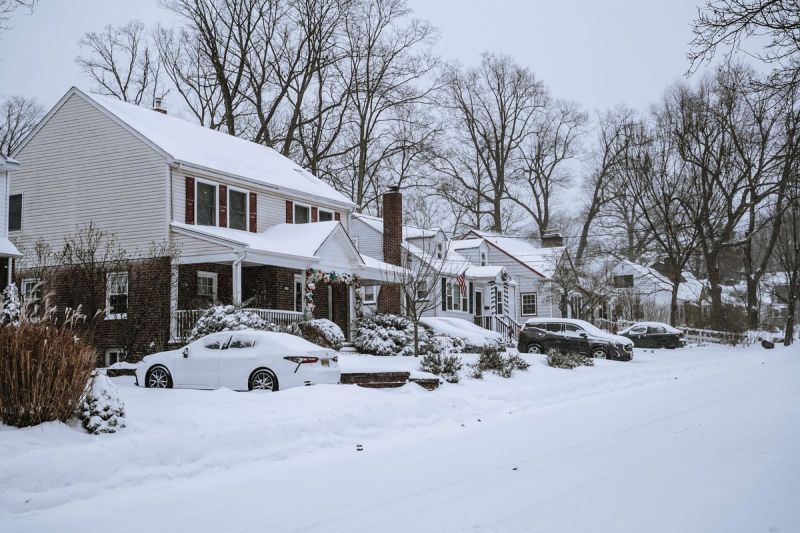
There's also a collateral-damage angle people forget until spring. Salty runoff kills the lawn edges and borders beside the driveway - the RHS guidance on frost damage and winter plant protection notes how much winter stress plants are already under, and salt-laden meltwater draining into a border finishes the job. Spread salt on the driveway surface only, at 10 - 15g per m² - a light scatter, not a snowfall of it - and keep it off planted edges. More salt does not melt ice faster; it just raises the bill and the staining.
Clearing Snow Without Wrecking the Surface
Derby doesn't get buried often - most winters bring a handful of lying-snow days - but how you clear those days matters more than how many there are. The rule is simple: plastic shovel, never metal. A metal edge scrapes the resin off a resin-bound surface, chips block paving arrises and gouges tarmac softened by salt, and one enthusiastic hour of scraping can do more visible damage than the whole winter. Clear early while snow is loose - compacted snow bonds to the surface and takes ice with it when you finally shift it.
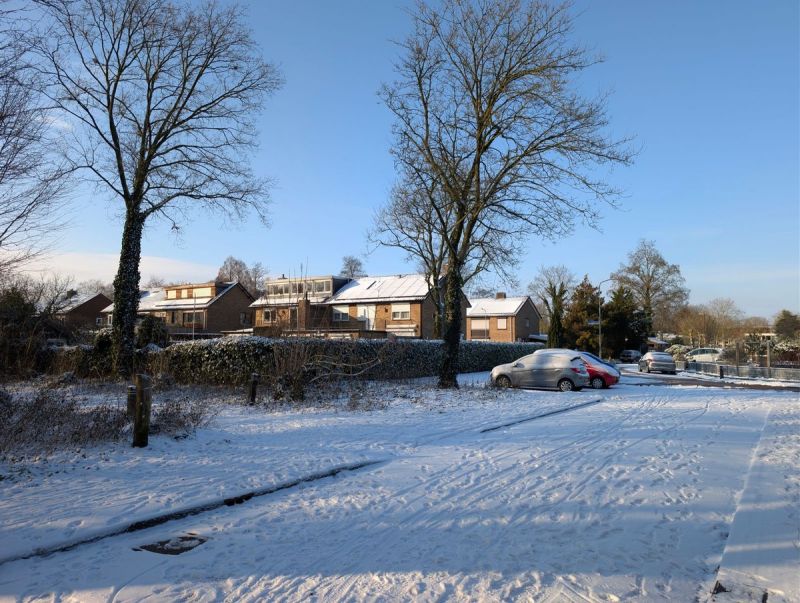
Timing beats effort. Clear in the morning, spread a light salting before an evening refreeze, and never pile cleared snow at the low end of the driveway where the meltwater will run back across and refreeze. For what it's worth, the government's snow code on clearing paths and driveways confirms the common-sense position: you're encouraged to clear snow, and doing it carefully doesn't create some special liability - so there's no reason to leave the driveway as an ice rink until noon.
A Winter Routine That Takes an Hour a Month
Pulling it together, winter driveway care in Derby is one autumn afternoon and then light discipline. October - November: clear drains and gullies, re-sand paving joints, fix any crack or sunken patch while repairs are still small (£75 - £150, versus £1,000+ for spring remediation), and lay in a bag of the right de-icer for your surface. December - February: salt lightly before hard frosts rather than heavily after them, clear snow early with a plastic shovel, and keep an eye on the same three or four weak spots after each freeze.
Then do the walk-round in March. Look for new cracks, blocks that rock underfoot, hollow-sounding patches of tarmac and anywhere the winter ponding sat - and get them repaired before the surface goes through another 40-cycle season. A driveway that gets this hour a month routinely lasts 20 - 25 years in Derby; the same surface ignored can need major work inside 10. Winter isn't really the enemy - it's just the season that invoices you for every job you skipped.
---
FAQ
Q: How does frost actually damage a driveway in Derby?
A: Through repeated freeze-thaw cycles rather than deep cold. Water gets into cracks, joints or a saturated sub-base, expands by about 9% when it freezes, and levers the surface apart a little more each cycle. Derby gets roughly 40 - 50 frost nights a year on slow-draining clay ground, so a hairline crack in November can be a pothole by March - which is why small autumn repairs (£75 - £150) beat spring remediation (£1,000+).
Q: Is rock salt safe to use on my driveway?
A: It depends on the surface. Tarmac and mature concrete tolerate it well, but concrete laid within the last 12 months should get no salt at all - it causes spalling. On block paving use it sparingly, as salty meltwater washes out joint sand and leaves white staining. On resin-bound and sealed imprinted concrete, use white de-icing salt or grit instead. Spread at 10 - 15g per m² - a light scatter - and keep it off lawns and borders.
Q: What should I do to my driveway before winter?
A: Three things in October or November: clear leaves and silt from channel drains and gullies, fix any ponding (standing water an hour after rain marks a future crack), and repair small cracks or sunken blocks while they're cheap. Check downpipes aren't discharging across the surface, top up block paving joint sand, and stock the right de-icer for your surface type.
Q: How should I clear snow without damaging the surface?
A: Use a plastic shovel, never metal - a metal edge scrapes resin finishes, chips block edges and gouges tarmac. Clear early while snow is loose rather than letting it compact and bond to the surface, salt lightly before an evening refreeze, and don't pile snow at the low end of the driveway where meltwater runs back and refreezes. The government's snow code encourages careful clearing.
---
Ready to work with Trade Smart Driveways & Landscaping?
Let's connect! We’re here to help.
Send us a message and we’ll be in touch.
Or give us a call today at 111-222-3333
Agency Contact Form
More Marketing Tips, Tricks & Tools