
Driveway Guarantees in Derby: What a Resin, Block Paving or Tarmac Warranty Actually Covers
Almost every driveway quote in Derby mentions a guarantee, but very few homeowners read what it says until something goes wrong. A resin bound drive typically comes with 10 to 25 years of cover, block paving and tarmac usually 5 to 10. Those numbers look reassuring on a quote. What matters more is the small print underneath them. Most driveway guarantees cover workmanship and sinking, not stains, cracking from tree roots, or damage from a skip lorry. Derby makes the difference sharper than in most places. The city sits on Mercia Mudstone clay that swells and shrinks by season, and it gets around 45 to 55 air frosts in a typical winter, so a drive here gets tested harder in its first five years than one on sandy ground in the south. This guide explains what a driveway guarantee in Derby actually covers, what voids one, and how to make a claim that sticks.
What a Driveway Guarantee in Derby Is Supposed to Do
A driveway guarantee is the installer's written promise to put right defects in their work for a set number of years. It usually covers sinking or dipping caused by a poor sub-base, loose or lifting blocks, resin coming away from its base, and failed edging. On most Derby jobs, around 80% of genuine claims come down to the groundwork rather than the surface itself. That's why the guarantee is really a promise about what you can't see once the job is finished.
It won't pay out for everything that happens to a drive. Weather, misuse, other trades digging through it and normal wear are almost always left out. If you want to talk through what a guarantee should look like on your own drive before you get quotes, Tradesmart Driveways & Landscaping can go through it with you on a free survey.
Why the ground in Derby matters
Derby gets roughly 650 to 700mm of rain a year, well below the UK average of about 1,150mm. Dry, then. The clay is the problem. Wet winters make it swell, and dry summers like 2022 and 2025 shrink it again, so a sub-base that's 100mm too thin moves a little every year. Most guarantee claims we see in Derby show up between the second and fourth winter.
Typical Guarantee Lengths by Driveway Surface
These are the ranges you'll usually see on Derby quotes in 2026. Anything well outside them is worth asking about.
- Resin bound: 10 to 25 years, with most reputable firms offering 10 to 15 on the installation.
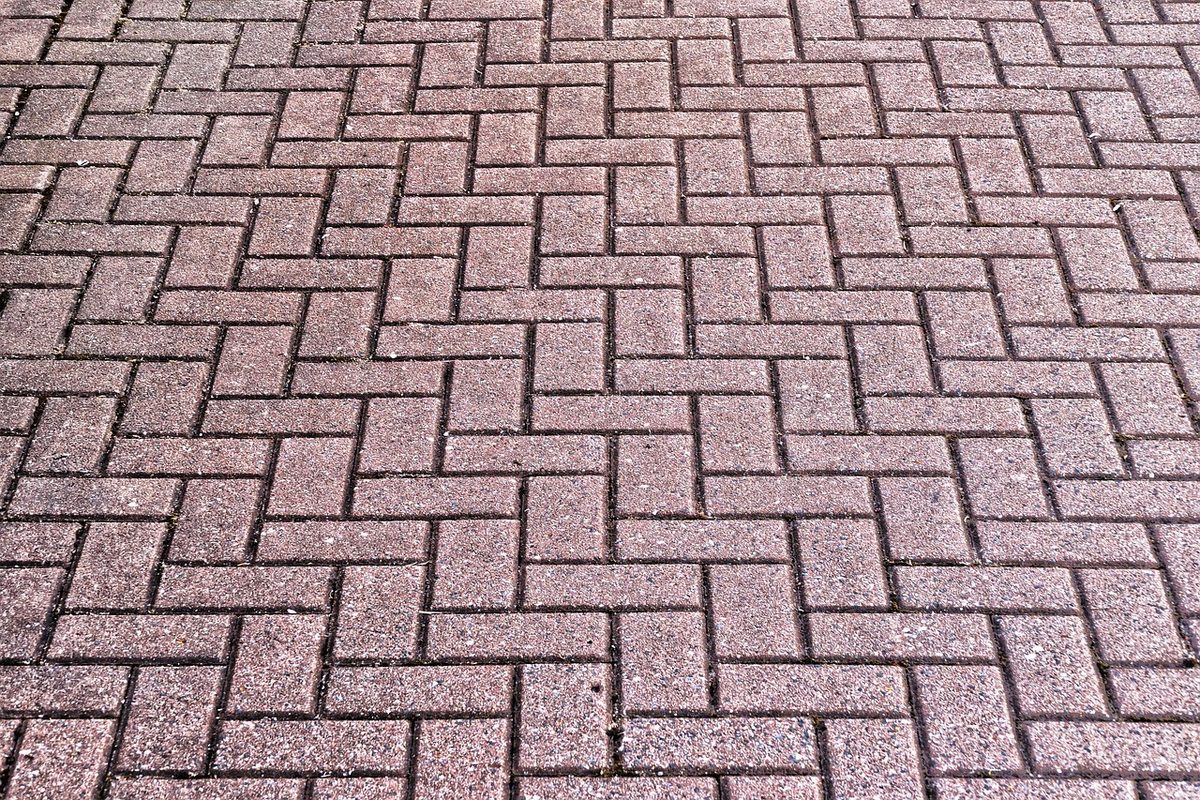
- Block paving: 5 to 10 years on workmanship. The blocks themselves may carry a separate manufacturer guarantee against defects.
- Tarmac: 5 to 10 years, often split as 10 years on the base and 2 to 5 on the surface.
A long number on its own means nothing. A 25-year resin guarantee from a firm that started trading 18 months ago is worth less than a 10-year one from a company with 20 years behind it. Construction has more company insolvencies than any other sector in England and Wales, year after year. Check how long the installer has been trading before you weigh up how long the guarantee lasts.
Workmanship guarantees vs manufacturer warranties
On resin drives there are usually two separate promises. The installer guarantees the installation: the base, the depth, the mixing and the laying. The resin maker warrants the binder itself, often 10 to 15 years for a UV-stable aliphatic resin, against yellowing or breaking down in sunlight. Cheaper aromatic resins can discolour within 2 to 3 summers and often carry little or no UV warranty at all. Ask which resin is being used and get the manufacturer's warranty in your name. Block paving works the same way: the block maker covers faulty blocks, the installer covers everything else.
What Driveway Guarantees Usually Exclude
Every guarantee has a list of exclusions. These are the ones that turn up on almost every Derby driveway guarantee we've read:
- Oil, diesel, fuel and chemical spills. Resin and tarmac are both softened by petrol and diesel, and stains on block paving are treated as cosmetic.
- Skips, delivery lorries and heavy vehicles. Most domestic drives are designed for cars and vans up to about 3.5 tonnes. A loaded skip lorry can weigh 18 tonnes or more.
- Tree roots. Roots from a nearby tree can lift any surface, and almost no installer will guarantee against them.
- Frost damage where the base wasn't to spec. This one cuts both ways. If the installer laid a proper sub-base, frost damage should be covered as a defect. If you asked for a resin overlay on an old drive against their advice, frost damage to that base is usually excluded.
- Natural settlement. Many guarantees allow a small dip, typically up to 10mm under a 2m straight edge, before it counts as a defect.
- Weeds, moss and efflorescence, the white bloom on new block paving that usually clears within 6 to 12 months.
The "natural settlement" clause
This clause causes more arguments than any other. Some settlement in year one is normal, especially over new drainage runs, but without a figure in writing the installer decides what counts. Ask for a measurable tolerance, such as 10mm over 2m.
What Can Void a Driveway Guarantee
Exclusions are things the guarantee never covered. Voiding is worse. It's something you do that cancels the guarantee, either for the whole drive or the part you damaged.
The most common one is jet washing. A high-pressure washer held close to block paving blasts out the jointing sand, and on resin it can pull out stones and break the resin bond at the edges. Most installers say low pressure only, or a stiff brush and water. Rock salt is the second. Ordinary rock salt can stain and weaken some resin systems and eat into concrete edging, so many resin guarantees specify a resin-safe de-icer instead. With Derby's 45-plus frost days a year, that's a real concern each winter.
Other things that tend to void a guarantee:
- Letting another trade dig through the drive, for a new gas pipe, EV cable or water main, without the installer reinstating it.
- Not reporting a defect within the time stated, often 14 or 28 days of noticing it.
Insurance-Backed Guarantees: Cover If the Installer Stops Trading
A standard guarantee is only as good as the business behind it. If the firm closes, the guarantee usually goes with it. An insurance-backed guarantee (IBG) fixes that. The installer pays a premium, usually £50 to £200 on a typical drive, and an insurer takes over the guarantee if the business stops trading.
IBGs usually cap at 10 years and at the contract value, and they only cover what the installer's own guarantee would have. Some trade schemes require them for members, and a TrustMark registered business has to meet government-endorsed standards and give you access to a complaints process if things go wrong.
Your Legal Rights Sit Underneath Any Guarantee
A guarantee adds to your rights. It can't take any of them away. Under the Consumer Rights Act 2015, every trader has to carry out a service with reasonable care and skill, as set out in section 49 of the Consumer Rights Act. If a drive sinks in year three because the sub-base was 50mm deep instead of 150mm, that's a failure of reasonable care and skill whether or not the guarantee still applies.
You generally have up to 6 years in England to bring a claim for breach of contract. That means a 5-year tarmac guarantee doesn't leave you with nothing in year six if the defect goes back to poor workmanship. Which?'s guide to the Consumer Rights Act explains repeat performance and price reductions in plain language, and it's worth a read before you send any complaint.
Still, the guarantee is the quicker route. A clear written one usually gets a defect fixed within weeks, where a legal claim can drag on for months.
Getting Your Driveway Guarantee in Writing and Making a Claim
A verbal "it's guaranteed for 10 years" is close to worthless. You want a written document, ideally attached to the quote before you sign, that states:

- The length of cover, and when it starts (completion date or final payment date).
- Exactly what's covered, such as sub-base, surface, edging, drainage and jointing.
- The exclusions and the care instructions, written out in full.
- The settlement tolerance in millimetres.
- How to report a defect, who to contact and how quickly they'll respond.
- Whether it transfers to a new owner if you sell.
- Whether it's insurance-backed, and the name of the insurer.
Keep it with your quote, invoice and a few dated photos of the finished drive.
Check the quote matches the guarantee
If the quote says 150mm of compacted MOT Type 1 and 18mm of resin, the guarantee is only as solid as that spec. We've covered how to read a driveway quote line by line in our guide to comparing driveway quotes in Derby and the red flags to walk away from, including vague guarantee wording.
How to make a claim
Report the problem in writing within the time limit, usually 14 to 28 days, with dated photos and a tape measure in shot. A reputable installer should inspect within 2 to 4 weeks and give you a written answer. If they say the problem is excluded, ask them to point to the exact clause. If they won't engage, a letter citing the Consumer Rights Act often gets things moving. After that, the next steps are the trade scheme's dispute process, a small claim through the county court (up to £10,000, and you can start it online), or the insurer if the guarantee was insurance-backed and the firm has closed.
Repairs in Derby are best done between April and October, since resin needs dry weather above about 5°C to cure. Local installers are busiest from May to August with 4 to 8 week lead times, so report anything in early spring.
Driveway Guarantees in Derby: Common Questions
How long should a driveway guarantee be in Derby?
For resin bound, expect 10 to 15 years on the installation and up to 25 from some firms, plus a separate manufacturer warranty on the resin. Block paving and tarmac usually come with 5 to 10 years. Length matters less than what's covered and whether the business will still be there.
Does a driveway guarantee cover oil stains or damage from a skip?
Almost never. Oil, fuel and chemical spills, and damage from skips or vehicles heavier than about 3.5 tonnes, are standard exclusions on resin, block paving and tarmac guarantees.
Can jet washing void my driveway guarantee?
Yes. High-pressure washing can strip jointing sand from block paving and loosen stones in resin, and many guarantees exclude damage caused by it. Use a low-pressure setting or a stiff brush, and follow the care sheet your installer gives you.
What happens to my guarantee if the installer goes out of business?
A standard guarantee usually ends when the business closes. An insurance-backed guarantee transfers the cover to an insurer for the remaining term. Your rights under the Consumer Rights Act 2015 don't depend on either.
Ready to work with Trade Smart Driveways & Landscaping?
Let's connect! We’re here to help.
Send us a message and we’ll be in touch.
Or give us a call today at 111-222-3333
Agency Contact Form
More Marketing Tips, Tricks & Tools
Resin Over an Existing Driveway in Derby: When Overlaying Concrete or Tarmac Works and When It Fails