Driveway Gates in Derby: Costs, Types, and What to Consider
A set of driveway gates does two jobs at once: it makes a house look finished, and it puts a physical barrier between your car and anyone who fancies it. In Derby that second job matters more than it used to - vehicle crime across the East Midlands runs to tens of thousands of offences a year, and keyless relay theft means a car on an open driveway can be gone in under 60 seconds. The good news is that gates are one of the more affordable driveway upgrades. A pair of timber gates supplied and fitted typically costs £500 - £1,500, metal runs £800 - £2,500, and full automation adds £1,500 - £3,000 on top. Compare that with the £2,000 - £6,000 a new driveway costs and gates start to look like cheap insurance. But material, ground conditions and one planning rule about gates over 1m tall all change the picture, so here's what to weigh up before you buy.
Why Driveway Gates Make Sense in Derby
Start with the security case, because it's the strongest one. Insurers consistently treat a gated driveway as lower-risk than an open one, and some will knock 5 - 10% off a premium for it. That's not generosity - it reflects how thieves actually behave. Most opportunist vehicle crime takes under two minutes, and a locked gate adds noise, time and visibility that most offenders won't accept. On streets around Derby where cars sit on open frontages a few feet from the pavement, a gate is the single most visible deterrent you can add.
There's a comfort case too. Plenty of Derby's 1930s semis in Chaddesden, Mickleover and Allestree have decent driveways that open straight onto busy through-roads, and a gate keeps children and dogs off the tarmac while doubling as a proper boundary. Kerb appeal counts as well - a smart gate and matching fence panels can lift a frontage more than almost any other spend under £2,000. If you're weighing up whether gates suit your frontage, Tradesmart Driveways & Landscaping fits gates alongside driveways across Derby and can tell you honestly whether your opening, slope and ground make it a sensible job.
What Driveway Gates Cost in Derby
The honest range is wide - £500 for a basic pair of softwood gates fitted, up past £5,000 for automated hardwood or bespoke steel - because three things drive the price: material, size and automation. For a standard 3 - 3.6m double-gate opening, supplied and fitted, expect roughly: softwood timber £500 - £1,000, hardwood timber £900 - £1,800, steel or wrought-iron style £800 - £2,500, aluminium £1,200 - £2,800, and composite £1,500 - £3,000.
On top of the gates themselves, budget for the bits quotes love to gloss over. New posts - timber, steel or brick piers - run £150 - £600 fitted depending on material, and concreting them properly into Derby's clay is not a corner to cut. Hinges, drop bolts and a decent lock add £50 - £150. If the opening needs widening or the existing wall needs rebuilding, that's £300 - £1,000 more. A realistic all-in figure for a good manual timber or metal pair in Derby is £900 - £2,000, with automation on top if you want it. Get the spec in writing - gate size, post type, foundation depth - because that's where cheap quotes hide their savings.
Timber, Metal or Composite: Picking a Material That Survives Derby Weather
Derby gets around 700mm of rain a year and 40 - 55 frost nights, so a gate here spends five months of the year wet, frozen or both. That's the lens to choose material through - not just looks.
Timber Gates
Timber is the most popular choice and the cheapest to buy, but it's also the neediest. Softwood needs re-treating every 1 - 2 years or it swells, sticks and rots from the bottom rail up; expect a 10 - 15 year life with care. Hardwoods like oak or iroko last 20 - 30 years and shrug off Derby winters far better, which is why they cost roughly double. A swollen timber gate that jams against its post every wet January is the most common gate complaint there is - good framing and a 10 - 15mm clearance gap prevent most of it.
Metal Gates
Steel and wrought-iron style gates run £800 - £2,500 and suit Derby's Victorian terraces and period frontages particularly well. Galvanised and powder-coated steel resists rust for 15 - 25 years, but chips in the coating will bloom rust within a couple of winters, so touch-ups matter. Aluminium costs more upfront (£1,200 - £2,800) but can't rust at all and weighs half as much - which also makes it the best base for automation, since lighter gates need smaller, cheaper motors.
Composite Gates
Composite - a timber-look board on an aluminium or steel frame - is the low-maintenance option at £1,500 - £3,000. No painting, no rot, no swelling, and most carry 10 - 25 year warranties. The trade-off is purely upfront cost and a look that's convincing from the pavement but not from a foot away. For a busy household that will never sand and re-oil a gate, composite is usually the honest choice.
Manual or Automated: What Electric Gates Really Add
Automation turns a gate from a boundary into a convenience, and in a Derby winter - opening a gate in horizontal sleet at 7am - it earns its keep. Cost-wise, add £1,500 - £3,000 to any gate price for a properly installed system: motors on each leaf or an underground kit, a control board, safety edges or photocells, and a groundworks run for the power supply. Sliding gate systems sit at the top of that range but suit short driveways where swing gates would eat parking space - worth knowing on tighter Derby frontages where every metre counts.
Two things to insist on. First, safety: an automated gate is legally a machine, and the Health and Safety Executive's guidance on powered gate safety is clear that force limits and obstacle detection aren't optional extras - badly installed gates have caused serious injuries, and a competent installer will fit photocells and safety edges as standard, not as an upsell. Second, running costs are a non-issue - a domestic gate motor uses only a few pounds of electricity a year - but servicing isn't: budget £100 - £200 annually to keep motors and safety devices checked, the same logic as a boiler service.
Planning Rules: The 1m Height Limit Next to the Road
Most driveway gates in Derby need no permission at all, but there's one rule that catches people out. Under permitted development you can put up a gate, fence or wall up to 2m tall anywhere on your property - except next to a highway, where the limit drops to 1m. The Planning Portal's guidance on fences, gates and garden walls sets it out plainly: a gate over 1m tall adjacent to a road used by vehicles needs planning permission. Since driveway gates almost always sit right on the highway boundary, a typical 1.8m security gate technically needs an application - a detail plenty of installers stay quiet about. A householder application costs £258 and takes around 8 weeks, and listed buildings and conservation areas bring extra restrictions on top.
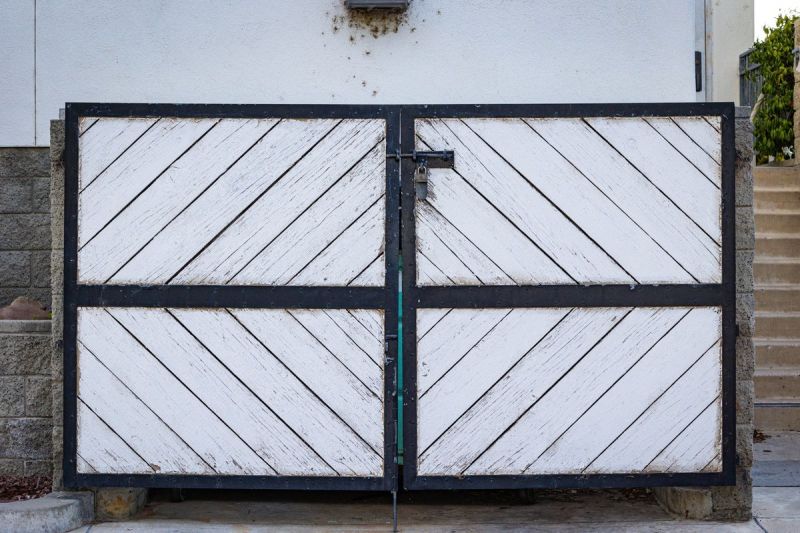
There's a second rule that costs nothing to follow: gates must not open outwards over the pavement or road. Anything that swings across the public highway is an obstruction, so gates need to open inwards onto your own driveway - which means your parked car can't sit hard against them. On short frontages that's the detail that decides between swing gates and a slider.
Gates and Newly Converted Driveways
If you're adding gates as part of a bigger frontage project, sequence matters - posts and piers should go in when the groundwork is open, not be retrofitted through a finished surface. We covered the full conversion process, including the dropped kerb and drainage rules, in our guide to turning a Derby front garden into a driveway, and gates slot naturally into the end of that job for £200 - £400 less than doing them separately later.
Posts, Clay and Frost: The Groundwork That Decides Everything
A gate is only as good as what it hangs on, and Derby's ground is genuinely awkward for posts. Much of the city sits on heavy clay that swells when soaked and shrinks when baked - seasonal movement of 40 - 50mm is realistic - and a post concreted 300mm into that will lean within two winters. The fix is depth: posts for a domestic gate want 600 - 750mm in the ground, in a concrete pad sized to the gate's weight, and brick piers for heavier gates need a proper foundation below the clay's movement zone. A pair of driveway gates can weigh 40 - 100kg; hardwood or steel automation gates more still. That load, levered on a metre-plus of post, is exactly why cheap installs sag.
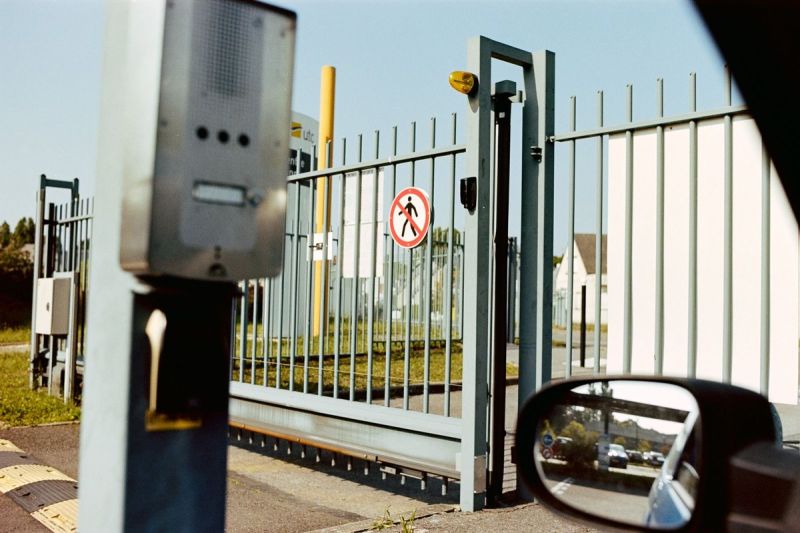
Frost does the rest. Water that gets into a post socket or under a shallow pad expands about 9% when it freezes, jacking the post a little further out of true with every one of Derby's 40 - 55 frost nights. If your gates drag, stick or won't meet in the middle by February, the posts - not the gates - are almost always the culprit. It's also why a gate quote that doesn't mention foundation depth isn't really a quote.
Getting Quotes and Choosing an Installer
Gate work in Derby is done by a mix of joiners, fabricators, driveway firms and dedicated automation companies, and prices for the same job can vary by 40% between them, so get three quotes minimum. Make sure each one specifies the material and thickness, post type and foundation depth, hardware, and - for automated gates - the exact motor brand and the safety devices included. A quote that just says "supply and fit gates £1,200" tells you nothing about where the money goes.
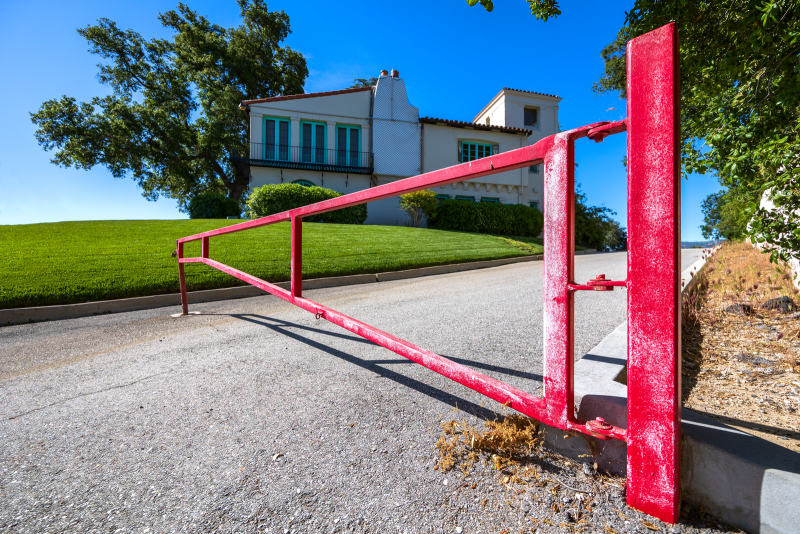
Vetting takes minutes and saves months. Check the firm against the TrustMark register of government-endorsed tradespeople, ask to see a gate they hung more than two winters ago, and be sceptical of any automated-gate quote without photocells or safety edges itemised - that's the clearest sign of an installer cutting the corner that matters most. Done properly, a good set of gates should outlast the driveway behind it; done cheaply, it becomes the thing you wrestle with every frosty morning for a decade.
---
FAQ
Q: How much do driveway gates cost in Derby?
A: For a standard 3 - 3.6m double opening, supplied and fitted: softwood timber runs £500 - £1,000, hardwood £900 - £1,800, steel or wrought-iron style £800 - £2,500, aluminium £1,200 - £2,800, and composite £1,500 - £3,000. Posts add £150 - £600 and automation adds £1,500 - £3,000, so a realistic all-in figure for a good manual pair is £900 - £2,000.
Q: Do I need planning permission for driveway gates in Derby?
A: Only if the gate is over 1m tall and sits next to a highway - which most driveway gates do. Under permitted development the limit is 2m elsewhere on your property but 1m adjacent to a road, so a typical 1.8m gate on the front boundary needs a householder application (£258, around 8 weeks). Gates must also open inwards, never out over the pavement.
Q: Are electric driveway gates worth it?
A: If you use the driveway daily, usually yes - automation adds £1,500 - £3,000 but removes the twice-a-day gate wrestle, which matters through Derby's 40 - 55 frost nights a year. Insist on photocells and safety edges (the HSE treats powered gates as machinery), and budget £100 - £200 a year for servicing. Electricity costs are negligible - a few pounds a year.
Q: What's the best gate material for Derby's weather?
A: With around 700mm of rain a year and a long freeze-thaw season, low-maintenance materials earn their premium. Aluminium can't rust and suits automation; composite needs no painting and carries 10 - 25 year warranties; galvanised steel lasts 15 - 25 years if coating chips are touched up. Softwood is cheapest but needs re-treating every 1 - 2 years or it swells and sticks in wet winters.
---
Ready to work with Trade Smart Driveways & Landscaping?
Let's connect! We’re here to help.
Send us a message and we’ll be in touch.
Or give us a call today at 111-222-3333
Agency Contact Form
More Marketing Tips, Tricks & Tools