Driveways in Derby Conservation Areas: Article 4 Rules, Materials and 2026 Costs
Derby has 16 conservation areas, from Friar Gate and the Arboretum to the old village centres of Allestree, Darley Abbey, Mickleover, Spondon and Markeaton. If your house sits in one, a driveway in a Derby conservation area is a different job from the same drive two streets over. The basic front garden rules still apply - anything over 5m2 of hard surface that isn't permeable and drains onto the road needs planning permission - but on top of that, a handful of Derby streets are covered by Article 4 directions that take away some of the rights you'd normally have. Front boundary walls over 1m high can't simply be knocked down. Trees with a trunk wider than 75mm need six weeks' notice before they come out. And planners care a lot more about what the drive looks like. With Derby's clay holding water through a wet season that runs roughly October to March, the drainage side matters as much as the looks.
What Being in a Derby Conservation Area Changes for Your Driveway
A conservation area is a place the council has marked out for its special architectural or historic interest. Derby City Council lists all 16 on its conservation areas page, with an appraisal document for each one. The appraisals are worth reading before you get a single quote, because they usually describe the front gardens, walls and railings the council wants to keep.
For a driveway, the practical changes are these:
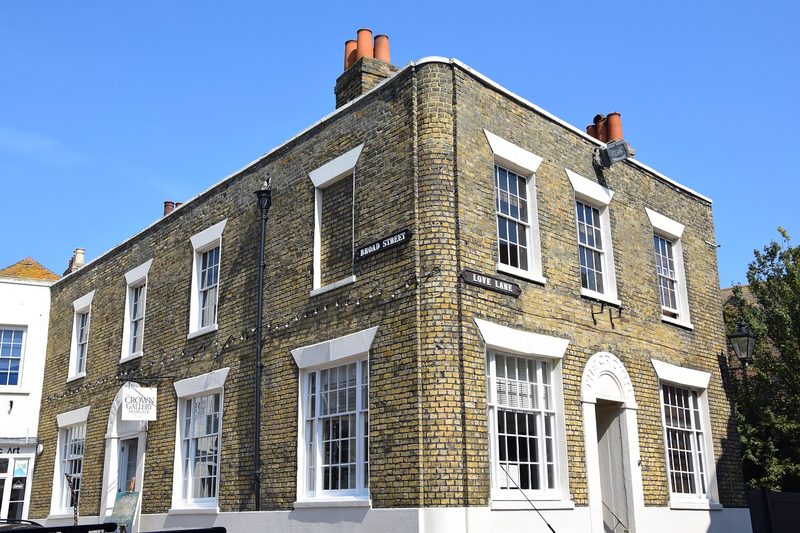
- Front walls and railings. Taking down a gate, wall or fence over 1m high next to a road needs planning permission in a conservation area. On Victorian terraces in the Arboretum, Hartington Street or Strutts Park, the low brick wall is often exactly the thing the appraisal points to.
- Trees. Any tree with a trunk over 75mm across, measured 1.5m off the ground, needs six weeks' written notice to the council before it's felled or cut back. That catches more front garden trees than people expect.
- Design. Even where no permission is needed, planners judge any application you do make on whether it "preserves or enhances" the area. A wall-to-wall slab of grey concrete block rarely does.
If you're not sure whether your street is covered, or what you can do with your frontage, talk to the Tradesmart Driveways team and we'll look at it with you before anything gets priced up.
Article 4 Directions on Derby Streets: What They Remove
An Article 4 direction is the council's way of switching off specific permitted development rights on specific properties. Derby made a run of them in the early 1990s across parts of Allestree, Darley Abbey, Mickleover, Little Chester, Strutts Park, the Arboretum, Markeaton, Hartington Street and Highfield Cottages, with Allestree adding another in 1999. Most of them list individual addresses rather than whole areas, so two neighbours can be under different rules.
Across England, Article 4 directions in conservation areas typically cover some mix of these:
- Replacing doors and windows on the front of the house
- Changing roof materials
- Painting or rendering brickwork that faces the road
- Building, altering or taking down front walls, gates and railings
- Laying a hard surface in the front garden
Doors, windows, roofs and brickwork are what Derby's older directions mostly deal with. Whether yours also covers hard surfacing or front boundaries depends on the schedule attached to your street, and some of the scanned documents are 30 years old and hard to read. The quickest check is to ask the council's planning team for the direction that applies to your address. It's free, and you'll usually hear back within a week or so.
What happens if you build without checking
If a direction covers your front garden and you pave it without permission, the council can issue an enforcement notice asking you to put it back. Councils don't often go after a whole driveway. When they do, it's usually in a conservation area. An unauthorised drive will also come up when you sell. Buyers' solicitors ask about planning and building control on the standard property forms, and an awkward answer can knock thousands off a sale or hold it up for weeks.
Front Garden Paving Rules That Apply Everywhere in Derby
Strip away the conservation area layer and the national rule is simple. Since 2008, covering more than 5m2 of a front garden with a hard surface needs planning permission unless the surface is permeable, or water runs off it onto a lawn, border or soakaway within your own boundary. The government's guidance on permeable surfacing of front gardens shows the options with diagrams, and the Planning Portal's page on paving your front garden walks through when permission kicks in.
None of that is switched off in a conservation area. Article 4 rules stack on top.
Derby gets about 700mm of rain a year, which is drier than the UK average of roughly 1,160mm. The ground is the problem. Much of the city sits on heavy Mercia mudstone clay that drains slowly, so a soakaway that works in sandy soil can sit full for weeks here between November and February. Before a soakaway goes in, a percolation test is worth the £150-£300 it costs, and on the worst clay a lined channel drain to a larger crate soakaway is often the honest answer.
Materials Derby Planners Tend to Approve
No council publishes a list of banned driveway materials, but the appraisals give strong hints. Derby's conservation areas are mostly red brick Victorian terraces, Georgian townhouses around Friar Gate and stone or brick cottages in the old villages. Surfaces that match that character get through planning far more easily.
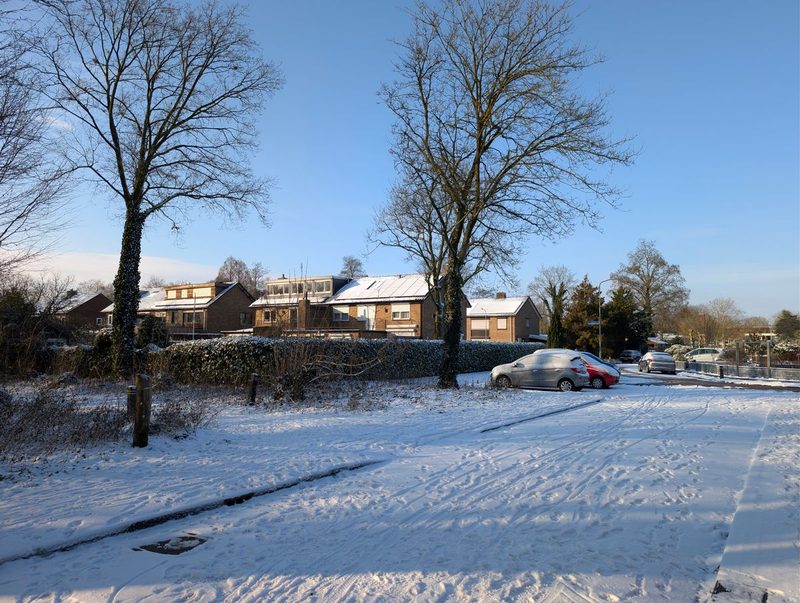
Materials that usually sit well:
- Clay pavers in red, brindle or blue, laid in herringbone or stretcher bond: £130-£180 per m2 laid
- Staffordshire blue brick edging or full paving, a nod to the original Victorian paths: £140-£190 per m2
- Natural stone setts in granite or sandstone: £150-£250 per m2
- Bound or loose gravel in a buff or honey colour, edged in brick or stone: £60-£130 per m2 depending on build
- Resin bound in warm, natural aggregate blends: £90-£130 per m2 on a full build
Materials that often get pushback in a conservation area:
- Bright red or charcoal concrete block covering the whole frontage
- Black tarmac, particularly where it replaces a planted garden
- Pattern imprinted concrete trying to pass for stone
Keeping some green
Planners in Derby, as in most cities, react better to a drive that keeps 20-30% of the frontage planted. A strip of border along the wall, a small bed by the bay window or grass between wheel tracks all count. It soaks up rain too, which on Derby clay is no small thing. We've covered how to plan the whole job in our guide to turning a front garden into a driveway in Derby, including how much space a car really needs.
Dropped Kerbs and Front Walls on Derby's Victorian Terraces
You can't legally drive over the pavement to reach a drive without a dropped kerb, and in Derby the council's highways team has to approve it and arrange the work. On a classified road, you'll need planning permission for the access as well. In a conservation area the kerb is rarely what holds things up. The wall is.
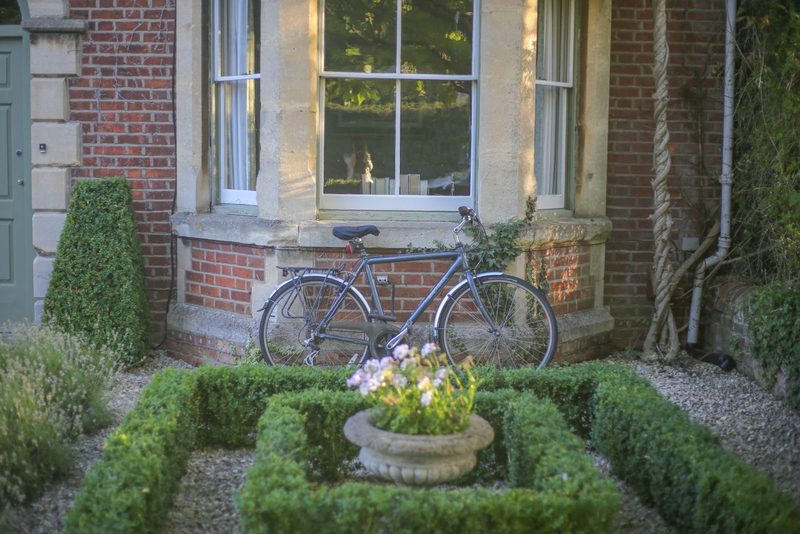
Making an opening in a front wall usually means losing 2.4-3.6m of it. On a terrace with a continuous run of matching brick walls, that's the change that most affects the street scene, and it's the part planners look at hardest. Applications tend to go better when they:
- Keep the opening to the minimum width needed, often 2.4-2.7m for one car
- Rebuild the wall ends with matching brick, coping and piers
- Reuse or replicate original gate posts where they exist
- Avoid loss of street trees or on-street parking for neighbours
Budget £1,200-£2,500 for a dropped kerb in Derby including the council side, plus £400-£1,200 for making good a brick wall end with matching reclaimed brick.
What a Conservation Area Driveway in Derby Costs in 2026
A conservation area drive usually costs 15-30% more than a standard one of the same size. The extra comes from better materials, more careful edging, the planning process and sometimes slower work around walls and trees.

Typical 2026 figures for a 35-45m2 front garden in Derby:
- Gravel with brick edging and a permeable sub-base: £3,000-£5,000
- Resin bound full build in a natural blend: £4,500-£6,500
- Clay pavers with a soakaway or channel drain: £5,500-£8,500
- Natural stone setts: £6,500-£11,000
- Householder planning application, if needed: around £528 council fee, plus £300-£900 for drawings
- Dropped kerb: £1,200-£2,500
- Wall alterations and reinstatement: £400-£1,200
Derby has a fair supply of driveway installers, but far fewer who've laid clay pavers or setts to a conservation officer's standard. Good crews book up 6-8 weeks ahead in spring and summer, and an eight-week planning decision on top means a March enquiry can easily become a June start.
How the Process Usually Runs, Start to Finish
For most Derby conservation area drives the order looks like this:
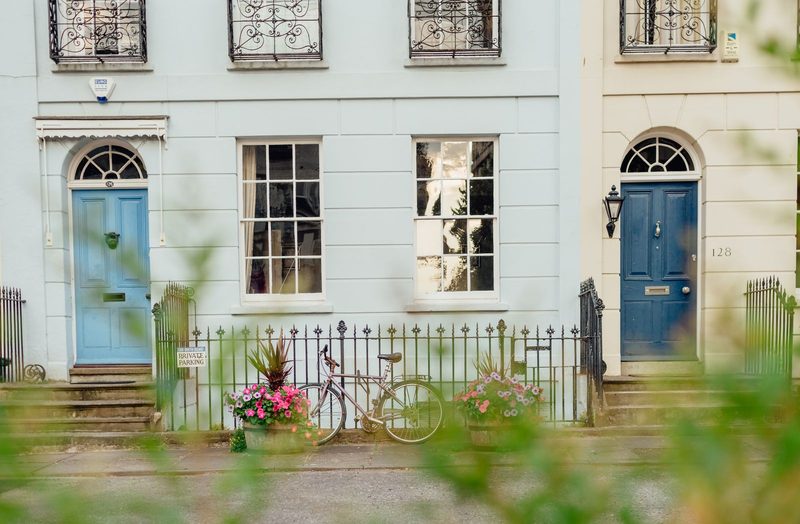
- Week 1: Check your address against the conservation area map and ask the council whether an Article 4 direction applies
- Weeks 1-3: Site survey, percolation test and a design that keeps walls, trees and planting where you can
- Weeks 3-4: Submit a planning application if one's needed, plus the dropped kerb application
- Weeks 4-12: Council decision, typically within eight weeks
- After approval: Groundwork and surfacing, usually 3-6 days on site for a 40m2 drive
If you need tree work, send the six-week notice early so it runs alongside the planning application rather than after it. The government's guidance on conserving and enhancing the historic environment explains how councils weigh changes like these, and it's a useful read before you talk to a planning officer.
Frequently Asked Questions About Driveways in Derby Conservation Areas
Do I need planning permission for a driveway in a Derby conservation area?
Not always. If the surface is permeable or drains onto your own garden, and no Article 4 direction covers your property, you can usually lay a drive without permission. You will need it if you're removing a front wall over 1m high, if a non-permeable surface over 5m2 drains onto the road, or if an Article 4 direction removes the right.
How do I find out if my Derby house is under an Article 4 direction?
Ask Derby City Council's planning team, giving your full address. Most of Derby's directions list specific properties rather than whole conservation areas, so a neighbour's answer may not apply to you.
What driveway material is best for a Derby conservation area?
Clay pavers, natural stone setts and brick-edged gravel suit most of Derby's Victorian and village streets. Resin bound in a warm natural blend also tends to be accepted. Whole-frontage concrete block and black tarmac get more objections.
How much does a conservation area driveway cost in Derby?
For a typical 35-45m2 front garden in 2026, expect £3,000-£5,000 for gravel, £4,500-£6,500 for resin bound, £5,500-£8,500 for clay pavers and £6,500-£11,000 for natural setts. A dropped kerb adds £1,200-£2,500.
Can I knock down my front wall to make a driveway?
In a Derby conservation area, taking down a front wall, gate or fence over 1m high next to a road needs planning permission. Councils are more likely to approve a narrow opening with properly rebuilt wall ends than full removal.
Ready to work with Trade Smart Driveways & Landscaping?
Let's connect! We’re here to help.
Send us a message and we’ll be in touch.
Or give us a call today at 111-222-3333
Agency Contact Form
More Marketing Tips, Tricks & Tools
Resin Over an Existing Driveway in Derby: When Overlaying Concrete or Tarmac Works and When It Fails