Resin Over an Existing Driveway in Derby: When Overlaying Concrete or Tarmac Works and When It Fails
Laying resin over an existing driveway is the cheapest way to get a resin finish in Derby, and on the right drive it's a perfectly good job. On the wrong one it's money down the drain. Resin bound over sound concrete or tarmac usually costs £50 to £70 per m² in 2026, against £75 to £110 per m² for a full dig-out and new base. On a 45m² drive that's a saving of roughly £1,100 to £1,800, and the work takes one or two days instead of four or five. The catch is that resin is only about 18mm thick. It copies whatever is under it, cracks included. Derby's clay subsoil swells and shrinks with the seasons and the city sees around 45 to 55 air frosts most winters, so plenty of older concrete and tarmac drives here have moved more than their owners realise. This guide covers how to tell which kind you've got, what the overlay process involves, and what it really costs.
Can You Lay Resin Over an Existing Driveway in Derby?
Yes, if the old surface is solid, drains properly, sits at the right height and isn't still moving. Those four conditions decide the whole thing. Get all four and a resin overlay can last 15 years or more. Miss one and you'll usually see it within two winters, often as a crack that follows an old joint in the concrete or a split in the tarmac.
Roughly half the Derby drives we look at for an overlay turn out to be suitable as they are. About a third need some repair work first, such as cutting out a bad bay, filling cracks or adding a drainage channel. The rest are too far gone and need digging out. If you're not sure which group yours falls into, Tradesmart Driveways & Landscaping can come out and survey it before you commit to anything.
When a Resin Overlay Works
A good candidate for a resin overlay usually ticks all of these boxes:
- It's solid and not moving: no rocking slabs, no cracks wider than about 3mm, and no cracks that have grown in the last year or two.
- It's level enough. Small dips are fine, but any hollow deeper than about 10mm under a 2m straight edge holds water and has to be filled first.
- It drains already. Water runs off to a gully, channel or lawn, and doesn't sit in puddles for hours after rain.
- There's height to spare. The new surface can go on without pushing the drive too close to the damp proof course or a door threshold.
- It isn't too fresh. New tarmac needs to weather for around 4 to 6 weeks first so the oils on the surface can break down. Otherwise the resin won't bond.
Concrete drives laid in bays from the 1970s and 1980s, which are common on estates in Oakwood, Sinfin and Mickleover, are often good candidates once the joints are dealt with. So are tarmac drives under about 10 years old that were laid on a decent base.
Concrete and tarmac behave differently
Concrete is rigid. When it fails, it cracks in clean lines or one bay sinks against the next. Tarmac is flexible, so it shows trouble as ruts, soft spots, crazing and potholes. A rigid base that's cracked but not moving can often be repaired and overlaid. A tarmac base that's gone soft usually can't, because the softness comes from the sub-base underneath, and an 18mm resin layer won't fix that.
When an Overlay Will Fail
These are the signs that tell us to stop and price a dig-out instead:
- Concrete that heaves or lifts. On Derby's Mercia Mudstone clay, a bay that rises in winter and drops in summer will crack any resin laid on it. The same goes for drives near mature trees, where roots have lifted the slab.
- Failed tarmac. Crazing like a dried-up riverbed, loose stone, potholes, or ruts where the wheels sit all mean the base under the tarmac has gone.
- Frost damage. If water has been getting under the surface for years, every freeze has pushed it up a little. Derby's heaviest frosts come in the low ground along the Derwent, so drives in Darley Abbey, Allestree and Little Chester often show it first.
- Wrong levels. If the drive is already within about 150mm of the damp proof course, adding even 18mm to 25mm can cause problems. Building guidance usually wants the outside ground at least 150mm below the DPC, so rain doesn't splash above it and get into the walls.
- Falls towards the house. A drive that sends water at the front wall or the garage door will keep doing it under resin.
A quick test you can do yourself
Pour a bucket of water on the drive on a dry day and watch where it goes. Then tap any cracked areas with a hammer handle. A dull, hollow sound means the surface has come away from what's below it. Neither test replaces a proper survey, but if both look bad you'll have a fair idea before anyone visits.
The Checks an Installer Should Do First
A proper overlay survey takes about 30 to 45 minutes on a typical Derby drive. If someone quotes from the pavement in five minutes, be wary. You should expect them to:
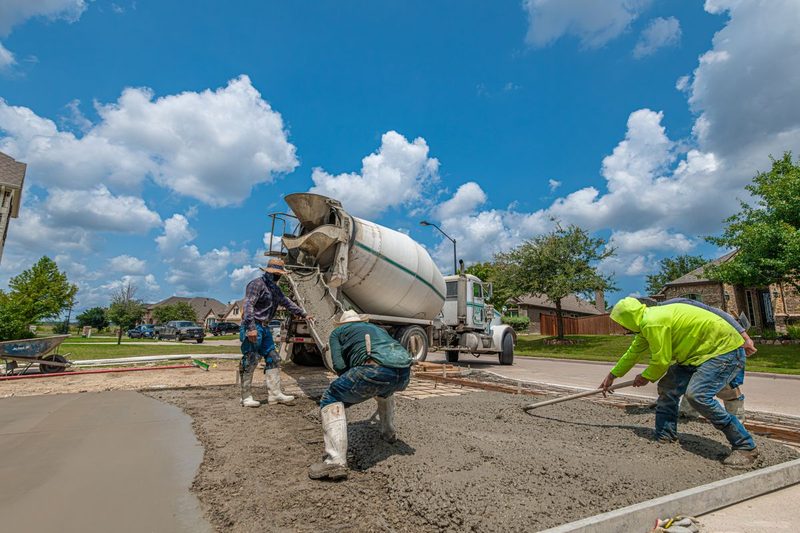
- Walk the whole surface with a straight edge or level and mark any dips over 10mm.
- Measure the gap from the drive surface to the DPC and to each door threshold.
- Map every crack, recording its width and whether it lines up with a bay joint.
- Check for hollow spots by tapping or with a steel bar.
- Look at where the water goes, and find any gullies, manholes or channel drains.
- Ask how old the drive is and whether anything has been dug up through it.
All of this should show up in the written quote as specific repair items, not as a vague line about preparing the surface. We've explained what a solid base looks like underneath in our post on sub-base depth, membranes and Derby groundwork. It's worth reading if your installer suggests the base under your drive might be thin.
Crack Repairs, Expansion Joints, Primer and the 18mm Rule
The resin itself goes down in a few hours. The prep is where your money goes, and where jobs go wrong.
Cracks and expansion joints
Small, stable cracks in concrete are cut out and filled with a resin repair mortar, usually costing £8 to £15 per linear metre. Larger broken areas are saw-cut, broken out and re-laid, often £60 to £120 per m² for the patch. The big one is expansion joints. Concrete drives are laid in bays with joints every 3m to 4m so the slab can move with temperature. If you lay resin straight over them, the joint will open a crack through the resin within a winter or two. The two usual fixes are to carry the joint through the resin with a neat saw cut and flexible sealant, or to lay a crack-bridging mesh over each joint. Each joint adds roughly £30 to £60.
Primer and resin depth
Concrete is usually jet washed, left to dry and then primed. The primer seals the dust and helps the resin grip. Weathered tarmac often needs a primer too. Primer adds about £3 to £6 per m².
For a driveway that takes cars, the resin bound layer should be at least 18mm deep, using 6mm to 10mm aggregate. A 15mm layer is fine for paths and patios, but under a car it tends to crack where the tyres turn. If your quote says 12mm or 15mm for a drive, ask why. It's one of the most common ways a cheap price is reached.
Drainage, Permeability and Planning in Derby
Resin bound is porous, but laying it over solid concrete or tarmac doesn't make the drive permeable. Water soaks through the 18mm of resin, hits the old impermeable surface and runs off sideways, exactly as it did before.
That matters for planning. Since October 2008, covering more than 5m² of a front garden in England with a surface that drains onto the road has needed planning permission. The government's permeable surfacing guidance for front gardens says the water has to soak into the ground or be directed to a lawn, border or soakaway. The Planning Portal's page on paving your front garden sets out the same rule in plain terms.
What that means for your overlay
If your existing drive already drains into a border or a soakaway, the overlay normally doesn't change anything. If it drains onto the pavement, you can either add a channel drain across the entrance feeding a soakaway or the garden, which usually costs £400 to £900 on Derby clay because it drains slowly, or check with Derby City Council whether permission is needed. In Duffield, Belper or Borrowash the council is Amber Valley or Erewash instead. Some installers drill drainage holes through the old concrete. It can help on sandier ground, but on heavy clay the water often has nowhere to go once it gets through.
Overlay vs Full Dig-Out: Costs in Derby (2026)
These are guide prices including VAT for resin bound driveways in Derby. Access, skip space and the condition of the drive will move the final figure.
- Resin bound overlay on sound concrete or tarmac: £50 to £70 per m²
- Overlay including typical crack and joint repairs: £60 to £80 per m²
- Full dig-out, new sub-base and resin bound: £75 to £110 per m²
- New tarmac base course plus resin, where the old surface is too poor: £85 to £115 per m²
- Channel drain and soakaway, if needed: £400 to £900
- New edging where the old drive has none: £25 to £45 per linear metre
On a typical 45m² semi-detached drive, that works out at roughly £2,250 to £3,150 for a straightforward overlay, £2,700 to £3,600 with repairs, and £3,400 to £4,950 for a full dig-out. The gap closes quickly once repairs pile up. If the repair list on your quote passes about 30% of the overlay price, it's often better to dig out and start again. Tarmac vs resin is a separate question, and we've compared the two in our guide to tarmac vs resin driveways in Derby.
How Long a Resin Overlay Lasts
On a sound, well-prepared base, a resin bound overlay should last 15 to 20 years, and it often comes with a 10 to 15 year guarantee from a decent installer. A resin drive on a new sub-base can last 20 to 25 years, so you give up a few years for the lower price. Most of that gap comes from the age of the base. A concrete drive that's already 35 years old won't last forever.
Look for a UV-stable aliphatic resin, which costs about £3 to £6 per m² more and won't yellow after a couple of hot summers. Brush the drive regularly in autumn and give it a low-pressure wash once a year. Then check the installer properly. A TrustMark registered business gives you a government-endorsed route for complaints if a guarantee isn't honoured.
Derby clay and freeze-thaw
Clay is the main reason overlays fail early here. In wet winters it swells, and in dry summers like 2022 and 2025 it shrinks, pulling at the edges of rigid concrete. Water that gets into an open crack freezes, expands by around 9%, and forces the crack wider. A drive that has moved a little every year for 30 years will keep doing so under resin. Pick the resin second. Get the survey right first.
Resin Over Existing Driveways: Common Questions in Derby
Can resin be laid directly over old concrete in Derby?
Yes, if the concrete is solid, level, draining properly and not moving. Cracks are filled, expansion joints carried through or bridged, and the surface primed first. In 2026 it usually costs £50 to £80 per m² in Derby depending on how much repair is needed.
How thick should a resin overlay be on a driveway?
At least 18mm for a drive that takes cars, using 6mm to 10mm aggregate. 15mm is only suitable for paths and patios. Thinner layers tend to crack where tyres turn.
Is a resin overlay on concrete or tarmac permeable?
The resin is, but the drive as a whole isn't, because water can't get through the old surface underneath. On a front drive over 5m² that drains to the road, you'll need a channel drain to a soakaway or garden, or planning permission.
Will cracks in my concrete drive come through the resin?
Moving cracks and expansion joints will, usually within one or two winters. Stable hairline cracks can be repaired and primed so they don't show. A good installer will tell you which kind you have during the survey.
Ready to work with Trade Smart Driveways & Landscaping?
Let's connect! We’re here to help.
Send us a message and we’ll be in touch.
Or give us a call today at 111-222-3333
Agency Contact Form
More Marketing Tips, Tricks & Tools