Permeable Driveways in Derby: The 5m² Planning Rule, SuDS Options and 2026 Costs
If you're replacing a front garden with a drive, a permeable driveway in Derby is usually the cheapest way to stay clear of a planning application. Since October 2008, covering more than 5m² of a front garden with a hard surface has only counted as permitted development if the surface lets water through or drains onto a lawn or border on your own property. A typical Derby frontage is 35-50m², so almost every new drive is caught by the rule. Derby's ground and weather give it a practical side too. The city gets roughly 700mm of rain a year, well under the UK average of about 1,150mm, but a lot of it lands in short summer downpours that overwhelm road gullies in minutes. Large parts of the city sit on slow-draining clay, and the River Derwent reached some of its highest levels on record during Storm Babet in October 2023. Where the water from your drive ends up is a real question here.
Why a Permeable Driveway in Derby Is Worth Considering
A permeable driveway lets rain soak through the surface into a stone layer underneath, where it's held and released slowly into the ground or a drain. A standard tarmac or concrete drive sheds the water straight off the edge, usually onto the pavement and into the nearest gully. On one house that doesn't sound like much. Across a street where 20 of 30 front gardens have been paved, it adds up to thousands of litres hitting the drains at once during a storm. Engineers call the fix SuDS - sustainable drainage systems - and a permeable drive is the smallest SuDS most people will ever own.
For you as a homeowner, the case comes down to three things. You avoid a planning application, which means a council fee of a few hundred pounds, drawings, and around eight weeks of waiting before work can start. You cut the chance of water pooling against your house or running onto a neighbour's drive. And if the council ever looks at the drive, you've got a straightforward answer. If you'd like a second opinion on whether your frontage suits a permeable system, have a chat with the Tradesmart Driveways team before you start collecting quotes.
There's a cost side too, which we'll come to. Permeable systems are rarely the cheapest option per m², but the gap is smaller than most people expect - often 15-25% on the whole job, and sometimes less once you add the drainage a solid drive would need anyway.
The 5m² Front Garden Rule in Plain English
The rule comes from the 2008 changes to the General Permitted Development Order, and the government's own guidance on the permeable surfacing of front gardens sets out how it works. In short, you don't need planning permission for a new or replacement front garden surface if:
- the area is 5m² or less, or
- the surface itself is permeable, or
- the water runs off onto a lawn, border or rain garden within your property, rather than onto the road.
If none of those apply, a traditional impermeable drive over 5m² needs permission. The Planning Portal's page on paving your front garden says the same thing and is a handy one to send to anyone who insists "you never need permission for a driveway".
Two things catch people out. The rule applies to replacement surfaces as well as new ones, so ripping up an old concrete drive and relaying it in standard tarmac counts. And the rules for flats, maisonettes and listed buildings are different. A dropped kerb is a separate matter again, handled through Derby City Council's highways team rather than planning.
What Counts as Permeable (and What Doesn't)
"Permeable" describes the whole build, not only the top layer. A porous surface laid on a sealed concrete slab will still send the water sideways onto the road.
Surfaces that work
- Resin bound gravel on an open-graded base. The resin coats each stone and leaves gaps between them, so water drains straight through. It only counts as permeable if what's underneath drains too.
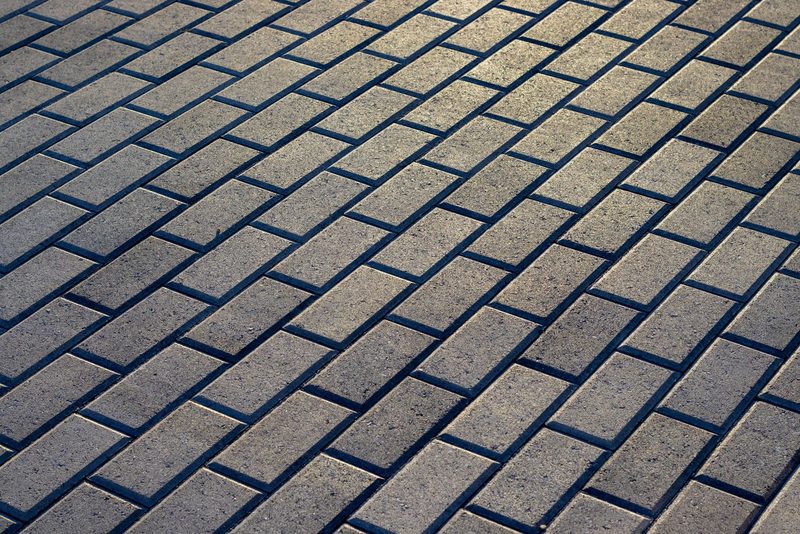
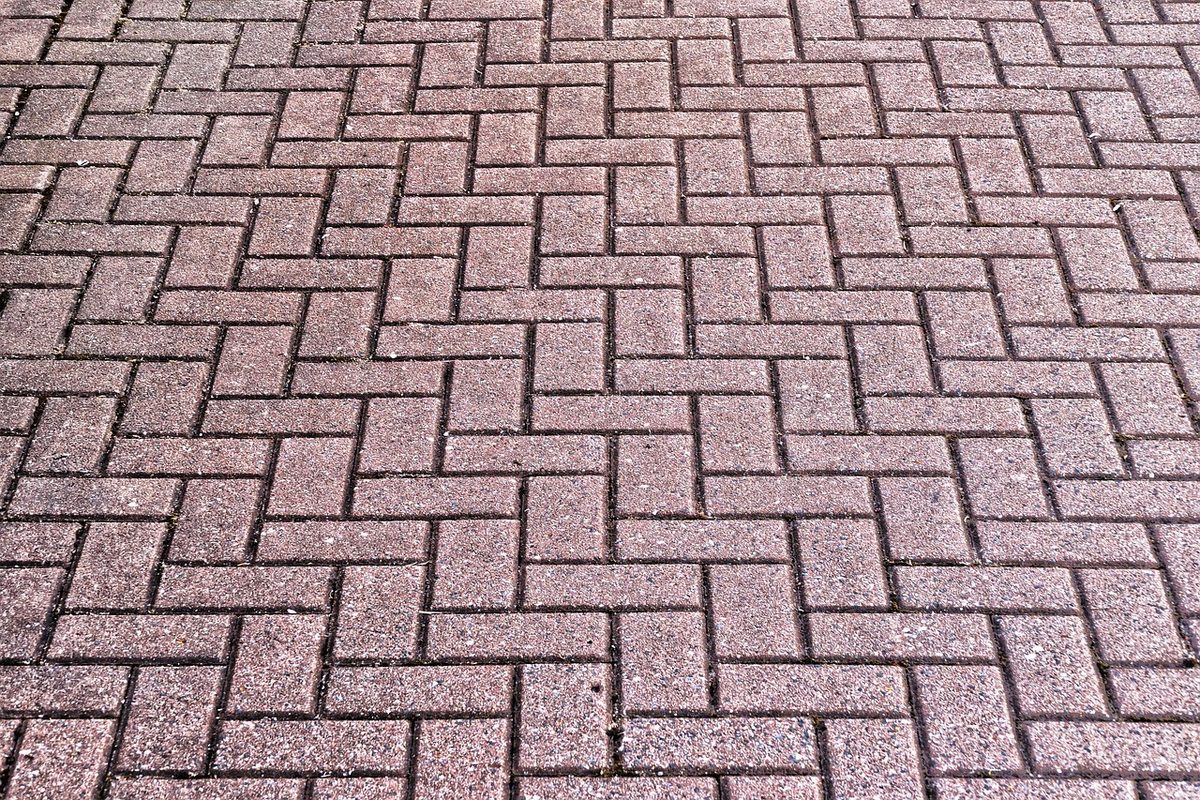
- Permeable block paving. The blocks have wider joints, often 5-10mm, filled with small angular grit instead of sand, so rain goes through the joints.
- Loose gravel. Naturally free-draining, and the cheapest permeable option.
- Gravel grids. Plastic honeycomb panels filled with gravel, which stop the stones rutting and spreading.
- Porous asphalt. A tarmac mix with most of the fine material taken out so water can pass through.
Surfaces that don't
Standard tarmac, plain or imprinted concrete, conventional block paving on sand, and resin bonded (where stones are scattered onto a resin coat) are all impermeable. That doesn't rule them out. It means they need to fall towards a soakaway, border or rain garden on your own land, or you'll need planning permission. Resin bound laid over an existing solid tarmac or concrete drive is the one people get wrong most often - the resin is porous, the old base isn't.
Derby's Clay, the Derwent and Where the Water Goes
Much of Derby sits on Mercia Mudstone, a red-brown clay that drains very slowly. Soak tests on it often show rates well under 10mm an hour, against several hundred millimetres an hour on the sand and gravel terraces closer to the Derwent. So two houses a couple of miles apart can need completely different builds.
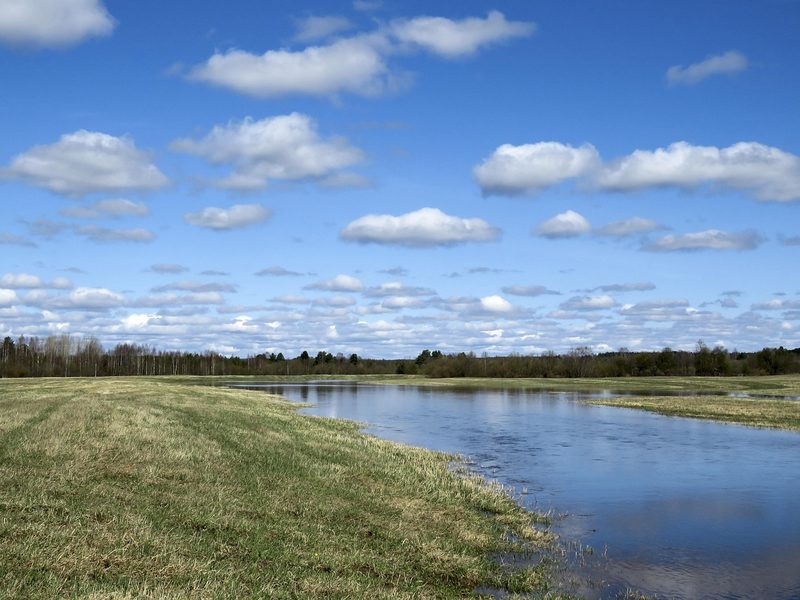
The weather adds to it. Derby's wet season runs roughly October to March, and the clay can stay saturated for weeks. Then in summer, a thunderstorm can drop 20-30mm in an hour onto ground that's baked hard. The Environment Agency's 2024 national assessment put around 4.6 million properties in England at risk of surface water flooding, roughly twice the number at risk from rivers and the sea. You can look up your own postcode with the government's long-term flood risk checker for surface water, rivers and the sea. Do it before you decide how the drive will drain - it takes two minutes.
Infiltration tests and soakaways on clay
Before you commit, a good installer will dig a test pit about 1m deep, fill it with water and time how fast it drains away. This is the standard soakaway test under BRE Digest 365 and usually costs £150-£400. The result tells you which of three systems to use:
- Full infiltration. Water soaks through into the ground below. Fine on sand and gravel, rarely possible on Derby clay.
- Partial infiltration. Some water soaks in, and the excess goes through a perforated pipe in the sub-base to a soakaway or an approved drain. This is the most common choice for clay sites in Derby.
- No infiltration (tanked). A membrane seals the base and the stored water leaves slowly through a pipe. This suits sites next to the house walls, or ground that's contaminated or very wet.
All three still count as permeable for planning purposes, because the stone layer holds the water and lets it out gradually instead of dumping it on the road.
How a Permeable Driveway Is Built Differently
The surface you see is the easy part. A standard drive sits on Type 1 MOT, a crushed stone with plenty of dust and fines that compacts into a near-solid layer. That's exactly what you don't want under a permeable drive, because water can't get through it.
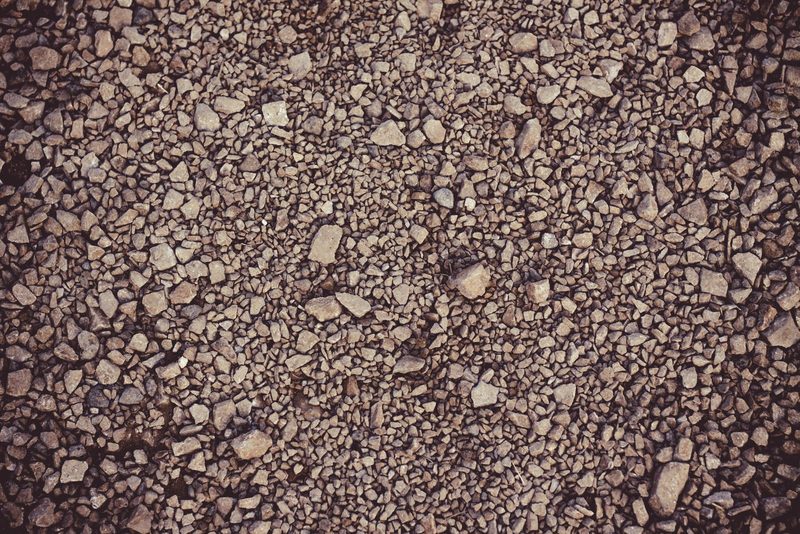
A permeable build uses open-graded clean stone with no fines. Under block paving, that's normally 150-350mm of 4/20 crushed stone (pieces from 4mm to 20mm), topped by a 50mm laying course of 2/6.3 grit, with the same grit brushed into the joints. Resin bound uses a similar 4/20 or 6/20 open-graded base, often with an open porous asphalt binder course of around 40-70mm before the resin goes on. A geotextile separates the stone from the clay underneath so the subsoil doesn't creep up into the voids and clog them over time. Open-graded stone holds about 30% of its volume as air gaps, so 300mm of it can store around 90 litres of rain for every square metre of drive.
Why the base decides how long it lasts
Get the groundwork wrong and no surface will save it. We've covered the dig depths, membranes and compaction in more detail in our guide to what's under a Derby driveway and why the groundwork decides how long it lasts. For permeable drives specifically, the base is usually 50-150mm deeper than a standard one, because it's doing two jobs at once: carrying the car and storing water.
Permeable Driveway Costs in Derby for 2026
These are typical 2026 prices for a supply-and-lay job in Derby, including excavation, skip hire and a new base. Expect the lower end on a simple rectangular drive with good access, and the upper end on smaller, awkward or sloping sites.
- Loose gravel with edging: £40-£70 per m², against £60-£90 per m² for plain concrete
- Gravel grids: £55-£85 per m², against £80-£110 per m² for imprinted concrete
- Resin bound on open-graded base: £85-£130 per m², against £60-£85 per m² for resin bonded on solid base
- Permeable block paving: £95-£140 per m², against £75-£110 per m² for standard block paving on sand
- Porous asphalt: £85-£120 per m², against £60-£90 per m² for standard tarmac
On a 45m² drive, permeable block paving would usually come in at £4,300-£6,300, against £3,400-£5,000 for standard block. On top of that, budget for the extras:
- Infiltration test: £150-£400
- Perforated pipe and soakaway for a partial-infiltration build: £800-£2,000
- Planning application if you go impermeable without a drainage route: a council fee of a few hundred pounds, plus drawings
- Dropped kerb: typically £1,200-£2,500 including the council's application fee
Driveway installers in Derby and the wider East Midlands aren't hard to find, but firms who regularly build open-graded permeable bases are a smaller group. In spring and summer, the good ones are often booked 4-8 weeks out, so getting quotes in winter usually means more choice.
Keeping a Permeable Driveway Draining
Permeable surfaces slowly lose some drainage capacity as dust, leaves and grit settle into the gaps. On a drive nobody touches, infiltration can fall by half or more over 10-15 years. The good news is that it's almost always recoverable.
A sensible routine looks like this:
- Sweep with a stiff brush every month or two, more often in autumn when leaves come down.
- Low-pressure wash once or twice a year. Keep a pressure washer at a low setting and at an angle, as a strong jet can blow the grit out of block paving joints.
- Top up joint grit on permeable blocks every 2-3 years, using the same 2/6.3 grit, never building sand.
- Don't stockpile soil, sand or bark on the drive during garden jobs. That single afternoon can clog more of the surface than a year of normal use.
If water starts sitting on the surface after rain, that's the sign it needs a deep clean. Specialist vacuum sweeping costs around £3-£6 per m² and usually brings it straight back.
Questions to Ask a Derby Permeable Driveway Installer
A permeable drive looks the same as a standard one on the day it's finished, so the build matters more than the brochure. Ask every installer the same questions and compare the answers.

1. What sub-base stone will you use, and how deep? You want to hear "open-graded 4/20" or similar, and a depth. If they say "Type 1", it isn't a permeable build. 2. Will you do an infiltration test? On Derby clay, anyone who skips this is guessing. 3. Where does excess water go if the ground can't take it? There should be a clear answer: perforated pipe, soakaway, border. 4. Is there a geotextile between the stone and the subsoil? 5. What joint material will you use on block paving? It should be angular grit, not kiln-dried sand. 6. What guarantee comes with it, and does it cover the base as well as the surface? Look for 10 years or more on resin and blocks.
Get at least three written quotes that list materials and depths line by line. A quote that just says "resin driveway, 45m², £3,200" doesn't tell you whether you're getting a permeable drive or a planning problem.
Frequently Asked Questions About Permeable Driveways in Derby
Do I need planning permission for a new driveway in Derby?
Not if it's 5m² or less, if the surface is permeable, or if the water drains onto a lawn or border on your own property. An impermeable drive over 5m² that drains onto the road does need permission. Separate rules apply to flats, listed buildings and some conservation area properties.
Does a permeable driveway work on Derby clay soil?
Yes, but usually as a partial-infiltration build. The stone sub-base stores the rain and a perforated pipe carries the excess to a soakaway or an approved drain. An infiltration test before the job starts tells you how much the ground can take.
How much does a permeable driveway cost in Derby?
In 2026, expect roughly £40-£70 per m² for gravel, £85-£130 for resin bound and £95-£140 for permeable block paving. On a typical 45m² Derby drive, that's about £1,800-£6,300 depending on the system, plus any soakaway or dropped kerb.
Is resin bound always permeable?
Only if it's laid on a free-draining base. Resin bound over an old solid tarmac or concrete drive is porous on top but sheds water sideways, so it doesn't count unless it drains to a border or soakaway on your property.
Ready to work with Trade Smart Driveways & Landscaping?
Let's connect! We’re here to help.
Send us a message and we’ll be in touch.
Or give us a call today at 111-222-3333
Agency Contact Form
More Marketing Tips, Tricks & Tools
Resin Over an Existing Driveway in Derby: When Overlaying Concrete or Tarmac Works and When It Fails