
Caravan Driveway Derby: Space, Surfaces, Rules and 2026 Costs for Motorhome Parking
A caravan driveway in Derby has to do a lot more than a normal car drive. A twin-axle tourer is around 7.5-8m long once you count the A-frame, and a typical coachbuilt motorhome weighs 3,500kg fully loaded, roughly double a family hatchback. Storage sites commonly charge £400-£700 a year, so plenty of owners would rather keep the van at home. The catch is that most drives were never built for it. Derby sits on a lot of heavy clay, gets around 650-700mm of rain a year (below the UK average of roughly 1,160mm, but concentrated in a long, soggy October-to-March stretch) and sees something like 40-50 air frosts a winter. Put a heavy van on a thin base in those conditions and it ruts within a couple of years.
How Much Space a Caravan Driveway in Derby Needs
Start with the van, not the drive. Rough sizes worth measuring against:
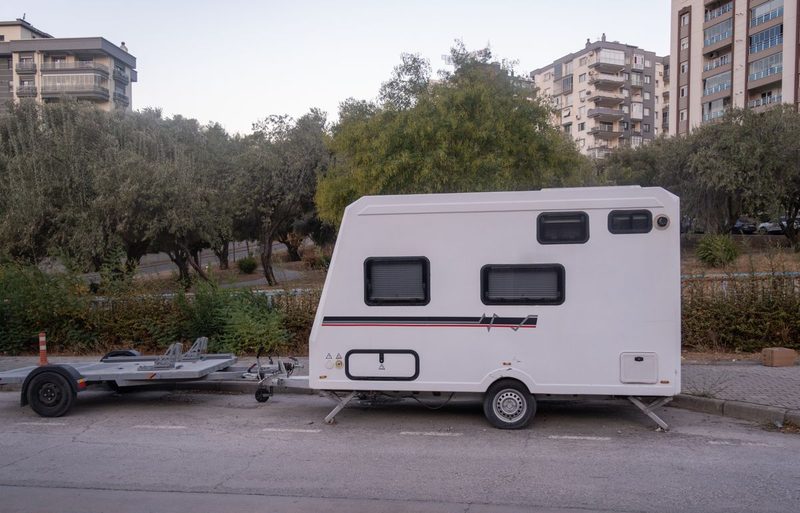
- Single-axle tourer: 6-7m overall including the hitch, about 2.2-2.3m wide
- Twin-axle tourer: 7.5-8.5m overall, 2.3-2.5m wide
- Panel-van campervan: 5.4-6.4m long, 2.05m wide, around 2.6-2.8m high
- Coachbuilt motorhome: 6-7.5m long, 2.3-2.35m wide, 2.9-3.2m high
Add 0.75-1m down each side to open doors and walk round, plus 1m at the front. For a twin-axle caravan that means a pad of roughly 4m by 9.5m, which is about 38m2 before you've parked a car anywhere. If you're not sure your drive is big enough, the team at Tradesmart Driveways & Landscaping can measure up and tell you straight whether it works or not.
Gates are where most plans fall over. A 2.5m wide caravan with towing mirrors on the car needs a clear opening of 3m minimum, and 3.3-3.5m if you have to swing in at an angle from the road. Plenty of 1930s semis in Derby's older suburbs have 2.4-2.7m between the house and the boundary - fine for a car, hopeless for a tourer. And a 3.1m motorhome won't clear a carport built at 2.4m.
Turning space
Backing a twin-axle in at 90 degrees needs 6-7m of clear road width or a splayed entrance. On a narrow estate road, a wider entrance often does more good than a longer drive.
Weight and Point Loads: Why Caravans Are Harder on a Drive Than Cars
A car spreads about 1,500kg across four tyres. A loaded twin-axle tourer at 1,800-2,000kg does something similar, but when it's parked the nose weight (usually 70-100kg) sits on a jockey wheel only about 50mm wide. Corner steadies are small steel feet that punch into soft surfaces if wound down hard. Most motorhomes are plated at 3,500kg, bigger A-class models at 4,250-5,000kg, with 60% or more on the rear axle.
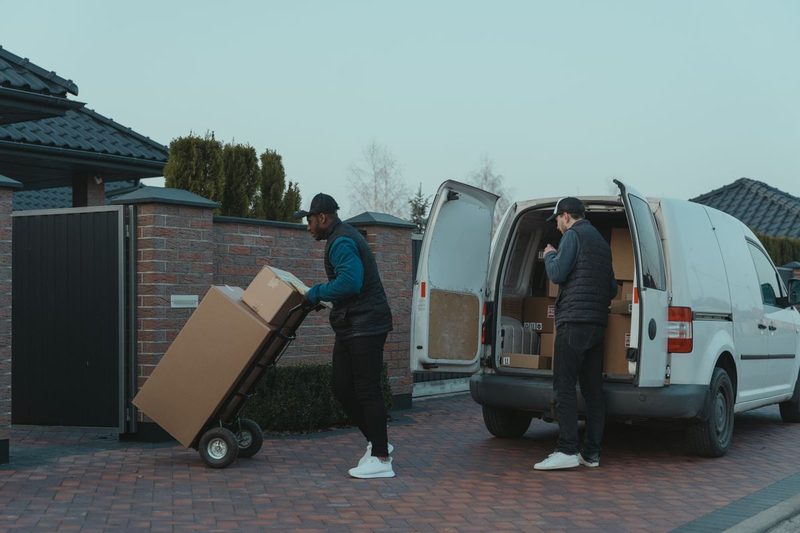
Most damage comes from turning, not parking. Twisting the front wheels of a stationary 3.5t van scrubs block paving loose and scuffs resin. Vans left in one spot for months also leave dips on any weak base, especially after a wet winter when the clay is saturated.
Which Surfaces Cope With Caravan and Motorhome Parking
Block paving
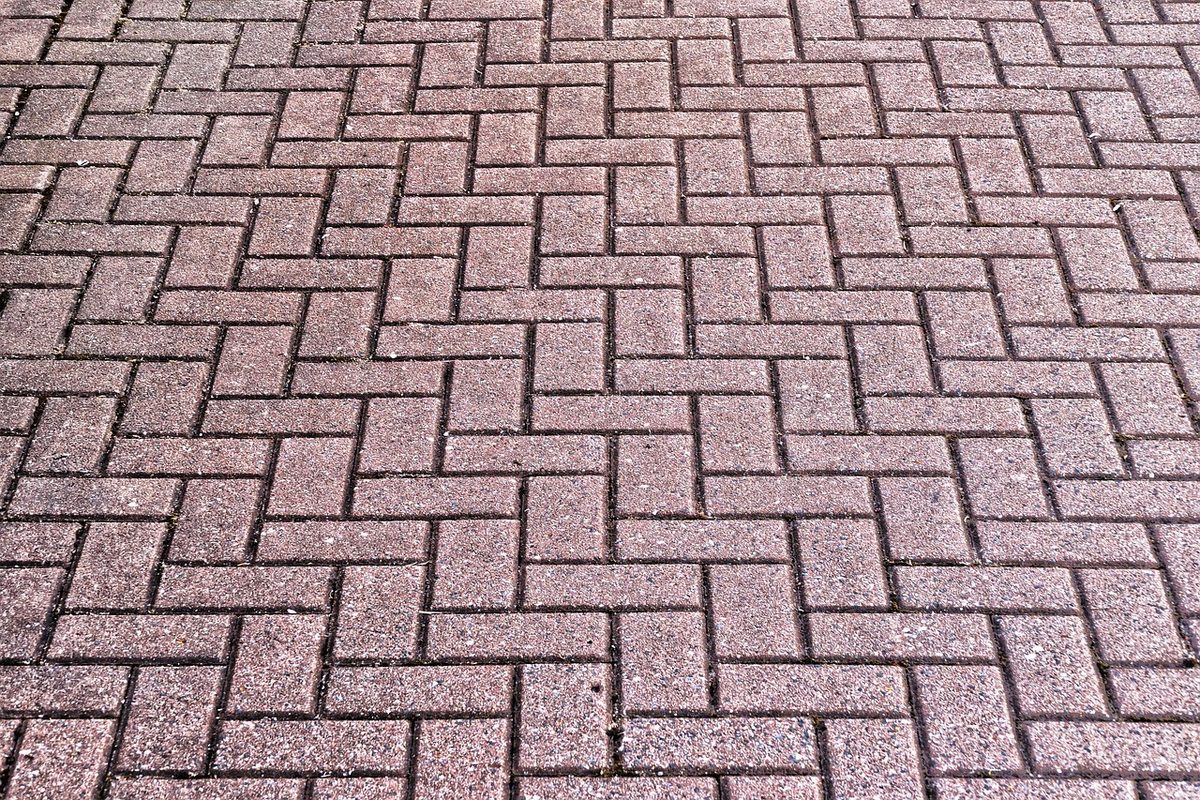
Block paving is the most forgiving choice. Use 80mm blocks rather than the 50-60mm often laid for cars, set in a herringbone pattern, which locks together better under turning wheels. Sunk blocks can be lifted and relaid. Interpave, the precast concrete paving association, publishes guidance on block thickness and laying patterns for heavier traffic if you want to check what a quote specifies.
Tarmac
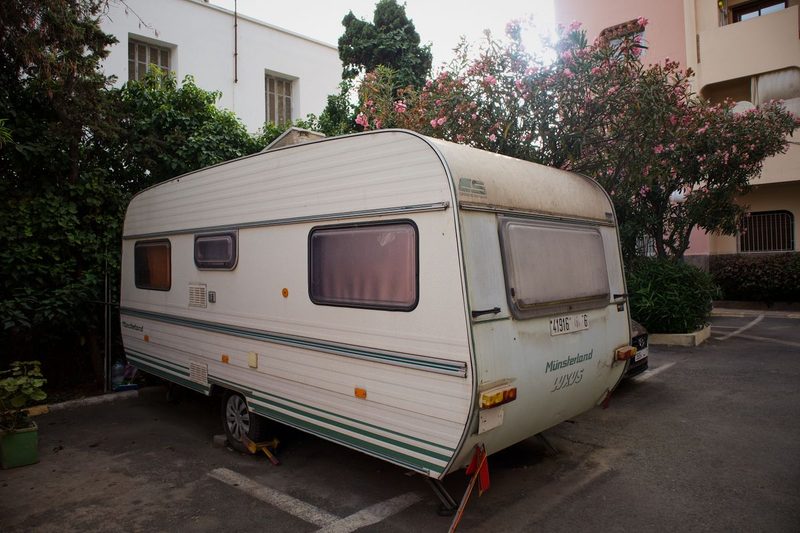
Tarmac handles weight well when laid at 60-70mm in two layers rather than one thin coat. The weak point is hot weather. On a 25C+ day a jockey wheel or steady can leave small dimples, so a cheap steady pad or a paving slab under each foot is worth the £20.
Resin bound
Resin bound looks great, but it relies on the base underneath. On a properly laid tarmac or concrete base it copes with a parked caravan, though motorhome steering scuffs show up more on resin than anywhere else. Expect to use jockey wheel and steady pads, and avoid turning the wheels while stationary.
Gravel and grids
Loose gravel on its own is the worst option - you'll be dragging the van out of its own trench by the second summer. Inside a plastic reinforcement grid it's a different story. Good grids are rated at 150-400 tonnes per m2 when filled, drain freely and make a sensible budget side pad.
Sub-Base Depth for a Motorhome or Caravan Hardstanding
A Derby car drive typically gets 150mm of compacted MOT Type 1. A caravan needs 200mm, a 3.5t motorhome 200-250mm, and up to 300mm on soft clay or made-up ground, with a geotextile membrane underneath to stop the clay pumping up into the stone. The difference in cost is modest, usually £8-£15 per m2, against the cost of digging the whole thing out again in five years.
We've gone into this in much more detail in our guide to what's under a Derby driveway, from sub-base depth to membranes. The short version: on clay, groundwork decides whether the pad stays flat.
A hardstanding should also fall at around 1:60 to 1:80 away from the house, into a soakaway, channel drain or border. Clay drains slowly, so a pad that looks fine in July can hold standing water for days in January.
Side-of-House Hardstanding, Dropped Kerbs and Visibility
A pad down the side of the house keeps the van out of sight. It usually means taking down a side gate or a section of wall (£500-£1,500), and the finished surface must sit at least 150mm below the damp-proof course.
If the van crosses a pavement to get in, the kerb has to be dropped legally. Driving over a full-height kerb is an offence, and it cracks the footway. You apply through the council, and the GOV.UK dropped kerb application page links straight to Derby City Council's process. In 2026 expect £1,000-£2,500 all-in for a standard crossover, more if a street light, tree or utility box is in the way.
A 3m-tall motorhome also blocks the view for you and for pedestrians, so keep walls and hedges by the entrance under 600mm and park fully within your boundary. Overhanging the pavement can count as an obstruction.
Planning, the 5m2 Rule and Covenants on Derby New-Build Estates
Parking your own caravan or motorhome on your own drive doesn't normally need planning permission, as long as you're not living in it. The surface is a different matter. Under permitted development, a new front-garden hard surface over 5m2 must be permeable or drain to a lawn or border on your own land, or you need planning permission. The government's guidance on permeable surfacing of front gardens explains the options. A 38m2 caravan pad is well over that threshold, so it's either permeable block paving, resin bound on a permeable base, a gravel grid, or impermeable surfacing with proper drainage into the garden.

Covenants catch more people out than planning does. Many newer estates on Derby's edges have deeds banning caravans, motorhomes, boats and commercial vehicles in front of the building line. Some sit unnoticed until a neighbour complains. Before spending £5,000 on a pad, read your title register, which HM Land Registry sells online for a few pounds. Some covenants only cover the front, so the side may still be allowed.
Security for a Caravan Parked at Home
A van on your drive is easier to steal than one in a gated compound, and insurers will want to know what you've fitted. The usual setup is a wheel clamp and a hitch lock, both ideally rated by Sold Secure, plus a tracker for motorhomes. Many policies won't pay out for theft from home without them.
The driveway itself can help. A fold-down security post set into the base in front of the hitch or bumper costs £150-£400 fitted, and it's much easier to sink a proper concrete socket while the drive is being built than to retrofit one later. The same goes for clamp ground anchors. Add PIR lighting along the side of the house, and run a cable for a 16A hook-up socket while the ground's open so you can keep the leisure battery topped up.
What a Caravan or Motorhome Driveway Costs in Derby in 2026
Realistic 2026 ranges for a heavy-duty spec with a deeper sub-base:
- Block paving (80mm blocks): £95-£140 per m2
- Tarmac (two-layer): £75-£110 per m2
- Resin bound on a new base: £90-£130 per m2
- Reinforced gravel grid: £45-£75 per m2
For a typical 4m x 9.5m side pad, that's roughly £1,700-£2,850 for a gravel grid, £2,850-£4,200 for tarmac and £3,600-£5,300 for block paving. Add £500-£1,500 if a wall or gate has to come out, £1,000-£2,500 for a dropped kerb and £150-£400 per security post.
Derby, like most of the East Midlands, is short of experienced groundworkers, and good firms are often booked 6-10 weeks ahead from March to June. Book in autumn or winter and you'll be ready before the touring season.
Frequently Asked Questions About Caravan Driveways in Derby
Do I need planning permission to park a caravan on my driveway in Derby?
Usually not, as long as you're not living in it and it's on your own land. But any new front-garden hard surface over 5m2 must be permeable or drain to your own garden, or it needs planning permission. Restrictive covenants in your title deeds can also ban caravan parking even where planning law allows it.
Can a resin driveway take the weight of a motorhome?
Resin bound can carry a parked motorhome if it's laid on a solid tarmac or concrete base over a deep sub-base. It is more prone to scuffing than block paving or tarmac, so avoid turning the wheels while stationary and use pads under jockey wheels and steadies.
How much does a caravan hardstanding cost in Derby?
In 2026, a 4m x 9.5m pad costs roughly £1,700-£2,850 as a reinforced gravel grid, £2,850-£4,200 in tarmac and £3,600-£5,300 in block paving, before any wall removal, dropped kerb or security posts.
Ready to work with Trade Smart Driveways & Landscaping?
Let's connect! We’re here to help.
Send us a message and we’ll be in touch.
Or give us a call today at 111-222-3333
Agency Contact Form
More Marketing Tips, Tricks & Tools
Resin Over an Existing Driveway in Derby: When Overlaying Concrete or Tarmac Works and When It Fails