Driveways in Allestree, Mickleover and Littleover: Costs and What Suits Each Area
Allestree, Mickleover and Littleover form Derby's western suburban belt and account for something in the region of 25,000 homes between them. They were built out in overlapping waves - Littleover's interwar and 1950s ribbon development along Burton Road, Mickleover's large 1960s to 1980s estates, Allestree's mix of 1930s villas and postwar estate housing running up towards Kedleston. That history matters for driveways because it determines plot width, gradient, and what is under the topsoil. A new driveway across the three areas runs £3,200 to £14,000 in 2026, and the biggest single variable is not the surface you choose but what the ground beneath it turns out to be.
What a New Driveway Costs in Derby's Western Suburbs
Prices are per square metre, fully installed with excavation, sub-base and edging, on a standard single-car driveway of 25 to 40 square metres.
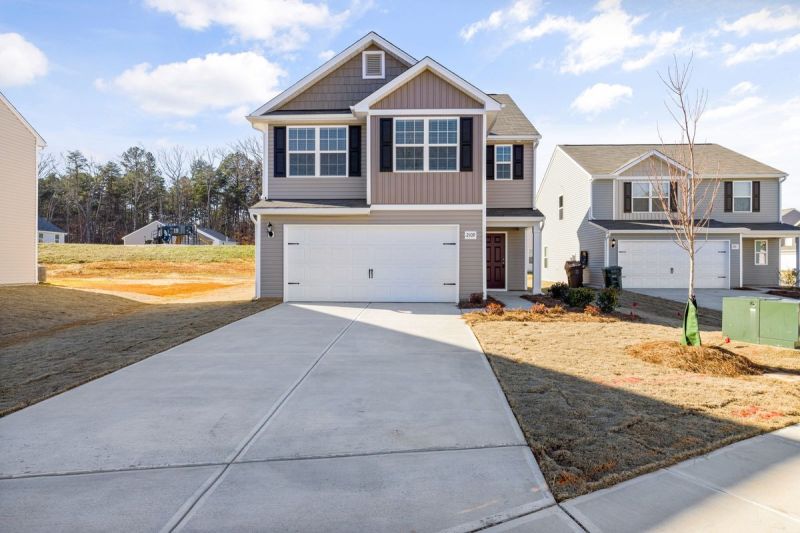
Tarmac runs £55 to £90 per square metre, so £1,600 to £3,400 for a typical drive. Gravel is £45 to £75, or £1,300 to £2,900. Block paving is £85 to £140, giving £2,600 to £5,400. Resin bound sits at £95 to £160, so £2,900 to £6,200. Pattern imprinted concrete is £90 to £145, or £2,700 to £5,600.
A double driveway of 55 to 75 square metres roughly doubles those figures: block paving lands £5,000 to £10,000 and resin bound £5,500 to £11,500.
The extras that move the number: removing an existing concrete or tarmac surface adds £15 to £30 per square metre for breaking out and disposal. A dropped kerb costs £900 to £2,000. Ground that needs deeper excavation or a geotextile and thicker sub-base adds £18 to £40 per square metre. Tradesmart Driveways and Landscaping surveys the ground before quoting rather than pricing from an area measurement, because that is where the surprises live.
Allestree: Slopes, Mature Trees and Deeper Excavation
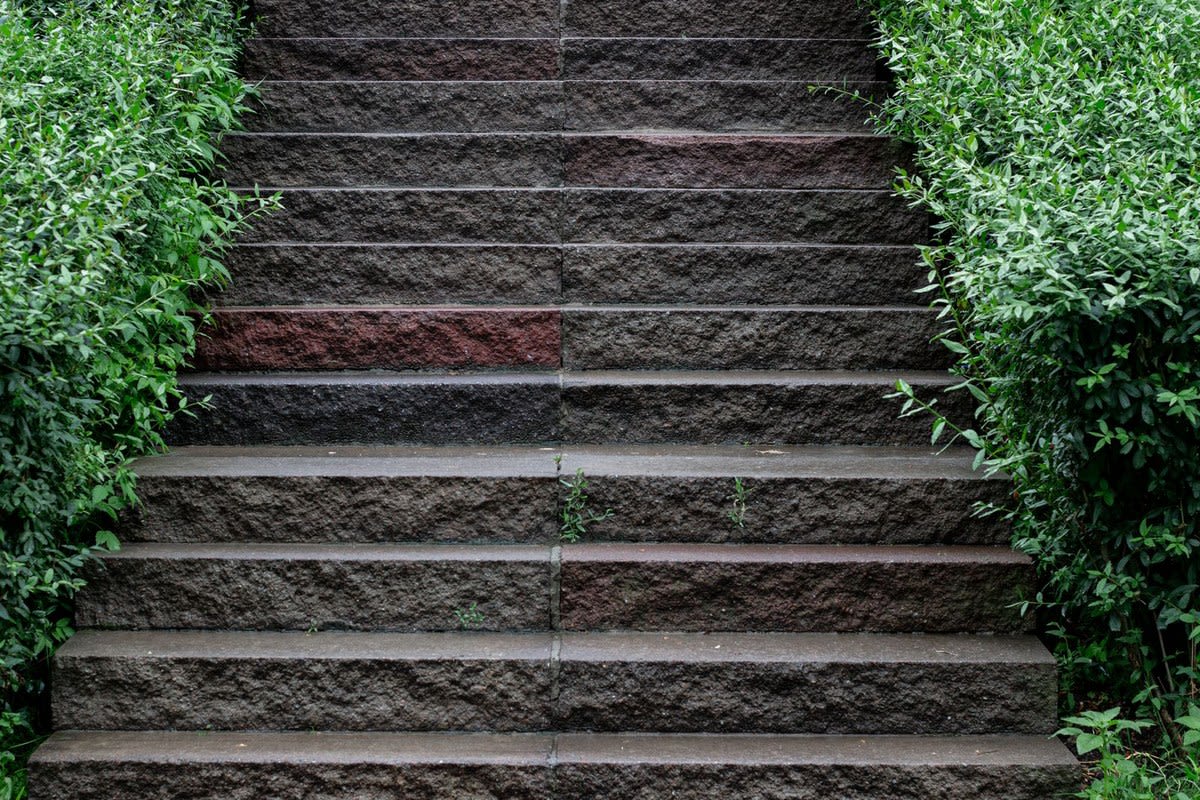
Allestree rises northwards towards Allestree Park and Kedleston, and a substantial number of driveways here sit on a gradient. That has three consequences.
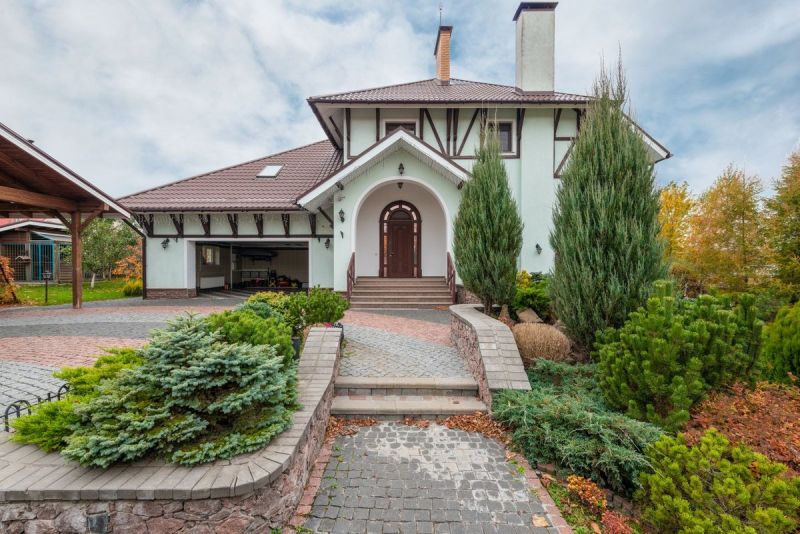
Drainage becomes a design problem rather than a detail. Water runs downhill towards the house on a sloping-in driveway, which is the arrangement on a good number of Allestree plots where the road sits above the property. That needs a channel drain across the threshold, typically £120 to £220 per linear metre installed, connected to a soakaway or surface water drain.
Surface choice narrows on a steep slope. Loose gravel migrates downhill and needs a stabilising grid on anything above about 1 in 12, adding £18 to £30 per square metre. Resin bound handles slopes well and stays put. Block paving is fine but needs strong edge restraint. Tarmac is fine below about 1 in 8 but can creep on steeper falls in hot weather.
The third factor is trees. Allestree has a lot of mature planting, and root systems under a driveway cause heave that will crack a rigid surface within a few years. Roots also mean you cannot simply excavate to depth without damaging the tree, and where a tree has a Tree Preservation Order - common in this part of Derby - cutting roots can be an offence. Check with Derby City Council before excavating near a mature tree.
Where Trees Are Present, Choose a Flexible Surface
Resin bound over a permeable sub-base or a flexible tarmac construction tolerates minor ground movement far better than pattern imprinted concrete, which cracks in a straight line and cannot be repaired invisibly. On a plot with mature trees, that difference is worth more than any aesthetic preference.
Mickleover: Wide Plots and Clay Ground
Mickleover's 1960s to 1980s estates were built with generous frontages by modern standards, and the driveways are correspondingly larger. Double and even triple parking is common, and the typical job here is bigger than in Littleover.
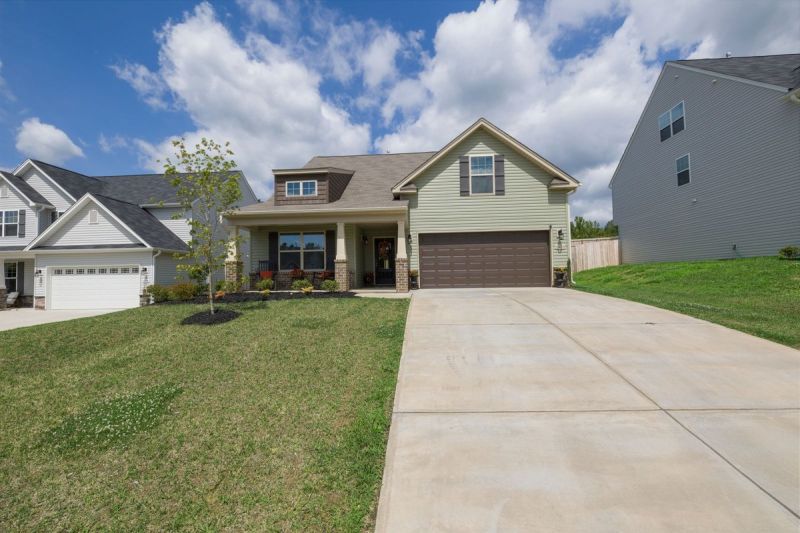
The ground is the local variable. Much of the area sits on Mercia Mudstone, which is a heavy clay that shrinks in summer and swells in winter. Clay does two things to a driveway. It moves seasonally, which stresses rigid surfaces. And it drains badly, which means water sits in the sub-base rather than passing through.
Both problems are solved in the construction rather than the surface. On clay, the sub-base needs to be deeper - typically 200 to 250mm of MOT Type 1 rather than the 150mm that suffices on free-draining ground - and a geotextile separation layer between subgrade and sub-base stops the clay pumping up into the stone. That adds £18 to £40 per square metre and it is the difference between a driveway that lasts 20 years and one that ruts in five.
A driveway installer who quotes a 100mm sub-base on Mickleover clay is quoting a failure. Ask the depth, in writing, and ask whether a geotextile is included.
Littleover: Narrow Frontages and Access Constraints
Littleover's older stock along Burton Road, Pastures Hill and the interwar streets has narrower plots and, frequently, a driveway that was originally sized for a 1930s car.
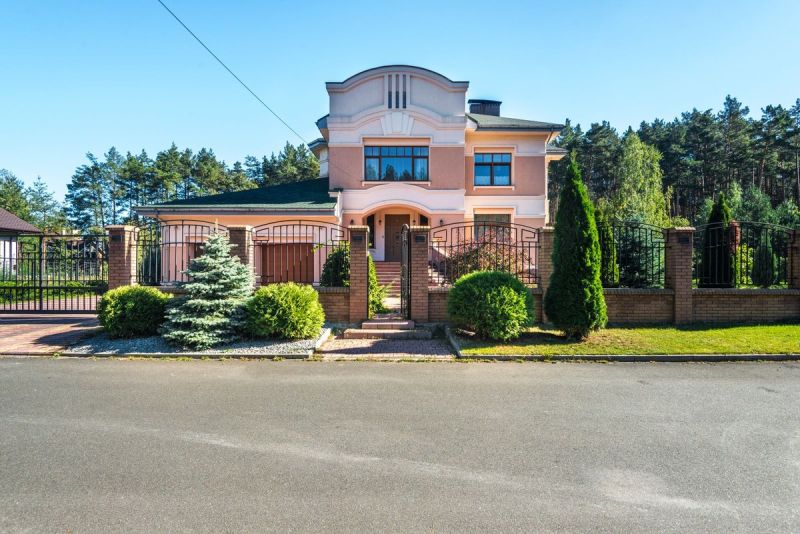
Two practical issues follow. Modern cars are wider and longer - a typical family SUV needs 2.5 metres of width and 5 metres of length to park comfortably, and many original Littleover drives offer 2.2 by 4.5. Widening usually means taking out a wall or a hedge and often means extending the dropped kerb.
Second, access for plant. A narrow frontage with a side gate and no rear access means excavated spoil comes out by barrow rather than by machine. On a 30 square metre driveway that is roughly 12 tonnes of material to move by hand, which adds a day of labour and £250 to £600 to the job. It is a legitimate cost, not a padding exercise, and a quote that has not accounted for it will be revised on the day.
Where widening the frontage is the plan, remember the front boundary. Reducing a wall to below one metre next to a highway is usually permitted development, but altering or removing a wall on a listed building or in a conservation area needs consent, and Littleover has a conservation area around the old village core.
Planning, Permeability and the Rule Most People Miss
Since 2008, laying more than five square metres of impermeable hard surface in a front garden needs planning permission unless the water drains to a permeable area within the property.
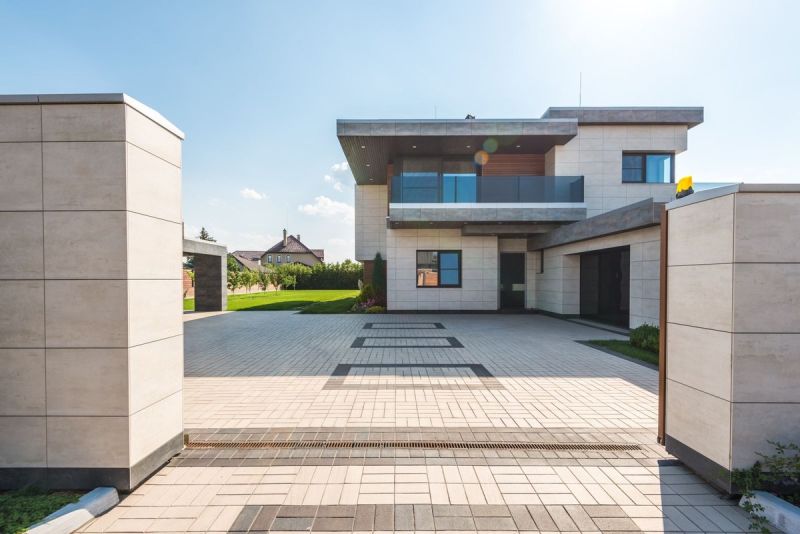
This catches out a lot of Derby homeowners. A solid concrete or standard tarmac drive that discharges straight onto the pavement is not permitted development. The three compliant routes are: use a permeable surface such as resin bound over an open-graded sub-base, or permeable block paving; direct the run-off to a soakaway within the property; or direct it to a lawn or border that can absorb it.
The rules are set out clearly on the Planning Portal's guidance on paving front gardens. On Mickleover's clay this matters practically as well as legally - a soakaway in clay soil needs to be considerably larger than one in sand or gravel, and on badly draining ground it may not work at all, which pushes you towards a permeable surface or a connection to a surface water drain.
A dropped kerb is a separate permission again, applied for through the council's highways team, costing £900 to £2,000 including the works.
Which Surface Suits Which Area
Pulling it together into a recommendation rather than a list of options.
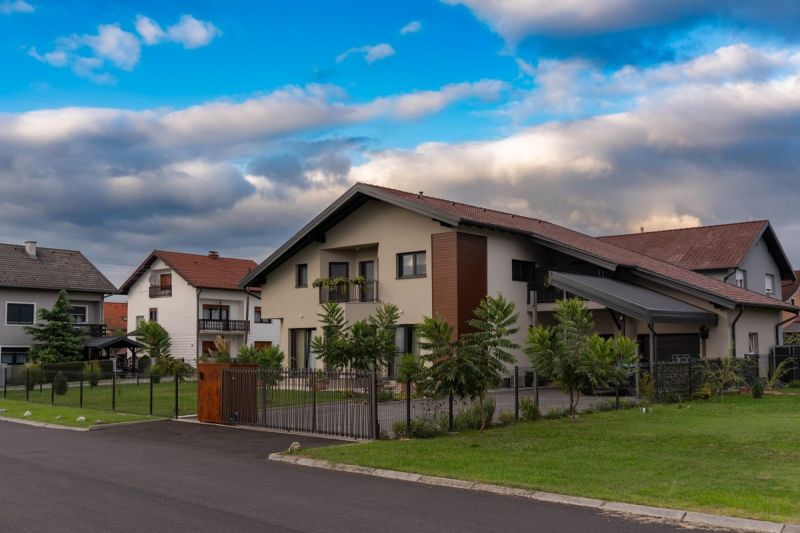
For Allestree slopes with mature trees, resin bound over a permeable sub-base is usually the strongest answer: it handles gradient, tolerates minor ground movement, and is permeable so it sidesteps the planning issue. Cost £2,900 to £6,200 for a single drive.
For Mickleover's larger clay-ground plots, permeable block paving or tarmac over a properly deep sub-base with geotextile. Block paving is repairable in sections, which matters on a large area where a single settlement patch would otherwise mean relaying the lot. Cost £2,600 to £5,400 single, £5,000 to £10,000 double.
For Littleover's narrow frontages, tarmac or resin bound, both of which lay well in small awkward areas without the cutting waste that block paving generates on a narrow plot. Cost £1,600 to £3,400 for tarmac.
Gravel remains the cheapest option anywhere at £1,300 to £2,900, and it is fully permeable, but it needs edging and topping up every three to five years and it is a poor choice on a slope without a stabilising grid.
Getting a Quote That Holds
Ask every contractor to state in writing: the excavation depth, the sub-base material and its compacted depth, whether a geotextile membrane is included, the edge restraint detail, how surface water will be managed and whether that satisfies permitted development, who removes the spoil and whether disposal is priced, and the guarantee length.
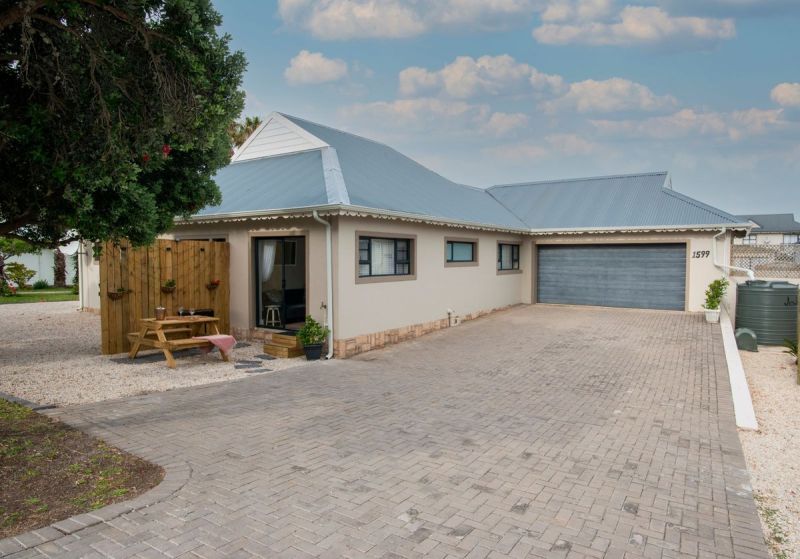
Then ask two questions that separate a surveyed quote from a guess: what did you find when you dug a trial hole, and what depth of sub-base are you allowing for that ground? A contractor who has not dug anything is estimating.
Check public liability of at least £2 million and ask for the certificate. Membership of a body such as the Federation of Master Builders or TrustMark adds a vetted layer, and TrustMark registration in particular requires financial protection on the work. We cover the seasonal care side in our guide to winter driveway care in Derby, which matters more on clay ground than most people expect.
Frequently Asked Questions
How much does a new driveway cost in Allestree, Mickleover or Littleover?
On a single-car drive of 25 to 40 square metres: tarmac £1,600 to £3,400, gravel £1,300 to £2,900, block paving £2,600 to £5,400, resin bound £2,900 to £6,200. A double driveway roughly doubles those figures. Removing an existing surface adds £15 to £30 per square metre and a dropped kerb £900 to £2,000.
Do I need planning permission for a driveway in Derby?
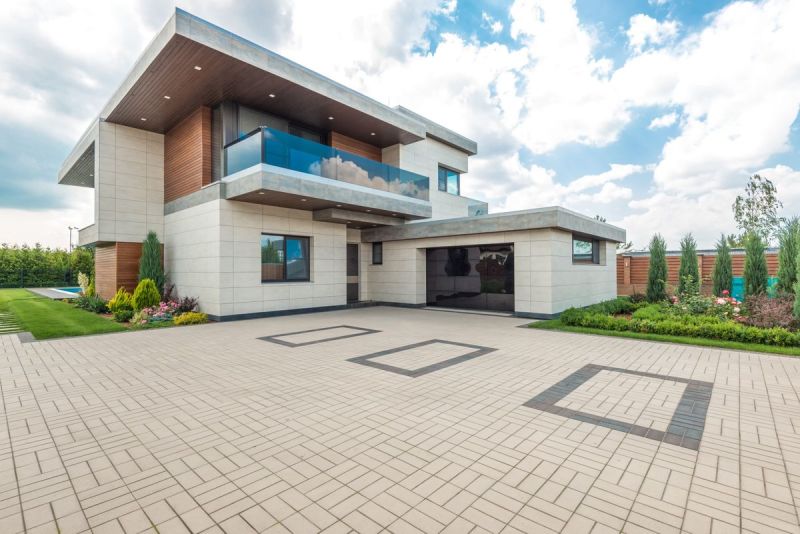
You do if you are laying more than five square metres of impermeable surface in a front garden that drains onto the highway. You do not if the surface is permeable, or if run-off is directed to a soakaway or a lawn within your own property. A dropped kerb is a separate permission applied for through the council's highways team.
Why does a Mickleover driveway need a deeper sub-base?
Much of Mickleover sits on Mercia Mudstone clay, which shrinks in summer, swells in winter and drains poorly. On clay the sub-base needs 200 to 250mm of compacted MOT Type 1 rather than 150mm, with a geotextile membrane stopping the clay pumping into the stone. That adds £18 to £40 per square metre and prevents rutting within a few years.
Which driveway surface is best for a sloping Allestree plot?
Resin bound over a permeable sub-base usually suits best. It stays put on a gradient, tolerates the minor ground movement caused by mature tree roots, and is permeable so it avoids the planning requirement. Loose gravel migrates downhill above about 1 in 12 unless a stabilising grid is used, and pattern imprinted concrete cracks where roots cause heave.
Ready to work with Trade Smart Driveways & Landscaping?
Let's connect! We’re here to help.
Send us a message and we’ll be in touch.
Or give us a call today at 111-222-3333
Agency Contact Form
More Marketing Tips, Tricks & Tools