New Build Driveway Upgrade in Derby: Covenants, Shared Drives and 2026 Costs
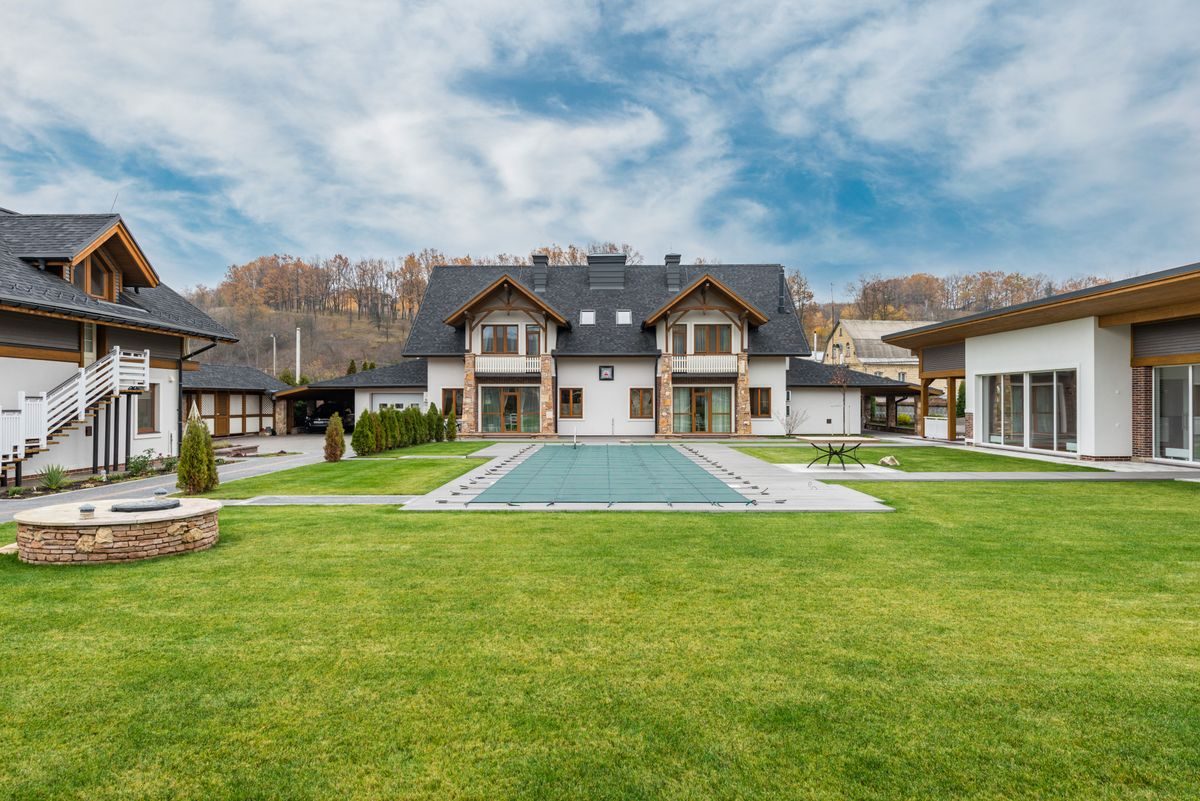
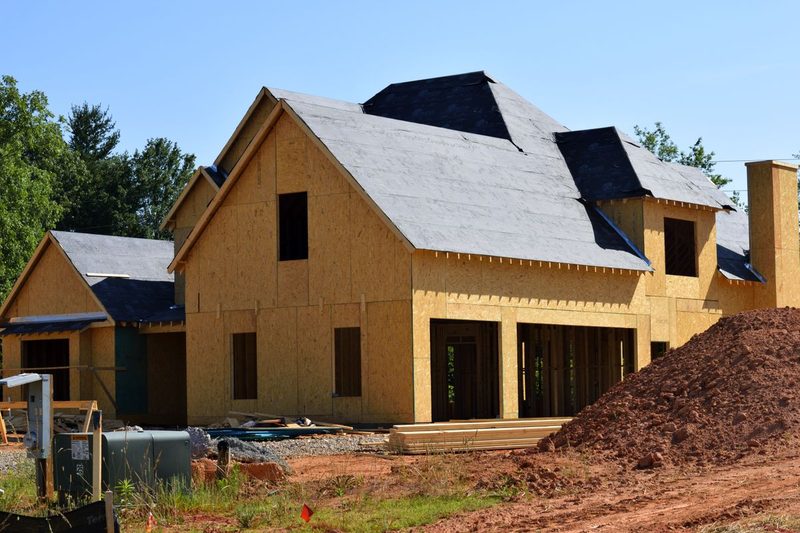
A new build driveway upgrade in Derby is one of the most common jobs we get asked about, and the reason is usually the same: the drive the developer laid looked fine on handover day, then started to dip, crack or hold puddles somewhere between year two and year five. Derby has added thousands of new homes over the last decade, with big estates going up around Mickleover, Chellaston and Boulton Moor, and most of them came with the cheapest surface that would pass a final inspection. That often means 40-50mm of tarmac or a basic grey block on a thin sub-base, laid over ground that was dug, backfilled and driven over by site plant for months. Add Derby's clay soils and roughly 700mm of rain a year (below the UK average of about 1,160mm, but spread over a lot of damp days), and weak spots show up fast. Below: why they fail, the paperwork to check, and 2026 upgrade costs.
Why New Build Driveways in Derby Sink, Crack and Puddle
Most developer drives aren't badly laid. They're minimally laid. On a typical estate the drive gets 100-150mm of sub-base where a contractor laying a standalone driveway would put down 150-200mm, and the tarmac on top is often a single 40-50mm layer rather than a binder course plus a surface course.
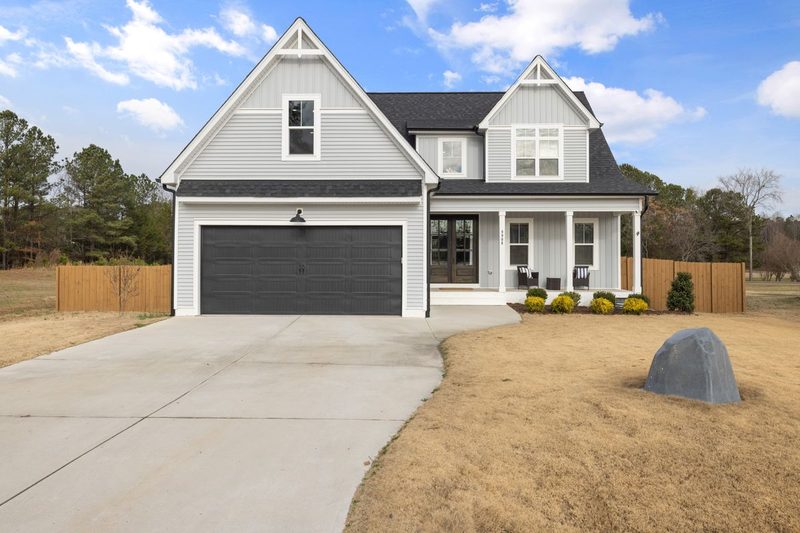
The ground underneath is the real problem, though. Around the front of a new house you've usually got backfilled foundation trenches, service trenches for water, gas and electric, and soil that was compacted by diggers rather than properly built up in layers. Derby sits largely on Mercia Mudstone clays, which swell when wet and shrink in dry summers, so any loose fill settles unevenly. We regularly see dips of 20-40mm along the line of a service trench within three or four years, and that's exactly where water collects. If you're not sure whether your drive is just tired or actually failing, Tradesmart Driveways & Landscaping can take a look and tell you which one you're dealing with.
The warning signs to look for
- Puddles that sit for more than an hour after rain, usually at the garage end or by the front step
- Ruts or dips in the tyre tracks, often 10-30mm deep
- Block paving with gaps opening up at the edges, or blocks rocking when you stand on them
- Cracks running in a straight line, which usually follow a trench below
Check Your Deeds for Restrictive Covenants Before a New Build Driveway Upgrade
Before you book anything, get your title register and title plan. They cost £7 each from the HM Land Registry property information search, and they'll show any restrictive covenants attached to your home. On new estates these are common, and a fair few deal with the front of the property: no changes to front gardens without the developer's consent, no fencing forward of the building line, keeping the open-plan look, or using surfaces that "match" the rest of the estate.

Developers usually keep the right to approve changes for a set period, often 5-10 years or until the last plot is sold. After that, approval can pass to a management company, and some charge a fee of £50-£150 to review a request. In our experience, a straight like-for-like replacement or a modest upgrade to resin or better block is almost always approved, but you want that in writing before the old surface comes up.
Open-plan frontages and removed permitted development
Separate from covenants, the planning permission for your estate may have conditions that remove some permitted development rights. Normally you can lay a new driveway without planning permission as long as it's permeable or drains into your own garden. On some estates the council has taken away those rights for the frontages to keep the street looking uniform, which means even a simple resurface might need an application. A householder application in England currently costs £528 and takes around 8 weeks, which is a lot of hassle for a resurface, so it's worth checking early. Some estates on the edge of the city fall under South Derbyshire District Council rather than Derby City Council, so check which one granted the permission.
Shared and Unadopted Private Drives on Derby Estates
A lot of new estates squeeze extra homes in by putting 3-5 houses on a short private drive off the main road. These drives aren't adopted by the council, so nobody from the highways department will fix them. Responsibility sits either with the homeowners jointly or with a management company, and your deeds should say which.
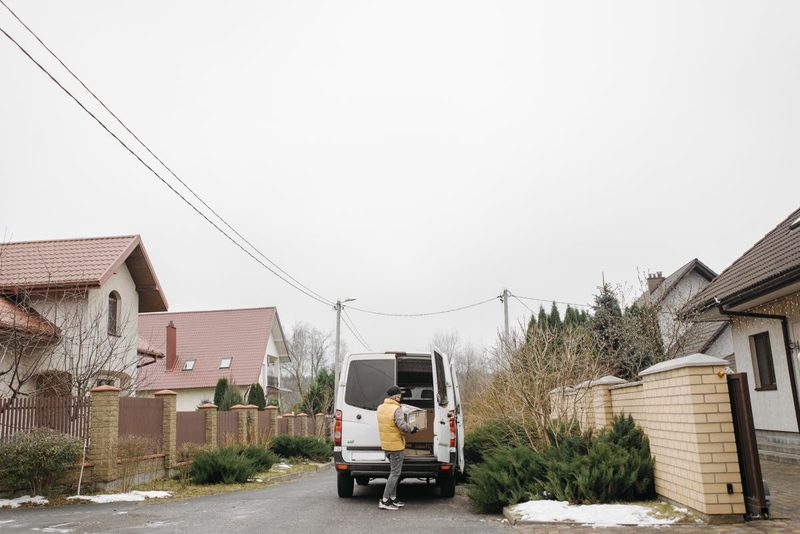
If your house sits on one, you can't just resurface the whole shared section on your own. You'll usually need the agreement of the other owners, and the deeds may set out how costs are split, often equally or by the number of homes. Where a management company owns it, they'll organise any upgrade and recover the cost through the service charge, often already £150-£400 a year on Derby estates. Splitting one quote between neighbours is usually cheapest: a full tarmac relay on a 60-80m2 shared drive runs at roughly £4,500-£7,000 in 2026. Your own parking bay off that shared drive is a different matter and is usually yours to upgrade, as long as you keep the levels and drainage tying in with the shared part.
The 5m2 Rule and Permeable Driveways on New Build Plots
Since 2008, if you're laying more than 5m2 of hard surface in a front garden in England, it has to be permeable or drain to a lawn, border or soakaway within your boundary. The government's guidance on permeable surfacing of front gardens explains what counts. Water can't just be run off onto the road or into the street drain without planning permission.
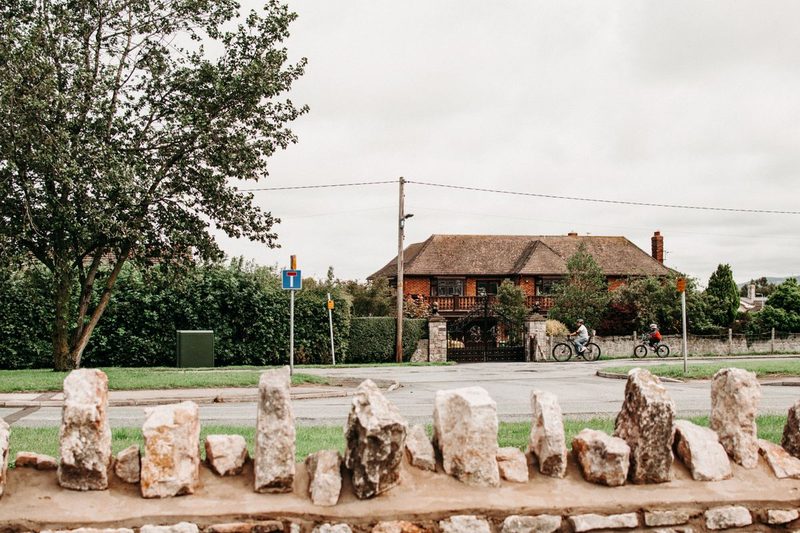
Plenty of developer drives were laid with impermeable tarmac and a slight fall towards the road, which was covered by the original estate planning consent. When you replace it, though, the new surface has to comply with today's rules. Resin bound, permeable block paving and gravel with a grid all pass. Standard tarmac or close-jointed block can still work if you add a channel drain to a soakaway or a planted strip, which typically adds £400-£1,200 to the job.
What to Check Under the Surface Before You Choose an Upgrade
Don't pick the finish first. What's underneath decides whether you can overlay or need to dig out, so we'd always recommend a trial hole of around 300mm by 300mm before agreeing a price. That tells you how deep the sub-base is, whether it's proper Type 1 crushed stone or a mix of site rubble and soil, and whether there's a membrane. On Derby estates we often find 75-100mm of mixed hardcore over clay, sometimes with bits of brick, plastic and timber in it from the build. You should also check:
- Where the service runs go, so nobody digs through a gas or water pipe
- Any inspection chambers or manhole covers, which need raising or lowering to the new level
- The damp proof course on the house, which should stay at least 150mm above the finished drive
- The fall, which should be about 1 in 60 to 1 in 80 away from the house
Resin over the existing drive
If the developer's tarmac is sound, flat and well bonded, a resin overlay can be a good-value way to upgrade. We've written about exactly when overlaying concrete or tarmac with resin works and when it fails, and on new builds the honest answer is that it's maybe half and half. If your drive already has dips or tyre ruts, resin will just copy them, and the cracks will come back through within a couple of winters.
Upgrade Options for New Build Driveways in Derby: Resin, Block Paving and Widening
Once you know what's underneath, the choice usually makes itself. Most new build owners in Derby end up on one of these four routes.

Resin overlay on sound tarmac
This is the cheapest way to get a better-looking drive. You keep the existing base and lay 15-18mm of resin bound aggregate on top. Only suitable where the base is level and firm.
Full dig-out and new surface
The right call for most sunken or puddling drives. The old surface and weak sub-base come out, and new Type 1 goes in at 150-200mm, compacted in layers, before the new surface. It costs more. But it fixes the cause instead of hiding it, and a drive built this way should last 20-25 years.
Block paving with proper edging
New build block drives often fail at the edges because the edging kerbs were set on very little concrete. Relaying with concreted-in edge restraints and a deeper base sorts that out, and you can usually reuse 60-80% of the existing blocks if they're in good condition, which saves money.
Widening for a second car
Lots of new builds come with a single-width drive of around 2.4-3m, which is tight with a modern car and doors open. Widening to 4.8-5.5m for two cars side by side is a popular upgrade. Bear in mind the covenant point above, and if you need a longer dropped kerb you'll have to apply to Derby City Council, which adds its own fees and lead time.
New Build Driveway Upgrade Costs in Derby for 2026
These are typical Derby prices for a 35-45m2 drive, about right for a new build with two tandem spaces.
- Resin overlay on existing tarmac: £55-£80 per m2, roughly £1,900-£3,600 in total
- Dig-out and new resin bound driveway: £95-£135 per m2, roughly £3,300-£6,000
- Dig-out and new block paving: £90-£130 per m2, roughly £3,200-£5,800
- Dig-out and relay tarmac (two layers): £65-£95 per m2, roughly £2,300-£4,300
- Widening by a 2.5m strip, 10m long: £2,000-£4,000 depending on the surface
- Channel drain and soakaway, if needed: £400-£1,200
Skip hire and muck-away are a noticeable chunk on dig-outs. A 40m2 drive at 250mm depth produces around 18-20 tonnes of spoil, so expect £600-£1,000 of disposal costs to be built into the quote.
Derby has a fair number of driveway contractors, but the good ones are often booked 4-8 weeks ahead from spring to early autumn. March to May or September to October usually gives you decent laying weather and a shorter wait.
Before You Start: New Home Warranties and Snagging
If your home is under two years old, check what the developer is still responsible for before paying for anything yourself. Most new homes in England come with a 10-year warranty, and the NHBC homeowner guidance explains how the first two years work. During that period the builder generally has to put right defects that don't meet the standards, and a sinking or ponding drive can fall into that. Once you've dug it out and replaced it, you lose the chance to make that claim, so report it first and take dated photos.
From year three onwards, driveways are usually outside the structural cover, so the cost of any upgrade falls to you. That's where it pays to get the groundwork right the first time.
Frequently Asked Questions About New Build Driveway Upgrades in Derby
How much does a new build driveway upgrade cost in Derby?
In 2026, a resin overlay on sound existing tarmac usually costs £55-£80 per m2, while a full dig-out with a new resin, block or tarmac surface costs £65-£135 per m2. For a typical 35-45m2 new build drive that's roughly £1,900 at the bottom end up to around £6,000 for a fully rebuilt resin drive.
Do I need permission to change my new build driveway?
Possibly. Check your title register for restrictive covenants that need developer or management company approval, and check the estate's planning permission for conditions removing permitted development rights. If more than 5m2 of the new surface is in the front garden, it must be permeable or drain to a permeable area within your boundary.
Can I resurface a shared private drive on my own?
Usually not. Shared drives on new estates are either jointly owned by the homes that use them or owned by a management company, and your deeds will say which. You'll normally need agreement from the other owners or the management company, though your own parking bay off the shared section is often yours to upgrade.
Ready to work with Trade Smart Driveways & Landscaping?
Let's connect! We’re here to help.
Send us a message and we’ll be in touch.
Or give us a call today at 111-222-3333
Agency Contact Form
More Marketing Tips, Tricks & Tools
Resin Over an Existing Driveway in Derby: When Overlaying Concrete or Tarmac Works and When It Fails