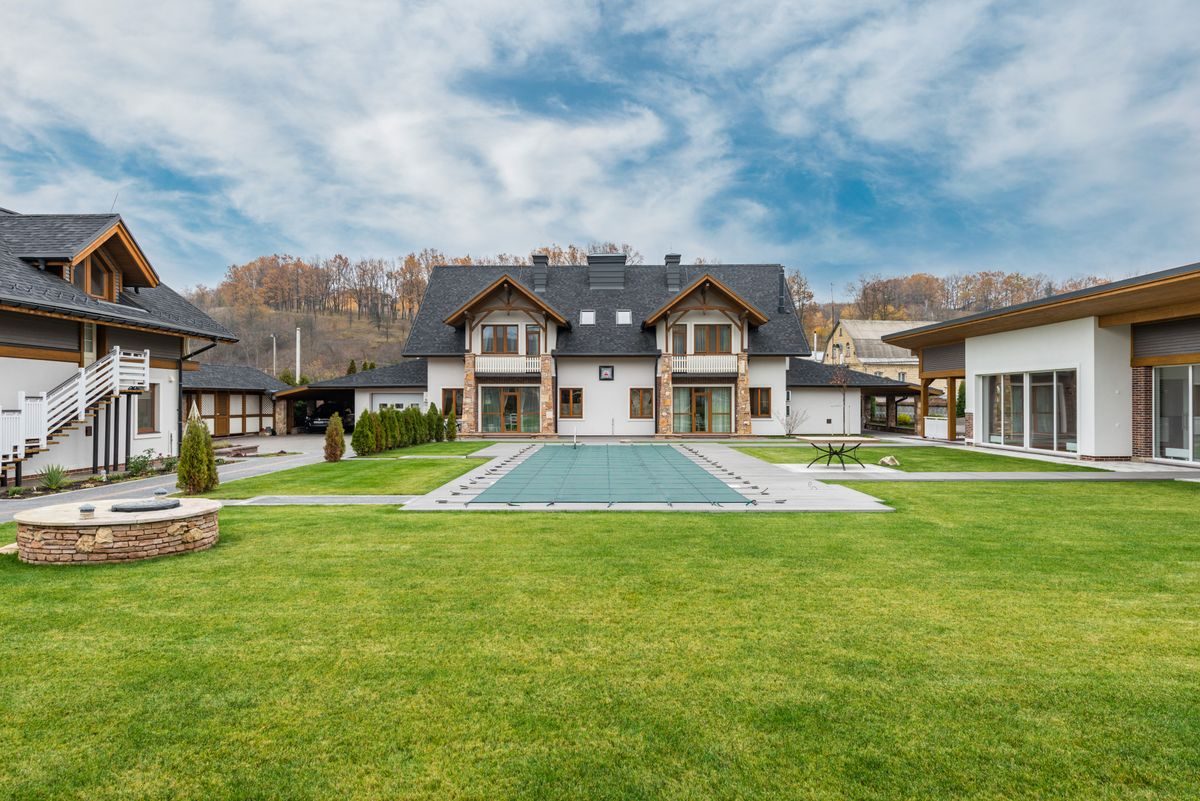
Setts and Cobble Driveways in Derby: Granite, Gritstone, Reclaimed Stone and 2026 Prices
A setts driveway in Derby is the one surface that can outlive the house's next three owners. Granite setts laid properly last 50 years or more, and plenty of old British streets have had the same stones in them for over a century. They also cost more than almost anything else you can put down: expect roughly £150-£300 per m² laid in 2026, against about £80-£130 for block paving. Derby gets around 700mm of rain a year, well below the UK average of roughly 1,160mm, but it still sees something like 40-50 air frosts most winters, and those freeze-thaw cycles are what find the weak joints in a stone driveway. Derby also has a lot of Victorian and Edwardian housing, plus more than a dozen conservation areas, which is exactly the kind of setting where natural stone looks right and concrete can look out of place. This guide covers the stone types, where it comes from, how it's laid and what it really costs, so you can decide whether it's worth it for your home.
Setts Driveway in Derby: What You're Actually Buying
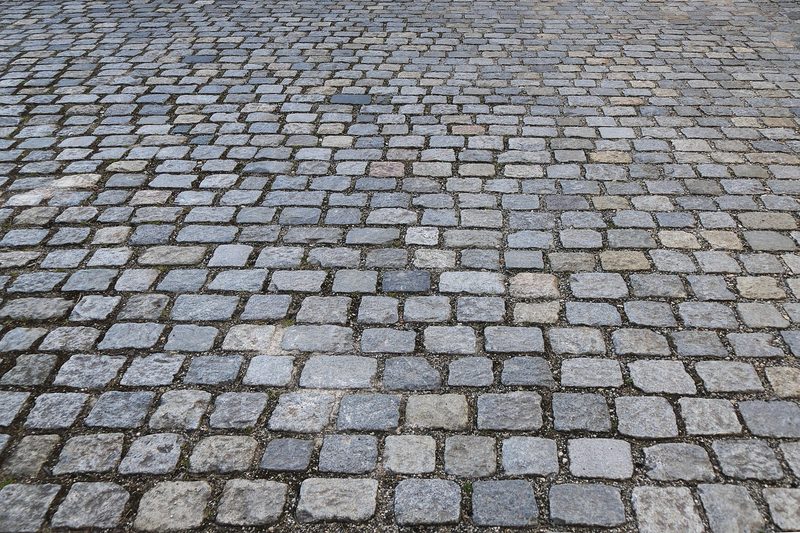
First, a bit of naming. Most people say "cobbles", but what goes on a modern driveway is almost always setts. Cobbles are rounded stones, originally taken from riverbeds and beaches, and they're rough to walk on and hard to drive over. Setts are cut, roughly rectangular blocks of natural stone, usually 100mm x 100mm or 200mm x 100mm on the face and 50-100mm deep. For a driveway that takes cars you want the deeper end, 80-100mm, because a 50mm sett is really a patio product.
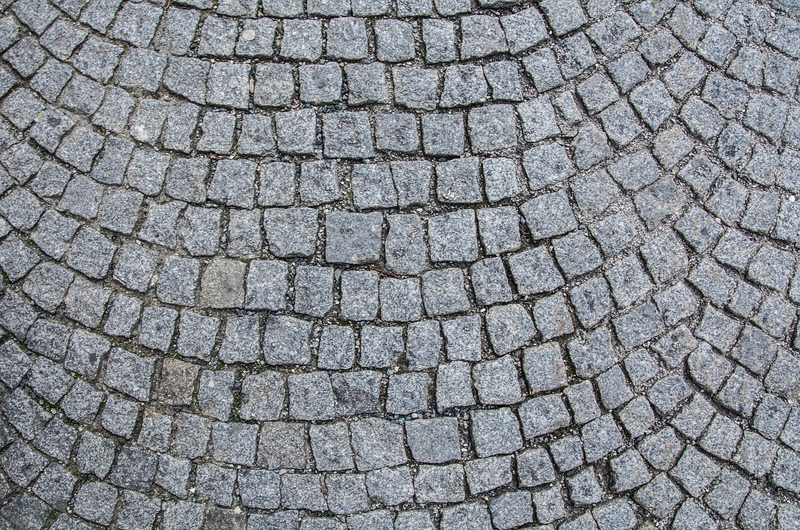
The finish varies a lot. Traditional setts are split, so the top face is rough and slightly domed, which gives you that old-street look and good grip. Sawn or flamed setts have a flatter top and sit closer to block paving in feel. Tumbled setts are rolled in a drum to knock the edges off, so new stone looks a few decades old from day one.
We lay natural stone, block paving, resin and tarmac across Derby, so we're not pushing one surface over another. If you'd like someone to look at your drive and tell you honestly whether setts suit it, Tradesmart Driveways & Landscaping can come out and measure up.
Choosing the Stone for a Setts Driveway in Derby
Three stones cover nearly every sett driveway in the UK. They behave differently, and the right one depends on the look you want and how much traffic the drive takes.
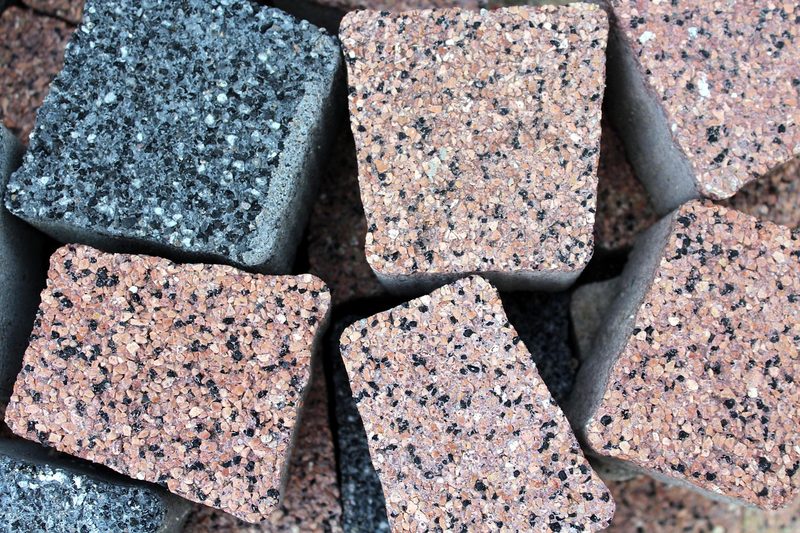
Granite
Granite is the workhorse. It's very hard, takes heavy vehicles without complaint and barely wears. Most granite setts sold in Britain now are imported, mainly from China, India and Portugal, and colours run from silver-grey to charcoal, pink and yellowish. If you want the longest life and the lowest maintenance, granite is the one, and well-laid granite setts can easily go past 50 years.
Sandstone and gritstone
Sandstone is softer and warmer in colour, usually buffs, browns and greys. Gritstone is a coarse, tough type of sandstone, and it's the stone the Peak District is built from. Walk round older parts of Derbyshire and you'll see it in walls, gateposts, troughs and old yards. A gritstone sett drive on a Derby period house ties in with that local character in a way imported granite sometimes doesn't.
The trade-off is wear. Sandstone setts are more porous than granite, so they pick up moss and algae faster in shaded spots, and a soft batch can wear or flake over time. Good, dense gritstone holds up well on a domestic drive. Cheap, soft sandstone doesn't, and that's one reason to ask where the stone came from and how it's been tested.
Reclaimed vs new setts
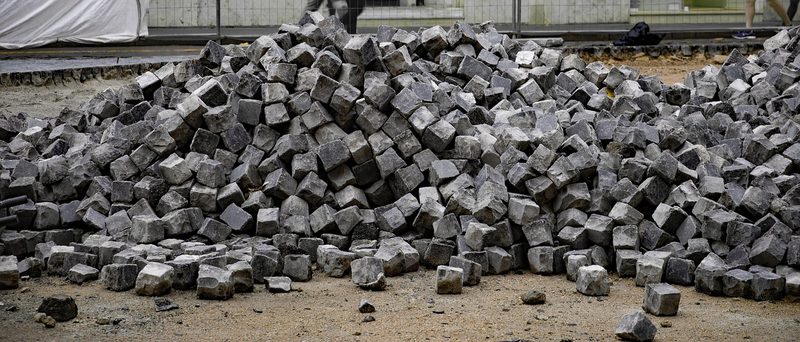
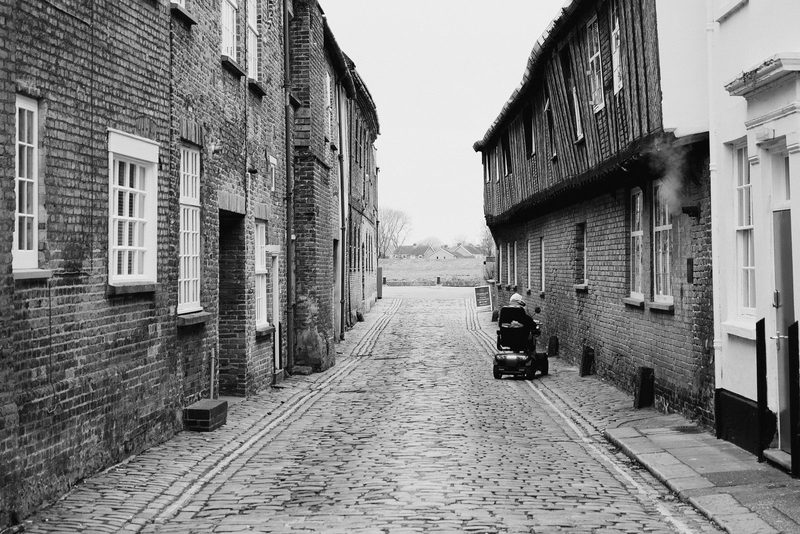
Reclaimed setts come out of old streets, mill yards and railway goods yards when they're dug up or resurfaced. Most are granite, and they've already had 80-150 years of weathering, so they have a worn, rounded top and a colour that new stone simply doesn't have. On a Victorian terrace or in a conservation area they're often the best-looking option you can buy.
They aren't cheap, though. Reclaimed setts often cost £70-£140 per m² for the stone alone, against roughly £35-£80 for new imported granite. They also vary in depth by 10-20mm from stone to stone, so they take longer to lay because each one needs bedding to the right height. Budget for maybe 20-30% more labour time than new, sawn-base setts.
New setts are more consistent and quicker to lay, and you know what you're getting. If you like the aged look but not the price, tumbled new setts are a decent halfway house.
Where the Stone Comes From and Why You Should Ask
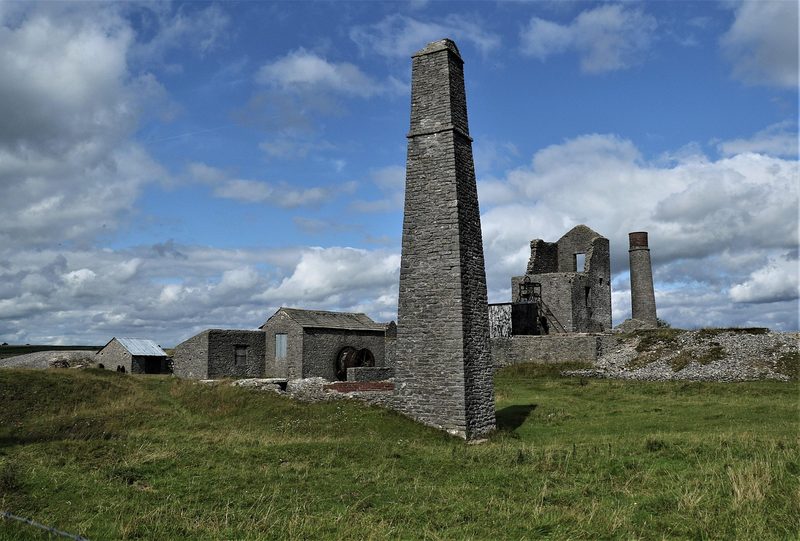
This part is easy to skip, so please don't. A large share of the natural stone sold in the UK comes from quarries in India and China, and there have been well-documented problems in parts of that supply chain, including child labour and unsafe working conditions in some sandstone quarries. Cheap stone is sometimes cheap for a reason.
You don't have to become an expert. Just ask whoever's quoting a few direct questions:
1. Which country, and ideally which region or quarry, is this stone from? 2. Can you show me evidence it's ethically sourced, such as independent audit reports or supply chain documentation from the importer? 3. Has the stone been tested for strength and water absorption for driveway use?
Larger UK importers with a turnover of £36 million or more have to publish a modern slavery statement each year under the Modern Slavery Act 2015, and you can look them up yourself on the government's modern slavery statement registry. If a quote can't tell you more than "it's granite", that tells you something.
UK stone, including Derbyshire gritstone, costs more, often £90-£160 per m² for the material. It also travels far fewer miles and you can usually trace it to the quarry. For a 40m² drive that might add £2,000-£3,500 compared with imported granite, which some homeowners are happy to pay and others aren't. Either choice is fine as long as you've asked the question.
How Setts Are Laid: Bound or Unbound
The laying method matters as much as the stone. Both methods start the same way: dig out to around 250-350mm, then put in a compacted sub-base of crushed stone, usually 150-200mm deep for a car drive. Derby sits on a lot of clay, which swells when wet and shrinks in dry summers, so skimping on that sub-base is the quickest way to get a sett drive that dips and rocks within five years.
Bound: mortar bed and mortar joints
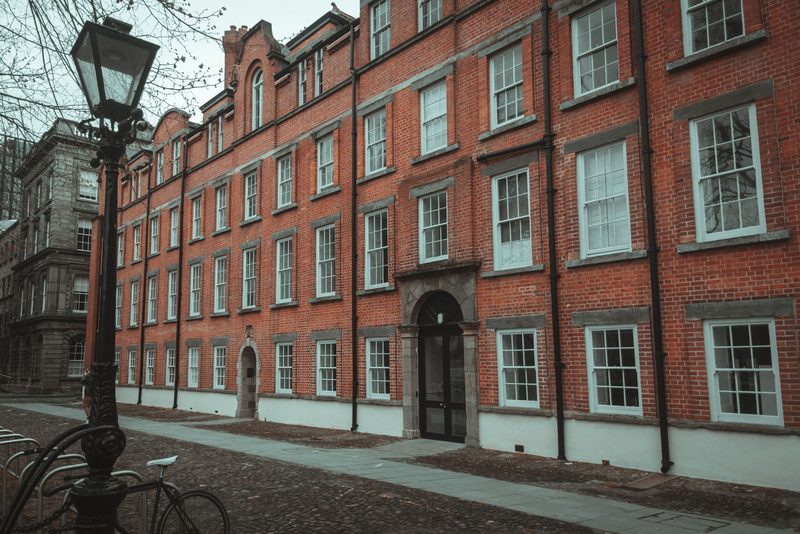
In a bound drive, each sett is bedded on 30-50mm of mortar and the joints, usually 8-15mm wide, are filled with a mortar or a specialist jointing compound. The result is solid, weed-free and very strong. It's the standard choice for a driveway that takes daily car traffic, and it's how most period-style sett drives in Derby are done now.
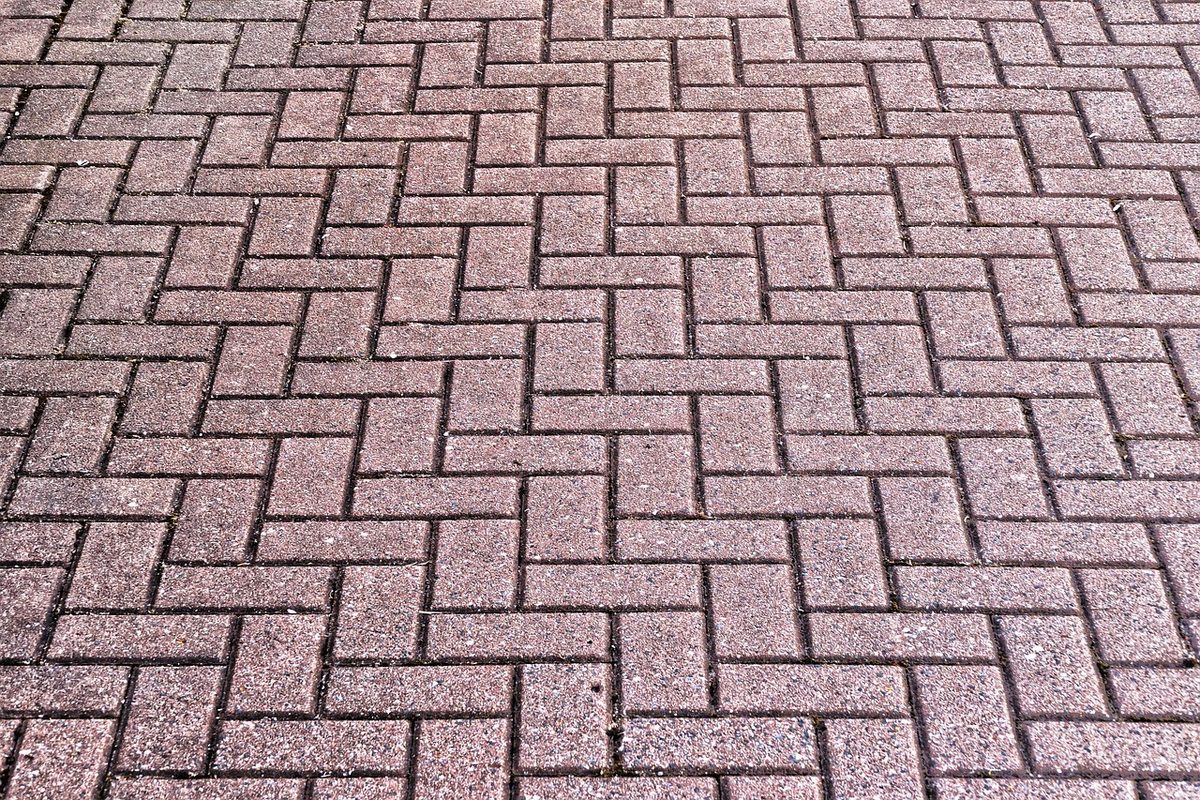
The catch is that it's rigid. If the mortar mix is wrong or it's laid too late in the year, Derby's frosts can crack the joints over the first couple of winters. Bound work wants temperatures above about 5°C for curing, so March-April through October is the sensible window. We've covered how surface choice and pattern affect a drive's look in more detail in our guide to block paving patterns in Derby for herringbone, basketweave and stretcher bond, and many of the same laying patterns, especially stretcher and fan, work with setts too.
Unbound: grit bed and grit joints
Unbound setts sit on a bed of sharp grit or sand, with grit brushed into the joints, a bit like block paving. It's cheaper by maybe 15-25%, quicker to lay and easier to lift and repair. Water drains through the joints, which helps with the planning rules below.
The downside is weeds and movement. Open grit joints will collect seeds, and on a busy drive the setts can shift under turning tyres. Unbound works best on paths, lightly used drives and decorative areas rather than a drive where two cars spin round every morning.
Drainage and the 5m² Front Garden Rule
If you're paving a front garden of more than 5m² with a surface that water can't soak through, you'll normally need planning permission, unless the water runs off to a lawn, border or soakaway within your own property. That's set out in the government's guidance on permeable surfacing of front gardens.
A bound sett drive with mortar joints counts as impermeable. So the design has to send water somewhere: a fall of around 1:60-1:80 towards a planted border, a channel drain into a soakaway, or a permeable strip along one edge. Unbound setts with open grit joints over a permeable sub-base can count as permeable in themselves. Derby's lower-than-average rainfall helps, but clay soil drains slowly, so a soakaway here often needs to be bigger than it would on sand or gravel, and it's worth a percolation test before you commit.
Why Setts Suit Derby's Conservation Areas and Period Homes
Derby City Council has more than a dozen conservation areas, and in some, Article 4 directions remove the normal permitted development rights for things like front-garden hard surfacing. You can check whether your street is in one on the council's conservation areas page. Planning officers in these areas tend to look much more kindly on natural stone than on bright concrete block or coloured resin, because stone matches the original streets and walls.
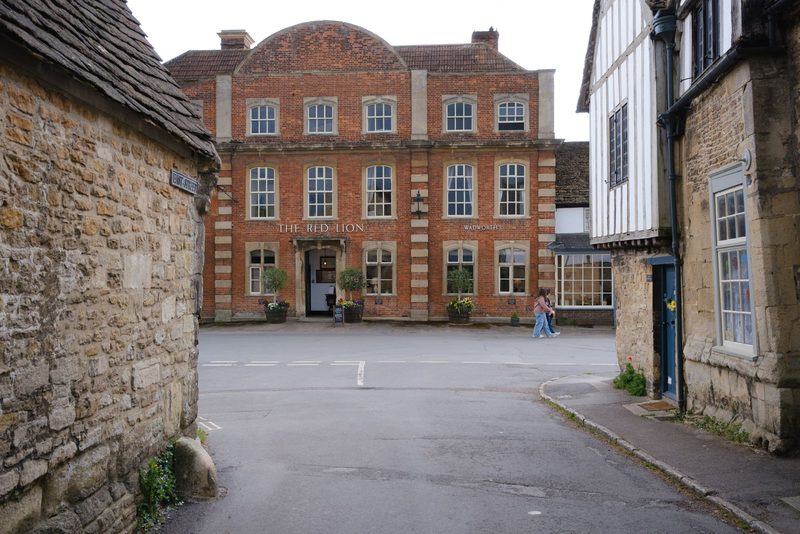
Even outside a conservation area, setts suit Derby's older housing stock. A Victorian terrace with a stone sill and bay, or a 1920s-30s semi with a brick front wall, looks right with grey granite or buff gritstone in a way that's hard to copy. A well-kept stone drive is one of the first things buyers notice on a period house, though no one can honestly promise you a set figure on value.
Pros and Cons of a Sett or Cobble Driveway
Here's the honest list.
The pros:
- Lifespan of 50+ years for granite laid on a good sub-base, often longer
- Individual stones can be lifted and re-laid after a utility dig or a sunken patch
- Good grip in wet and icy weather on split or flamed finishes
- Looks right on period and conservation-area homes, and ages well instead of fading
The cons:
- Cost: often double block paving per m²
- Uneven surface, especially reclaimed or split setts, which isn't ideal for wheelchairs, buggies or heels
- Noise: tyres rumble on a riven sett drive, which some people love and some don't
- Weeds in unbound joints, and moss on sandstone in shade
- Slower to lay, typically 1.5-2 times as long as block paving for the same area
Setts as borders and aprons
If a full sett drive is over budget, you can still get much of the look. A double or triple row of granite setts as a border around resin or block paving costs roughly £60-£110 per linear metre laid. A sett apron at the entrance, the first 1-2 metres from the pavement, gives the drive a strong, traditional frontage and handles the heaviest wear where cars turn in. On a typical 40m² Derby drive, a resin centre with a sett border and apron can come in 30-40% cheaper than all-setts while looking nearly as good from the road.
What a Setts Driveway Costs in Derby in 2026
Prices depend on stone, method, access and how much digging and drainage is needed. As a rough guide for laid prices in Derby:
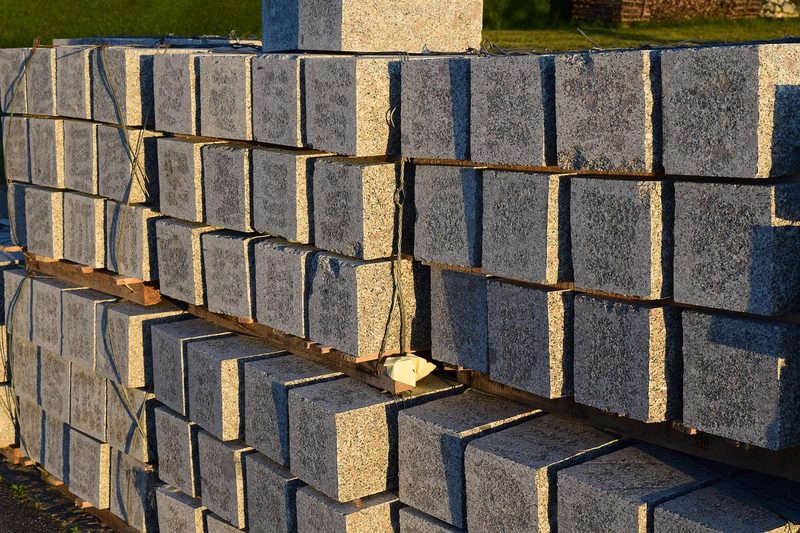
- New imported granite setts, bound: £150-£220 per m²
- Reclaimed granite setts, bound: £200-£300 per m²
- UK sandstone or gritstone setts, bound: £180-£280 per m²
- Unbound setts on grit (any stone): £120-£190 per m²
- Sett borders around another surface: £60-£110 per linear metre
- Soakaway or channel drain to meet the 5m² rule: £500-£1,800 extra
So a 40m² drive in new granite might come to £6,000-£9,000, and the same drive in reclaimed setts £8,000-£12,000. There aren't many installers in the Derby area who lay natural stone setts regularly, because most driveway firms focus on block and resin, so good sett layers often book up 6-10 weeks ahead in spring and summer. Get at least two or three itemised quotes and check each one spells out the stone, sett depth, bed and joint type, sub-base depth and drainage.
Frequently Asked Questions About Setts Driveways in Derby
How long does a setts driveway last?
Granite setts on a properly built sub-base usually last 50 years or more, and reclaimed setts have often already done a century in a street. The mortar joints on a bound drive may need patching every 10-15 years, which is far cheaper than replacing the drive.
Are cobbles and setts the same thing?
Not quite. Cobbles are rounded natural stones, while setts are cut, roughly rectangular blocks. Most modern "cobble driveways" in Derby are actually laid with setts, because they're flatter, stronger and much easier to drive and walk on.
Do I need planning permission for a sett driveway in Derby?
If the front garden area is over 5m² and the setts are laid with mortar joints, you'll need planning permission unless rainwater drains to a lawn, border or soakaway on your property. Unbound setts over a permeable base don't usually need it. In a conservation area with an Article 4 direction, check with Derby City Council first.
Are reclaimed setts worth the extra cost?
If you live in a period house or a conservation area, often yes. They give an aged look new stone can't match. They cost more to buy and take longer to lay because of their uneven depth, so expect to pay roughly £50-£80 per m² more than new granite overall.
Ready to work with Trade Smart Driveways & Landscaping?
Let's connect! We’re here to help.
Send us a message and we’ll be in touch.
Or give us a call today at 111-222-3333
Agency Contact Form
More Marketing Tips, Tricks & Tools
Resin Over an Existing Driveway in Derby: When Overlaying Concrete or Tarmac Works and When It Fails