Tarmac vs Block Paving Driveways in Derby: Cost, Repairs, Weeds and Which to Choose
Tarmac vs block paving is the oldest driveway argument in Derby, and you can see both sides of it on almost any street in Mickleover or Chaddesden. Tarmac is the cheaper of the two, usually £55 to £85 per m² on a new base against £75 to £120 for block paving. On a 50m² drive that's a gap of roughly £1,000 to £1,750. But price is only one line of the decision. Block paving takes about twice as long to lay, can last 25 years or more, and can be lifted and relaid one block at a time. Tarmac goes down in two or three days and patches cheaply, but it fades and can't be taken up and put back. Derby sits on heavy clay, sees around 45 to 55 air frosts a winter, and has thousands of semis with front gardens under 60m². Those three facts shape which surface works on your plot more than any brochure.
Tarmac vs Block Paving Driveways in Derby: The Short Answer
If you want the lowest price per square metre, you've got a long or wide drive, or you park something heavy like a van or a motorhome, tarmac is usually the better buy. If the drive sits in full view at the front of the house, you'd like a pattern or a border, or you want something you can repair in sections for decades, block paving is worth the extra.
Around three in four of the Derby homeowners we price for already lean one way before we arrive. The rest are swung by the site itself: a slope, a manhole in the middle of the drive, a big tree, or a front garden that needs to stay within the planning rules. If you'd like both options measured and priced on your own ground, Tradesmart Driveways & Landscaping quotes tarmac and block paving side by side across Derby.
Cost per m² for Tarmac and Block Paving in Derby (2026)
These are guide prices for 2026, including VAT, for a full dig-out and new sub-base on Derby clay. Your quote will move with access, skip space and how much spoil has to go.
- Tarmac (macadam) on a new base: £55 to £85 per m²
- Standard concrete block paving on a new base: £75 to £100 per m²
- Premium tumbled or textured blocks: £90 to £120 per m²
- Clay pavers: £110 to £140 per m²
- Edging kerbs for tarmac: £25 to £45 per linear metre
- Feature borders on block paving: usually included, or £10 to £20 per linear metre for a contrasting colour
Worked through on real sizes, a 35m² drive for one or two cars comes to about £1,900 to £3,000 in tarmac and £2,600 to £3,500 in standard blocks. On a 90m² detached drive, the gap widens to £1,800 to £3,000. The groundwork is the same for both, typically 200mm to 250mm of digging and 150mm of compacted MOT Type 1, so the difference is mostly labour and materials on top.
Why block paving costs more to lay
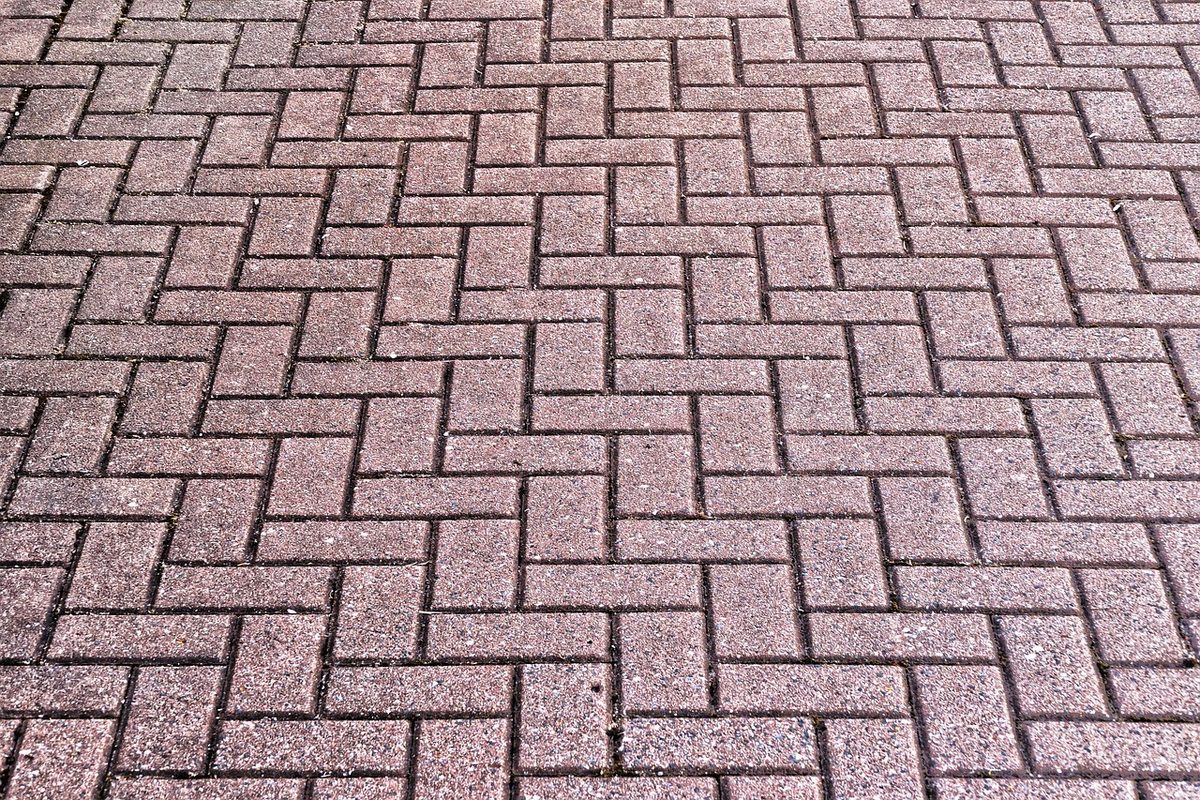
Tarmac is laid by a crew of three or four, spread hot and rolled in one go. Block paving is laid by hand, one block at a time, with every edge and manhole cut to fit. A 50m² drive holds roughly 2,500 standard 200mm x 100mm blocks. That's where the extra labour goes.
Install Time and Disruption on a Typical Derby Drive
A 40m² to 50m² tarmac drive normally takes 2 to 4 days from first dig to finished surface. The base goes in, the binder course is laid, then the wearing course is rolled on top. You can walk on it the same day and park on it after about 48 hours, though turning the wheel hard while stationary in the first few weeks will leave marks, especially in July or August.
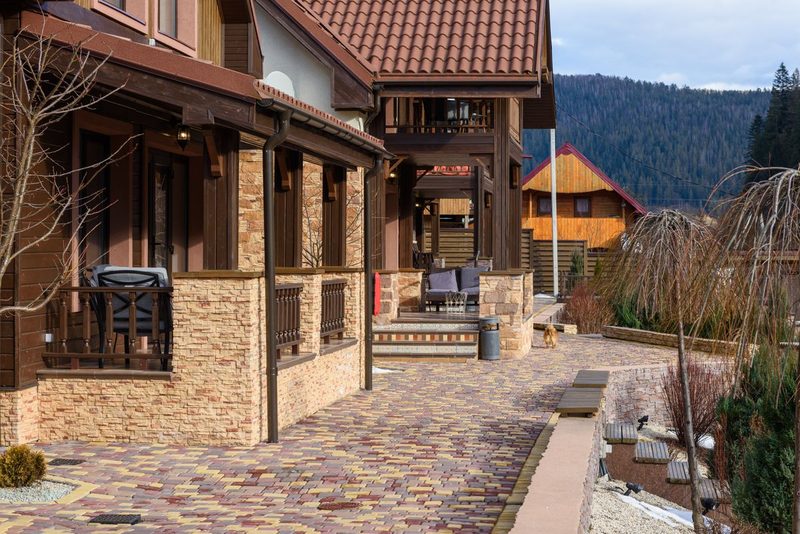
Block paving on the same drive takes 4 to 7 days. The base and edge restraints go in first, then a bed of sharp sand, then the blocks, then cutting, kiln-dried sand brushed into the joints, and finally a plate compactor run over the top. The upside is that you can drive on it as soon as it's compacted, with no curing time.
Weather affects them differently. Tarmac needs dry ground and air above roughly 5°C, so a wet Derby November can push a job back by a week or more. Block paving can go down in cooler, damper weather as long as the sand bed isn't saturated, which makes it the easier surface to book between October and March.
Lifespan, Frost and Derby's Clay Soils
Much of Derby, from Alvaston and Spondon in the east to Normanton and Sunnyhill in the south, sits on Mercia Mudstone clay. It swells when wet and shrinks in long dry spells, and it holds water through the winter. Derby only gets around 700mm of rain a year, well below the UK average of about 1,150mm according to the Met Office's UK climate averages. But most of it arrives from October to February, when the ground is already cold.
On a well-built base, tarmac lasts 15 to 20 years here. Its weak point is water. Once a crack opens, water gets in, freezes, expands by about 9%, and the crack grows a little each winter. Left alone, a hairline crack can become a pothole in three or four winters.
Block paving copes with movement in a different way. Each block can shift a fraction of a millimetre, so clay heave shows up as a gentle dip or ridge rather than a crack. A good block drive lasts 20 to 30 years, and the blocks themselves can outlive the base and be reused. The flip side is that any weakness in the base shows clearly, usually as a sunken patch where cars turn or stop.
What decides it on clay
Neither surface will save a thin base. On Derby clay we'd want a geotextile membrane under the sub-base for both, and 150mm of compacted stone at minimum. Skimp on that and tarmac cracks, block paving sinks, and either way you're paying again inside five years.
Repairs, Weeds and Sinking: Patching vs Lifting Blocks
When two quotes are close on price, this is usually the section that settles it.
When tarmac gets damaged by a pothole, a utility trench or a crack along the edge, the fix is to cut out the bad section and patch it. A small patch costs about £150 to £400. It works, but the new tarmac is darker than the faded surface around it, and it takes a couple of years to blend in. Once a tarmac drive is 15 years old and patched in several places, the usual answer is to resurface the whole thing.
Block paving is repaired by lifting it. A sunken area near the gate or a dip over a settled drain can be taken up, the base topped up and compacted, and the same blocks laid back. A repair of 3m² to 5m² usually costs £200 to £450, and when it's done well you can't see where it was. If you need gas or fibre ducting run under the drive, the contractor can lift the blocks and put them back rather than cutting a trench through the surface.
Weeds and sinking in block paving
The weak spot of block paving is its joints. Every block has four of them, and weed seeds love the sand in between. A drive that's been re-sanded and kept swept stays mostly clear, but expect to brush in fresh kiln-dried sand every 2 to 3 years and deal with the odd dandelion. We've written separately about block paving repairs and relaying in Derby, including sunken areas and weeds if your current drive already has these problems.
Tarmac has no joints across the middle, so weeds only get a foothold at the edges and in cracks. That's a real point in its favour if you don't want to spend weekend afternoons on your knees with a weeding knife.
Oil Stains, Fading and Day-to-Day Upkeep
Oil drips affect the two surfaces in different ways. On tarmac, oil and diesel dissolve the bitumen that binds the stone, so a regular leak doesn't just stain. It softens the surface and can leave a crumbly dip. On block paving, oil soaks into the concrete and leaves a dark mark, but the block stays solid. A degreaser used within a week lifts most of it, and if a block is beyond saving it can be swapped out for about £10 to £20 in materials.
Fading is the other everyday difference. New tarmac is jet black and turns a dull grey in 3 to 5 years as the bitumen oxidises in sunlight. A bitumen re-dressing every 5 to 7 years, at around £5 to £10 per m², brings back some of the colour. Concrete blocks fade too, usually by a shade or two in the first 18 months, then hold steady. A clear sealant at about £6 to £12 per m² slows the fading and makes the joints harder for weeds to get into.
For routine care, both want a stiff brush through autumn when leaves pile up, and a careful pressure wash once a year. On block paving, keep the lance angled away from the joints, or you'll blast out the sand and invite weeds back in.
Looks and Kerb Appeal by Derby House Type
What looks right depends on the house as much as the surface. Here's how it tends to play out across Derby's main housing types.
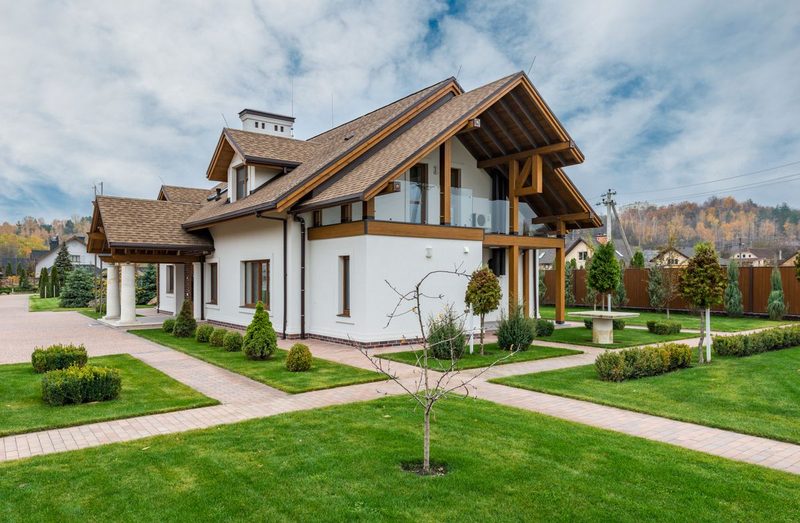
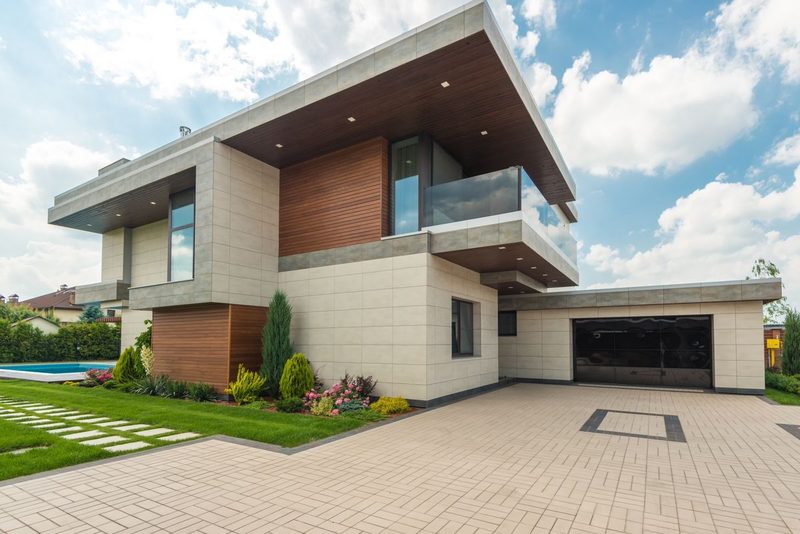
- Victorian and Edwardian terraces in Normanton, the Arboretum area and parts of Darley Abbey usually have small front gardens of 15m² to 25m². Block paving in a red or brindle colour suits the brick, and the extra cost on that size is often only £400 to £800.
- Inter-war semis in Allenton, Chaddesden and Allestree often have 40m² to 60m² fronts. Both surfaces work. Tarmac with a block border is a popular middle ground, giving you the lower price with a neater edge.
- 1960s and 1970s estates in Oakwood, Sinfin and parts of Mickleover tend to have open-plan frontages. Charcoal or grey blocks in a herringbone pattern look smart against render and pale brick.
- Larger detached homes in Littleover, Duffield or Quarndon with 100m² or more of drive often suit tarmac for the main area and blocks for borders, turning heads and paths. On 120m², going all-block can cost £2,500 to £4,000 more.
- New-build estates in Chellaston and Mickleover often come with tarmac as standard. Replacing it with block paving is one of the most common upgrades we price, and it does stand out on a street of identical black drives.
In our experience a tidy block drive edges tarmac on first impressions when a house goes on the market. Honestly, though, a drive in good repair beats a cracked or weedy one of either kind, every time.
Planning, SuDS and the 5m² Front Garden Rule
Since October 2008, paving more than 5m² of a front garden in England with a surface that lets water run onto the road has needed planning permission. The aim was to cut surface water flooding after the summer of 2007. The government's guidance on permeable surfacing of front gardens sets out what counts as permeable and the drainage routes that avoid an application.
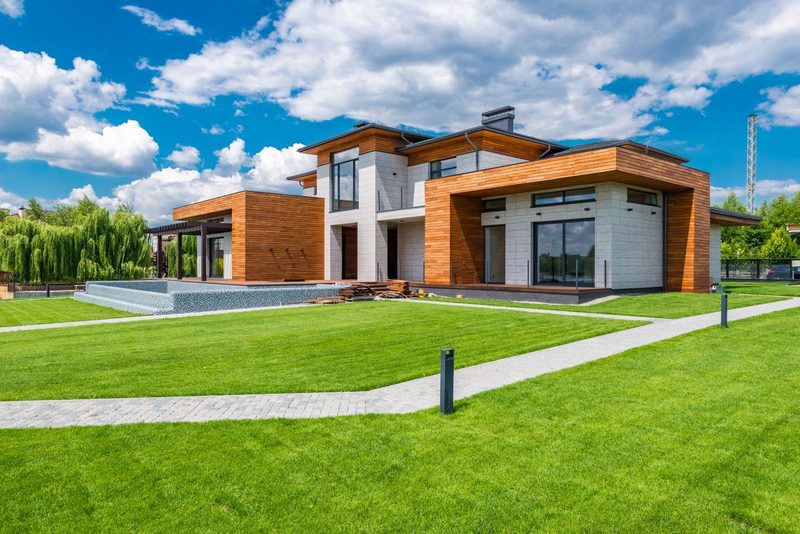
Standard tarmac and standard block paving are both treated as impermeable. Water runs off tarmac completely, and the joints in tight-laid blocks don't let enough through. To stay within permitted development, either one needs to drain into a lawn, a planted border, a soakaway or a channel drain that feeds one. On Derby clay, which drains slowly, a proper soakaway for a front drive usually costs £400 to £900.
Permeable block paving changes the picture
Permeable block paving is the simplest way to get round the rule. The blocks have wider joints filled with fine grit instead of sand, and they sit on an open-graded stone base that holds water and lets it soak away slowly. Trade body Interpave explains the design in its guide to permeable paving. Expect to pay £10 to £20 per m² more than standard block paving. Porous tarmac does exist, but very few domestic installers lay it and it clogs quicker, so on a Derby front garden permeable blocks are usually the more practical sustainable drainage option.
Inside the city boundary, Derby City Council handles planning. In Duffield, Belper or Borrowash, it's Amber Valley or Erewash instead. Whichever surface you choose, check your installer is properly vetted. A TrustMark registered business gives you a recognised route if something goes wrong.
Which to Pick for Your Situation
It usually comes down to five questions.
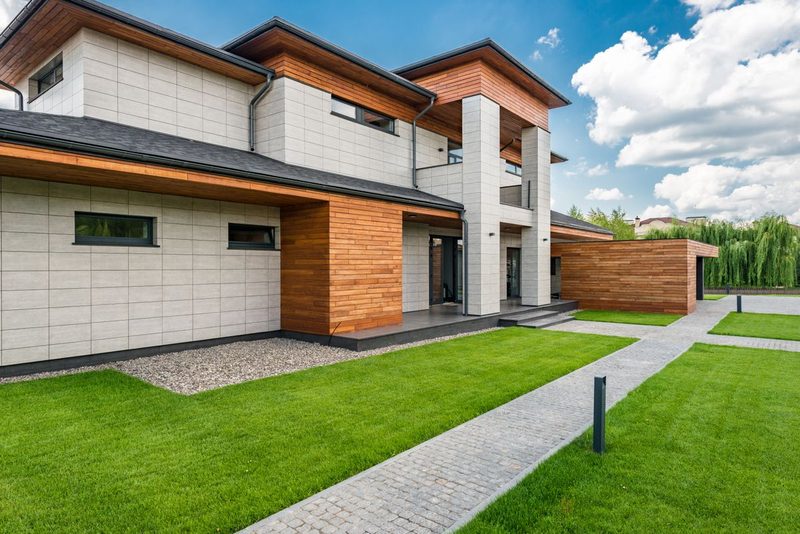
- Is the budget tight, or the drive over 80m²? Tarmac. The saving grows with every square metre.
- Is the drive at the front, in full view, and under 50m²? Block paving. The extra spend is modest and the finish lasts longer.
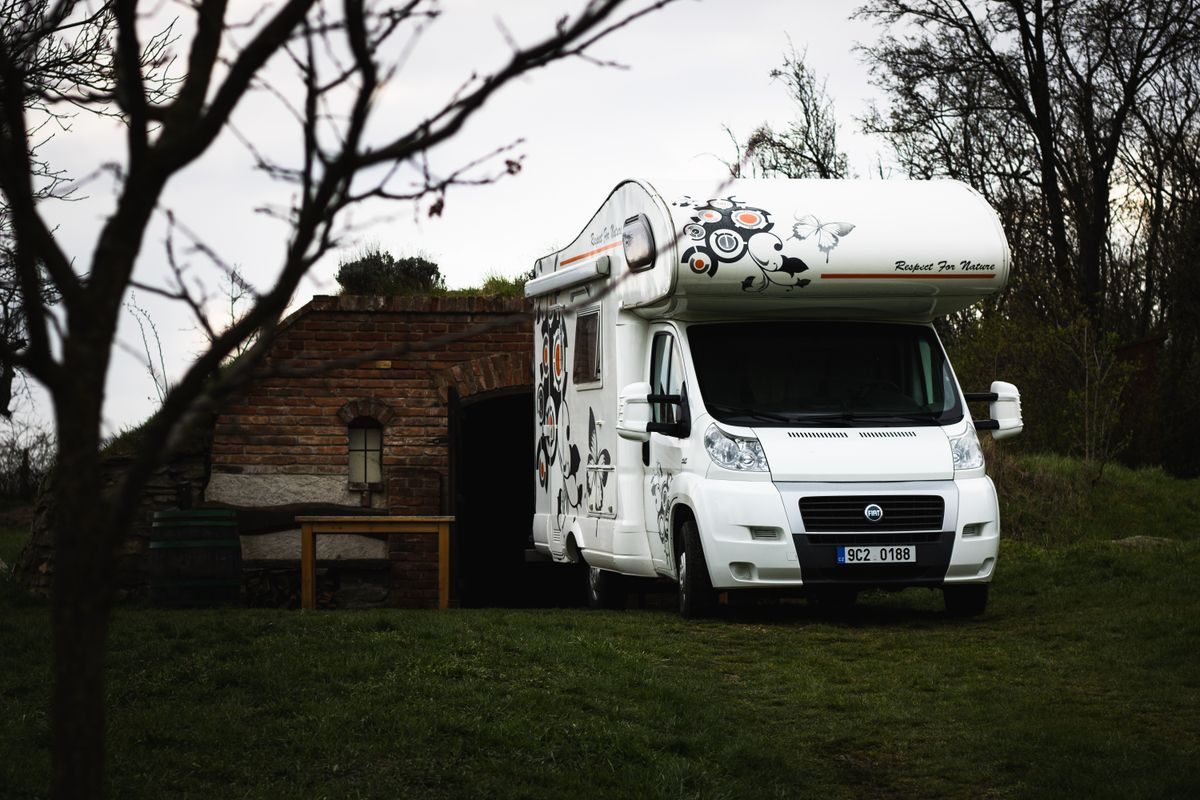
- Do you park a van, caravan or motorhome? Tarmac takes heavy, slow-turning tyres well. Blocks can creep at the edges unless the restraints are solid.
- Is there a manhole, utility box or tree near the drive? Block paving. You can lift and relay around problems rather than cutting and patching.
- Do you hate weeding? Tarmac, with a well-fixed kerb edge.
If you're torn, there's a middle route: a tarmac main area with a block paving border. On a 50m² drive that typically adds £400 to £700 to the tarmac price, still well under the cost of going all-block, and it fixes tarmac's weakest point, the loose edge. For a deeper comparison of the cheaper option against the other popular surface, see our recent post on tarmac vs resin driveways in Derby and which suits your home.
Tarmac vs Block Paving: Common Questions From Derby Homeowners
Is tarmac cheaper than block paving in Derby? Yes. In 2026, tarmac on a new base costs about £55 to £85 per m² in Derby, against £75 to £120 for block paving. On a 50m² drive that's usually £1,000 to £1,750 less for tarmac.
Which lasts longer, tarmac or block paving? On a properly built base, block paving usually lasts 20 to 30 years and tarmac 15 to 20. Block paving can also be lifted and relaid in sections, so it's easier to keep going for longer on Derby's shifting clay.
Do I need planning permission for a block paving or tarmac driveway in Derby? Only if the drive is at the front, covers more than 5m², and water drains onto the road. Permeable block paving, or either surface draining into a lawn, border or soakaway, avoids the need to apply.
Does block paving get weeds more than tarmac? Yes. Weeds grow in the sand joints of block paving, so it needs re-sanding every 2 to 3 years and the odd spot treatment. Tarmac only gets weeds at the edges and in cracks.
Ready to work with Trade Smart Driveways & Landscaping?
Let's connect! We’re here to help.
Send us a message and we’ll be in touch.
Or give us a call today at 111-222-3333
Agency Contact Form
More Marketing Tips, Tricks & Tools