Sloped Driveways in Derby: Which Surfaces Cope With a Gradient, How Steep Is Too Steep and What It Costs
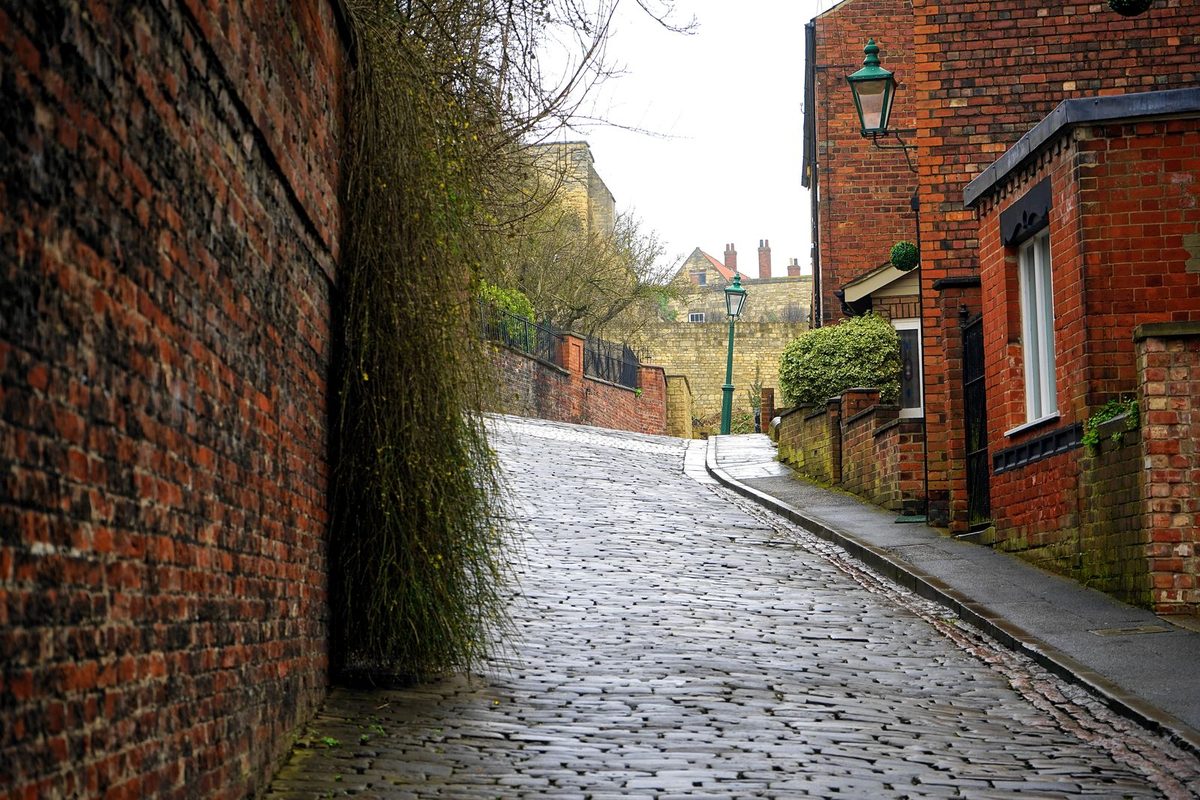
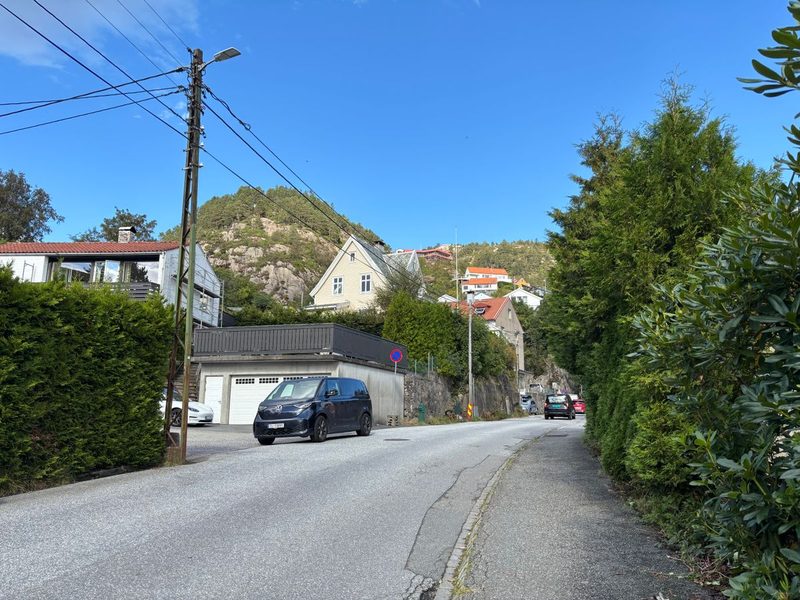
A sloped driveway in Derby costs more than a flat one, and it's usually not the surface that pushes the price up. It's everything around it. On a typical 40m² drive, a gradient of 1 in 10 or steeper tends to add 15% to 30% to the bill, mostly in extra digging, edge restraints, a channel drain at the bottom and sometimes a retaining wall where the drive cuts into the bank. Derby has more of these drives than people expect. The city sits in the Derwent valley, and the ground climbs steadily north and west towards Allestree, Darley Abbey, Mickleover and Chaddesden, so plenty of 1930s semis and post-war detached homes have a front garden that's a metre or more above or below the road. Add around 700mm of rain a year, most of it landing between October and February, and the question isn't just which surface looks best. It's which one will stay put, give your tyres grip on a frosty morning, and send the water somewhere other than your front door.
Sloped Driveways in Derby: Why the Gradient Changes the Job
On a flat drive, water sits still and drains slowly. On a slope it picks up speed. Rain falling on a 40m² drive in a heavy Derby downpour of 20mm an hour adds up to around 800 litres, and on a gradient all of it arrives at the bottom within minutes. That's why sloped drives fail in three predictable places: the bottom edge, where water collects; the top edge, where the surface can creep downhill; and any change in angle, where cars scrape and the base takes the most stress.
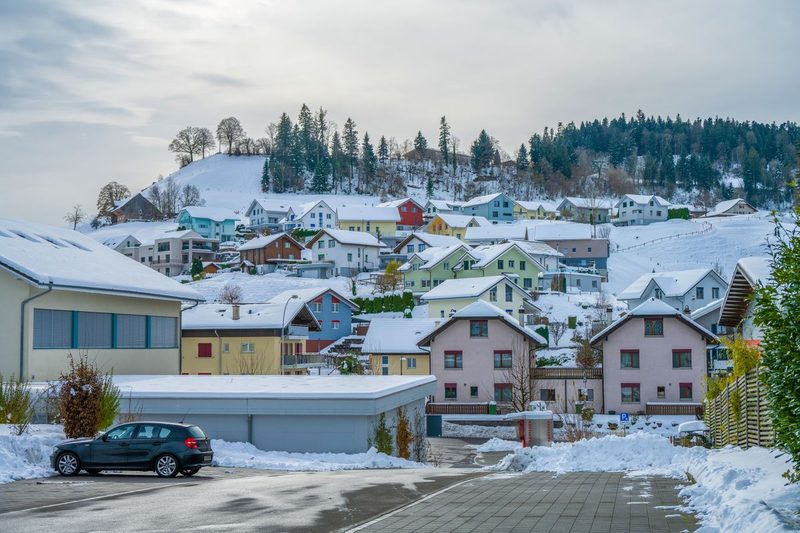
The surface also has to hold traction. A car needs more grip pulling away uphill than on the level, and braking downhill on a wet, smooth surface is where people get caught out. Plenty of people only start thinking about the surface after their wheels have spun on an old concrete slab one icy January morning. If you'd like someone to look at the angle of your own drive before you choose anything, Tradesmart Driveways & Landscaping surveys sloped sites across Derby and can tell you on the day which surfaces will work.
Doing it properly costs more. A sloped drive needs more edging, more care with the base levels, and nearly always some form of drainage at the low point. Skimp on any of those and the drive usually shows it within 2 or 3 winters.
How Steep Is Too Steep? Measuring Your Driveway Gradient
Gradients are written as "1 in X", meaning the ground rises 1 metre for every X metres you travel along it. So 1 in 10 is a 10% slope, 1 in 8 is 12.5% and 1 in 4 is 25%. You can measure your own with a long spirit level, a tape and a straight piece of timber. Lay the timber level from the high point, measure the drop to the ground at the far end, and divide the length by the drop. A 2m board with a 200mm gap underneath is 1 in 10.
As a rough guide for a domestic drive:
- Up to 1 in 20 (5%): effectively flat for driving purposes, and every surface works
- 1 in 20 to 1 in 12 (5% to 8%): a gentle slope that most Derby drives fall into, and most surfaces are fine with care
- 1 in 12 to 1 in 8 (8% to 12.5%): noticeable, and surface choice starts to matter a lot
- 1 in 8 to 1 in 5 (12.5% to 20%): steep, with only a few surfaces suitable and grip becoming the main concern
- Steeper than 1 in 4 (25%): most cars will struggle, and it's usually time to rethink the layout
Watch the changes in angle
The average gradient can look fine on paper. The trouble spot is where a steep drive meets the flat pavement is where low cars ground out. A sudden change of more than about 1 in 8 over a short distance can catch the front bumper or the exhaust. The usual fix is a transition zone of 1.5m to 2.5m at a gentler angle at the top and bottom, which means the middle section has to be slightly steeper to make up the difference.
Which Driveway Surfaces Cope With a Slope?
Every surface can go on a gentle gradient. Past about 1 in 12, they stop being interchangeable.
Block paving
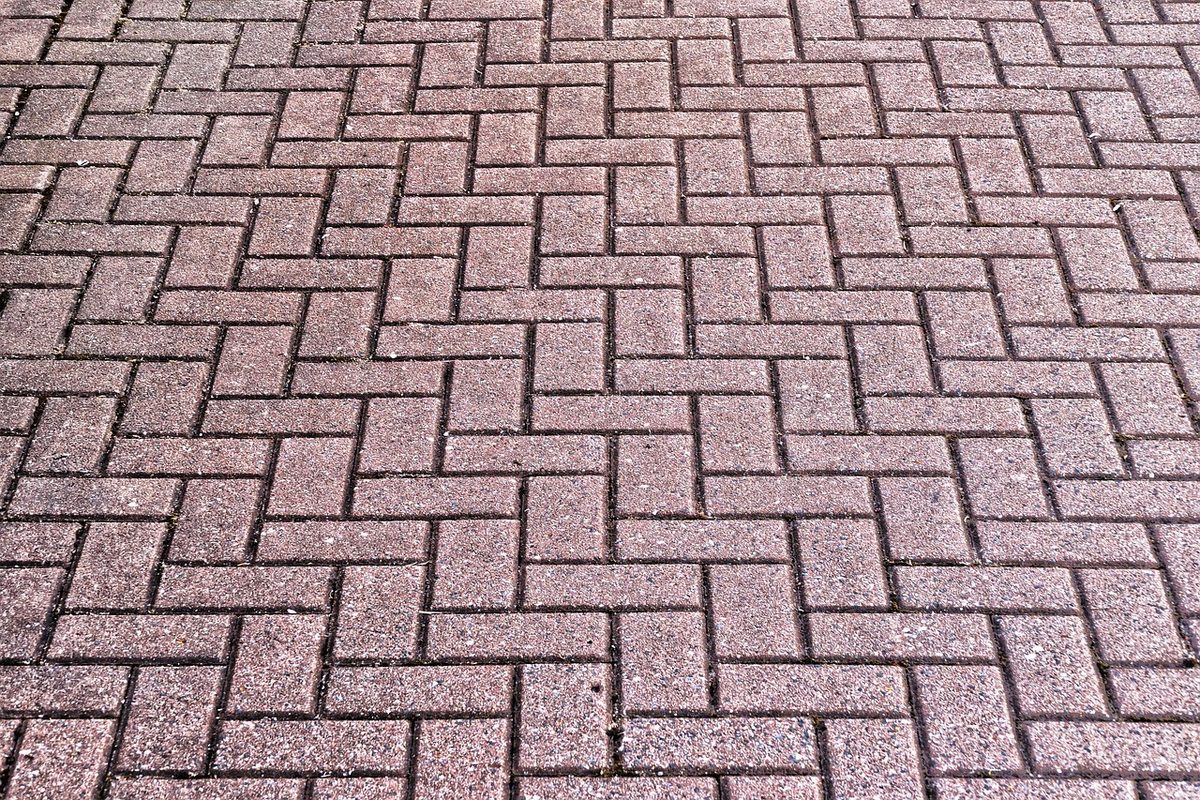
Block paving is one of the most dependable choices for a slope. Each block is held in place by its neighbours and by solid edge restraints, and with a herringbone pattern laid at 45 or 90 degrees the load is spread in every direction, so the blocks don't creep downhill. Block paving can handle slopes up to about 1 in 8 comfortably, and steeper with intermediate concrete restraints across the drive every 5m to 10m. Interpave's guidance on concrete block paving covers laying patterns and edge restraint in more detail. Choose a permeable block and some of the water soaks in on the way down, so less of it arrives at the bottom.
Tarmac
Tarmac is hard to beat on steep drives. It's flexible, grips well when new, and can be laid on gradients of around 1 in 6, though the roller has to work uphill and the crew has to move quickly before the material cools. The weak point is water. Tarmac sheds rain rather than absorbing it, so on a slope everything runs straight to the bottom, and a slope in Derby will almost always need a channel drain. We've compared the two most popular surfaces side by side in our guide to tarmac vs resin driveways in Derby, including how each copes with the city's clay.
Resin bound
Resin bound works well up to about 1 in 12. Beyond that, the wet mix can slump downhill before it cures, leaving the top of the drive thin and the bottom thick. Installers can go a little steeper by laying in shorter bays and using a stiffer mix, but grip also becomes an issue, so a sprinkled anti-slip aggregate such as calcined bauxite is usually added. Because water drains through resin bound, it helps on a slope, though the base underneath still has to deal with the water once it gets there.
Imprinted concrete
Pattern imprinted concrete is strong, but the sealed finish can get slippery when wet, especially in autumn under trees. On anything steeper than around 1 in 12 we'd suggest an anti-slip additive in the sealer, or a brushed finish instead of a printed one. Concrete also needs expansion joints every 3m to 4m, and on a slope those joints are the first place water finds its way in.
Gravel
Loose gravel and slopes don't mix. Above roughly 1 in 20 the stones start to migrate downhill each time a tyre spins, and you'll find them in the road and on the pavement. A plastic gravel grid fixes most of this and lets you use gravel on slopes up to about 1 in 8, at an extra £8 to £15 per m².
Where the Water Goes: Drainage at the Bottom of a Sloped Driveway
Which way your drive falls decides what drainage you need. If it slopes down towards the road, the water heads for the public highway. Under the 2008 rules on front gardens, if you're laying more than 5m² of non-permeable surface on a front garden in England and it drains onto the road, you need planning permission. The government's guidance on permeable surfacing of front gardens explains the options, and a channel drain across the bottom of the drive feeding a soakaway is the usual answer.
If your drive slopes down towards the house, the stakes are higher. Water running towards the front wall can sit against the brickwork and get above the damp-proof course, which should be at least 150mm above ground level. Here a channel drain is close to essential, and it needs a proper outlet: into a soakaway, a rain garden, or an existing surface water drain where permitted.
Getting the soakaway right on Derby clay
Much of Derby sits on Mercia Mudstone clay, which drains slowly. A soakaway that would work in sandy ground might need to be 2 or 3 times the size here. Before anything goes in, a percolation test (digging a hole, filling it with water and timing how fast it drains) tells you whether a soakaway is realistic at all. If the ground barely drains, the water may have to go to a surface water drain instead, which needs checking with the water company.
Channel drains typically cost £60 to £120 per linear metre fitted, and a soakaway adds £800 to £1,800 depending on size and how deep the clay goes.
Steps, Retaining Walls and Cutting Into the Bank
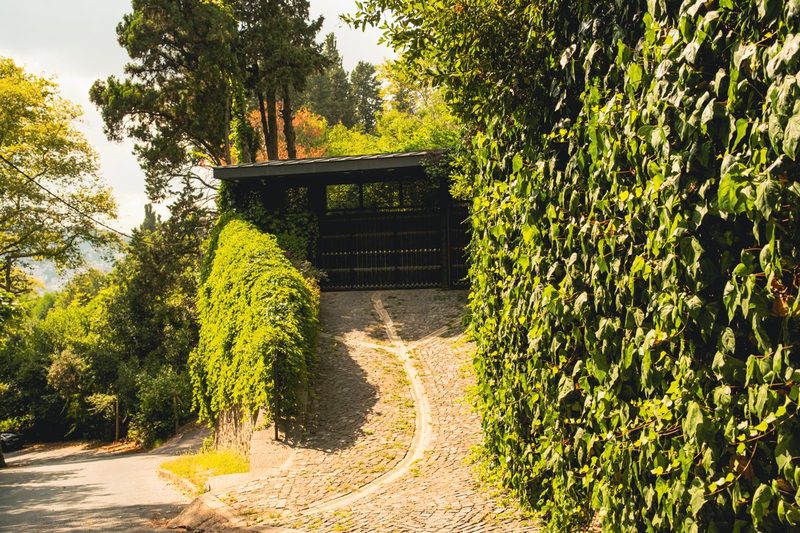
A lot of sloped drives in Derby were front gardens first, with a lawn on a bank and a few steps up to the door. Turning that into parking usually means cutting into the slope and holding back the soil on either side.
- Sleeper retaining walls are the cheapest option, from around £150 to £250 per linear metre at 600mm high, but timber typically lasts 10 to 15 years in wet clay.
- Block or brick retaining walls cost more, around £350 to £600 per m² of wall face, and should last 50 years or more if they are built with proper drainage behind them.
- Any retaining wall over about 1m high should be designed by a structural engineer, especially if it's holding up a neighbour's ground or the pavement.
- Walls next to a road or footpath generally need planning permission if they're over 1m high.
Steps up from the drive to the front door are often part of the same job. Approved Document K sets out the government's guidance on steps, handrails and guarding, including guarding where there's a drop of more than 600mm. A set of 3 or 4 steps in matching block or stone typically costs £250 to £500 per step, including the foundation.
Sloped Driveway Costs in Derby in 2026
Here's how the price of a 40m² sloped driveway in Derby usually breaks down, including VAT. These assume a slope of around 1 in 10 and a new base.
- Block paving on a slope: £85 to £130 per m², so roughly £3,400 to £5,200
- Tarmac on a slope: £60 to £95 per m², so roughly £2,400 to £3,800
- Resin bound with anti-slip aggregate: £85 to £120 per m², so roughly £3,400 to £4,800
- Imprinted concrete with anti-slip sealer: £70 to £110 per m², so roughly £2,800 to £4,400
- Gravel in a grid: £45 to £70 per m², so roughly £1,800 to £2,800
On top of the surface, budget for £500 to £1,500 for a channel drain and soakaway, £1,000 to £4,000 for retaining walls if the drive cuts into a bank, and 10% to 20% more groundwork than a flat drive because of cut and fill. Spoil removal adds up quickly on a sloped site. Digging 300mm into a bank across 40m² produces around 12 cubic metres of soil, which can mean 2 or 3 grab lorry loads at £250 to £350 each.
Building on a Slope Through a Derby Winter
Derby is drier than the UK average, but its rain is concentrated in the colder months, and it gets around 45 to 55 air frosts a year. Water running off a slope collects at the low point, freezes and expands by about 9%, and lifts whatever is above it. Spring and early summer are the safest months to lay a sloped drive, especially resin bound and tarmac, which both need dry conditions and temperatures above about 5°C.
Groundworkers in Derby are generally available, but the firms with experience of retaining walls, levels and drainage on steep sites get booked up 6 to 10 weeks ahead from March onwards. If your drive needs an engineer's design for a retaining wall, add 2 to 4 weeks for that before work can start.
On frosty mornings a slope is less forgiving. Block paving and tarmac grip reasonably well, resin bound with anti-slip aggregate grips well, and smooth sealed concrete is the most likely to catch you out. Rock salt is fine on block, tarmac and concrete, but use it sparingly on resin.
Common Questions About Sloped Driveways in Derby
What is the best surface for a steep driveway in Derby? For slopes steeper than about 1 in 8, block paving with intermediate restraints or tarmac are usually the safest choices. Both grip well and resist creeping downhill. Resin bound works up to about 1 in 12, and steeper with anti-slip aggregate and careful laying in short bays.
How steep can a driveway be in the UK? There's no fixed legal limit for a private drive, but most cars struggle above 1 in 4 (25%). For everyday comfort and safety, aim for 1 in 10 or gentler, with gentler transitions at the top and bottom so low cars don't scrape.
Does a sloped driveway need a drain at the bottom? Nearly always, unless the whole surface is permeable and the ground underneath drains well. On Derby clay, a channel drain feeding a soakaway is the usual answer, at around £60 to £120 per metre for the drain plus £800 to £1,800 for the soakaway.
Can you put a gravel driveway on a slope? Loose gravel migrates downhill above about 1 in 20. A plastic gravel grid holds the stones in place and lets you use gravel on slopes up to about 1 in 8.
Ready to work with Trade Smart Driveways & Landscaping?
Let's connect! We’re here to help.
Send us a message and we’ll be in touch.
Or give us a call today at 111-222-3333
Agency Contact Form
More Marketing Tips, Tricks & Tools