Block Paving Repairs and Relaying in Derby: Sunken Areas, Weeds and What It Costs
Block paving does not really wear out. The blocks themselves are a 50 to 80 newton concrete product that will outlast most of us. What fails is everything underneath and around them, and in Derby that failure follows a very consistent script: a dip where the car sits, a bulge where a tree root has lifted a corner, and joints that stopped holding sand about eight years ago and now grow more grass than the lawn does. The good news is that block paving is the one surface you can genuinely repair. A localised relay runs £45 to £85 per square metre against £75 to £120 for new paving, and lifted blocks go back down. The trick is working out whether you have a relay or a rebuild.
Why Derby Block Paving Sinks Where It Does
Almost every sunken area we lift in Derby comes down to one of four causes.
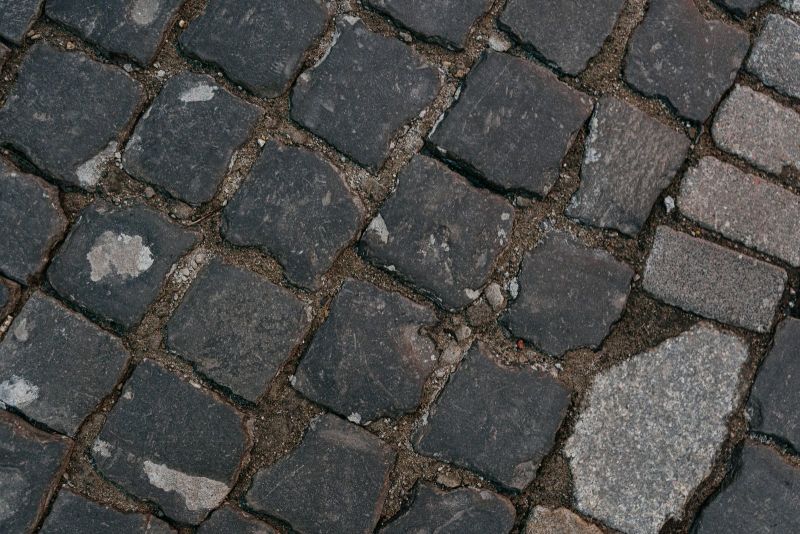
Sub-base failure is the most common. The original installer laid 80mm of MOT Type 1 where 150mm was needed, or laid it in one lift without compacting properly. It holds for six or seven years and then the wheel tracks start to dish. On the heavier clay ground around Chaddesden, Alvaston and parts of Sinfin, an under-specified sub-base fails faster because the ground beneath it moves seasonally.
Edge restraint failure is second and it is the one people misdiagnose. Block paving works by interlock: every block is held by the ones around it, and the whole field is held by the edge courses, which must be haunched in concrete. If the edging has moved, the whole surface starts to creep and the joints open. You cannot fix that by adding sand.
Tree roots are third, and Derby has this badly in the mature 1930s suburbs. Allestree, Littleover, Mickleover and Darley Abbey have street trees and mature garden specimens with root plates that lift paving in a distinctive rounded hump. If you would like someone to tell you which of these you actually have rather than guess from the surface, you can arrange a look through the Tradesmart Driveways and Landscaping website.
Fourth is drainage. Standing water in one spot washes fines out of the bedding sand and the sub-base beneath it, and the dip gets deeper every winter.
What Repairs Cost in Derby in 2026
Working figures for the Derby area:
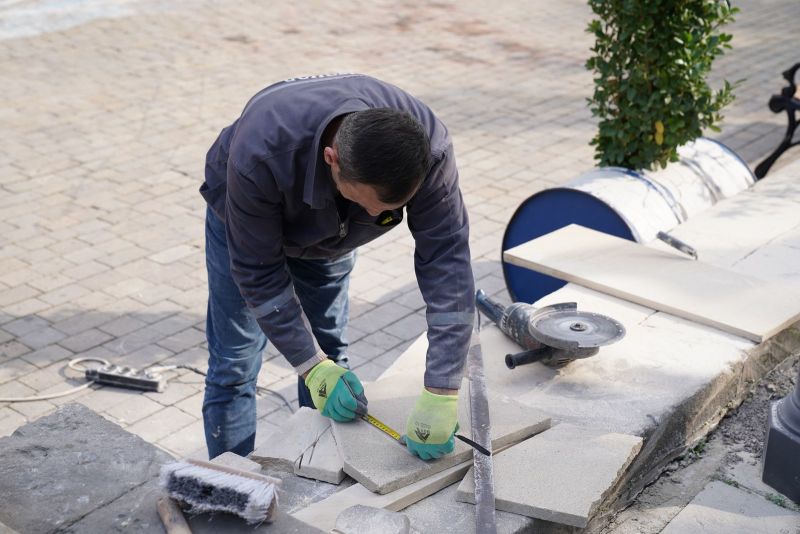
- Lift and relay a localised sunken area, up to 5m²: £280 to £600
- Lift and relay per square metre on larger areas: £45 to £85
- Re-lay including new sub-base where the base has failed: £70 to £110 per m²
- Reinstate and re-haunch edge courses, per linear metre: £35 to £70
- Replace individual damaged or stained blocks: £8 to £20 each fitted
- Full clean, re-sand with kiln-dried sand and seal, per m²: £14 to £28
- Kerb or step rebuild: £180 to £450
- New drainage channel with connection: £350 to £900
For context, a new block paved driveway in Derby runs £75 to £120 per square metre depending on block type and groundwork. Our guide to driveway repair costs in Derby by surface type sets the block paving figures against tarmac, resin and concrete.
Where matching becomes the problem
Block colours fade. A driveway laid in 2009 in brindle has weathered to something no current production batch matches, so a patch repair with new blocks looks exactly like a patch repair.
Two ways round it. Lift blocks from an inconspicuous area - behind a gate, under where the bins live - use those for the visible repair, and put the new blocks in the hidden spot. Or lift and shuffle a wider area so the new blocks are distributed rather than clustered. Both take longer than a straight patch and both look far better in two years.
The Weed Question, Answered Honestly
Weeds in block paving joints are not growing from underneath. A properly built driveway has a geotextile membrane and 150mm of compacted stone below the blocks, and nothing pushes through that.
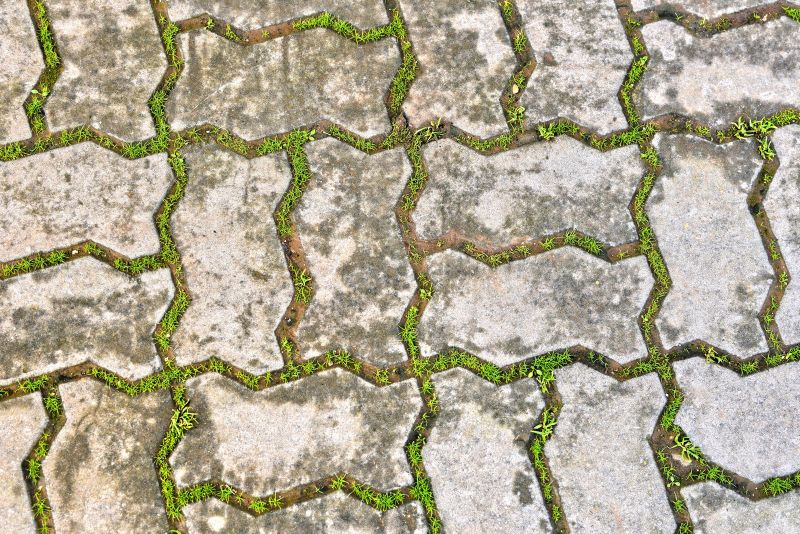
They germinate from seed and dust that has settled in the joints. That means the fix is joint condition, not weedkiller.
Kiln-dried jointing sand needs topping up. It washes out over time, particularly on a sloped drive or anywhere a pressure washer has been used, and once the joints are half empty they are effectively little seed trays. Re-sanding costs £3 to £8 per square metre as a standalone job.
Polymeric or resin jointing sand sets semi-rigid and resists both washout and germination. It costs £10 to £22 per square metre applied, lasts five to ten years, and it is genuinely the answer for anyone tired of the annual weeding. It has one condition: the joints must be clean and dry when it goes in, which in Derby's climate means booking it for a settled spell between May and September.
And a word on pressure washers. Every time someone blasts a block driveway, they remove the jointing sand and some of the bedding sand under the block edges. Wash it if you must, then re-sand it the same day. Washing without re-sanding is the single most common cause of driveways that "suddenly" started moving.
Relay or Rebuild? The Test
Lift six blocks in the worst area and look at what is underneath.
If you find 40 to 50mm of clean sharp sand over a firm, compacted stone base, the base is fine and you have a relay. Re-screed the sand, put the blocks back, re-sand the joints, done.
If the sand is contaminated with soil and mixed into the stone below, or the stone is thin, or you can push a screwdriver into the base easily, the sub-base has failed. Relaying on that will buy you two or three years and no more.
The rough economic line: if more than about 40% of the driveway needs the base rebuilding, you are better off pricing a full replacement. Below that, targeted rebuilds of the failed areas cost less and look no different once done.
Drainage and the Rules You May Have Forgotten
If your driveway is being substantially rebuilt rather than patched, drainage comes back into play.
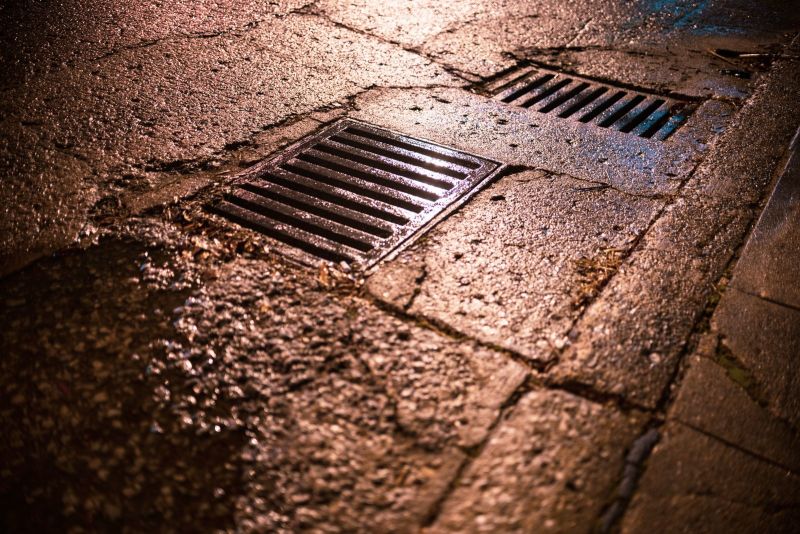
Since 2008, a new or replacement front garden driveway over 5m² needs either a permeable surface or drainage to a soakaway or permeable area within the property. Draining to the highway is not permitted. The Planning Portal's guidance on paving your front garden covers the rule, and the government's guidance on permeable surfacing of front gardens is the underlying document.
Block paving can be laid as a permeable system using wider joints filled with clean grit and an open-graded sub-base. It costs roughly 15 to 25% more than standard construction and it removes the planning question entirely. Paving industry guidance from the Mineral Products Association sets out the construction detail.
Derby averages around 650mm of rain a year, which is on the drier side for England, but the intensity of individual summer storms has increased and a soakaway sized for 1990s rainfall figures is often undersized now.
Timing the Work
Block paving repairs are less weather-dependent than resin or tarmac, which need dry conditions and minimum temperatures. Lifting and relaying can be done in most conditions short of standing water or hard frost.
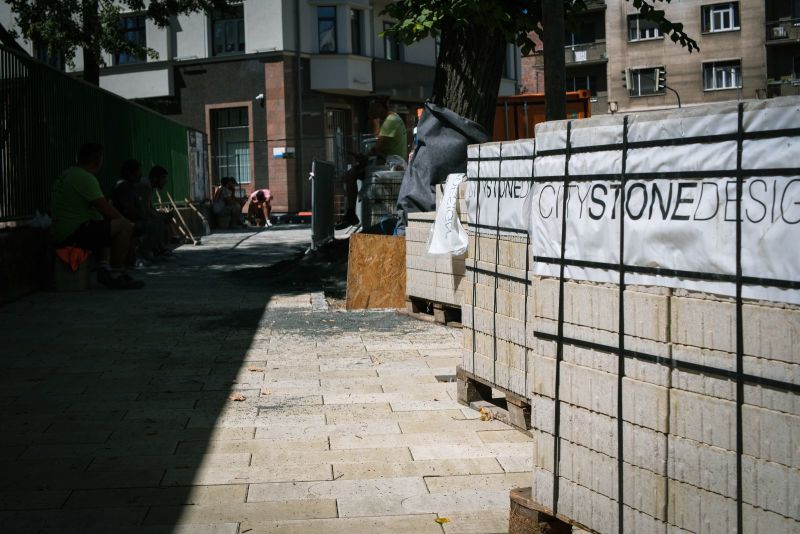
Jointing is the exception. Both kiln-dried sand and polymeric sand need dry joints, so if a repair is done in December the sanding may need a return visit in spring. A good contractor will tell you that up front rather than brushing damp sand into wet joints and calling it finished.
Frequently Asked Questions
How much does it cost to repair sunken block paving in Derby?
A localised lift and relay of up to 5m² typically costs £280 to £600. On larger areas the rate is £45 to £85 per square metre where the base is sound, rising to £70 to £110 per square metre where the sub-base has to be rebuilt. Re-haunching failed edge courses adds £35 to £70 per linear metre.

Why does block paving sink in one spot?
Usually an under-specified or poorly compacted sub-base, which dishes under wheel loads after six or seven years. Failed edge restraint, tree root movement and localised drainage washing out the bedding sand account for most of the rest. Lifting a few blocks to inspect the base tells you which it is.
Can weeds grow up through block paving?
No. A correctly built driveway has a geotextile membrane and compacted stone below, which nothing grows through. Weeds germinate from seed and dust in the joints, so the fix is topping up kiln-dried sand or switching to a polymeric jointing sand at £10 to £22 per square metre.
Is it cheaper to repair block paving or replace it?
Repair, in most cases. A relay costs £45 to £85 per square metre against £75 to £120 for new block paving in Derby. The line moves once roughly 40% of the driveway needs its sub-base rebuilt, at which point full replacement usually works out better value and lasts longer.
Ready to work with Trade Smart Driveways & Landscaping?
Let's connect! We’re here to help.
Send us a message and we’ll be in touch.
Or give us a call today at 111-222-3333
Agency Contact Form
More Marketing Tips, Tricks & Tools