Tarmac vs Resin Driveways in Derby: Cost, Lifespan, Planning and Which Suits Your Home
If you're choosing between tarmac vs resin driveways in Derby, the price gap is smaller than most people expect. On a typical 40m² front drive, a new tarmac surface on a proper base usually lands somewhere between £2,400 and £3,400, while resin bound comes in at £3,000 to £4,400. That's a difference of roughly £600 to £1,000 on the whole job, and once you've paid for the groundwork the two can be closer still. The bigger differences are elsewhere. Resin bound lets water straight through, so it rarely needs planning permission. Tarmac sheds water and needs somewhere for it to go. Resin looks smarter for longer, while tarmac takes a heavier beating and is cheaper to patch. Derby gets around 45 to 55 air frosts a year and much of the city sits on clay that swells and shrinks, so both surfaces live or die by what's underneath them.
Tarmac vs Resin Driveways in Derby: The Quick Verdict
Pick tarmac if you want the lowest cost per square metre, you park a van or a heavy 4x4 on the drive, or you have a long run that needs to be hard-wearing more than pretty. Pick resin bound if the drive is the first thing people see, you want a choice of colours, or you're paving a front garden and want to avoid a planning application.
That's the short version, and it covers maybe 80% of the decisions we see. The other 20% are about the site itself: slopes, tree roots, old concrete underneath, or a drive shared with a neighbour. Those can push the choice one way or the other regardless of taste. If you'd like someone to look at your ground before you decide, Tradesmart Driveways & Landscaping visits sites across Derby and prices both options side by side.
One thing that doesn't separate them much is installation time. A 40m² tarmac drive on a fresh base takes about 3 to 4 days, and resin bound takes 3 to 5, because the base has to go in and settle either way.
Tarmac vs Resin Driveway Cost per m² in Derby
Prices in Derby sit a little below the south-east and roughly in line with the rest of the East Midlands. These are guide figures for 2026, including VAT, and assume a new base on Derby clay.
- Tarmac (hot-rolled asphalt or macadam) on a new base: £55 to £85 per m²
- Resin bound on a new base: £75 to £110 per m²
- Resin bound laid over sound existing tarmac or concrete: £50 to £70 per m²
- Tarmac overlay on a sound existing surface: £35 to £50 per m²
- Edging, either surface: £25 to £45 per linear metre
The labour is closer than the materials. Resin bound needs a mixer, trowels and a crew of two or three, and the resin itself is the expensive part, at 6% to 7% of the mix by weight but a large share of the bill. Tarmac needs a roller, a hot-box or a wagon of material on the day, and a crew of three or four who have to work fast before it cools.
Where the hidden costs sit
The surface is often less than half the price. Excavating to 200mm to 250mm, laying 150mm of compacted MOT Type 1 and removing the spoil is roughly the same job for both. On a 40m² drive that groundwork alone can be £1,400 to £2,000. So if one quote for tarmac is £1,500 cheaper than resin on the same drive, check whether both firms are digging to the same depth before you put it down to the surface.
How Tarmac and Resin Cope With Derby Frost and Clay
Derby's climate is drier than the UK average, with about 700mm of rain a year compared with nearer 1,150mm nationally, according to the Met Office's UK climate averages. The trouble is timing. Most of that rain falls between October and February, and the Mercia Mudstone clay under places like Chaddesden, Alvaston and Spondon holds it. Freeze that wet ground 45 to 55 times a winter and it heaves, then drops back in the thaw.
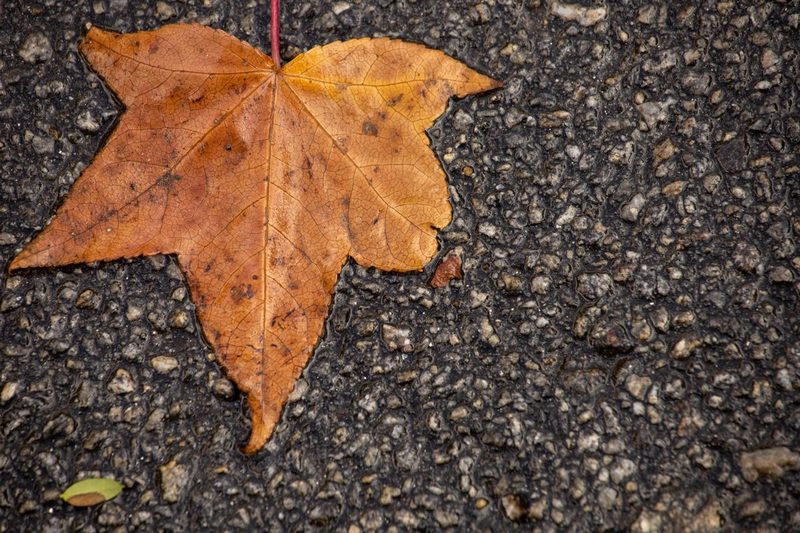
Tarmac copes with this reasonably well because it's slightly flexible. It can ride a small amount of movement without cracking, and a well-laid drive should last 15 to 20 years in Derby. Where it fails is when water gets in. A crack lets water under the surface, the water freezes and expands by about 9%, and the crack gets wider each winter until a pothole appears.
Resin bound behaves differently. Because water drains straight through it, there's less standing water on top to freeze. But resin is stiffer. If the base moves, the resin cracks rather than bends. On a properly built base a resin bound drive should last 18 to 25 years, but on a poor base it can show cracks within 2 or 3 winters. Resin bound also needs at least 18mm depth for vehicles, and anything thinner on a Derby clay site is asking for trouble.
Hot summers matter too
Clay shrinks in dry summers as well as swelling in wet winters. The 2022 and 2025 dry spells caused visible settlement on drives near mature trees across the city. Tarmac can soften slightly on a 30°C day and show tyre marks if you turn the wheel while parked. Resin doesn't soften, but cheaper non-UV-stable resins can yellow after 2 or 3 summers. Ask for a UV-stable aliphatic resin. It costs a little more, around £3 to £6 per m², and it's worth it.
Rainwater, the 5m² Rule and Planning for Each Surface
This is where the two part company. Since 2008, paving more than 5 square metres of a front garden with an impermeable surface that drains onto the road has needed planning permission. That came in through the 2008 amendment to the General Permitted Development Order, after the 2007 summer floods showed how much paved-over gardens add to surface water. Derby was hit that year along with much of the Midlands.
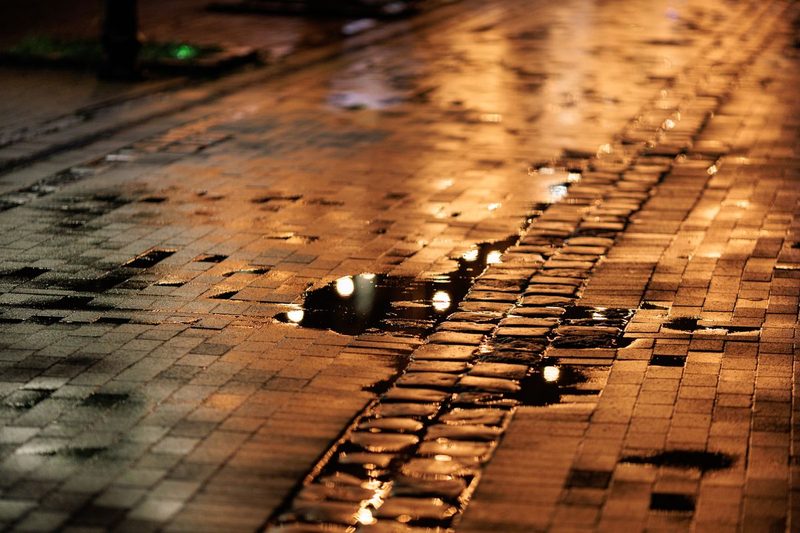
Resin bound, laid on a permeable base, lets around 800 to 900 litres of water per m² per minute pass through, which is far more than UK rain ever delivers. Laid properly, it counts as permeable, so a front drive normally needs no planning application. The catch is the base. Resin bound on top of old concrete or standard tarmac isn't permeable, because the water goes through the resin and hits a solid layer. That version needs drainage like any other solid surface.
Standard tarmac is impermeable. To avoid an application, the water has to run off into a lawn, a border, a soakaway or a channel drain linked to one. Porous asphalt exists and can work, but few domestic installers lay it and it clogs faster than resin. The Planning Portal's guide to paving your front garden explains the rule clearly, and the government's permeable surfacing guidance shows the drainage options in more detail.
Inside the city boundary, Derby City Council deals with planning. If you're in Duffield, Belper, Borrowash or Melbourne, it'll be Amber Valley, Erewash or South Derbyshire instead. A soakaway for a tarmac drive on clay can be harder to get right, because clay drains slowly, so allow £400 to £900 for drainage on a typical front drive.
Looks and Kerb Appeal: Black Tarmac or Coloured Resin
Tarmac comes in black, and for a few hundred pounds extra you can get red. It looks crisp and clean when new, with a smooth, even finish. After 3 to 5 years it fades to a dark grey as the bitumen oxidises, and the stones on the surface start to show. Plenty of people like that worn-in look on an older house. Fewer like it on a new build.

Resin bound gives you far more choice. Most suppliers offer 20 to 40 blends, from golden gravel and Cotswold buff to silver granite and charcoal. In Derby, the warm buff and bronze tones tend to suit the red brick of Victorian and inter-war terraces in Normanton, the Arboretum area and Darley Abbey. Cooler greys work better against the render and cladding on newer estates in Oakwood, Chellaston and Mickleover.
Borders and details
Both surfaces look much better with a defined edge. With tarmac that's usually a concrete kerb or a single row of block paving. With resin you can add a contrasting border, curves, or a band of a second colour for about £10 to £20 per linear metre more, and this is where resin pulls clearly ahead.
Maintenance and Repairs: Which Is Easier to Live With?
For day-to-day care, there isn't much in it. Both want a stiff brushing every few weeks in autumn, when leaves sit on the surface and turn to slime. Resin bound benefits from a gentle pressure wash once or twice a year, kept under around 150 bar so it doesn't loosen stones. Tarmac needs a reseal with a bitumen dressing every 5 to 7 years to slow down the fading and keep water out, at roughly £5 to £10 per m².
Oil is the main enemy of both. A drip from an older car softens the bitumen in tarmac and can leave a permanent dip. On resin it stains, though a degreaser caught within a few days usually lifts most of it. Rock salt is fine on both in moderation, but scrape the slush off rather than letting it sit.
Fixing damage on tarmac vs resin
Repairs are where tarmac wins comfortably. A pothole or a utility trench can be cut out and patched with hot or cold-lay tarmac for £150 to £400, and after a year or two the patch blends in. Resin is harder. Colour batches vary, so a patch can be visible, and sometimes the honest answer is a full overlay of the affected section. We've covered the costs in detail in our guide to resin driveway repairs in Derby, from cracks to loose stone and yellowing, and that's worth a read before you commit to resin on a site where repairs are likely.
Weeds are the other difference. A resin bound surface laid on a membrane and a sound base rarely grows anything. Tarmac edges are a common spot for weeds, especially where the edge isn't restrained, and they can lift the surface over time.
Which Driveway Suits Which Derby Property
No single answer fits every house, but the same patterns come up again and again across Derby.
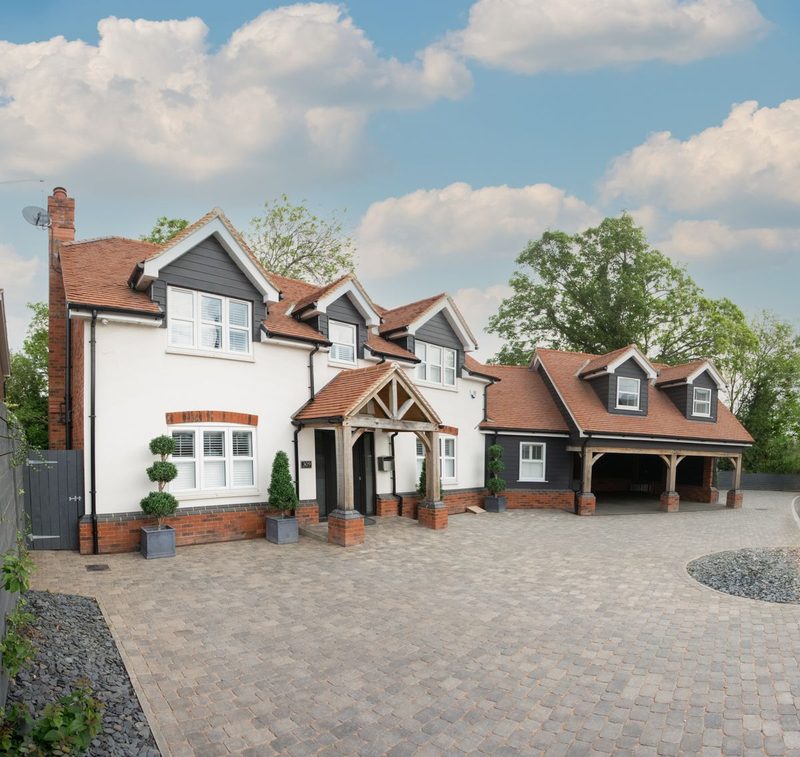
- Terraced houses and inter-war semis with small front gardens usually suit resin bound best. The area is small, so the cost gap is a few hundred pounds, it gets round the 5m² rule without extra drainage, and it suits red brick.
- On larger detached homes with long drives, tarmac often makes more sense once the drive passes 80 to 100m². On 120m², the difference between £70 and £95 per m² is around £3,000.
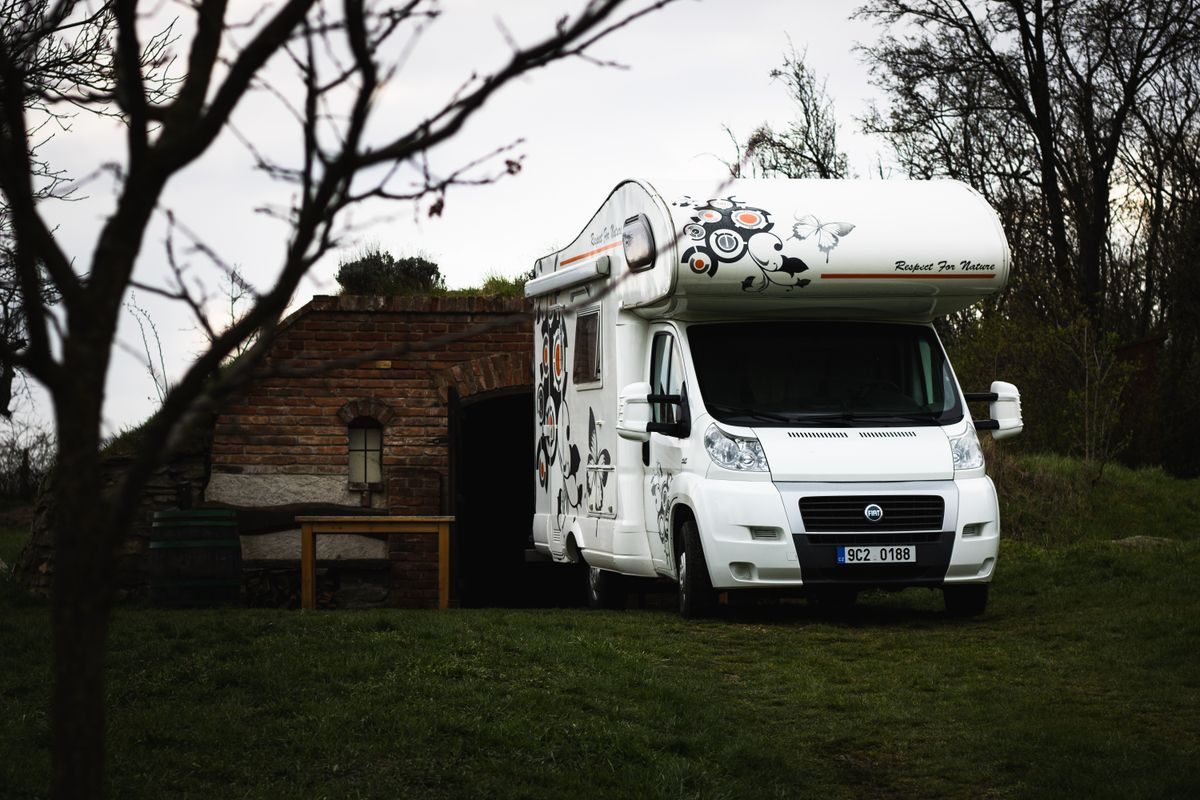
- If you park a van, caravan or motorhome, tarmac handles heavy, slow turning tyres better. Resin can scuff under power steering on a heavy vehicle.
- Both can go on slopes up to about 1 in 12. Steeper than that, tarmac generally holds up better, and resin needs extra grip aggregate.
- Near mature trees, tarmac flexes as roots grow, while resin cracks where roots lift it.
- For a rental or a house you're selling soon, tarmac's lower upfront price is hard to argue with. If you're staying for 10 years or more, resin often ends up close in value once you count the reseals tarmac needs.
If you have sound existing tarmac and want an upgrade, laying resin over the top can be the most cost-effective route of all, at about two-thirds the price of starting again. Just bear in mind that version isn't permeable.
Common Questions About Tarmac vs Resin Driveways in Derby
Is resin cheaper than tarmac for a driveway in Derby? No. Resin bound usually costs £75 to £110 per m² on a new base, against £55 to £85 per m² for tarmac. On a typical 40m² drive, that's around £600 to £1,000 more for resin.
Does a tarmac driveway need planning permission in Derby? Only if it's on the front of a house, covers more than 5m², and drains onto the road. If the water runs into a lawn, a border or a soakaway, you don't need permission.
Which lasts longer in Derby, tarmac or resin? On a properly built base, resin bound usually lasts 18 to 25 years and tarmac 15 to 20 years. On clay with a poor base, resin can crack sooner because it's stiffer, so the groundwork matters more than the surface.
Can you lay resin over an existing tarmac drive? Yes, if the tarmac is sound, level and free from deep cracks. It costs about £50 to £70 per m², but the result isn't permeable, so it may need drainage to stay within the 5m² rule.
Ready to work with Trade Smart Driveways & Landscaping?
Let's connect! We’re here to help.
Send us a message and we’ll be in touch.
Or give us a call today at 111-222-3333
Agency Contact Form
More Marketing Tips, Tricks & Tools