Garden Lighting and Outdoor Electrics in Derby: Costs, Options and the Rules
Outdoor lighting is the cheapest thing you can do to a garden that changes how much you use it. A Derby garden that is unusable after 4pm from November to February becomes usable for another two or three hours a day with £600 of lighting, which is a better return per pound than almost any hard landscaping. It is also the element most often done badly - a single 30 watt floodlight on a PIR over the back door, glaring into the neighbours' bedroom and lighting nothing useful. A properly designed scheme for a medium Derby garden costs £900 to £3,200 installed. Here is what the money buys, what the regulations require, and how to avoid the floodlight mistake.
What Garden Lighting Costs in Derby in 2026
Costs split between the fittings and the electrical infrastructure, and the infrastructure is usually the larger share.
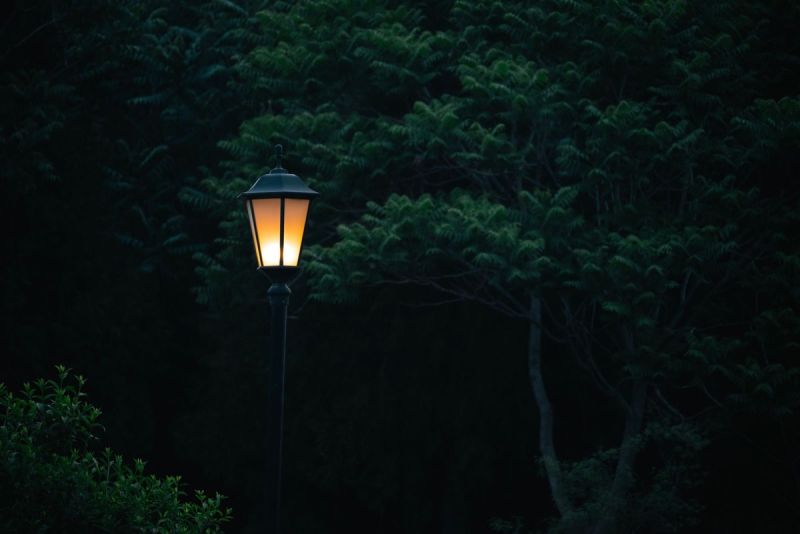
Low-voltage plug-and-play systems, running at 12 volts from a transformer plugged into an existing outdoor socket, cost £250 to £900 for a set of six to twelve fittings. They need no electrician for the fittings themselves, though the outdoor socket does.
Mains-voltage installations are the more substantial job. A new armoured cable run from the consumer unit to a garden distribution point costs £350 to £900 depending on the distance and whether a trench can be dug or the cable has to be routed around. Each mains outdoor light point adds £70 to £180 fitted.
A typical medium Derby garden scheme - path lighting, two or three uplighters on planting or a tree, a wall light by the seating area, and a switched socket for seasonal use - runs £900 to £2,200. A larger scheme with a lit pergola, deck lighting, a water feature and zone switching lands £2,500 to £5,500.
Individual fittings vary enormously: spike-mounted uplighters £18 to £90 each, recessed deck lights £15 to £60, bollard lights £45 to £180, and good quality wall lights £60 to £250. Tradesmart Driveways and Landscaping can design and install a scheme alongside a landscaping project, which is far cheaper than retrofitting cable runs after the paving is down.
Why Outdoor Electrics Are Notifiable Work
This is the part that gets skipped and causes problems at sale.
Installing a new circuit outdoors, or adding an outdoor socket or fixed lighting supplied from a new circuit, is notifiable work under Part P of the building regulations. It must be carried out by an installer registered with a competent person scheme, or notified to building control before the work starts.
You should receive an Electrical Installation Certificate and a Building Regulations Compliance Certificate. Without them, a conveyancing solicitor will raise it as an enquiry when you sell, and the usual remedy is a retrospective inspection at £250 to £600 plus whatever remedial work it identifies.
Check registration rather than taking a logo at face value. Installers registered with schemes such as NICEIC appear on the Competent Person Register, which is free to search. General advice on outdoor electrical safety is published by Electrical Safety First.
IP Ratings Are Not Optional Outdoors
Every outdoor fitting carries an IP rating - two digits describing resistance to solids and to water. IP44 is the practical minimum for a sheltered wall light. IP65 is what you want for anything exposed to direct rain. IP67 or IP68 is required for anything that may be submerged, including ground-recessed uplighters in a bed that floods and deck lights near a water feature.
Fittings sold cheaply online frequently claim ratings the housings cannot support, and a failed seal on a mains fitting in wet ground is a genuine hazard rather than an inconvenience. This is one area where the cheap option is a false economy.
Derby's Climate and What It Does to Outdoor Fittings
Derby averages roughly 700 to 750 mm of rain a year across about 130 wet days, with the wettest stretch from October to January. Frost occurs on perhaps 50 to 60 nights a year, and the East Midlands gets colder winter minima than the south west or the coast.
Two consequences for lighting. Freeze-thaw destroys poorly sealed fittings. Water gets into a housing through an imperfect gasket, freezes, expands and cracks the seal or the lens. A fitting that survives its first winter usually survives many; the failures happen in year one and they cluster in January.
The second is ground-level flooding. Much of Derby sits on clay, particularly across Mickleover, Chaddesden and the western suburbs, and clay drains slowly. A recessed uplighter in a bed that holds standing water for two days after rain needs to be IP68 rather than IP65, and it needs a drainage layer of pea gravel beneath it rather than being set directly into clay.
The Derwent and Markeaton Brook flood plains add a third factor for properties in the lower-lying parts of the city. Where a garden is in a flood risk area, keep transformers, junction boxes and switchgear above any credible flood level rather than in a ground-level enclosure.
Designing a Scheme That Is Not a Floodlight
The single most common mistake is too much light from too few sources. A garden lit by one bright floodlight looks flat, produces harsh shadows, glares into the eyes, and annoys neighbours. A garden lit by eight small sources at 2 to 5 watts each looks considerably better and uses less power.
Think in three layers. Functional light where you need to see: steps, level changes, the path from the gate to the door. Feature light on things worth looking at: a tree, a wall texture, a specimen plant, a water feature. And ambient light in the seating area, which should be the softest of the three.
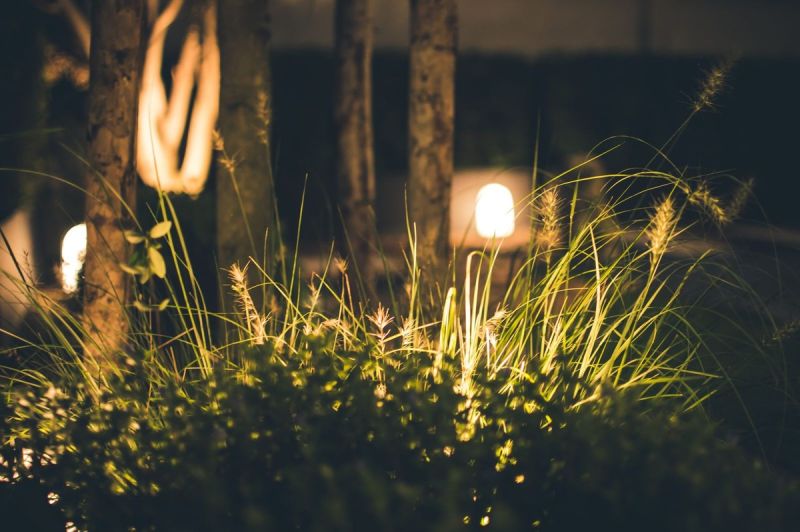
Direction matters more than brightness. Uplighting a tree from below reveals the structure of the canopy and looks dramatic. Downlighting from a wall or a pergola beam washes a surface evenly and looks calm. Grazing light across a brick or stone wall at a shallow angle brings out the texture. Lighting straight at something from the front flattens it, which is exactly what a floodlight does.
Colour temperature is worth getting right. 2700K warm white suits planting, brick and timber. 3000K is a reasonable compromise. Anything at 4000K or above reads as clinical outdoors and makes green foliage look grey. Avoid mixing temperatures in one sightline.
Light Pollution and Neighbours
Derby City Council can take action on artificial light that constitutes a statutory nuisance, and complaints about domestic security lighting are not rare. The practical rules: no fitting should be visible as a bare source from a neighbour's window, PIR floodlights should be angled down and set to a short timer, and anything above about 10 watts pointing horizontally is likely to cause a problem.
Shielded fittings, which direct light downwards and hide the lamp, cost £10 to £30 more and remove the issue entirely.
Controls: Where a Scheme Becomes Genuinely Useful
Switching is what separates a lighting scheme from a set of lights.
Zoning is the first step. Separate switching for the path, the feature lighting and the seating area means you can have the garden looking good without floodlighting the whole plot to get to the shed. Three zones on a domestic scheme adds roughly £120 to £300.
Timers and photocells turn lights on at dusk and off at a set time, which stops the garden being lit at three in the morning. A photocell plus timer adds £60 to £150.
Smart control via an app or a hub is increasingly standard and costs £150 to £450 for a domestic scheme. Its real value is scene setting - one button for "sitting outside", another for "walking to the bin" - rather than the novelty of controlling it from your phone.
PIR sensors belong on security lighting only, not on feature lighting. A garden where the tree uplighters snap on every time a cat walks past is not relaxing.
Running Costs and Fitting Lifespan
LED has made outdoor lighting genuinely cheap to run. A scheme of twelve fittings at 3 watts each is 36 watts total, which at four hours a night over a year costs around £13 to £16 at 2026 electricity rates. That is less than a single old-style 150 watt halogen floodlight running on a PIR.
Lifespan depends far more on the sealing and the installation than on the LED. A good IP65 fitting properly installed lasts 8 to 15 years outdoors. The same fitting with a compromised gasket or standing in water lasts one winter.
Two maintenance jobs keep a scheme working. Clean the lenses annually, because a film of algae and dust on an outdoor lens cuts output by a third within two years in this climate. And check the cable entries and glands each spring, because that is where water gets in.
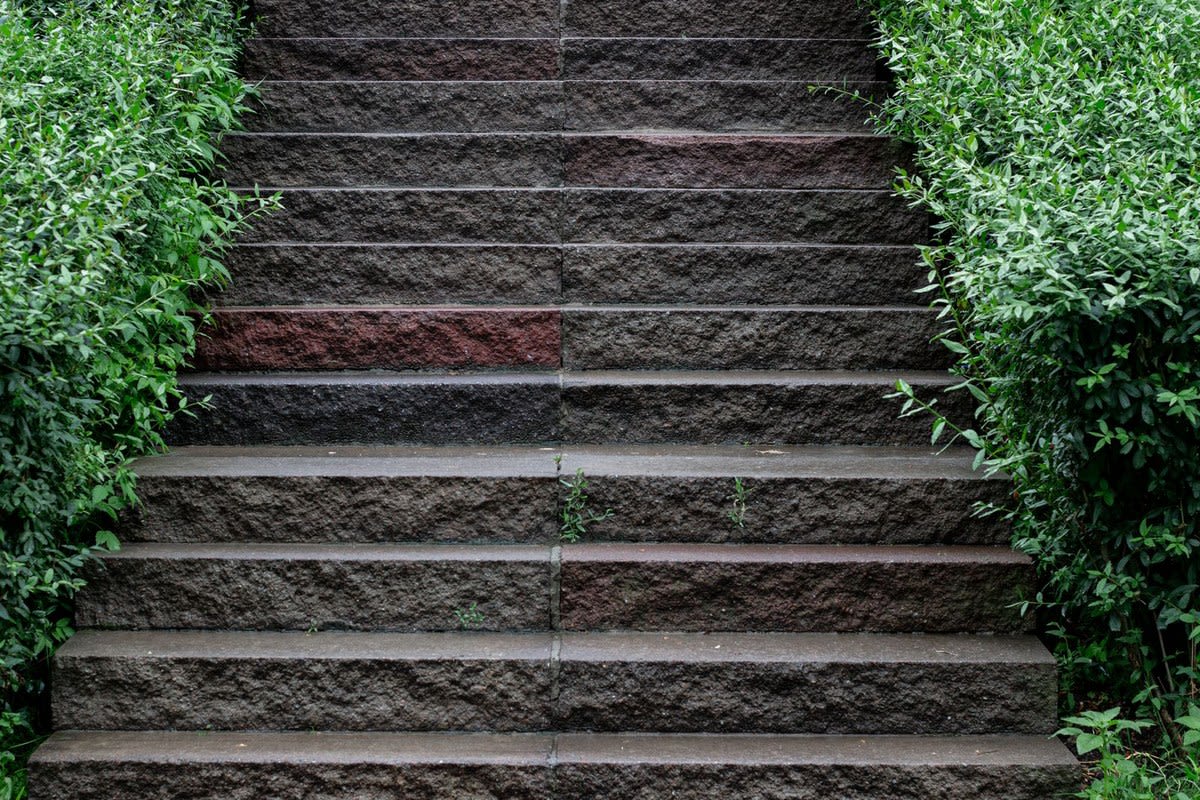
We cover the wider hard landscaping decisions that lighting should be planned alongside in our guide to garden paths and steps in Derby, since running cable before the paving goes down costs a fraction of adding it afterwards.
Frequently Asked Questions
How much does garden lighting cost to install in Derby?
A typical medium garden scheme with path lighting, two or three uplighters, a wall light and a switched socket runs £900 to £2,200 installed. A larger scheme with lit pergola, deck lighting and zone switching lands £2,500 to £5,500. Low-voltage plug-in kits are cheaper at £250 to £900 but still need a compliant outdoor socket.
Do I need an electrician for garden lighting?
For anything on a new mains circuit, yes. Outdoor electrical work is notifiable under Part P of the building regulations and must be done by an installer registered with a competent person scheme or notified to building control. You should receive an Electrical Installation Certificate and a Building Regulations Compliance Certificate.
What IP rating do outdoor lights need?
IP44 is the practical minimum for a sheltered wall light, IP65 for anything exposed to direct rain, and IP67 or IP68 for ground-recessed uplighters or anything that could sit in standing water. On Derby's clay soils, where beds hold water after rain, IP68 with a pea gravel drainage layer beneath is the right specification for recessed fittings.
Is garden lighting expensive to run?
No. A twelve-fitting LED scheme at 3 watts each totals 36 watts, which running four hours a night for a year costs roughly £13 to £16 at 2026 rates. That is less than one old-style 150 watt halogen floodlight, and a multi-source LED scheme looks considerably better than a single floodlight.
Ready to work with Trade Smart Driveways & Landscaping?
Let's connect! We’re here to help.
Send us a message and we’ll be in touch.
Or give us a call today at 111-222-3333
Agency Contact Form
More Marketing Tips, Tricks & Tools