Driveways and EV Charging Points in Derby: Ducting, Costs and Getting the Order of Work Right
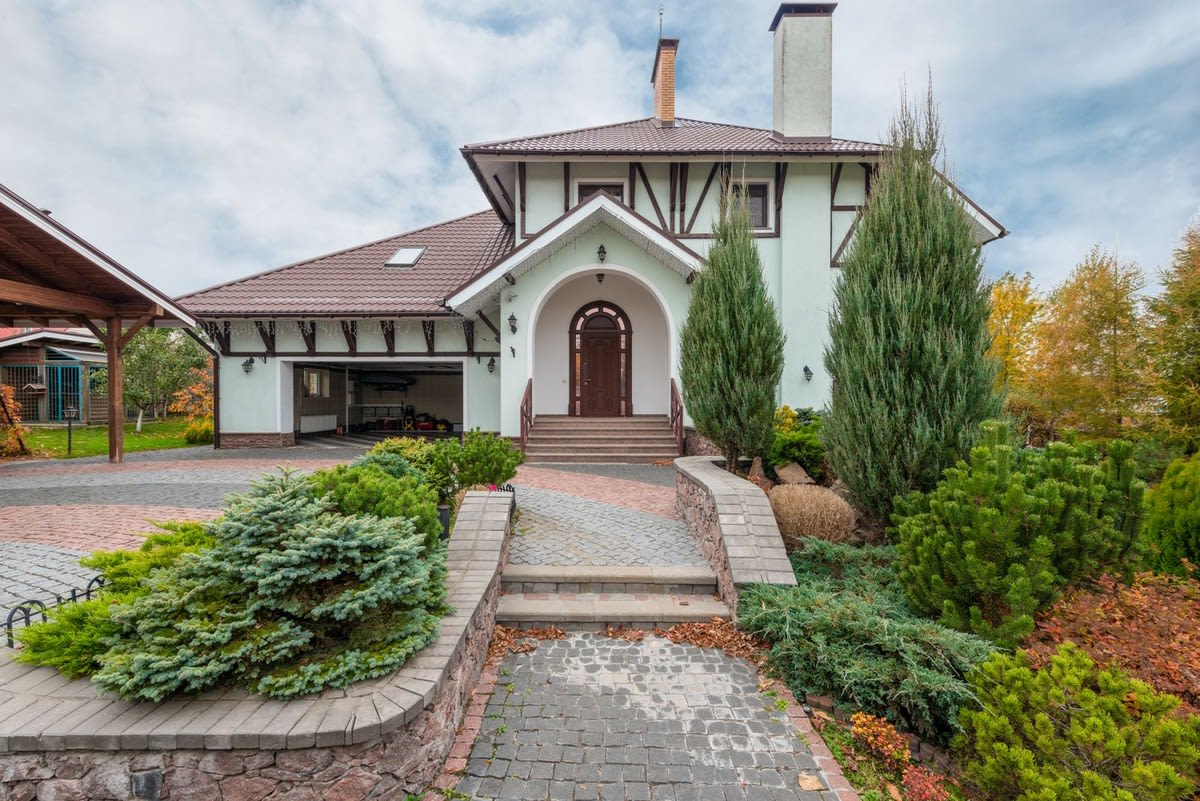
There is one mistake we see more than any other on Derby driveways, and it costs people between £400 and £900 every time. They have a beautiful new resin or block paved driveway laid, they buy an electric car eighteen months later, and then someone has to cut a channel through the middle of it to run a cable. Derby ought to be ahead of this. The city has one of the highest concentrations of automotive and engineering employment in the country between Rolls-Royce, Alstom and the Toyota plant at Burnaston, and EV registrations across Derbyshire have climbed steadily, with battery electric vehicles now well over a fifth of new car sales nationally. If you are having a driveway done in 2026 and there is any chance of an electric car in the next decade, the ducting goes in now. It is the cheapest thing on the quote.
Why the Order of Work Matters So Much
A driveway is a sealed surface. Whatever route the cable needs to take, it has to cross it.
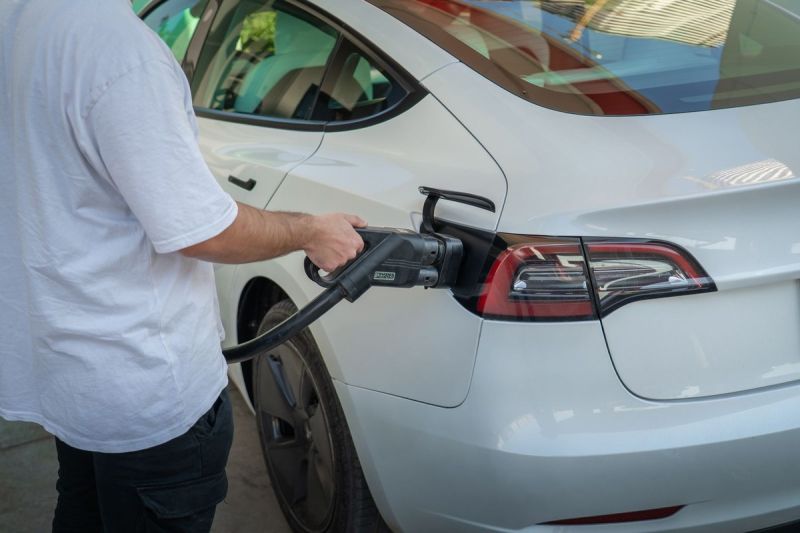
Put a 50mm duct in while the sub-base is open and the extra cost is materials and half an hour of labour. Typically £150 to £400 on a Derby driveway depending on run length, and that includes the draw cord so a cable can be pulled through later without digging anything.
Retrofit the same run afterwards and you are cutting the surface, excavating a trench, backfilling, compacting and reinstating. On block paving that means lifting and relaying blocks, which is doable but never looks quite the same along the cut line. On resin bound it means a saw cut and a patch repair that will always be visible, because resin cures to a slightly different shade batch to batch. On tarmac it is a visible scar for the life of the drive. Expect £400 to £900, and a worse-looking driveway at the end of it.
We fit ducting as standard on any Derby driveway where the customer thinks it is even possible they will want a charger, and it barely registers on the quote. Send us the layout through the Tradesmart Driveways and Landscaping website and we will price it with and without so you can see the difference for yourself.
What Actually Needs to Go In the Ground
The physical requirement is straightforward.
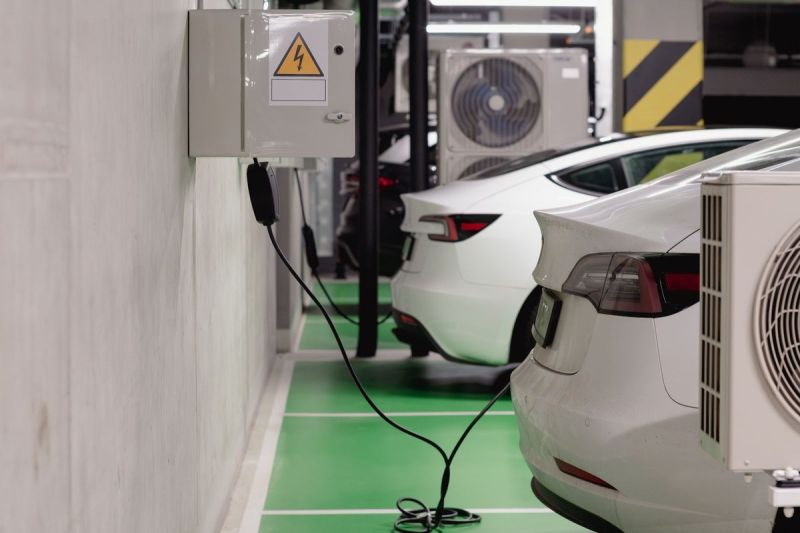
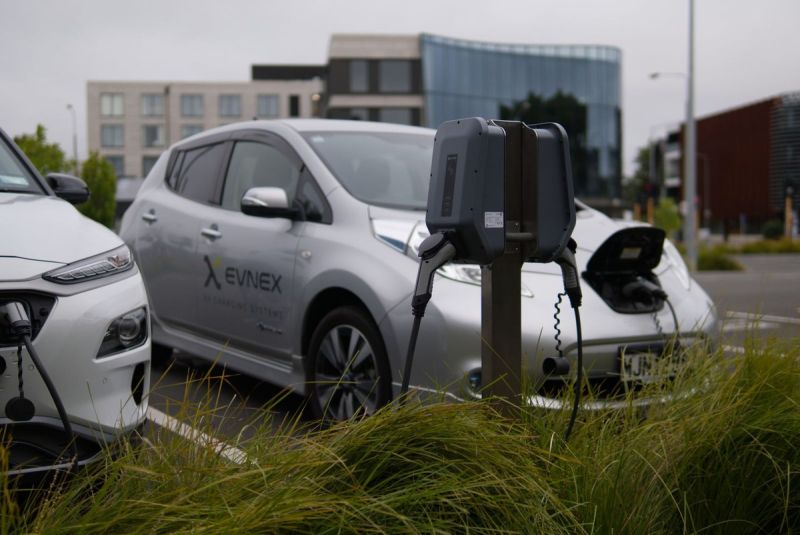
A 50mm or 63mm flexible ducting run from the consumer unit location, usually the meter cupboard or under the stairs, out to wherever the charger will be mounted. Bends kept gentle so cable can be pulled through. A draw cord left in place. Both ends capped and their positions recorded, ideally photographed against a fixed reference before the surface goes down.
Depth matters. Buried cable ducting should sit at least 450mm below finished level under a driveway, deeper where vehicles are heavy, and be marked with warning tape above it. Under a garden or lawn 600mm is the usual figure.
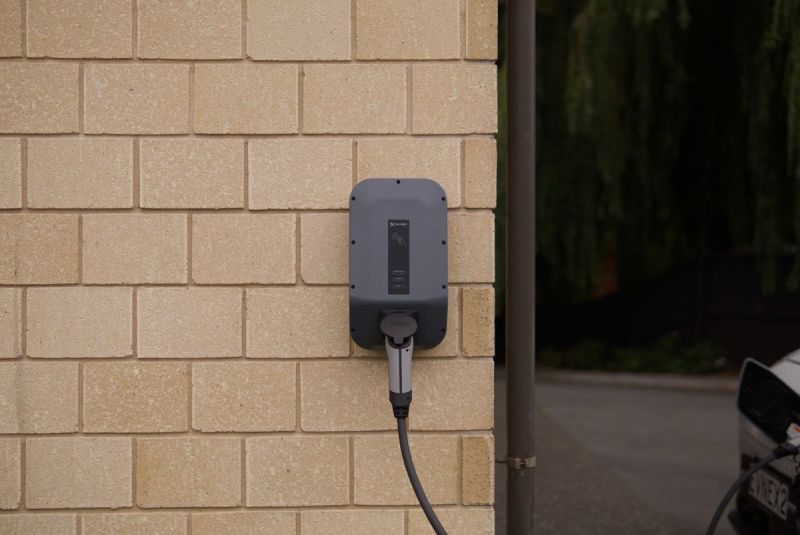
Where the charger goes is worth thinking about properly. It needs to reach the car's charge port, which on most models is at the front nearside or rear offside, and the cable should not cross a walking route. On a typical Derby semi with a driveway down the side, mounting on the house wall about a metre from the front corner covers most parking positions.
The bit people forget: a second duct
Run a second, smaller duct alongside for low-voltage cabling while the trench is open. Driveway lighting, a gate intercom, a camera. It costs almost nothing at that stage and saves the whole problem happening again. We covered the wider outdoor electrics picture in our guide to garden lighting and outdoor electrics in Derby.
What the Charger Itself Costs and Who Can Fit It
A standard 7.4kW single-phase home charger installed in Derby costs £800 to £1,300 in 2026 including the unit, the dedicated circuit and commissioning. Tethered units with an attached cable sit at the upper end. Untethered sockets are slightly cheaper and more flexible if you change cars.
The wiring is not general electrical work. A domestic charge point needs a dedicated radial circuit, appropriate RCD protection, and open PEN conductor fault detection or an earth rod, all covered under Section 722 of BS 7671. It is notifiable under Building Regulations Part P, so the installer must be registered with a competent person scheme such as NICEIC and will issue an electrical installation certificate.
If your consumer unit is old, full, or the incoming supply is a rewireable board from the 1970s, expect a board upgrade at £450 to £900 on top. That is common on the Victorian terraces around Normanton and Pear Tree and on some of the earlier Chaddesden and Allenton stock.
Load management is worth asking about. A 7.4kW charger draws 32A, and on an older 60A or 80A main fuse alongside an electric shower and an oven, that can trip things. Most modern chargers include a current transformer clamp that throttles the charge rate rather than tripping the house, and it is a far cheaper answer than a supply upgrade from the network operator.
Grants, and Who Actually Qualifies
The old universal home charger grant closed some years ago. What remains is narrower.

There is still support for people in flats and rental properties, and for landlords installing chargepoints across their properties. The government's collection of grants for low emission vehicles sets out what is currently open and the eligibility conditions, which change more often than most other grant schemes.
For an owner-occupier in a Derby semi with off-street parking, the honest position is that you will most likely be paying for it yourself. The payback comes from the electricity price rather than the grant. An EV-specific overnight tariff runs at a fraction of the day rate, and charging at home on one of those against paying public rapid charger prices is typically a difference of several hundred pounds a year for an average mileage driver.
Planning, Drainage and the Front Garden Rules
Most home chargepoints on a house wall are permitted development, subject to size and siting limits, and do not need planning permission. Listed buildings and conservation areas are the exception, and Derby has conservation areas including Strutt's Park, Little Chester and parts of the Friar Gate area.
The driveway itself is the part that catches people. If you are creating or enlarging a hard surface of more than five square metres in a front garden, it either needs to be permeable, drain to a soakaway or permeable area within the property, or you need planning permission. The Planning Portal's guidance on paving a front garden covers the rule, and the government's permeable surfacing guidance has the technical detail.
This matters more in Derby than in many places because of the ground. Much of the city sits on Mercia Mudstone, a heavy clay that drains slowly, so a soakaway has to be sized and sited properly or it simply fills up and backs onto the drive. Resin bound and permeable block paving both handle the requirement well. Tarmac and concrete need a drainage solution designed in.
Sizing the Driveway for an Electric Car
Electric cars are heavier than their petrol equivalents, often by 300 to 500kg, and that changes what the sub-base needs to do.
On a driveway carrying a 2.2 tonne electric SUV, we would want at least 150mm of well-compacted MOT Type 1 sub-base under resin or block paving, and more on soft clay ground. Skimping there is what causes rutting and sinking two or three years in, and it is invisible at handover.
Turning circles change too. Cable management is easier if you can park nose-in on one visit and reverse in on the next without the cable stretching across the footway. If you are redesigning the drive anyway, an extra half metre of width is worth more than it looks.
Frequently Asked Questions
How much does it cost to add EV ducting to a new driveway in Derby?
Typically £150 to £400 when it is done as part of the driveway installation, covering the duct, draw cord, trenching and warning tape. Retrofitting the same run after the surface is laid usually costs £400 to £900 and leaves a visible repair line, particularly on resin bound and tarmac.
Do I need planning permission for an EV charger at home in Derby?
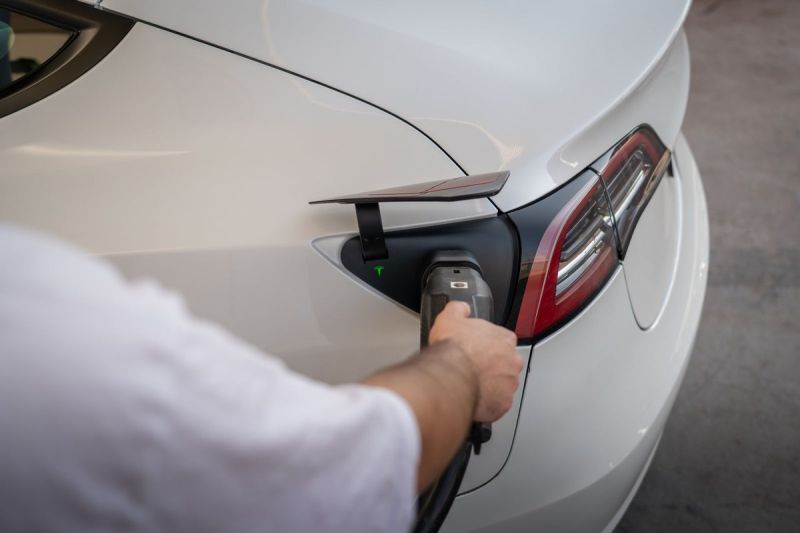
Usually not. Wall-mounted domestic chargepoints are permitted development within size and siting limits. Listed buildings and properties in conservation areas need to check with Derby City Council first, and freestanding units in front gardens have tighter restrictions than wall-mounted ones.
Can any electrician install an EV charge point?
No. The work is notifiable under Part P and must meet Section 722 of BS 7671, which covers open PEN fault detection and dedicated circuit requirements. Use an installer registered with a competent person scheme, and keep the electrical installation certificate they issue.
Will an electric car damage my driveway?
Not if the sub-base is right. Electric cars are heavier than equivalent petrol models, so the construction depth matters more than it used to. On Derby's clay soils, at least 150mm of compacted Type 1 sub-base under the surface layer is a sensible minimum, with a properly designed drainage arrangement.
Ready to work with Trade Smart Driveways & Landscaping?
Let's connect! We’re here to help.
Send us a message and we’ll be in touch.
Or give us a call today at 111-222-3333
Agency Contact Form
More Marketing Tips, Tricks & Tools