Garden Paths and Steps in Derby: Materials, Costs, and Design Ideas
A good path is the quiet backbone of a garden - it's the thing you use every single day and only notice when it's slippery, wonky or full of weeds. Get it right and it ties the whole plot together; get it wrong and you're stepping around puddles for the next decade. In rough terms, a garden path in Derby costs £40 - £160 per m² supplied and laid depending on the material, and garden steps run £80 - £400 each depending on what they're built from. Around half of that spend goes below the surface into the base, which is exactly why cheap paths fail first. Add Derby's 40 - 55 frost nights a year, its roughly 700mm of annual rainfall and the heavy clay under much of the city, and paths and steps become as much about drainage and groundwork as they are about looks. Here's a section-by-section guide to materials, costs and getting it to last.
Why Paths and Steps Are Worth Getting Right in Derby
Paths and steps do more work than any other part of a garden. They carry you to the bins in the dark, they set the route the eye follows, and on a sloping plot they're what makes the garden usable at all. A cracked, moss-covered path or a set of uneven steps is also one of the more common causes of trips and falls at home, so this is a safety job as much as an aesthetic one - especially for older residents and young children.
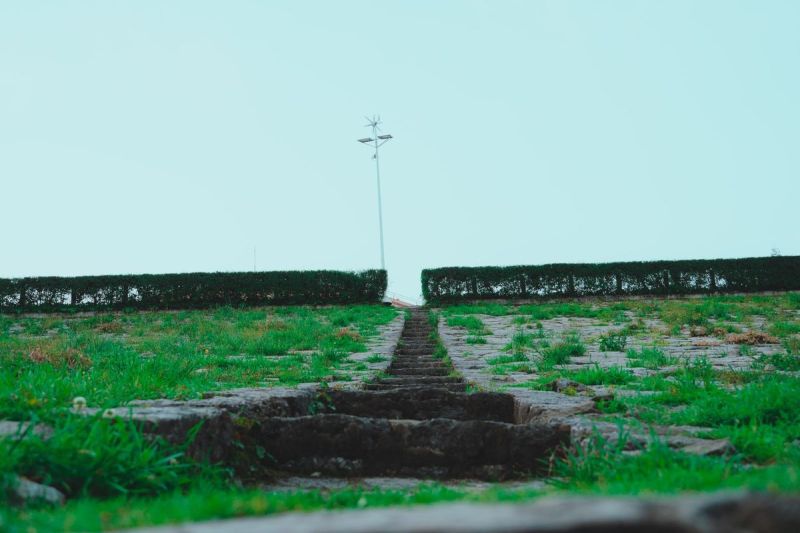
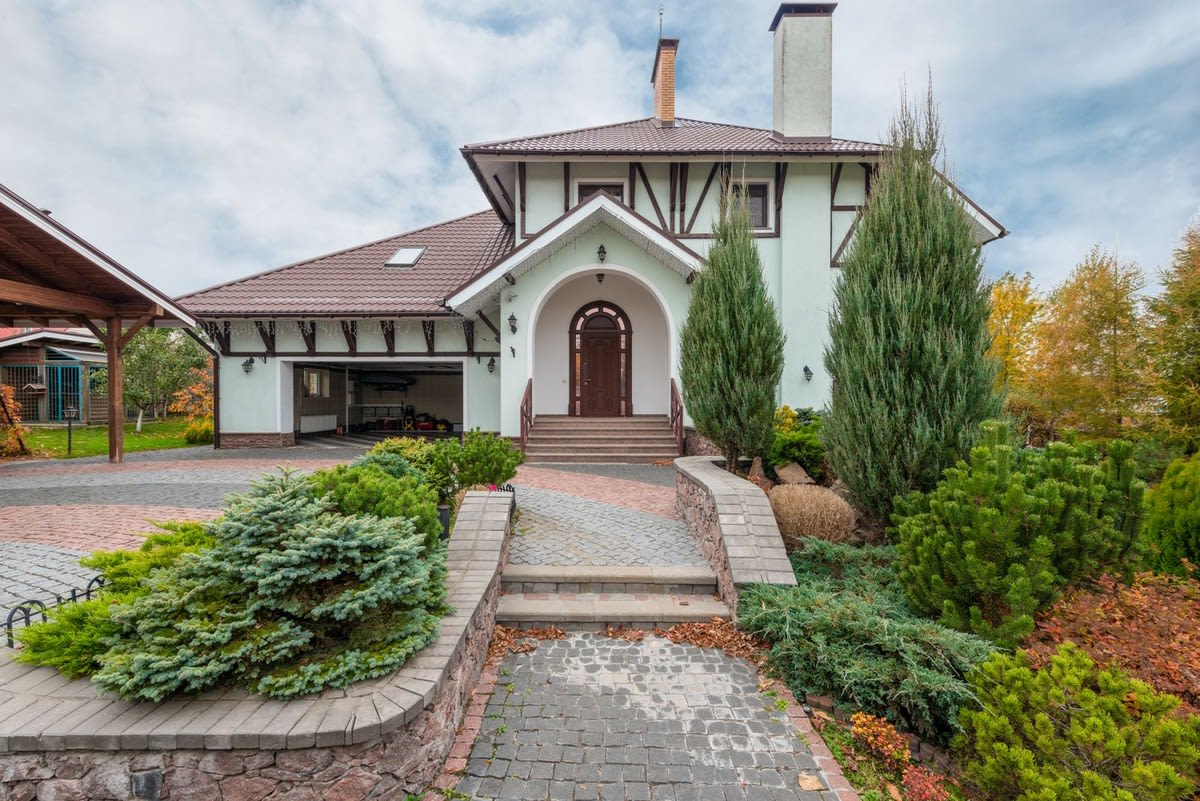
Derby has plenty of gardens that genuinely need steps rather than just want them. The sloping plots common around Allestree, Darley Abbey and parts of Mickleover often drop a metre or more from house to boundary, and a run of steps turns an awkward bank into something you can actually walk and plant. If you'd like someone to walk the plot and price paths and steps together as one scheme rather than piecemeal, Tradesmart Driveways & Landscaping designs and builds both across Derby and can match the materials to the rest of your hard landscaping.
Path Materials and What They Cost per m²
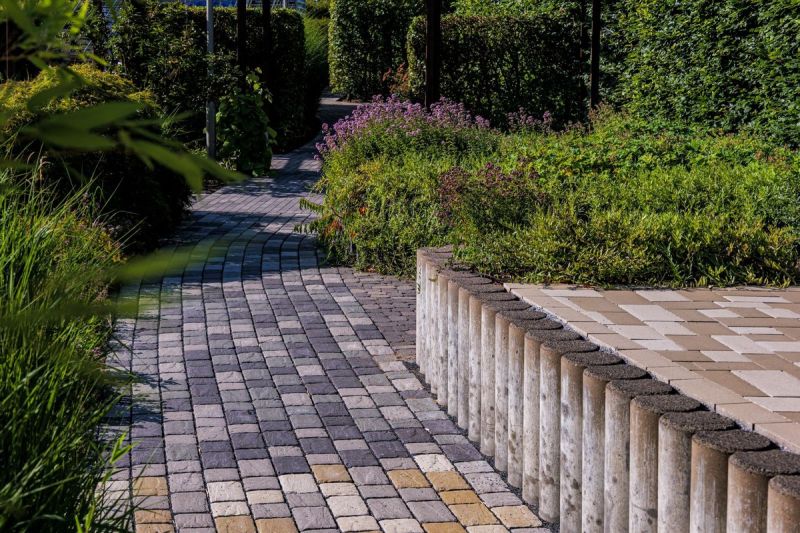
Path prices span a wide range, and the right choice depends on where the path goes and how much traffic it takes. Supplied and laid, gravel is the budget option at £40 - £70 per m², resin-bound sits at £50 - £90 per m², concrete flags and standard paving run £60 - £100 per m², block paving £70 - £110 per m², natural sandstone £90 - £130 per m², and porcelain £110 - £160 per m² for a top-end, low-maintenance finish.
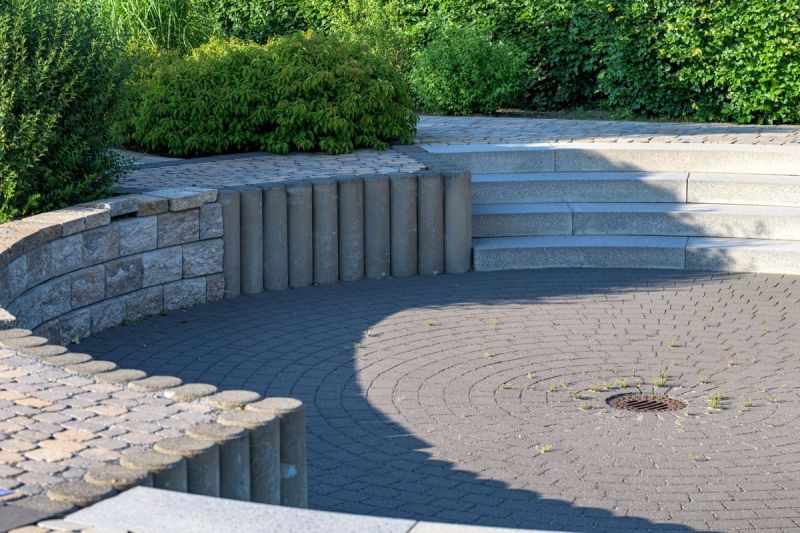
Each has a trade-off worth knowing. Gravel is cheap and permeable but migrates and needs edging and topping up. Resin-bound is smooth, permeable and pushchair-friendly but needs a solid base. Riven sandstone looks the part on a period Derby property but can get slippery with algae in shaded, slow-drying spots. Porcelain is almost maintenance-free and barely absorbs water - under 0.5% of its weight - which makes it excellent through a frosty winter, but it's the priciest and needs skilled laying. A typical garden path is 0.9 - 1.2m wide, so a 10m run in sandstone at 1m wide is around 10m², roughly £900 - £1,300 laid. We put paving materials side by side in our Derby garden landscaping cost guide for 2026, which is handy if you're pricing a whole garden rather than a single path.
Garden Steps: Materials, Costs and Safe Dimensions
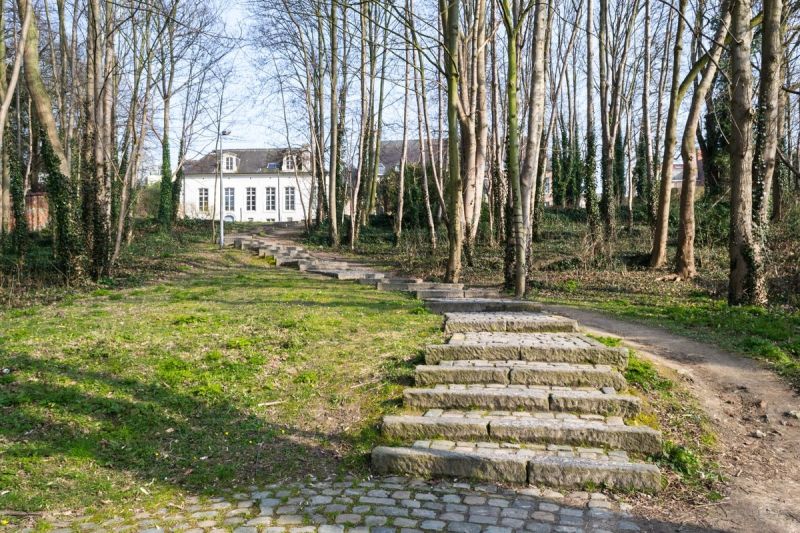
Steps are priced per step, and the material drives the number. Treated timber sleeper steps are the cheapest at £80 - £150 each, making them a favourite for informal, sloping Derby gardens. Concrete or block-and-slab steps run £120 - £250 each, brick steps £150 - £300, and natural stone steps £200 - £400 each once you factor in the cutting and the skill involved. A short flight of four steps up a garden bank therefore lands somewhere between £320 and £1,600 depending on material.
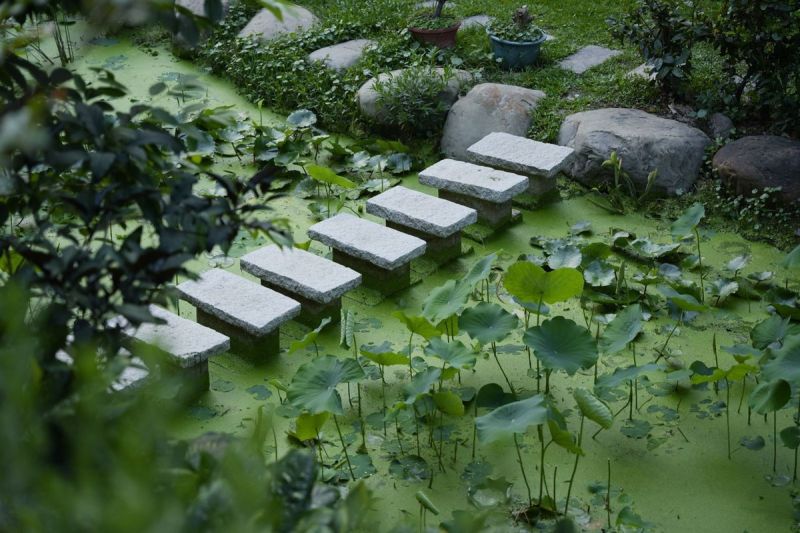
Dimensions are where safety lives, and it's the part DIY jobs most often get wrong. For comfortable, safe garden steps aim for a riser (the height) of 150 - 180mm and a going (the tread depth) of 280 - 350mm, and keep every step in a flight identical - even a 10mm variation between steps is enough to catch a foot. On a steeper Derby bank you may need a landing every 10 - 12 steps to break the climb. Where steps sit within a slope, you'll often need a small retaining wall alongside, and sleeper or block walls do that job neatly - we covered building those in our guide to sleeper retaining walls and raised beds in Derby, which pairs naturally with a stepped path.
Designing Paths and Steps That Work
Good design starts with the route people actually take, not the one that looks neat on paper. A path that ignores the natural desire line just gets bypassed, with a muddy shortcut worn across the lawn beside it. Keep main paths to at least 0.9m so two people can pass and a wheelbarrow fits, and only drop to 0.6m for secondary routes through borders. A gentle curve reads as more relaxed than a dead-straight line and helps a small Derby garden feel longer.
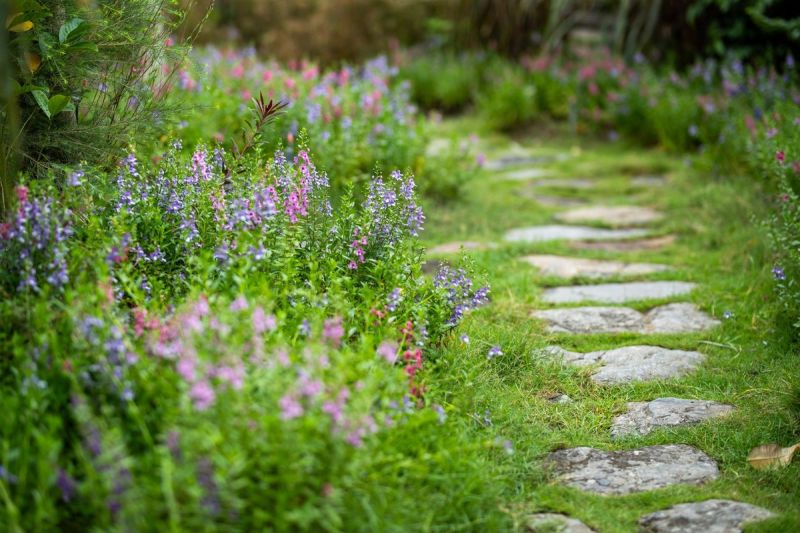
Material choices work best when they talk to each other. Matching or complementing the path to an existing patio or driveway pulls a garden together, while a contrasting stone edge or brick soldier course gives crisp definition and stops gravel wandering. On a slope, alternating short flights of steps with level landings and planting is far more inviting than one long, intimidating staircase - and it gives you spots to pause and plant. Lighting recessed into risers or set low along a path adds real usability for maybe £15 - £40 per fitting and turns steps from a winter hazard into a feature.
How Derby's Clay Soil and Freeze-Thaw Affect Paths and Steps
The ground under much of Derby is heavy clay, and clay is the enemy of a badly built path. It swells when wet and shrinks when dry, shifting up to 40 - 50mm vertically between a soaked winter and a dry summer. Lay slabs or steps straight onto that with a token base and they rock, tilt and crack within a couple of seasons. The answer is a proper sub-base - typically 100 - 150mm of compacted MOT Type 1 under a path, more under steps that carry point loads - bedded and laid to shed water.
Frost piles on the pressure. With 40 - 55 frost nights a year, water that gets into a porous slab, an open joint or the ground beneath freezes and expands about 9%, prising materials apart cycle after cycle through a Derby winter. Porous sandstone left unsealed suffers most; dense porcelain barely notices. This is why the base and the pointing matter more than the surface you can see - and why the same clay-and-frost combination that cracks a cheap path leaves a well-founded one untouched. Whatever material you pick, the groundwork is what buys the years.
Drainage, Permeability and Planning
Water is the other thing to design in, not bolt on. On Derby's slow-draining clay, an impermeable path laid dead flat will hold puddles, so paths want a slight crossfall of around 1:60 to shed water to a border or a channel rather than back towards the house. Permeable choices - gravel, resin-bound or open-jointed paving over a free-draining base - let rain soak straight through, which is a real advantage on heavy ground and keeps surfaces from icing into a slick in cold snaps.
Most garden paths and steps sit comfortably within permitted development and need no planning application, but there are edges to know. If a path forms part of front-garden paving over 5m² with an impermeable surface draining to the road, the same rules covered in the Planning Portal's guidance on paving front gardens and drainage can apply, so permeable is the safe default at the front. Steps and structures near a boundary or forming part of a raised terrace can occasionally trip other rules, so it's worth a quick check on anything ambitious rather than assuming.
Getting the Groundwork and the Contractor Right
Because so much of a path or flight of steps is buried, this is an easy place to be quietly short-changed. When you compare quotes, ask each to state the sub-base depth, the bedding method, how the falls and drainage are handled, and - for steps - the exact riser and going so you know they're building to safe, consistent dimensions rather than eyeballing it. A quote that's silent on the base is usually cutting it.
It pays to vet whoever you hire. Which?'s cost guide for landscape designers and paving work is a useful sense-check on fair pricing and what a proper spec includes, and running a contractor past the TrustMark register of government-endorsed tradespeople takes five minutes and filters out the operators who disappear when a step settles. Get the scope in writing - materials, dimensions, base, drainage and a finish date - and treat a suspiciously cheap quote as a warning, because on paths and steps the saving almost always comes out of the part holding everything up.
---
FAQ
Q: How much does a garden path cost in Derby?
A: Supplied and laid, a garden path runs £40 - £160 per m² depending on the material - gravel is cheapest at £40 - £70 per m², rising through concrete flags and block paving to natural sandstone at £90 - £130 and porcelain at £110 - £160 per m². A typical 10m path at 1m wide in sandstone works out around £900 - £1,300. Around half the cost is the base beneath, which is what makes a path last.
Q: How much do garden steps cost in Derby?
A: Steps are priced per step: treated timber sleeper steps £80 - £150 each, concrete or block-and-slab £120 - £250, brick £150 - £300, and natural stone £200 - £400 each. A short flight of four steps up a garden bank therefore lands roughly between £320 and £1,600 depending on the material and whether a retaining wall is needed alongside.
Q: What are safe dimensions for garden steps?
A: Aim for a riser (height) of 150 - 180mm and a going (tread depth) of 280 - 350mm, and keep every step in a flight identical - even a 10mm difference between steps is enough to catch a foot and cause a trip. On a steep Derby bank, add a landing every 10 - 12 steps to break the climb and make it safer.
Q: Do garden paths and steps need to cope with Derby's clay and frost?
A: Yes, and it's the main reason cheap ones fail. Derby's heavy clay can heave 40 - 50mm between wet and dry seasons, and with 40 - 55 frost nights a year, water that freezes in a poor base or open joint expands about 9% and prises materials apart. A properly compacted sub-base - 100 - 150mm of MOT Type 1 under a path, more under steps - plus the right falls and pointing is what rides that out.
---
Ready to work with Trade Smart Driveways & Landscaping?
Let's connect! We’re here to help.
Send us a message and we’ll be in touch.
Or give us a call today at 111-222-3333
Agency Contact Form
More Marketing Tips, Tricks & Tools