Turning a Front Garden into a Driveway in Derby: Costs, Rules, and What's Involved
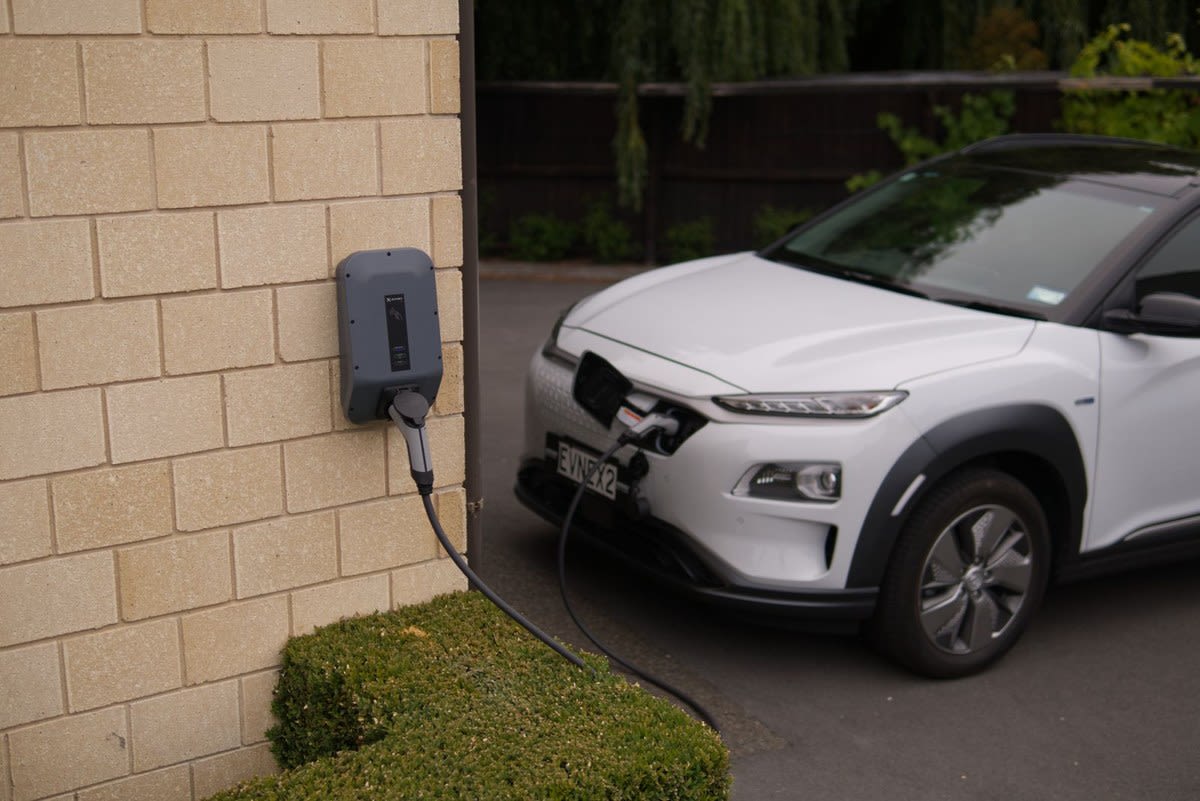
Off-street parking has quietly become one of the most sought-after things a Derby house can have, and for a lot of terraces and semis the only way to get it is to give up the front garden. It's a bigger job than it looks. A typical conversion in Derby runs somewhere between £2,000 and £6,000 all in, depending on size, surface and whether you need a new dropped kerb, and around 60% of that cost is groundwork you'll never see once the job's finished. A private parking space can add roughly 5 - 10% to a property's value in a street where kerbside spaces are scarce, and can shave £50 - £150 a year off a car insurance premium too. But there are three separate hurdles - the driveway itself, the £175 dropped kerb application to Derby City Council, and the drainage rules that catch people out - and getting them in the right order saves both money and months. Here's how the whole thing actually works.
Is Converting Your Front Garden Worth It in Derby?
For a lot of Derby homeowners the answer is a firm yes, and the reason is on-street parking pressure. Whole streets of Victorian terraces around areas like Normanton, Pear Tree and New Normanton were built long before car ownership, so they have no off-street parking at all, and evening competition for kerbside spaces is genuine. Add residents' permit zones near the city centre and the Royal Derby Hospital, and a private space stops being a luxury and starts being a daily time-saver.
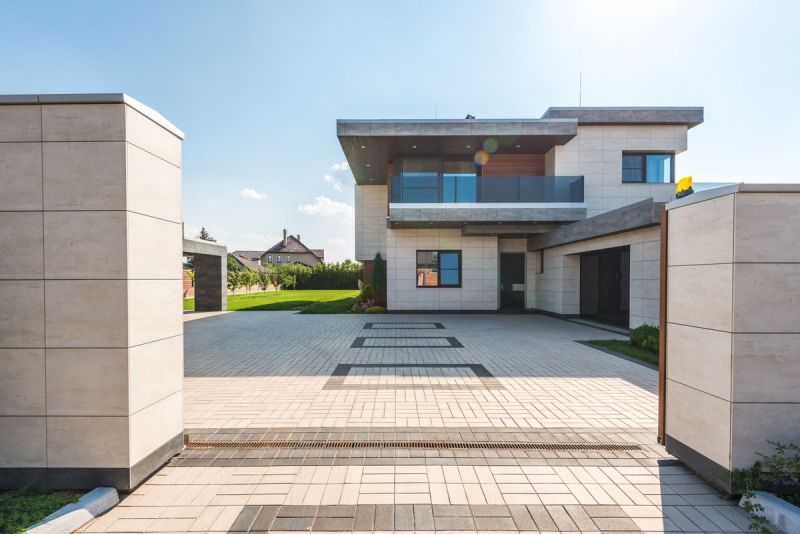
The money side stacks up in two directions. A driveway that removes the daily parking scramble typically adds around 5 - 10% to a home's value in a parking-starved street - on a £180,000 terrace that's £9,000 - £18,000 of value against a £3,000 - £5,000 spend. Insurers also price a car parked off-road as lower-risk, so premiums often drop £50 - £150 a year. If you want someone to look at your actual frontage and tell you honestly whether it's worth it, Tradesmart Driveways & Landscaping converts front gardens across Derby and will price the full job, kerb included, rather than just the easy bit.
What It Costs to Turn a Front Garden into a Driveway
Costs split into three buckets: clearing and excavating the garden, laying the surface, and the dropped kerb. On a typical small Derby front garden of 15 - 25m², here's the surface picture supplied and laid: gravel is the cheapest at £40 - £70 per m², resin-bound runs £50 - £90 per m², tarmac £45 - £80 per m², standard block paving £70 - £110 per m², and permeable block paving £80 - £130 per m².
On top of the surface, budget £30 - £60 per m² for excavating and carting away the old garden, topsoil and any brick wall or hedge - a job that's often underquoted. Clay ground pushes this up because it's heavy and slow to dig. So a real-world 20m² conversion in resin-bound comes out around £2,200 - £3,600 including groundwork, before the kerb. We laid out the surface-by-surface numbers in more detail in our Derby driveway cost comparison for 2026, which is worth a read if you're still weighing materials. The cheapest quote is rarely the cheapest driveway - a thin sub-base saves £400 now and costs you a full relay in five years.
The Dropped Kerb: Derby City Council's Part of the Job
You can lay a beautiful driveway and still be unable to legally drive onto it. Bumping a car up over the standard kerb is a highways offence and can damage the pavement, so you need the kerb formally lowered - a "vehicle crossing" - and in Derby that's Derby City Council's job, not Derbyshire County Council's, because Derby is a unitary authority responsible for its own highways.
The process starts with an application to the council. Derby City Council's guidance on vehicle access and dropped kerbs sets out a £175 non-refundable application fee, which pays for a highways officer to assess whether your proposed access is safe - sightlines, distance from junctions, street furniture and any services under the verge. If it's approved, the physical kerb works must be done by a contractor approved to work on the public highway, and that construction typically costs £1,000 - £2,500 depending on width, whether there's a grass verge to cross and whether a lamp post or drain has to be worked around. Apply early: assessment and works together commonly take 6 - 12 weeks, so it's worth submitting the application before, not after, the driveway is built.
Permeable Surfaces and the Drainage Rules
This is the rule that trips up the most people. Since 2008, if you pave over more than 5m² at the front of a house with an impermeable surface that drains towards the road, you need planning permission. Use a permeable surface, or drain the water to a soakaway or border on your own land, and you stay within permitted development with no application needed. The Planning Portal's guidance on paving your front garden explains the threshold plainly.
For a Derby front garden, permeable is usually the smart default and not just for paperwork. Gravel, resin-bound and open-jointed permeable block paving all let rain soak through, which matters on the city's heavy clay where surface water sits and struggles to drain. Directing a whole street of driveways straight into the road gully is exactly what these Sustainable Drainage (SuDS) rules were written to stop. If you'd rather use an impermeable surface for looks or budget, you can - but you'll need a soakaway designed in, usually £300 - £800, and it has to be a real drainage feature, not water running off the edge and hoping for the best.
How Derby's Clay and Winters Shape the Job
Derby's ground and weather are hard on a badly built driveway. Much of the city sits on heavy clay, especially the lower ground near the Derwent, and clay swells when wet and shrinks when dry - it can move 40 - 50mm vertically between a soaked February and a baked July. Lay a surface on a thin or skipped sub-base and that movement telegraphs straight up as sunken blocks, cracked resin or ponding within a couple of winters.
Then there's frost. Derby gets roughly 40 - 55 frost nights a year and around 700mm of rain, so the freeze-thaw cycle runs hard from October to March. Water that soaks into a porous surface or a poor joint expands about 9% when it freezes, prising materials apart cycle after cycle. The fix for both problems is the same and it's all underground: a properly excavated and compacted sub-base of 150mm or more of MOT Type 1 for a car driveway, with the right fall and edge restraint. That's the 60% of the budget you can't see - and the part that decides whether your driveway still looks new after ten Derby winters.
Space, Access and the Terrace-Street Reality
Before any of this, the frontage has to actually fit a car. You want a usable parking bay of around 4.8m long by 2.4m wide as a minimum, and 5m by 2.6m is more comfortable. Plenty of Victorian terraces in Derby have front gardens only 3 - 4m deep, which means a car will overhang the pavement unless the plot is unusually generous - and overhanging the footway is not allowed. In those cases a conversion simply isn't viable, and an honest contractor will tell you so before taking a deposit.
The 1930s and interwar semis around Chaddesden, Littleover and Mickleover tend to have deeper front gardens of 5 - 7m and existing side access, so they convert far more easily and often take two cars. Bay-fronted terraces can be trickier because the bay eats into the parking width. Measure your usable frontage first: if you can't fit a car fully within your boundary with the kerb lowered, the rest of the plan doesn't matter.
Getting a Quote That Stacks Up
Because so much of the value is buried, front garden conversions are an easy place for a cheap operator to cut corners you can't see on day one. Ask any quote to spell out the sub-base depth (aim for 150mm+), the edge restraints, how drainage is handled to meet the 5m² rule, and whether the price includes the dropped kerb or leaves you to sort it separately - a gap that leaves you with a driveway you can't drive onto.
Vetting matters. Checking a contractor against the TrustMark register of government-endorsed tradespeople takes five minutes and weeds out the operators who vanish when a corner sinks. Get everything in writing - dimensions, surface spec, sub-base, drainage, kerb responsibility and a completion date - and be wary of any quote that's hundreds of pounds below the rest, because that gap almost always comes out of the groundwork. Done properly, a front garden conversion in Derby is one of the better-value improvements you can make; done cheaply, it's a job you pay for twice.
---
FAQ
Q: How much does it cost to turn a front garden into a driveway in Derby?
A: Most conversions land between £2,000 and £6,000 all in. Surfaces run from £40 - £70 per m² for gravel up to £80 - £130 per m² for permeable block paving supplied and laid, plus £30 - £60 per m² to clear and excavate the old garden, plus the dropped kerb. A typical 20m² resin-bound conversion works out around £2,200 - £3,600 before the kerb, which adds a £175 council application fee and £1,000 - £2,500 of highway works.
Q: Do I need a dropped kerb to park on my front garden in Derby?
A: Yes. Driving over a standard kerb to reach your driveway is a highways offence and can damage the pavement, so the kerb must be formally lowered. In Derby you apply to Derby City Council, which is a unitary authority responsible for its own highways, and there's a £175 non-refundable application fee before any works are approved.
Q: Do I need planning permission to pave my front garden in Derby?
A: Only if you cover more than 5m² with an impermeable surface that drains towards the road. Use a permeable surface like gravel, resin-bound or open-jointed permeable block paving, or drain rainwater to a soakaway or border on your own land, and the job stays within permitted development with no application needed.
Q: Will off-street parking add value to my Derby home?
A: In a street where kerbside parking is scarce - which describes many of Derby's Victorian terraces - a private space can add roughly 5 - 10% to the property's value and often reduces car insurance premiums by £50 - £150 a year, since insurers treat a car parked off-road as lower-risk.
---
Ready to work with Trade Smart Driveways & Landscaping?
Let's connect! We’re here to help.
Send us a message and we’ll be in touch.
Or give us a call today at 111-222-3333
Agency Contact Form
More Marketing Tips, Tricks & Tools