Driveway Cost Comparison in Derby: Resin vs Block Paving vs Tarmac vs Gravel (2026)
Choosing a driveway surface in Derby comes down to a trade-off between upfront cost, how long it lasts, and how much upkeep you're willing to do. The four main options - resin, block paving, tarmac, and gravel - span a wide price range, from around £40 per m² for gravel up to £100 per m² for premium block paving. Over a typical 40m² Derby drive that's a difference of thousands of pounds. But the cheapest surface to install isn't always the cheapest to own, once you factor in that a gravel drive might need topping up every few years while resin can run 15 - 20 years untouched. Add in Derby's freeze-thaw winters, the city's mix of 1930s semis and Victorian terraces, and the drainage rules that apply to any new drive over 5m², and the "best value" answer shifts depending on your property. This guide compares all four properly, with a summary table to cut through it.
The Four Surfaces at a Glance
Before the detail, here's the headline 2026 cost picture for Derby, priced per square metre installed:

- Gravel: £40 - £70 per m² - cheapest to lay, most maintenance.
- Tarmac: £45 - £65 per m² - low cost, solid, plain finish.
- Resin bound: £40 - £70 per m² - mid to premium, smooth and permeable.
- Block paving: £60 - £100 per m² - dearest, most repairable, widest style range.
On a standard 40m² Derby driveway that works out to roughly £1,600 - £2,800 for gravel, £1,800 - £2,600 for tarmac, £1,600 - £2,800 for resin, and £2,400 - £4,000 for block paving. Those ranges overlap more than people expect, which is why lifespan and maintenance matter as much as the sticker price.
If you'd like a surface recommendation for your specific property rather than a generic answer, Tradesmart Driveways & Landscaping installs all four across Derby and can quote them side by side so you're comparing like for like. Seeing real numbers for your own drive beats guessing from averages.
Resin Bound Driveways
Resin bound is the surface that has grown fastest in popularity around Derby over the last decade, and it's easy to see why. It's a smooth, seamless finish made of aggregate mixed with clear resin and trowelled on site, costing £40 - £70 per m². For a 40m² drive that's typically £1,600 - £2,800. It suits both modern homes and the smarter end of Derby's period stock because the aggregate colours can be matched to the property.

The big practical advantage is drainage. Resin bound is porous - water drains straight through it - so it usually satisfies planning rules without needing a soakaway, and it doesn't puddle in Derby's wet spells. Lifespan is strong at 15 - 20 years, and maintenance is minimal: an occasional jet wash and a top-up of any loose stone. There's very little to go wrong.
The main caveats are that resin needs a solid, well-drained base to be laid over, and it must be installed in dry conditions above about 5°C, which narrows the window in a Derby winter. Cheap installs over poor bases can craze or lose stone, so this is a surface where contractor quality really shows.
Block Paving Driveways
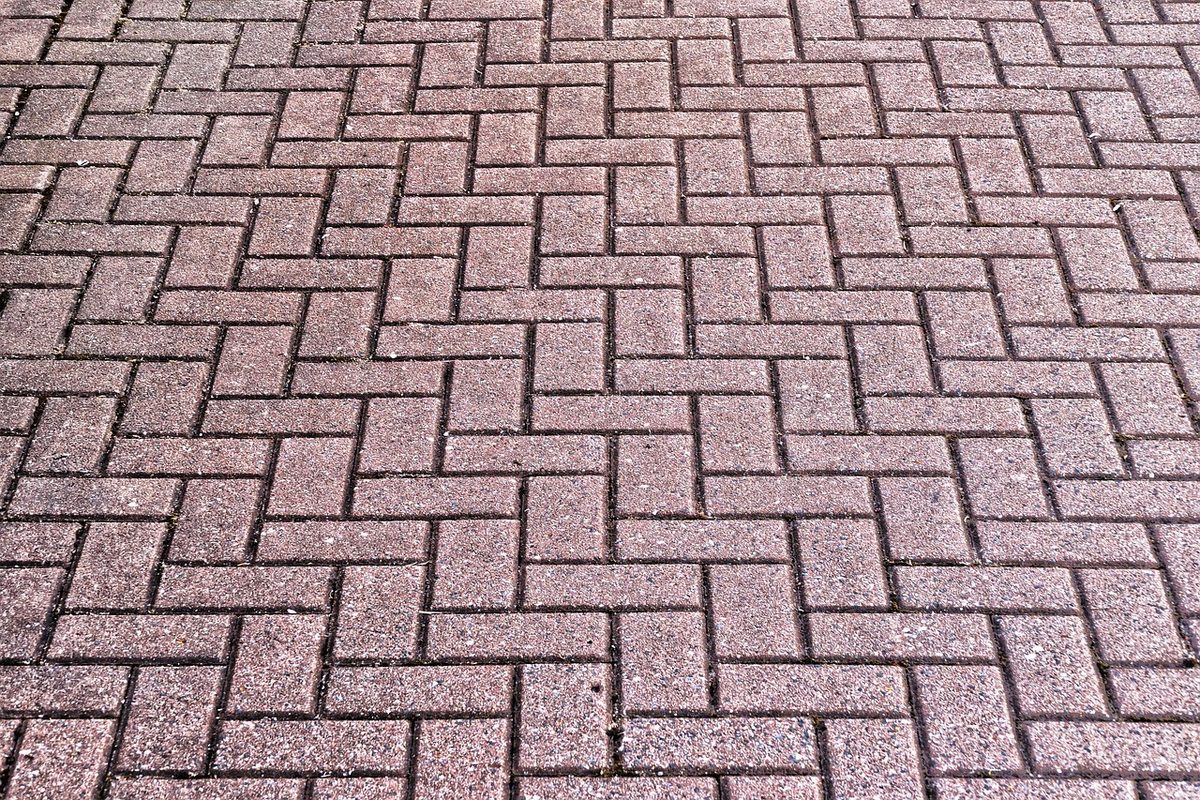
Block paving is the most expensive of the four at £60 - £100 per m², or roughly £2,400 - £4,000 for a 40m² Derby drive. What you get for that is the widest choice of colours, patterns, and block styles, plus a genuinely repairable surface - if one block cracks or sinks, you lift and replace it individually rather than patching the whole drive. That repairability is a real long-term saving.

Blocks handle heavy loads well, which suits driveways where a couple of cars park daily. Lifespan is 20 - 30 years if the edge restraints are properly installed - blocks spread and the pattern distorts without them. We compared this surface directly against resin in our block paving vs resin driveways in Derby guide, which is worth reading if those two are your shortlist.
The downsides are maintenance and weeds. Jointing sand needs topping up, and weeds and moss colonise the joints - a particular nuisance in shadier Derby gardens and north-facing terraces. Standard block paving is also impermeable unless you choose permeable blocks with a wider joint, which affects the planning picture below.
Tarmac Driveways
Tarmac is the value workhorse at £45 - £65 per m², around £1,800 - £2,600 for a 40m² drive. It's quick to lay, hard-wearing, and gives a clean uniform black finish that suits plainer properties and larger drives where block paving would blow the budget. For a big driveway, tarmac is often the only surface that stays affordable at scale.

Lifespan is 15 - 20 years with a good sub-base, though Derby's 40 - 55 annual frost nights test it - water in cracks freezes and levers them open, so edges and low spots wear first. The upside is that tarmac is cheap and easy to repair; a pothole fill or crack seal costs £80 - £350 and buys years. Maintenance is otherwise low.
The trade-offs are looks and drainage. Tarmac offers little in the way of style beyond black, and it's impermeable, so a new tarmac drive over 5m² draining to the road needs planning permission unless you use a porous variant or drain to a border.
Gravel Driveways
Gravel is the cheapest to install at £40 - £70 per m², and often less if the base is simple - roughly £1,600 - £2,800 for 40m², though a basic spread over an existing sound base can come in well under that. It's also naturally permeable, which makes it the easiest surface for satisfying drainage rules, and it drains freely through Derby's wet winters.

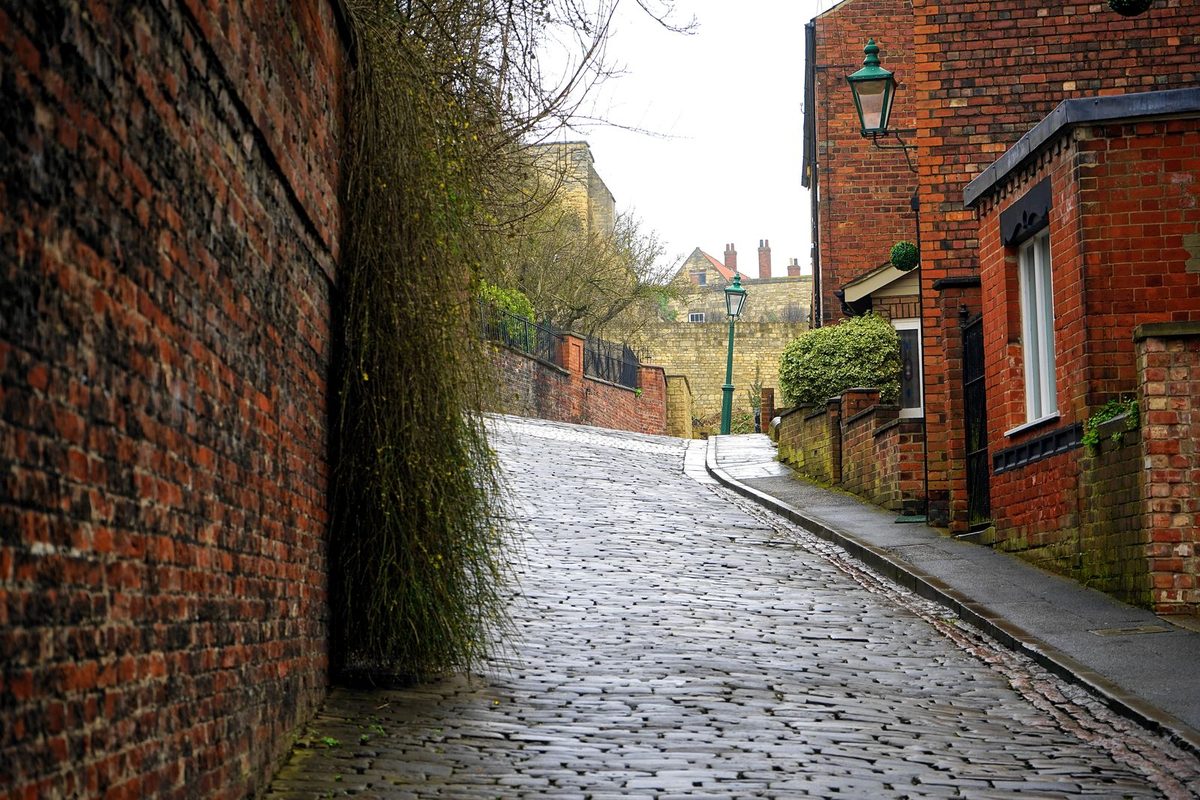
Gravel suits Derby's Victorian terraces and cottage-style properties where a loose, informal finish looks right, and it has a useful security quirk - you hear anyone walking on it. Installation is fast and needs no curing time.
The catch is maintenance and a shorter tidy life. Gravel migrates - it scatters onto pavements, gets thrown up by tyres, and collects in ruts - so it needs raking and topping up every 1 - 3 years, at maybe £100 - £250 a time. It's poor for wheelchairs, prams, and bikes, and without proper edging it spreads onto lawns and paths. For a busy family drive it's often a false economy compared with a harder surface.
Drainage, Planning and Kerb Appeal in Derby
Whichever surface you pick, Derby's drainage rules apply. Since 2008, a new driveway over 5m² that uses an impermeable surface draining to the road needs planning permission. Permeable surfaces - resin bound, gravel, and permeable block paving - and any surface that drains to a lawn or soakaway fall under permitted development. The government's official advice on the permeable surfacing of front gardens sets out exactly what qualifies, and it's worth checking before you commit, especially with the tighter parking of Derby's Victorian terraces where every square metre counts.

Kerb appeal and resale also swing the decision. Block paving and resin generally add the most to how a Derby home presents, while a tidy tarmac drive reads as practical and a gravel drive as informal. For neutral guidance on planning driveway work and vetting quotes, the consumer advice from Which? on home improvements is a good starting point, and checking any installer against the TrustMark register of approved tradespeople confirms they meet government-endorsed standards before you pay a deposit.
Summary Table: Derby Driveway Comparison 2026
The honest takeaway: gravel wins on upfront price but costs you in upkeep, tarmac is the value pick for big plain drives, resin balances looks and low maintenance, and block paving costs most but lasts longest and repairs easily. The right choice depends on your budget horizon, your property's style, and how much maintenance you're willing to take on.
---
FAQ
Q: What is the cheapest driveway surface in Derby?
A: Gravel is the cheapest to install at £40 - £70 per m², and often less over an existing base. Tarmac is close behind at £45 - £65 per m². Gravel's higher maintenance, needing topping up every 1 - 3 years, means it isn't always the cheapest to own long term.
Q: Which driveway surface lasts longest in Derby?
A: Block paving lasts longest at 20 - 30 years and can be repaired block by block. Resin bound and tarmac both last 15 - 20 years, while gravel needs regular topping up and tends to look tired after 10 - 15 years.
Q: Which driveway surfaces avoid needing planning permission in Derby?
A: Permeable surfaces - resin bound, gravel, and permeable block paving - and any surface draining to a lawn or soakaway fall under permitted development. A standard impermeable tarmac or block paving drive over 5m² draining to the road needs planning permission.
Q: Is resin or block paving better value in Derby?
A: Resin costs less upfront at £40 - £70 per m² versus £60 - £100 for block paving, drains freely, and needs little maintenance. Block paving costs more but lasts longer and repairs individually. Resin suits low-maintenance modern looks; block paving suits those wanting maximum lifespan and style choice.
Q: What's the best driveway for a Derby home with drainage or freeze-thaw concerns?
A: Resin bound handles both well - it's porous so water drains through rather than pooling and freezing, which matters given Derby's 40 - 55 annual frost nights. Gravel is also naturally permeable, while tarmac and standard block paving are impermeable unless a porous option is chosen.
---
Ready to work with Trade Smart Driveways & Landscaping?
Let's connect! We’re here to help.
Send us a message and we’ll be in touch.
Or give us a call today at 111-222-3333
Agency Contact Form
More Marketing Tips, Tricks & Tools