Resin Driveway Repairs in Derby: Cracks, Loose Stone, Yellowing and What Each Fix Costs in 2026
Resin bound driveways have been going down across Derby for about fifteen years now, which means the first wave, laid around 2010 to 2014 in Allestree, Mickleover, Chellaston and Oakwood, is reaching the age where faults appear. A well-laid resin driveway on a proper base lasts 20 to 25 years. A badly laid one shows problems inside three. Resin driveway repairs in Derby cost anywhere from £150 for a small patch to £3,500 or more for relaying a section over a failed base, and the gap between those figures depends entirely on what is underneath. Around 80% of the resin faults we are asked to look at in Derby are not resin problems at all. They are base problems, and the resin is just where they show. Here is what goes wrong, what causes it, what can be fixed, and what it costs.
Cracking: Almost Always the Base, Not the Resin
Resin bound surfacing is flexible. Laid at 15 to 18mm over a sound base it moves with the ground and does not crack on its own. When a resin driveway in Derby cracks, it is because the base beneath it has cracked or moved, and the resin has simply followed.
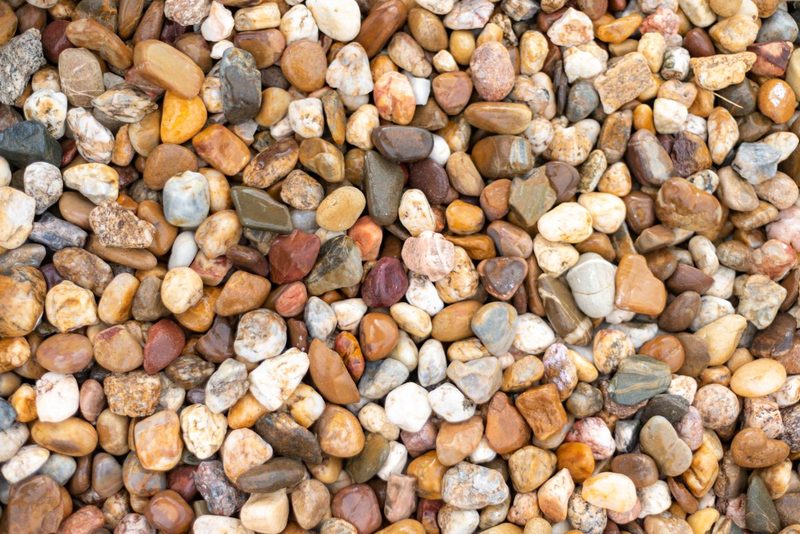
The usual culprits are a tarmac or concrete base laid too thin, a base laid over unconsolidated hardcore that has settled, or a resin surface laid straight onto an old concrete drive that already had cracks and expansion joints in it. Derby's soils make this worse than in many places. Large parts of the south and west of the city, around Littleover, Sunnyhill and Mickleover, sit on Mercia Mudstone clay that shrinks in dry summers and swells in wet winters. A base that was fine in 2015 can be moving by 2022 if the ground under it was not compacted properly.
A hairline crack following an old joint in a concrete base can be cut out and filled with matching resin and aggregate for £150 to £350 a metre, and it will show as a faint line. A crack pattern spreading across an area means the base is failing, and the only lasting fix is to lift the resin, sort the base and relay, at £70 to £110 per square metre.
If your resin drive has started cracking and you want to know whether it is a patch or a relay, Tradesmart Driveways & Landscaping surveys existing resin surfaces across Derby and will say which it is before quoting.
Loose Stone and Bald Patches
Aggregate coming loose is the second most common complaint, and it has three distinct causes with three different fixes.
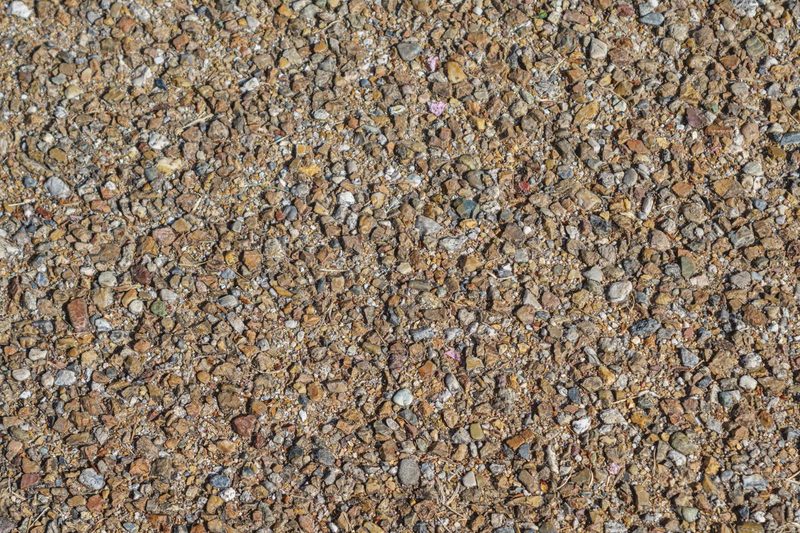
The first is a resin mix that was too lean, meaning not enough resin for the volume of stone. Every stone should be fully coated, and a lean mix leaves stones bonded only at the points where they touch. These start shedding in the first year, usually at the edges and in the tyre tracks. The second is laying in the wrong conditions. Resin bound surfacing cannot be laid below about 5°C or when rain is due, and it needs the base dry. A drive laid on a damp November afternoon in Derby, where the city sees around 120 wet days a year, will have moisture trapped under the resin and will shed stone in patches. The third is simple wear at high-stress points: where a car turns its wheels while stationary, at the point a wheelie bin is dragged across every week, and at the threshold to the road.
Small bald patches under half a square metre can be repaired by cleaning back to sound material, priming and laying fresh mixed resin and matching aggregate, at £120 to £250 per patch. The repair will be visible until it weathers, typically six to twelve months. Widespread shedding across a drive laid lean or laid wet cannot be patched sensibly, and the honest advice is a re-topping: a new 15mm layer of resin bound over the old, once the old surface is sound, at £45 to £65 per square metre.
Block Paving, Tarmac and Resin: Which Repairs Better
Resin is easier to patch than tarmac and harder to patch invisibly than block paving, where a single block can be lifted and replaced. We covered the block paving side in our guide to block paving repairs and relaying in Derby, and the comparison is worth having in mind if you are choosing a surface now rather than repairing one: block paving repairs are cheaper and less visible, resin repairs are less frequent but more noticeable when they happen.
Yellowing and Colour Change
Resin comes in two chemistries. Aliphatic resin is UV stable and holds its colour. Aromatic resin is cheaper, by around £8 to £12 per square metre on a typical drive, and turns yellow or amber in sunlight over two to five years. On a dark aggregate it barely shows. On a light buff, silver or grey stone, which are the most popular colours in Derby, it turns a fresh grey drive into a dirty yellow one.
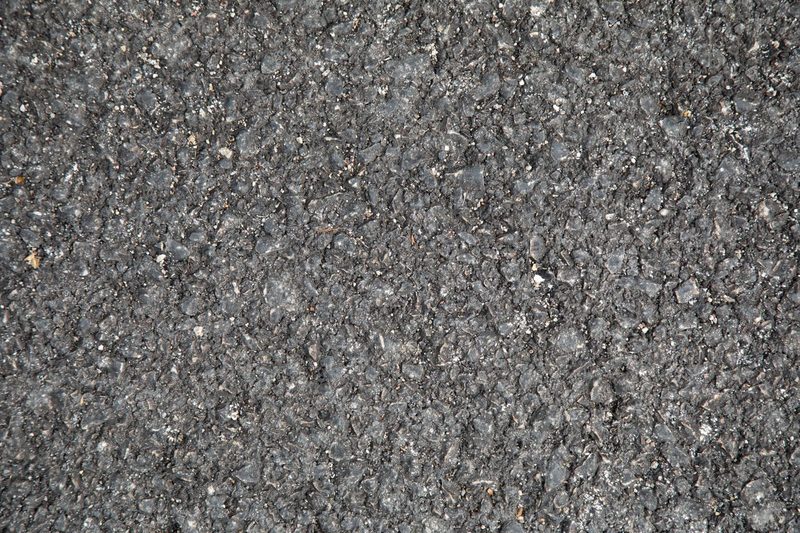
There is no repair for aromatic yellowing. It is throughout the resin, not on the surface, and no cleaning or sealing will reverse it. The only fix is a new aliphatic layer over the top at £45 to £65 per square metre, or living with it. Before buying a resin driveway, the question to ask is not "is it UV stable" but "is it aliphatic", and to get that written on the quote. The Federation of Master Builders' advice on getting written quotes is the general principle, and on resin it matters more than most trades because the two resins look identical on the day they go down.
Oil, Tyre Marks and Weeds
Oil stains are the most common cosmetic complaint on resin in Derby and the easiest to deal with if caught quickly. Fresh oil lifts with a degreaser and hot water within a day or two. Old oil that has soaked into the resin will not fully come out, though it fades over a year. Tyre marks from hot tyres in summer, black rubber transferred onto light aggregate, clean off with a stiff brush and a mild detergent and are not damage.
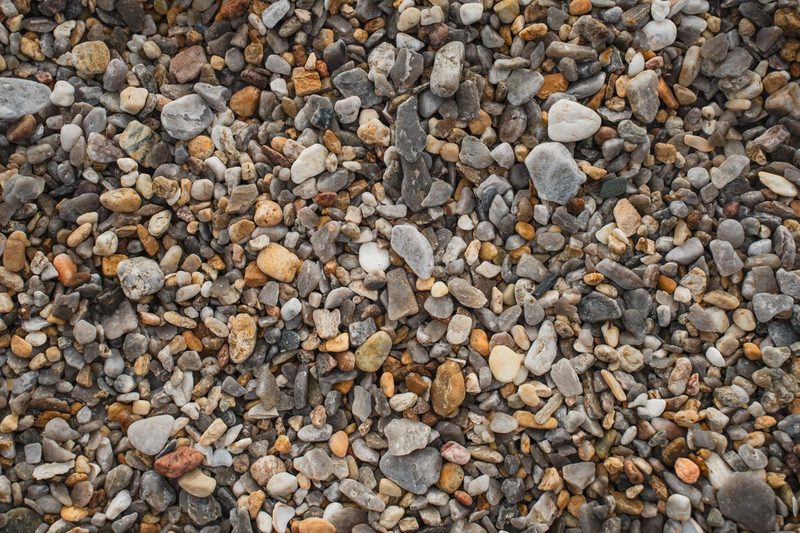
Weeds do not grow through resin bound surfacing. They grow in the debris that collects on top of it, seeds from the Derbyshire limes and sycamores that line many of the older Derby streets landing in a thin layer of dust and taking root. A jet wash at moderate pressure once or twice a year, followed by a household weedkiller on anything that persists, keeps the surface clean. High-pressure washing at close range will lift stones from a resin surface, so keep the lance at 30cm or more and use a fan setting.
Drainage Failure on Permeable Resin
Resin bound is sold as permeable, and on an open-graded base with a proper sub-base it is. Water passes through the resin, through the stone base, and into the ground. The permeable claim is what lets a resin drive avoid planning permission under the government's rules on permeable surfacing of front gardens, which require any new front driveway over 5 square metres to drain to a permeable surface or to a soakaway rather than the road.
Two things break it. A resin surface laid over an old sealed concrete or tarmac base is not permeable, whatever the brochure said, because the water gets through the resin and then sits on the base. Puddles forming after rain, and a green film of algae in the low spots, are the tell. The other is silting: over five to ten years fine dust fills the voids in the resin and it stops draining. Jet washing at moderate pressure clears most silting. A resin drive over a sealed base cannot be made permeable without lifting it, and if it is draining to the road it may be a planning breach that surfaces when the house is sold.
What Resin Driveway Repairs Cost in Derby in 2026
Pulling the figures together:
- Small patch repair for loose stone, under half a square metre: £120 to £250
- Crack repair following an old base joint, per metre: £150 to £350
- Re-topping a whole driveway with new aliphatic resin bound over a sound existing surface: £45 to £65 per square metre
- Lifting and relaying a failed section including base repair: £70 to £110 per square metre
- Full replacement including a new base, where the original base is beyond saving: £90 to £140 per square metre
- Deep clean and re-seal to refresh a tired surface: £6 to £12 per square metre
Derby has a good number of driveway installers who will lay resin, and a much smaller number who will repair someone else's. Repair work is fiddly, it does not always match, and installers would rather sell a new drive. That is worth knowing when a firm looks at a patchable fault and quotes a full replacement. Ask why, ask what is wrong with the base, and get a second opinion before spending £5,000 on a problem that a £300 patch would have solved. Equally, a firm that offers to patch a drive with a crack pattern across half of it is selling a repair that will be back within the year.
Frequently Asked Questions
Why is my resin driveway cracking?
Because the base underneath it has cracked or moved. Resin bound surfacing is flexible and does not crack on its own. Thin bases, poorly compacted hardcore, old cracked concrete under the resin and Derby's shrinking clay soils are the usual causes. A single crack along an old joint can be filled; a spreading crack pattern means the base needs sorting.
Can loose stones on a resin driveway be repaired?
Yes for small patches, at £120 to £250 each, by cleaning back and laying fresh matched resin and aggregate. Widespread shedding from a lean mix or a drive laid in damp or cold conditions is better dealt with by re-topping the whole surface at £45 to £65 per square metre.
Why has my resin driveway turned yellow?
It was laid with aromatic resin, which is cheaper and yellows in sunlight over two to five years. It cannot be cleaned or reversed. The only fix is a new layer of UV-stable aliphatic resin over the top. Always get "aliphatic" written on a resin driveway quote.
How much does it cost to repair a resin driveway in Derby?
From £120 for a small patch to £150 to £350 per metre for crack repairs, £45 to £65 per square metre to re-top a whole drive, and £70 to £110 per square metre to lift and relay a section over a failed base. A full replacement including a new base runs £90 to £140 per square metre in 2026.
Ready to work with Trade Smart Driveways & Landscaping?
Let's connect! We’re here to help.
Send us a message and we’ll be in touch.
Or give us a call today at 111-222-3333
Agency Contact Form
More Marketing Tips, Tricks & Tools