Garden Patio Costs in Derby: A 2026 Price Guide by Material
Working out what a patio costs in Derby is trickier than it looks, because the headline price per square metre only tells half the story. In 2026 you're looking at anywhere from around £80 per m² for a basic concrete or block finish up to £150 per m² for premium porcelain, fully installed. On a typical 20m² Derby patio that's a swing of well over £1,400 between the cheapest and dearest options. Then there's the groundwork, drainage and edging that every job needs regardless of the slab you pick, which can add 20 - 40% on top. Derby's freeze-thaw winters, with 40 - 55 frost nights a year, also punish porous materials and cheap pointing, so the right choice isn't always the cheapest one. This guide breaks the cost down material by material, with a summary table so you can see where your money actually goes.
What Goes Into a Patio Price in Derby
Before comparing materials, it helps to know what you're paying for. The slab itself is usually only 30 - 50% of the total. The rest is labour, excavation, a compacted sub-base, a bedding layer, jointing and edge restraints. A proper patio build in Derby means digging out 150 - 200mm, laying and compacting hardcore, then a mortar or bedding bed, so two people might spend 3 - 5 days on a 20m² job before a single slab is grouted.
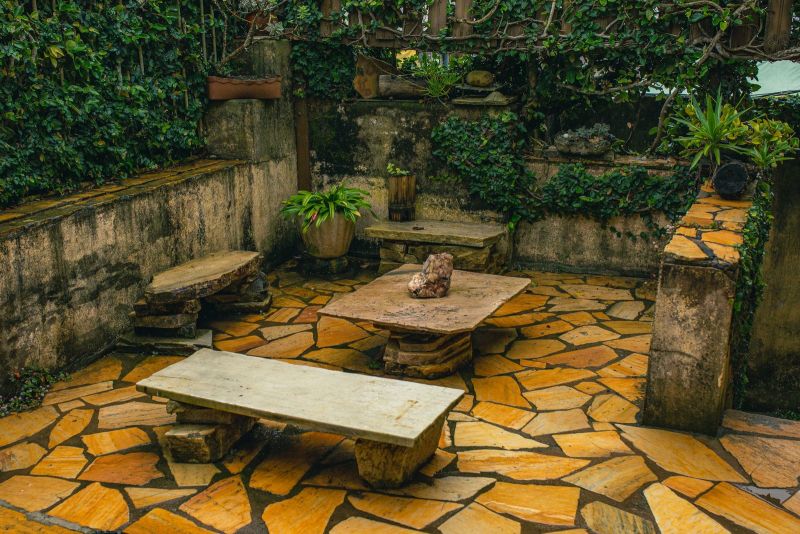
Access matters too. Many Derby homes - especially Victorian terraces in areas like Normanton and New Normanton - have no side access, so every barrow of muck out and material in goes through the house or down a narrow entry. That can add £200 - £500 in labour compared with a semi that has a wide side gate. If you want a survey and a fixed quote for your own garden, Tradesmart Driveways & Landscaping covers patios across Derby and can price the groundwork separately so you can see the real breakdown.
Falls and drainage are the last hidden cost. A patio needs a slight slope - roughly 1:80 - to shed water away from the house, and in Derby's clay-heavy soils a soakaway or channel drain is often needed. Budget £150 - £600 for drainage depending on how far the water has to travel.
Sandstone Patios: £90 - £120 per m²
Indian sandstone is still the most popular patio material in Derby gardens, and for good reason. At £90 - £120 per m² installed, it sits in the mid-range, and for a 20m² patio you're looking at roughly £1,800 - £2,400. The natural riven surface and warm colour tones suit both period properties and 1930s semis, which make up a big slice of Derby's housing.
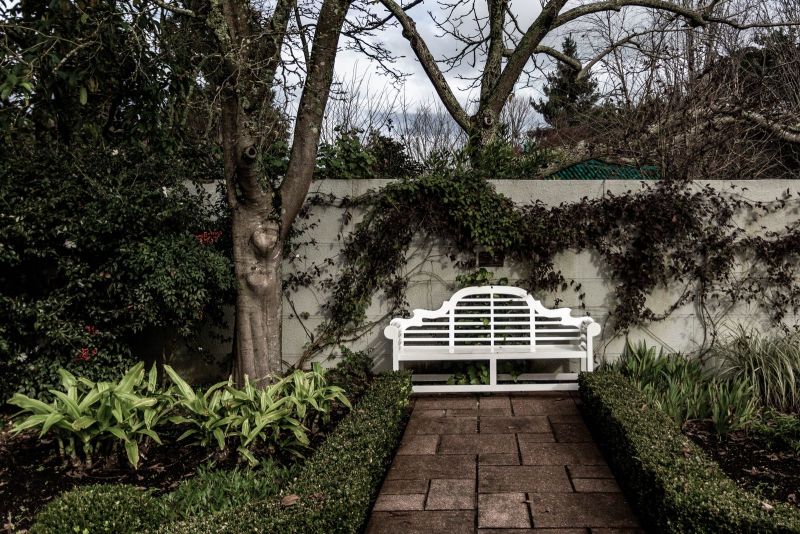
The catch is that sandstone is porous. It soaks up water, which in Derby's wet winters means it can green up with algae and, if badly pointed, suffer frost damage as trapped water freezes and expands. Sealing it every couple of years helps, at around £3 - £5 per m² in materials, and keeps the colour fresh. Calibrated (uniform-thickness) sandstone costs a little more than hand-cut but lays faster and truer.
Lifespan is strong at 20 - 30 years if it's laid on a full mortar bed rather than dabs, and if the joints are filled properly with a brush-in resin compound. Sandstone laid on five dabs of mortar is the single most common cause of rocking, cracked slabs in Derby gardens, so this is a material where fitting quality really shows.
Porcelain Patios: £110 - £150 per m²
Porcelain is the premium choice and the fastest-growing material in Derby over the last few years. At £110 - £150 per m² installed - about £2,200 - £3,000 for a 20m² patio - it's the dearest option here, but it earns a lot of that back in performance. The tiles are almost non-porous, with water absorption under 0.5%, so they shrug off Derby's freeze-thaw cycles, don't stain, and stay virtually algae-free.
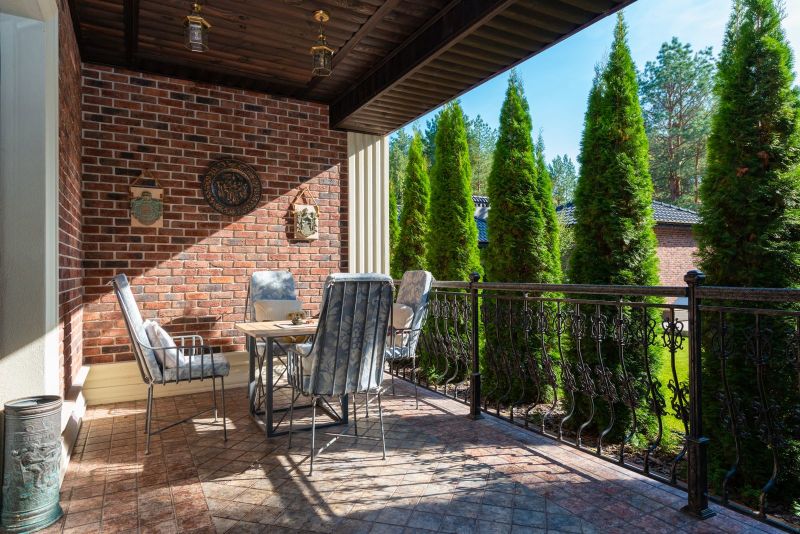
The look is sharp and contemporary, with consistent colour and thin, crisp joints. Many ranges mimic natural stone or timber convincingly. Because the tiles are so dense, they need a slurry primer on the back before laying, which adds a little labour, and cutting them requires a proper wet saw - not a job for a general builder without the right blade.
Maintenance is the real saving. A porcelain patio needs little more than a wash down; there's no sealing and no annual scrub. Over a 25 - 30 year life that low upkeep often makes porcelain cheaper to own than sandstone despite the higher upfront cost, which is why more Derby homeowners are choosing it for low-fuss gardens.
Block Paving Patios: £80 - £110 per m²
Block paving isn't just for driveways - it makes a hard-wearing, budget-friendly patio too, at £80 - £110 per m² installed, or around £1,600 - £2,200 for 20m². The big advantage is repairability: if a block cracks, stains or sinks, you lift and swap that one block rather than disturbing the whole patio. For families with kids and garden furniture being dragged about, that's genuinely useful.
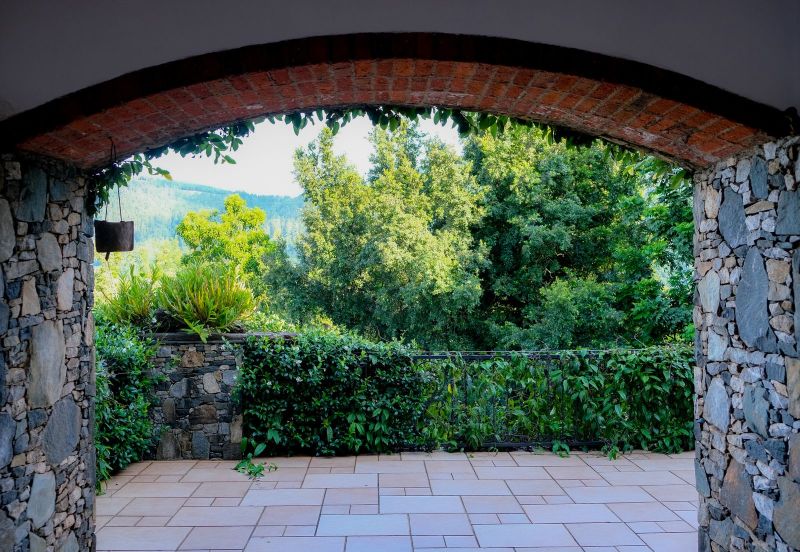
Blocks come in a wide range of colours and can be laid in herringbone, basketweave or stretcher-bond patterns, so you can match a patio to an existing block driveway - a popular request in Derby's newer estates in Mickleover and Oakwood. The interlocking laying pattern spreads load well and copes with foot traffic and furniture without cracking.
The downside is the joints. Kiln-dried sand between blocks needs topping up, and weeds and moss colonise the gaps, especially in shadier, north-facing Derby gardens. Using a polymeric jointing sand cuts the weeding right down, at a small extra cost. Lifespan is 20 - 25 years with proper edge restraints, which stop the blocks spreading and the pattern drifting over time.
Concrete and Concrete-Slab Patios: £80 - £100 per m²
Concrete is the value end of the market, whether that's poured/imprinted concrete or pressed concrete paving slabs. Expect £80 - £100 per m² installed, so roughly £1,600 - £2,000 for a 20m² Derby patio. Pressed concrete slabs now mimic natural stone surprisingly well at a fraction of sandstone's cost, which makes them a sensible pick for a tight budget or a larger area.
Poured and pattern-imprinted concrete gives a seamless, joint-free finish that weeds can't grow through, which some Derby homeowners prefer for low maintenance. It does need to be sealed and re-sealed every 3 - 5 years to keep the colour and stop surface crazing, at around £4 - £6 per m² each time.
The honest weakness is Derby's frost. Cheaper concrete slabs can absorb water and spall - flake at the surface - after repeated freeze-thaw cycles, and imprinted concrete can develop hairline cracks if the sub-base moves. Lifespan is typically 15 - 25 years, shorter than porcelain or well-laid stone, but for the price it remains the most affordable way to get a solid, usable patio.
Choosing the Right Patio Material for Your Derby Garden
The best material depends on your budget, your garden's aspect and how much upkeep you're willing to do. A shady, north-facing Derby garden that greens up quickly leans towards porcelain or sealed concrete, which resist algae. A sunny plot where looks and warmth matter suits sandstone. A busy family space where things get dragged and dropped is well served by block paving you can repair block by block.
Drainage is a planning point worth flagging. A patio itself rarely needs planning permission, but if it forms part of a larger paved front garden that drains to the road, the same rules as driveways can apply - the government's guidance on the permeable surfacing of front gardens explains when permeable materials or a soakaway are needed. For most rear patios you're free to build, but you must keep water draining within your own boundary rather than onto a neighbour's plot.
Whichever material you choose, fitting quality decides how long it lasts. For neutral advice on hiring and vetting quotes, the consumer guidance from Which? on finding and using a builder is a sensible read, and checking any installer against the TrustMark register of approved tradespeople confirms they meet government-endorsed standards before you pay a deposit. If you're weighing surfaces more broadly, our Derby driveway cost comparison covers the same value-versus-lifespan trade-off for the front of the house.
Summary Table: Derby Patio Costs by Material 2026
The takeaway: concrete and block paving win on upfront price, sandstone offers the best natural look for the money, and porcelain costs most but resists Derby's frost and needs almost no upkeep - often making it the cheapest to own over its life. Match the material to your garden's aspect and your appetite for maintenance, not just the sticker price.
---
FAQ
Q: How much does a patio cost in Derby in 2026?
A: A new patio in Derby costs roughly £80 - £150 per m² installed depending on material - around £80 - £110 for concrete or block paving, £90 - £120 for sandstone, and £110 - £150 for porcelain. On a typical 20m² patio that's about £1,600 at the budget end up to £3,000 for premium porcelain, before any extra drainage or difficult-access costs.
Q: What is the cheapest patio material in Derby?
A: Concrete slabs and block paving are the cheapest at £80 - £110 per m², roughly £1,600 - £2,200 for a 20m² patio. Concrete is the lowest upfront cost but needs re-sealing every few years and is more prone to frost spalling than porcelain or well-laid stone.
Q: Which patio material is best for Derby's frosty winters?
A: Porcelain is the most frost-resistant, with water absorption under 0.5%, so it shrugs off Derby's 40 - 55 annual frost nights without spalling or cracking. Block paving copes well too, while porous sandstone and cheaper concrete are more vulnerable to freeze-thaw damage unless sealed and laid on a full mortar bed.
Q: Do I need planning permission for a patio in Derby?
A: A standard rear patio usually needs no planning permission, but water must drain within your own boundary. If a patio forms part of a larger paved front garden draining to the road, the permeable surfacing rules that apply to driveways can also apply, so permeable materials or a soakaway may be required.
Q: Why do patio quotes in Derby vary so much?
A: Because the slab is only 30 - 50% of the cost. The rest is groundwork, sub-base, drainage and edging, plus access - Victorian terraces with no side access can add £200 - £500 in labour. Two quotes for the same material can differ by hundreds of pounds depending on how thoroughly the base is built.
---
Ready to work with Trade Smart Driveways & Landscaping?
Let's connect! We’re here to help.
Send us a message and we’ll be in touch.
Or give us a call today at 111-222-3333
Agency Contact Form
More Marketing Tips, Tricks & Tools