Tarmac Driveway Repairs in Derby: Costs, Options, and When to Resurface
Tarmac is one of the most common driveway surfaces in Derby, and it's also one of the most repairable. A patch of crumbling edge, a pothole near the dropped kerb, or a spider's web of surface cracks doesn't automatically mean you need a whole new drive. In many cases a targeted repair costing £150 - £600 buys you several more years. The trick is knowing which problems are cosmetic and which are telling you the base has failed. Tarmac laid over a poor sub-base rarely lasts, and Derby has plenty of 1930s semis whose original drives were never built for today's heavier cars. Across the UK a well-installed tarmac driveway lasts 15 - 20 years, but repeated freeze-thaw cycles in the East Midlands can knock years off that. This guide walks through the common repair types, what each costs in Derby, and the point where resurfacing beats patching.
Why Tarmac Driveways Fail in Derby
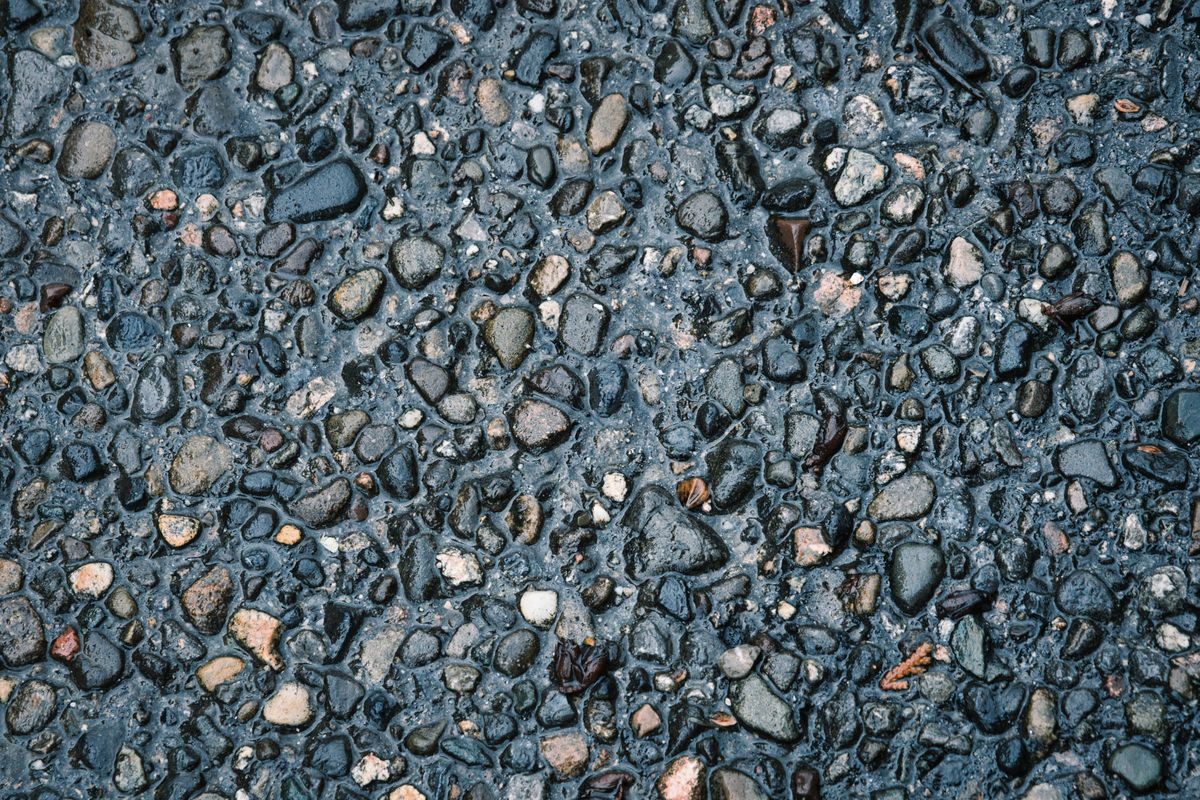
Tarmac fails from the bottom up more often than the top down. The surface you see is only 20 - 40mm thick; underneath sits a sub-base of compacted stone that carries the real load. When that base is thin, poorly compacted, or laid straight onto soft ground, the tarmac flexes under every car and eventually cracks. A lot of the older drives around Derby's 1930s semis in areas like Littleover, Chaddesden, and Allestree were laid decades ago over minimal foundations, and they're now well past their design life.
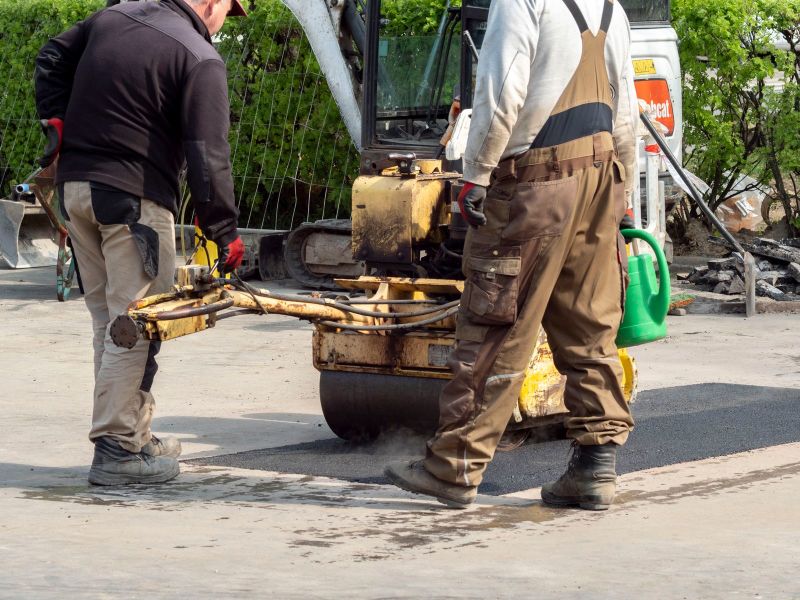
Water is the second big factor. Derby sits in the East Midlands where winters bring regular frosts - the city typically sees 40 - 55 nights of air frost a year. Rain gets into a hairline crack, freezes, expands by around 9%, and levers the crack wider. Do that a few dozen times over a winter and a thin surface crack becomes a pothole. This freeze-thaw cycle is the single biggest reason Derby tarmac drives deteriorate faster at the edges and low spots where water pools.
If you want a professional eye on whether your drive is a repair or a replacement job, Tradesmart Driveways & Landscaping covers repairs and resurfacing across Derby and can tell you honestly which one your surface needs. A quick site visit usually settles the question faster than any online guide.
Common Tarmac Repairs and What They Cost
Not all tarmac damage is equal, and the price gap between fixes is large. Here's what the typical jobs run to in Derby in 2026:
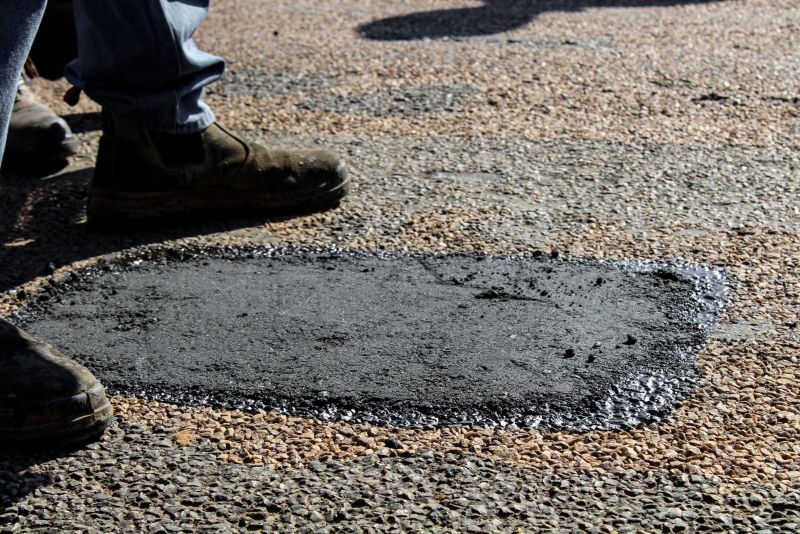
- Filling a single pothole: £80 - £200 depending on size and depth.
- Crack sealing across a small drive: £150 - £350.
- Patching a section (1 - 3m²): £150 - £450.
- Re-laying a crumbled edge with an edge restraint: £300 - £700.
- Overlay resurfacing a full 40m² drive: £1,800 - £3,000.
Small localised repairs sit at the cheap end because they use very little material - a bag of cold-lay tarmac to fill one pothole might cost £15, though a proper hot-lay repair by a contractor with a compactor lasts far longer and is worth the extra. Patching is priced by area and by how much cutting-out the crew has to do to reach solid tarmac around the damage.
The figure that catches people out is edge repair. Tarmac edges crumble because they're unsupported, and fixing them properly means cutting back to a clean line and adding a haunching or block-paving restraint. That's more labour than it looks, which is why a tidy edge repair can cost £300 - £700.
Crack Sealing and Pothole Filling
For a drive that's structurally sound but showing surface wear, crack sealing is the cheapest way to add life. Cracks under about 5mm wide can be cleaned out and filled with a bitumen-based sealant, stopping water getting into the base. On a typical Derby driveway this is a £150 - £350 job and can add 3 - 5 years if done before winter. Timing matters here - sealing in early autumn, before Derby's frosts arrive, protects the drive through the worst months.
Potholes need more than a squirt of filler if the repair is going to hold. A proper pothole repair means squaring off the hole, cleaning it out, priming the edges with a tack coat, then filling with hot or cold-lay tarmac and compacting it. Skip the compaction and the patch sinks or pops out within a season. A single pothole professionally repaired costs £80 - £200.
Be realistic about what sealing achieves. If cracks are wider than 10mm, branching in multiple directions, or accompanied by sinking, the base has moved and no amount of surface filler will fix that - you're patching a symptom. That's usually the signal to think about resurfacing instead.
When to Resurface Instead of Repair
There's a tipping point where repeated patching stops making financial sense. As a rough rule, once repairs would cover more than about 25 - 30% of the drive's area, an overlay resurface is better value and looks far tidier. A patchwork of mismatched repairs also drags down kerb appeal, which matters if you're thinking of selling - a shabby drive is one of the first things buyers notice.
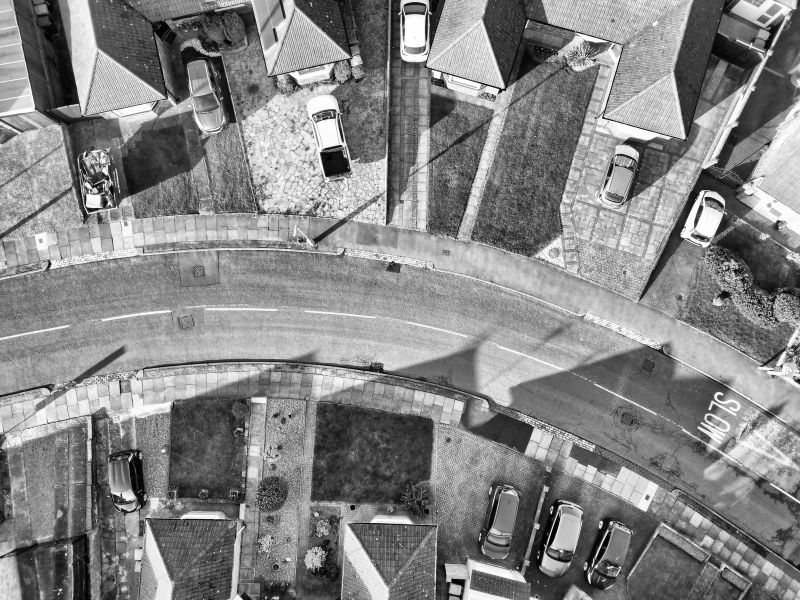
Resurfacing, or overlaying, means laying a fresh 20 - 40mm tarmac layer over the existing surface after repairing any base problems and cleaning off. It costs £1,800 - £3,000 for a typical 40m² Derby drive - roughly £45 - £65 per m² - and gives you a uniform surface that should last 12 - 18 years. The catch is that an overlay only works if the base and existing surface are stable. Lay fresh tarmac over a failing base and the same cracks will telegraph through within a couple of years.
We've covered the wider picture of what different fixes cost in our Derby driveway repair cost guide, which prices repairs by surface type if you're weighing tarmac against other options.
Full Replacement and the Planning Angle
When the sub-base has genuinely failed - widespread sinking, deep potholes, cracking across the whole surface - a full dig-out and replacement is the only lasting fix. This means excavating the old surface and base, laying a new compacted sub-base, and installing fresh tarmac. Expect £2,500 - £5,000 for a standard Derby driveway, depending on size, access, and how much muck has to be carted away.
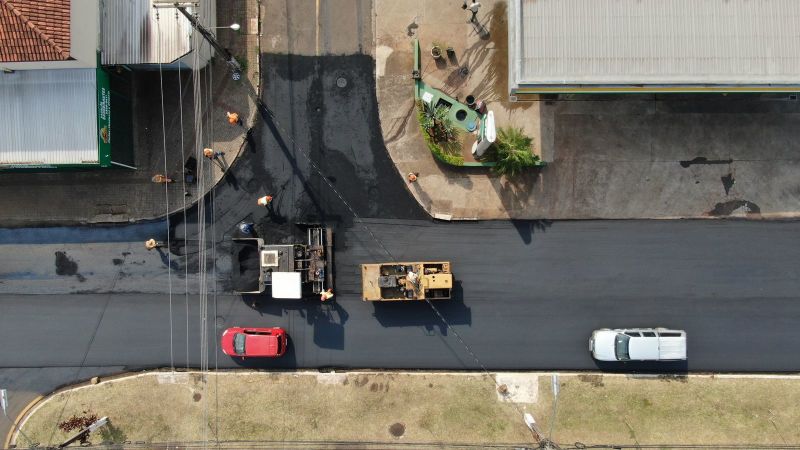
If you're replacing the whole drive, drainage comes into play. Since 2008, laying a new impermeable driveway over 5m² that drains to the road needs planning permission, whereas a permeable surface or one that drains to a lawn or soakaway does not. The government's guidance on this is set out in the official advice on the permeable surfacing of front gardens, and it's worth a read before you commit. Standard tarmac is impermeable, so many Derby homeowners either direct the runoff to a border or soakaway, or choose a porous tarmac to stay within permitted development.
Whoever you hire, check they're properly accredited. A quick search on the TrustMark register of approved tradespeople confirms a contractor meets government-endorsed standards, which is worth doing before you hand over a deposit on a job this size.
Getting the Right Contractor in Derby
Derby has a healthy number of driveway contractors, which is good for prices but means quality varies. Tarmac is an easy surface for a cowboy outfit to lay badly - the problems only show up a winter or two later once the frost has found the weak spots. Always get two or three written quotes, and be wary of anyone knocking on the door offering cheap tarmac from a "leftover" batch, a long-running scam that still catches people out.

Ask what sub-base depth they're quoting - a proper driveway base is 100 - 150mm of compacted MOT Type 1 stone, and skimping here is the most common corner cut. For consumer-side reassurance on choosing trades and typical costs, the independent guidance from Which? on home improvements is a solid neutral reference.
Timing is worth planning around too. Derby's better contractors get booked up through spring and summer, so a repair you notice in autumn may not get done before the frosts unless you move quickly. Tarmac also can't be laid well in freezing or very wet conditions, which narrows the winter window - another reason to sort repairs before the cold sets in rather than after.
---
FAQ
Q: How much does it cost to repair a tarmac driveway in Derby?
A: Small repairs like filling a pothole cost £80 - £200, crack sealing runs £150 - £350, and patching a section is £150 - £450. A full overlay resurface of a typical 40m² drive costs £1,800 - £3,000, and a complete dig-out and replacement is £2,500 - £5,000.
Q: When should I resurface my tarmac driveway instead of repairing it?
A: Once repairs would cover more than about 25 - 30% of the surface, or when cracking and sinking appear across the whole drive, resurfacing is better value. Repairs make sense for isolated potholes and cracks on an otherwise sound base.
Q: Why does tarmac crack and pothole so easily in Derby?
A: Derby gets 40 - 55 nights of air frost a year, and water in surface cracks freezes, expands, and levers them wider through freeze-thaw. A thin or poorly compacted sub-base makes it worse, which is common on older drives around Derby's 1930s semis.
Q: Do I need planning permission to replace my tarmac driveway in Derby?
A: Only if you lay a new impermeable surface over 5m² that drains onto the road. A permeable surface, or one draining to a lawn or soakaway, falls under permitted development and needs no permission.
Q: Can a tarmac driveway be resurfaced over the old surface?
A: Yes, an overlay of 20 - 40mm of fresh tarmac can be laid over a stable existing surface for £45 - £65 per m². It only works if the base is sound - overlaying a failing base means the old cracks return within a couple of years.
---
Ready to work with Trade Smart Driveways & Landscaping?
Let's connect! We’re here to help.
Send us a message and we’ll be in touch.
Or give us a call today at 111-222-3333
Agency Contact Form
More Marketing Tips, Tricks & Tools