Can You Lay a Driveway in Autumn and Winter in Derby? What Each Surface Needs and When to Book
Derby is one of the drier cities in England, with around 660mm of rain a year against a UK average closer to 1,150mm, and that helps more than you'd think when it comes to laying a driveway outside the summer. What doesn't help is temperature: Derby typically sees 50 to 55 nights of air frost, mostly between late November and mid-March, and three of the four common driveway surfaces have a hard lower temperature limit below which they simply won't cure properly. So the honest answer to "can you do it in winter?" is: some surfaces yes, one surface absolutely not, and the whole thing depends far more on the ground being dry than on it being warm. Here's the breakdown by material, and the booking strategy that gets you the best price.
The Short Version
- Block paving - fine right through autumn, and fine in deep winter too unless the ground is frozen or it's raining hard
- Tarmac - fine in autumn; possible in deep winter on dry days above 5°C with fast compaction
- Concrete and pattern imprinted - fine in autumn; possible in deep winter with admixtures and frost protection
- Resin bound - fine until roughly late October, then not again until spring
Groundworks - excavation, sub-base, edging, drainage - can be done in almost any weather short of frozen or waterlogged ground. That's the key insight for anyone in a hurry: you can get the hard, disruptive, mud-generating part done in December and have the surface laid the moment conditions allow. Talking it through with an installer now rather than in March is usually what gets you a spring slot rather than a June one.
Resin Bound: The One That Genuinely Can't Wait Out the Winter
Resin bound gravel is a two-part polyurethane or epoxy system mixed on site and trowelled out. It cures chemically, and that chemistry has requirements.

- Surface temperature above 5°C and rising , not air temperature. A base that's been frozen overnight can be several degrees below the air reading at 10am.
- A completely dry substrate. Moisture in the base reacts with the resin and produces foaming, blown patches and a surface that never properly hardens.
- No rain for at least 4 to 6 hours after laying , and preferably longer. A shower on green resin ruins the finish permanently.
- Falling temperatures extend cure time dramatically. A mix that goes off in 45 minutes in July can take four hours in October, which changes how much area a team can lay in a day.
In practice, Derby's resin season runs from roughly late March to late October. Winter-grade hardeners exist and buy a few weeks at either end, but any installer offering to lay resin bound in January is either using them in conditions they weren't designed for, or hoping. The failure mode - delamination and loose stone within two years - doesn't appear until the guarantee conversation.
If you want resin and it's now mid-autumn, the sensible move is to book the groundworks for winter and the resin for the first reliable March or April window. You get the disruption over with and you're first in the queue.
Tarmac: Workable in Winter, With Conditions
Tarmac arrives on site at 140°C to 160°C and has to be spread and compacted before it drops below about 85°C. Cold air, wind and a cold base all steal that heat faster.
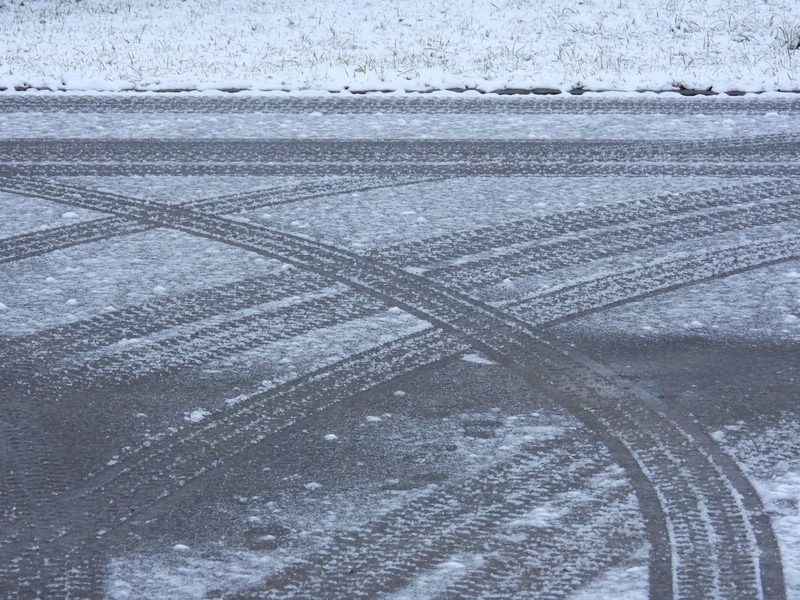
What that means through a Derby winter:
- Air temperature above 5°C is the practical working minimum for a domestic driveway
- The base must not be frozen. Laying hot tarmac on frozen ground gives you a surface that looks fine and fails in the spring thaw as the ground moves beneath it.
- The base must be dry. Standing water flashes to steam under hot material and prevents proper bonding.
- Smaller loads, faster work. A good crew works a smaller area at a time in cold weather to keep the material hot enough to compact.
- Wind matters more than temperature. A still 4°C day is more workable than a windy 8°C one.
Tarmac laid correctly in February is exactly as durable as tarmac laid in July. Tarmac laid badly in February fails within two winters. The difference is entirely in the crew's willingness to walk away when conditions aren't right, which is worth asking about directly.
Block Paving: The Most Weather-Tolerant Option
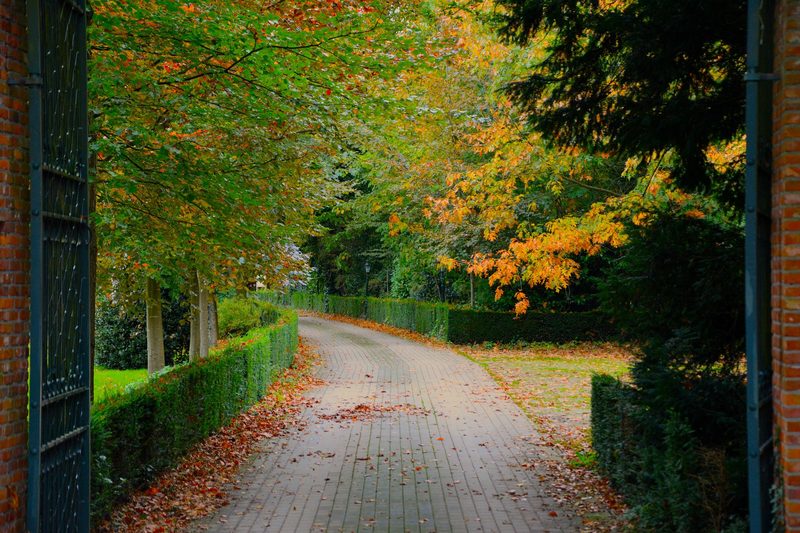
Block paving is mechanically laid, not cured, which makes it the only surface you can reasonably install through most of a Derby winter.
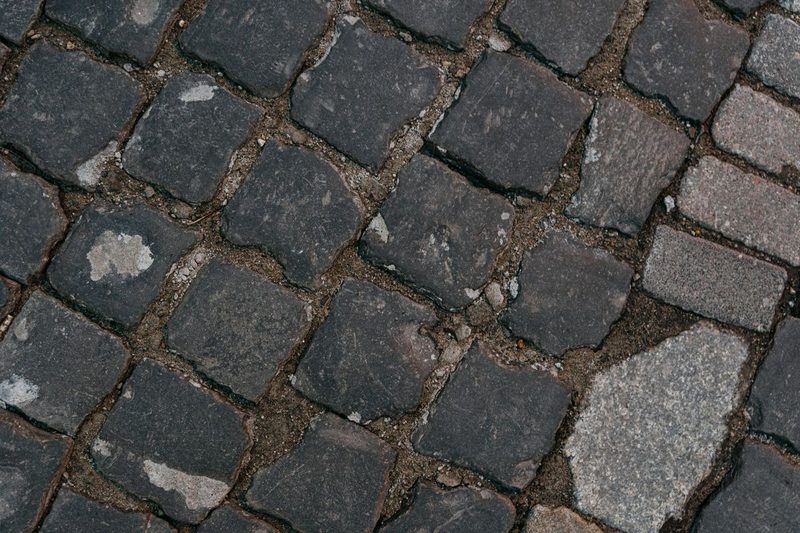
The sequence is: excavate, lay and compact a sub-base of MOT Type 1, screed a layer of sharp sand or laying course, lay the blocks, then compact and joint them. Nothing in that needs warmth.
The limits that do apply:
- Frozen ground can't be compacted properly , so a hard frost stops work for the day
- Heavy rain washes out the laying course , so persistent wet days stop work too
- Kiln-dried jointing sand must go in dry. It's brushed into the joints and vibrated in, and damp sand bridges rather than filling. On a wet week the blocks go down and the jointing waits.
- Polymeric jointing compounds need temperatures above about 5°C and a properly dry surface to set
Derby's clay-rich subsoils in parts of the city, particularly around Chaddesden, Alvaston and Sinfin, get genuinely difficult when saturated. Excavating waterlogged clay is slow, messy and produces spoil that costs more to remove. That's a cost argument for autumn over deep winter, not a quality one.
Looking After a New Surface Through Its First Winter
Whatever you have laid, the first winter is the one that matters. We've set out the specifics in our guide to winter driveway care in Derby, including which de-icing salts damage which surfaces and how long to wait before using them.
Concrete and Pattern Imprinted: Possible, But Needs Managing
Concrete gains strength through hydration, and hydration slows dramatically as temperature falls. Below about 5°C it nearly stops; below 0°C, water in the mix can freeze and expand, permanently weakening the slab.
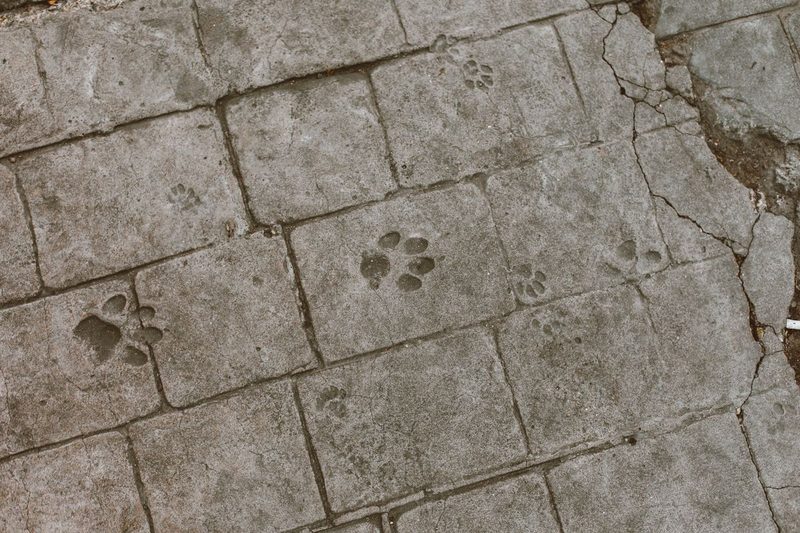
It can be done in cold weather, but it needs active management:
- Accelerating admixtures to speed early strength gain
- Insulating blankets or frost sheets over the slab for 3 to 7 days
- A higher cement content or a different mix design
- No pouring onto frozen ground , ever
Pattern imprinted concrete adds two more constraints: the release agent and imprinting have to happen within a narrow window while the slab is at the right stiffness, which is harder to judge in the cold, and the sealer coat that gives it its colour and finish needs dry conditions above about 10°C. In practice that pushes sealing into spring, and an unsealed PIC driveway through a winter picks up staining.
Expect a cold-weather concrete pour to cost 10% to 15% more for the additional materials and protection.
The Booking Argument for Autumn and Winter
Here's the part that saves money.
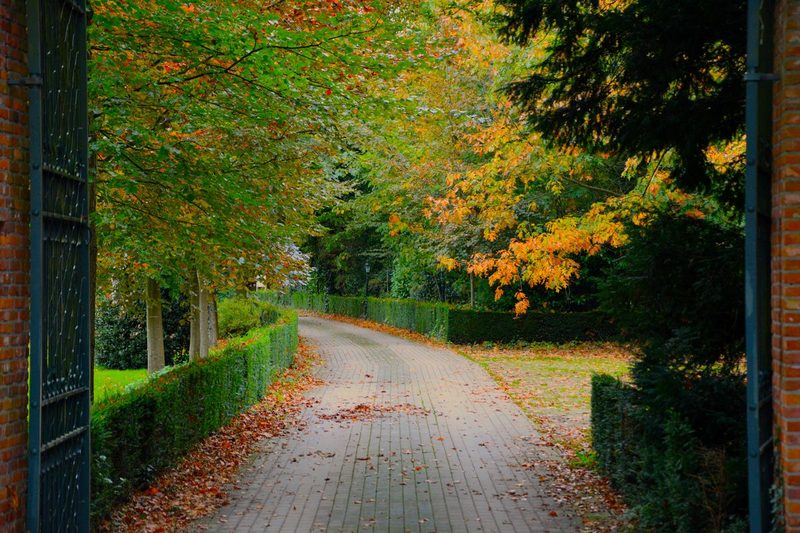
Driveway contractors in Derby are busiest from April to September. Lead times in June are commonly six to ten weeks. By late November they've dropped to one or two weeks for most firms, and some are actively looking for work to keep crews busy through January and February.
That produces three practical advantages:
- Faster start. Weeks rather than months.
- Better prices. Many firms price 5% to 15% keener in the quiet season, particularly for block paving and groundworks.
- More attention. A crew doing one job in February is not trying to finish three that week.
The counter-argument is weather delays. A block paving job that takes four days in July might spread over eight in January because of lost days. If you have a fixed deadline, build that in. If you don't, it costs you nothing.
Planning and Drainage, Which Don't Care About the Season
Worth sorting before you book, whatever time of year.
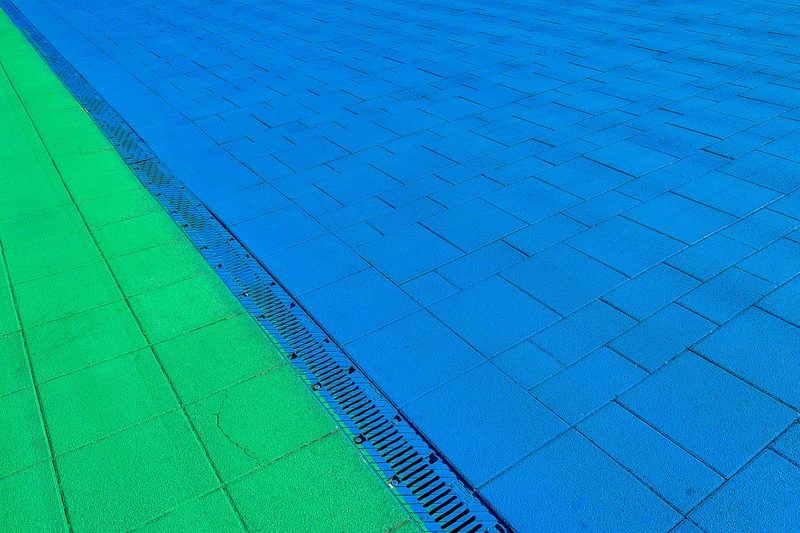
Since 2008, laying an impermeable driveway over 5 square metres in a front garden without providing for drainage requires planning permission. The way round it is to use a permeable surface, or to direct runoff to a permeable area within your own boundary - a soakaway, a border, or a gravel strip. The government's permeable surfacing of front gardens guidance sets out the acceptable approaches, and the Planning Portal's page on paving a front garden covers when permission is actually needed.
Derby's clay subsoils matter here. A soakaway in free-draining sand works beautifully. A soakaway in Mercia Mudstone clay, which underlies much of Derby, drains far more slowly and needs to be larger or supplemented with a proper outfall. Any installer who proposes a standard-size soakaway without asking what the ground is made of hasn't dug a hole on your street.
If you're widening a driveway or need a new vehicle crossing over the footway, that's a separate application to Derby City Council and typically takes 6 to 12 weeks - another good reason to start the process in autumn rather than in spring when you want the work done.
What We'd Actually Recommend
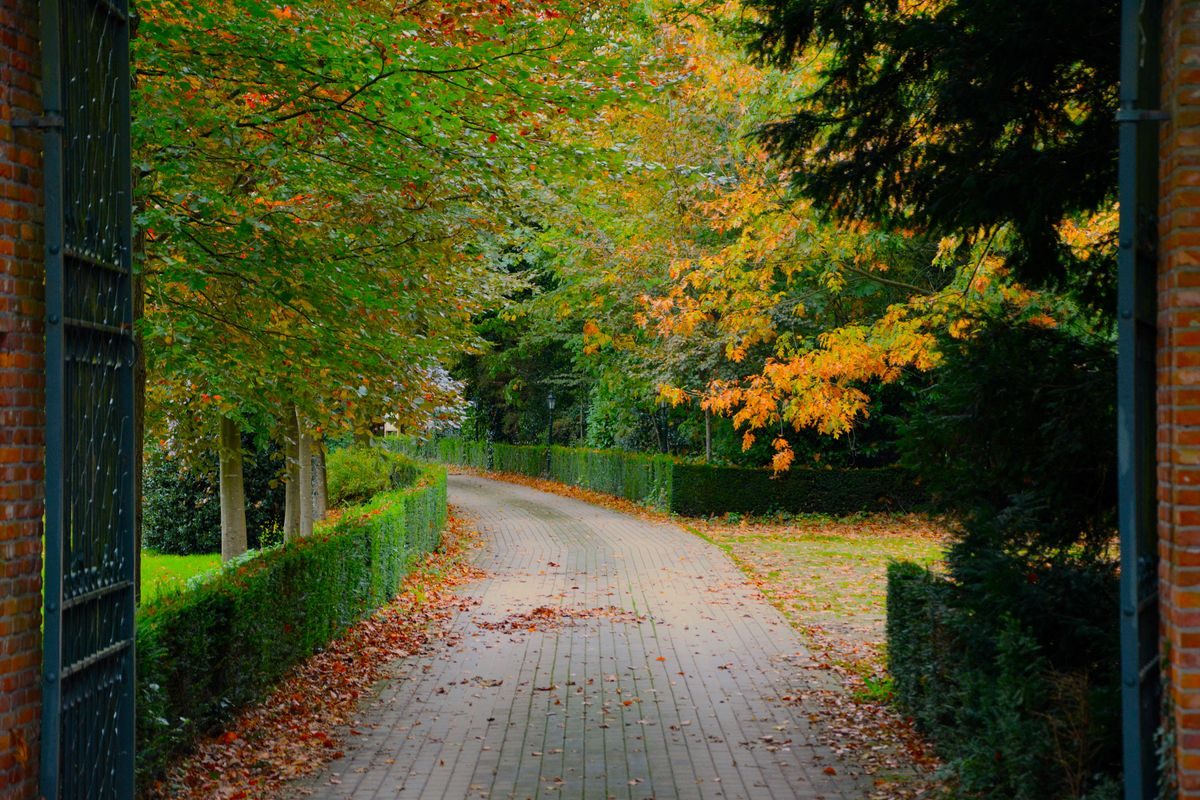
September and October are the best months of the year to have a driveway laid in Derby. The ground is usually dry after summer, temperatures are still comfortably above the limits for every surface including resin, and contractors are coming off peak season with capacity opening up. If you're reading this in autumn and thinking about it, this is the window.
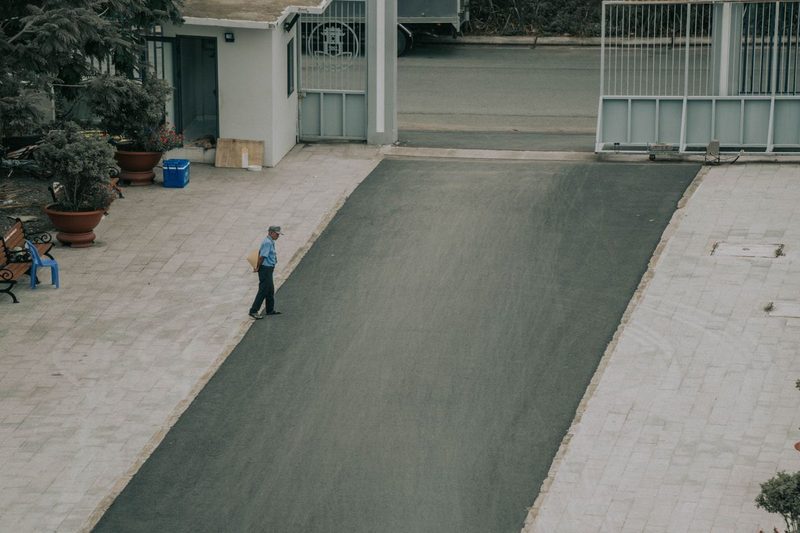
November to February is fine for block paving and groundworks, workable for tarmac on dry days, manageable for concrete with protection, and not viable for resin bound. Prices are at their lowest and lead times at their shortest.
March is the month everyone books, which is why April and May get busy. If resin is what you want, get your name down in January for a late March slot rather than ringing round in March for a July one.
And one thing to be firm about regardless of season: if an installer tells you they can lay resin bound on a damp base in December, believe what that tells you about the rest of their work.
Frequently Asked Questions
Can a resin driveway be laid in winter in Derby?
No. Resin bound systems need a substrate temperature above 5°C and rising, a completely dry base, and no rain for several hours after laying. Derby's resin season runs roughly late March to late October. Laying in winter risks foaming, blown patches and loose stone within a couple of years, and most guarantees will not cover it.
Can tarmac be laid in cold weather?
Yes, with conditions. Air temperature needs to be above about 5°C, the base must be dry and unfrozen, and the crew must work smaller areas so the material stays hot enough to compact. Tarmac laid correctly in February is just as durable as tarmac laid in July. Wind chill matters more than the thermometer reading.
What is the best driveway surface for winter installation?
Block paving. It is mechanically laid rather than cured, so it has no temperature-dependent chemistry. Work stops for hard frost and heavy rain, and the kiln-dried jointing sand has to go in dry, but otherwise it can be installed through most of a Derby winter.
Is a driveway cheaper in winter in Derby?
Often yes. Contractors are busiest April to September with lead times of six to ten weeks, and many price 5% to 15% keener from November to February to keep crews working. Lead times also drop to one or two weeks. The trade-off is that weather delays can stretch a four-day job to eight.
Do I need planning permission for a new driveway in Derby?
You need permission if you lay more than 5 square metres of impermeable surface in a front garden without providing for drainage. Using a permeable surface or directing runoff to a soakaway or border within your own boundary avoids this. A new dropped kerb across the footway is a separate application to Derby City Council and typically takes 6 to 12 weeks.
Want to learn more about laying a driveway in Derby this autumn or winter? Click here to contact us.
```json { "@context": "https://schema.org", "@type": "FAQPage", "mainEntity": [ { "@type": "Question", "name": "Can a resin driveway be laid in winter in Derby?", "acceptedAnswer": { "@type": "Answer", "text": "No. Resin bound systems need a substrate temperature above 5°C and rising, a completely dry base, and no rain for several hours after laying. Derby's resin season runs roughly late March to late October. Laying in winter risks foaming, blown patches and loose stone within a couple of years, and most guarantees will not cover it." } }, { "@type": "Question", "name": "Can tarmac be laid in cold weather?", "acceptedAnswer": { "@type": "Answer", "text": "Yes, with conditions. Air temperature needs to be above about 5°C, the base must be dry and unfrozen, and the crew must work smaller areas so the material stays hot enough to compact. Tarmac laid correctly in February is just as durable as tarmac laid in July. Wind chill matters more than the thermometer reading." } }, { "@type": "Question", "name": "What is the best driveway surface for winter installation?", "acceptedAnswer": { "@type": "Answer", "text": "Block paving. It is mechanically laid rather than cured, so it has no temperature-dependent chemistry. Work stops for hard frost and heavy rain, and the kiln-dried jointing sand has to go in dry, but otherwise it can be installed through most of a Derby winter." } }, { "@type": "Question", "name": "Is a driveway cheaper in winter in Derby?", "acceptedAnswer": { "@type": "Answer", "text": "Often yes. Contractors are busiest April to September with lead times of six to ten weeks, and many price 5% to 15% keener from November to February to keep crews working. Lead times also drop to one or two weeks. The trade-off is that weather delays can stretch a four-day job to eight." } }, { "@type": "Question", "name": "Do I need planning permission for a new driveway in Derby?", "acceptedAnswer": { "@type": "Answer", "text": "You need permission if you lay more than 5 square metres of impermeable surface in a front garden without providing for drainage. Using a permeable surface or directing runoff to a soakaway or border within your own boundary avoids this. A new dropped kerb across the footway is a separate application to Derby City Council and typically takes 6 to 12 weeks." } } ] } ```
```json { "@context": "https://schema.org", "@type": "Article", "headline": "Can You Lay a Driveway in Autumn and Winter in Derby? What Each Surface Needs and When to Book", "description": "Which driveway surfaces can be installed through a Derby autumn and winter, the temperature limits for resin, tarmac, block paving and concrete, and why booking now beats waiting for spring.", "author": { "@type": "Organization", "name": "The Team" }, "datePublished": "2026-09-15", "dateModified": "2026-09-15", "articleSection": "Driveways" } ```
Ready to work with Trade Smart Driveways & Landscaping?
Let's connect! We’re here to help.
Send us a message and we’ll be in touch.
Or give us a call today at 111-222-3333
Agency Contact Form
More Marketing Tips, Tricks & Tools