What's Under a Derby Driveway? Sub-Base Depth, Membranes and Why the Groundwork Decides How Long It Lasts
Here is the uncomfortable truth about driveway quotes: the part you can see accounts for perhaps 25% to 35% of what a driveway actually costs to build properly, and none of the part that determines its lifespan. Resin, block paving, tarmac and concrete all sit on a sub-base, and that sub-base is what carries the weight of your car and stops the surface moving. When a driveway fails in year four - rutting where the wheels sit, blocks sinking, resin cracking along a line, tarmac developing a depression at the entrance - the surface is almost never the problem. The ground underneath it is. This is also why two Derby quotes for "a resin bound driveway, 40 square metres" can differ by £2,000 and both be honest prices for genuinely different products. One of them includes 150mm of compacted Type 1 on a geotextile membrane. The other includes whatever was already there, brushed level. You cannot tell from the finished surface for about three years. Here's how to tell from the quote.
What a Sub-Base Actually Does
A driveway sub-base has three jobs, and understanding them explains every specification decision that follows.
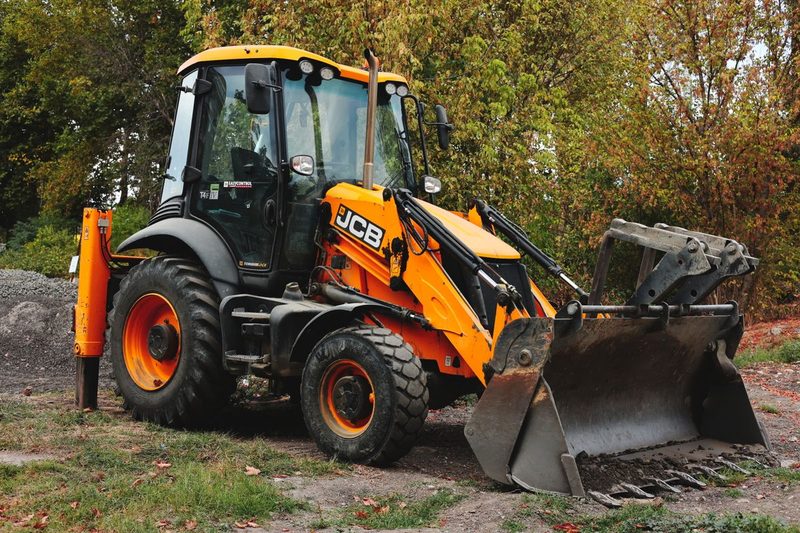
It spreads the load. A car exerts a concentrated pressure through four small contact patches. A family car puts roughly 350kg to 550kg through each wheel, and a delivery van or a skip lorry considerably more. The sub-base takes that point load and distributes it over a wide enough area that the soil beneath can carry it without deforming.
It provides drainage. Water that reaches the sub-base needs to move through it and away, not sit in it. Saturated sub-base material loses a large proportion of its load-bearing capacity, which is why driveways fail in wet winters rather than in August.
It gives a stable, unyielding platform. Resin bound in particular is only 15mm to 18mm thick and is essentially a flexible carpet. It has no structural strength of its own whatsoever. Every bit of its performance comes from what it is stuck to.
The material that does this is normally MOT Type 1 granular sub-base - a crushed limestone or granite graded from 40mm down to dust. The graded mix matters: the range of particle sizes lets the material interlock and compact into something close to a solid mass. Single-sized gravel, builders' rubble, crushed concrete of unknown grading and "whatever came out of the last job" do not interlock the same way and do not compact to the same density.
The Depths That Matter in Derby
Depth is dictated by the ground beneath and the load above, not by the surface going on top.
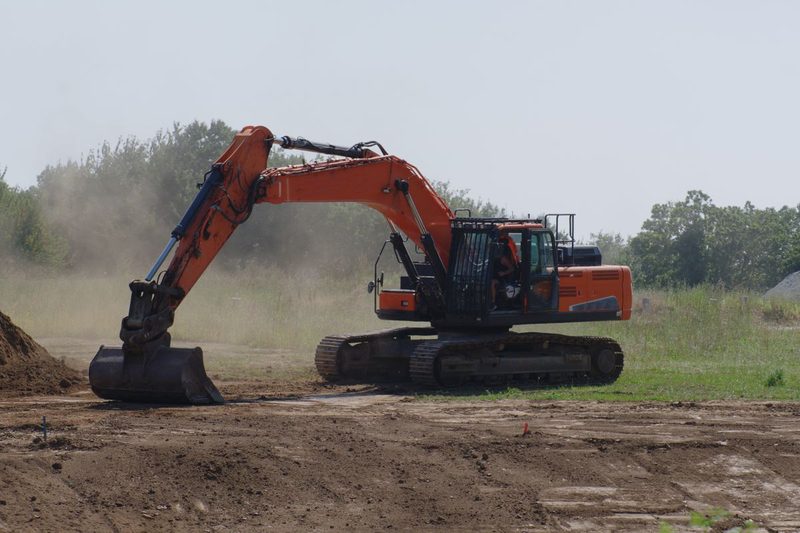
Working specifications for a domestic Derby driveway:
- Excavation depth - 200mm to 250mm below finished level for a car-only driveway on reasonable ground; 300mm or more on clay or made ground
- Compacted Type 1 sub-base - 150mm minimum for cars. 100mm is sometimes seen and is under-specified for anything but a footpath. 200mm+ where the ground is poor or where a van or motorhome will be parked
- Laying course , which varies by surface: 50mm sharp sand or grit for block paving, 20mm to 25mm binder course for resin, 40mm to 60mm base course plus wearing course for tarmac
- Compaction in layers. Type 1 should be laid and compacted in maximum 100mm to 150mm lifts with a vibrating plate or, better, a roller. A single 150mm dump compacted once from the surface is not compacted at the bottom.
- Falls - a minimum of 1:80, ideally 1:60, away from the house
Derby's ground conditions genuinely affect these numbers, and the city is not uniform. Much of Derby sits on Mercia Mudstone , a firm clay-rich formation, with river terrace sand and gravel deposits along the Derwent valley. Clay is the relevant problem: it shrinks in summer and swells in winter, moving measurably through the year, and it drains very poorly. Areas on heavier clay - parts of Mickleover, Littleover, Chellaston and out towards Oakwood - warrant the upper end of the depth range and serious attention to drainage. The Derwent valley gravels around Darley Abbey and Alvaston generally drain better and are more forgiving. You can check the mapped geology under your own address on the British Geological Survey's onshore GeoIndex map viewer, which is free and takes a couple of minutes.
Made ground is the other Derby factor. The city's industrial history means a meaningful number of properties sit on infilled or reworked ground, where there is no way to know the bearing capacity without digging. If you want the depth and specification settled against what is actually under your own front garden rather than a general figure, having the ground assessed before quotes are compared is the step that prevents the argument later.
Geotextile Membranes: Cheap, and Routinely Left Out
A geotextile membrane is a woven or non-woven fabric laid between the subsoil and the sub-base. It costs very little - roughly £1.50 to £3.00 per square metre supplied, so £60 to £120 on a 40 square metre driveway - and its absence is one of the most reliable predictors of early failure.
What it does:
- Separation. It stops fine soil particles migrating up into the sub-base voids. Over time, clay working up into Type 1 turns a free-draining granular layer into a soft, waterlogged one. This is the main mechanism by which a properly built driveway slowly stops being one.
- Reinforcement. It spreads load laterally, which measurably increases the effective bearing capacity, particularly on soft ground.
- It stops the sub-base sinking into the subsoil , which on clay it otherwise does.
The point worth grasping: a membrane is not weed control. Weed membrane and geotextile separation membrane are different products with different strengths, and a cheap weed fabric does not do the structural job. If a quote says "membrane" without specifying, ask which.
Drainage and the Planning Rule Most People Miss
Sub-base and drainage are the same conversation, and there is a regulation attached. Since 2008, paving more than five square metres of a front garden in a non-permeable material requires planning permission unless the water is directed to a permeable area or a soakaway within the property boundary. The Planning Portal's guidance on paving your front garden sets out the position, and the government's overview of when planning permission is needed covers how permitted development works more generally.
In practice this is handled either by using a permeable surface over a permeable sub-base, or by falling the driveway to a channel drain connected to a soakaway. It is not optional, and it is regularly ignored. We've set out how the rules and the practical options interact in our guide to driveway drainage and planning permission in Derby, which is worth reading before you agree a specification.
One important note for permeable construction: a permeable driveway needs a different sub-base , typically a clean, open-graded angular stone with no fines, because Type 1 contains dust that clogs and prevents infiltration. Specifying a permeable surface over a standard Type 1 sub-base gives you neither drainage nor compliance, and it is a common error.
How Each Surface Depends On What's Below
The sensitivity to groundwork varies, which is worth knowing when weighing surfaces.
Resin bound is the least forgiving of all. At 15mm to 18mm over a binder course, it has no structural capacity. Any movement below telegraphs straight through as a crack, and resin cracks are difficult to repair invisibly. Resin also usually goes over an existing tarmac or concrete base, which is fine only if that base is sound. Laying resin over cracked, lifting or under-built tarmac transfers every existing defect to the new surface within two winters. This is the single most common resin failure we see.
Block paving is the most forgiving, because it is a flexible system of small units. Minor settlement shows as a dip rather than a crack, and blocks can be lifted, the laying course corrected and the same blocks relaid. Good groundwork still matters enormously, but the failure mode is repairable rather than terminal.
Tarmac sits in between. It flexes, but it fails by rutting and by cracking at the edges where there is no restraint. Edge restraint is as important as depth - unrestrained tarmac spreads sideways under load and crumbles at the perimeter.
Concrete and pattern imprinted concrete are rigid, so they either bridge minor imperfections or crack. Movement joints and a properly prepared, well-compacted base are both essential, and cracks in imprinted concrete cannot be repaired invisibly.
Reading a Quote: What Should Be Itemised
This is the practical takeaway. A quote that specifies the groundwork lets you compare like with like. A quote that says "excavate and lay new resin driveway, £4,200" tells you nothing.
Ask for these in writing:
- Excavation depth , in mm, and where the spoil goes. Spoil removal is a real cost - 40 square metres at 250mm is 10 cubic metres, roughly 15 to 18 tonnes, which is two to three grab lorries at £180 to £300 each. A quote that is suspiciously cheap sometimes means the spoil is going into a corner of your garden.
- Sub-base material and compacted depth - "150mm compacted MOT Type 1", not "hardcore"
- Number of compaction lifts and plant used - vibrating plate or roller
- Geotextile membrane type , separation grade, not weed fabric
- Laying course specification and depth
- Edge restraint - haunched kerbs or edging blocks, bedded in concrete
- Drainage - falls, channel drain, soakaway details, and how the permeability requirement is satisfied
- Existing base , where resin is going over tarmac - what condition survey was done and what remedial work is included
Two realistic cost markers for Derby in 2026. A properly built 40 square metre resin driveway on a new sub-base runs roughly £3,600 to £5,200. Resin over a sound existing tarmac base runs £2,400 to £3,600. Block paving over a new sub-base is £3,200 to £4,800. If someone quotes £2,200 for resin on a new sub-base, the sub-base is not being built.
The Failures You Can Read Backwards
If you already have a driveway that has gone wrong, the symptom tells you the cause - which matters, because it determines whether a repair is worth doing.
- Ruts or depressions in the wheel tracks - sub-base too thin or inadequately compacted. Surface repair alone will fail again.
- Blocks sinking in one area only - localised soft spot, made ground, or a backfilled service trench that was never properly compacted. Diggable and fixable locally.
- A crack in resin running in a straight line - almost always a crack in the base underneath, frequently an old tarmac joint. The resin is reporting a problem, not causing one.
- Standing water after rain - insufficient falls or a blocked or absent drainage route. Sometimes correctable, sometimes not without relaying.
- Crumbling, spreading edges - no edge restraint, or restraint not haunched in concrete.
- Weeds coming through everywhere, not just the joints - the surface has become porous, or in block paving the joint sand has washed out because water is moving through in the wrong direction.
- Heaving in winter, settling in summer - clay movement below, insufficient sub-base depth to isolate the surface from it. Common on Derby's heavier clay areas.
The pattern in all of this is the same. Derby's clay subsoil moves seasonally, the East Midlands gets roughly 650mm to 750mm of rain a year spread across a long wet season from October to March, and freeze-thaw cycling works on any water trapped in a poorly draining sub-base. None of that is dramatic weather. It is just relentless, and a driveway built 50mm short on sub-base depth will show it in year three or four while an identical-looking one built properly will still be flat in year fifteen. The groundwork is the product. The surface is just the bit you look at.
Frequently Asked Questions
How deep should a driveway sub-base be?
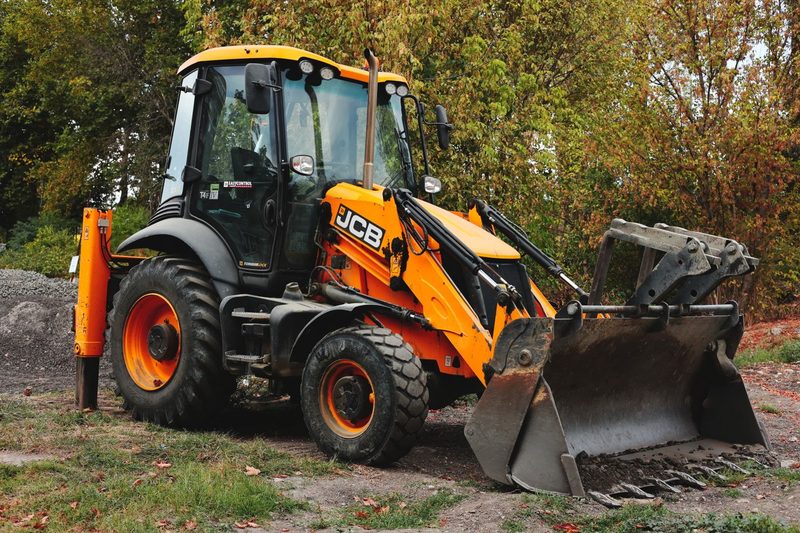
For a car-only domestic driveway on reasonable ground, 150mm of compacted MOT Type 1 over a geotextile membrane, with total excavation of 200mm to 250mm below finished level. On clay or made ground, or where a van or motorhome will be parked, 200mm or more of sub-base and 300mm excavation. Type 1 should be compacted in lifts of no more than 100mm to 150mm.
Do I need a membrane under a driveway?
Yes, and it is cheap - roughly £60 to £120 on a 40 square metre driveway. A geotextile separation membrane stops fine soil migrating up into the sub-base, which is the main way a good sub-base gradually turns into a soft, waterlogged one. Make sure the quote specifies a separation-grade geotextile, not a thin weed control fabric, which does not do the structural job.
Can resin be laid over my existing tarmac driveway?
Only if the tarmac is genuinely sound. Resin bound is 15mm to 18mm thick with no structural strength of its own, so any crack, lift or soft area in the base below will appear in the new surface within a couple of winters. Laying resin over failing tarmac is the most common cause of early resin failure. Get the base condition assessed and any remedial work priced.
Why is one driveway quote £2,000 cheaper than another?
Usually because of what is underground. Sub-base depth and material, compaction, membrane, drainage and spoil removal are where the cost sits and where corners get cut, and none of it is visible once the surface is down. Ask every quote to state excavation depth, sub-base material and compacted depth, membrane type, laying course and drainage details in writing.
Does Derby's clay soil affect driveway construction?
Yes. Much of Derby sits on Mercia Mudstone, a clay-rich formation that shrinks in summer, swells in winter and drains poorly, so heavier-clay areas warrant the upper end of sub-base depths and careful drainage design. The Derwent valley sand and gravel deposits drain better. Derby's industrial history also means made ground is common, where bearing capacity can only be established by excavating.
```json { "@context": "https://schema.org", "@type": "FAQPage", "mainEntity": [ { "@type": "Question", "name": "How deep should a driveway sub-base be?", "acceptedAnswer": { "@type": "Answer", "text": "For a car-only domestic driveway on reasonable ground, 150mm of compacted MOT Type 1 over a geotextile membrane, with total excavation of 200mm to 250mm below finished level. On clay or made ground, or where a van or motorhome will be parked, 200mm or more of sub-base and 300mm excavation. Type 1 should be compacted in lifts of no more than 100mm to 150mm." } }, { "@type": "Question", "name": "Do I need a membrane under a driveway?", "acceptedAnswer": { "@type": "Answer", "text": "Yes, and it is cheap at roughly 60 to 120 pounds on a 40 square metre driveway. A geotextile separation membrane stops fine soil migrating up into the sub-base, which is the main way a good sub-base gradually turns into a soft, waterlogged one. Make sure the quote specifies a separation-grade geotextile, not a thin weed control fabric, which does not do the structural job." } }, { "@type": "Question", "name": "Can resin be laid over my existing tarmac driveway?", "acceptedAnswer": { "@type": "Answer", "text": "Only if the tarmac is genuinely sound. Resin bound is 15mm to 18mm thick with no structural strength of its own, so any crack, lift or soft area in the base below will appear in the new surface within a couple of winters. Laying resin over failing tarmac is the most common cause of early resin failure. Get the base condition assessed and any remedial work priced." } }, { "@type": "Question", "name": "Why is one driveway quote 2,000 pounds cheaper than another?", "acceptedAnswer": { "@type": "Answer", "text": "Usually because of what is underground. Sub-base depth and material, compaction, membrane, drainage and spoil removal are where the cost sits and where corners get cut, and none of it is visible once the surface is down. Ask every quote to state excavation depth, sub-base material and compacted depth, membrane type, laying course and drainage details in writing." } }, { "@type": "Question", "name": "Does Derby's clay soil affect driveway construction?", "acceptedAnswer": { "@type": "Answer", "text": "Yes. Much of Derby sits on Mercia Mudstone, a clay-rich formation that shrinks in summer, swells in winter and drains poorly, so heavier-clay areas warrant the upper end of sub-base depths and careful drainage design. The Derwent valley sand and gravel deposits drain better. Derby's industrial history also means made ground is common, where bearing capacity can only be established by excavating." } } ] } ```
```json { "@context": "https://schema.org", "@type": "Article", "headline": "What's Under a Derby Driveway? Sub-Base Depth, Membranes and Why the Groundwork Decides How Long It Lasts", "description": "Two resin driveways at the same price can have completely different lifespans, and the difference is entirely underground. Here's what a proper Derby sub-base looks like, the depths and materials that matter, and how to tell from a quote whether the groundwork is being skipped.", "author": { "@type": "Organization", "name": "The Team" }, "datePublished": "2026-09-22", "dateModified": "2026-09-22", "articleSection": "Driveways" } ```
Ready to work with Trade Smart Driveways & Landscaping?
Let's connect! We’re here to help.
Send us a message and we’ll be in touch.
Or give us a call today at 111-222-3333
Agency Contact Form
More Marketing Tips, Tricks & Tools