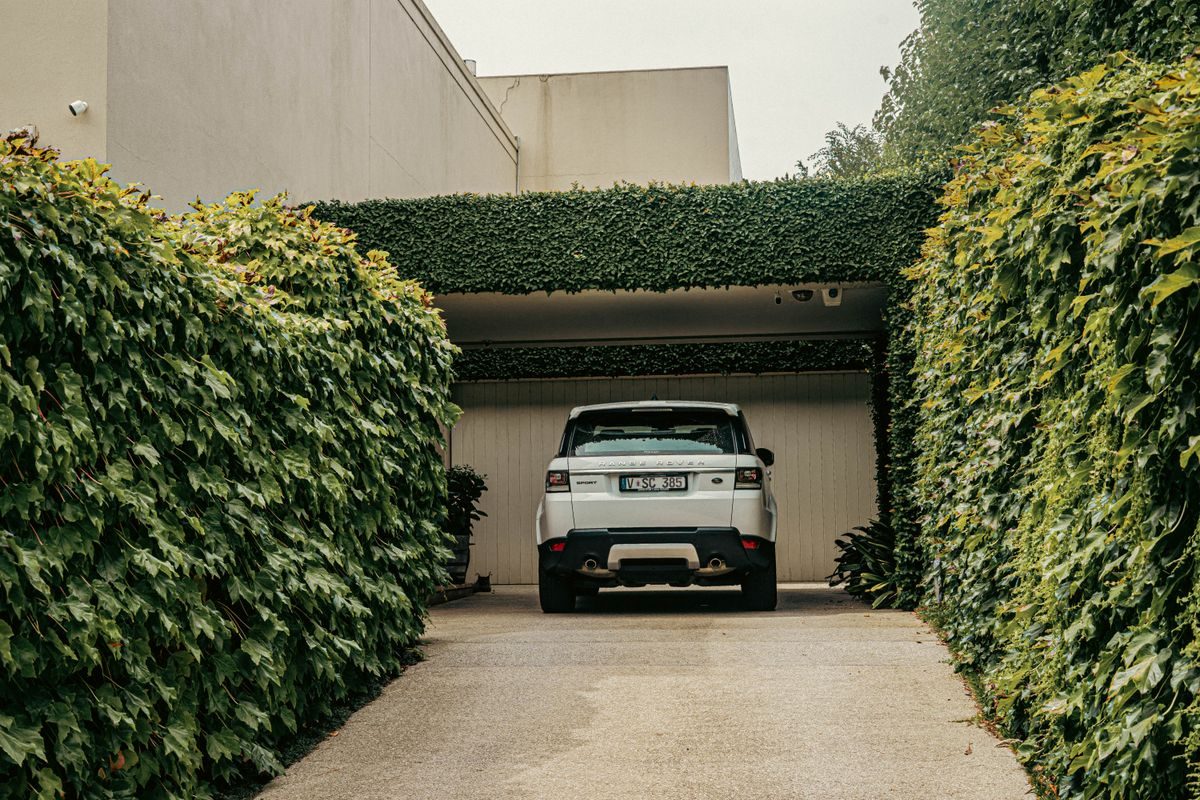
Driveway Drainage and Planning Permission in Derby: What Homeowners Need to Know
A lot of homeowners are surprised to find out that planning permission can come into a driveway project at all, most people assume it's purely a matter of choosing a surface and getting it laid. For driveways at the front of a house, though, drainage is the one area where the rules genuinely do apply, and getting it wrong can mean a driveway that technically needs ripping up and redoing.

The Rule That Actually Matters
The relevant rule applies to new or replacement driveways over 5 square metres at the front of a house. If the surface is impermeable, meaning rainwater runs off rather than soaking through, and that water drains towards a road or isn't otherwise managed on-site, planning permission is required. Tradesmart Driveways & Landscaping deals with this regularly in Derby, where many older properties have small front gardens that homeowners want to convert to off-road parking, exactly the kind of project this rule was introduced to address.
How to Avoid Needing Permission
The straightforward way around this is to use a permeable surface, one that allows rainwater to drain through into the ground below rather than running off the top. Resin-bound surfacing, gravel, and certain types of permeable block paving (laid with open joints over a permeable sub-base) all qualify, provided they're genuinely permeable rather than just described as such. Alternatively, an impermeable surface like standard tarmac or sealed block paving can still avoid the planning requirement if rainwater is directed to a soakaway or garden area on the property rather than towards the road, this needs to be a proper design feature, not just hoping water finds its way off the edge of the driveway naturally.
Why This Matters Beyond the Paperwork
This isn't just a box-ticking exercise. Surface water flooding has become a more visible issue in parts of Derby in recent years, and a driveway that sends rainwater straight onto the pavement and into the road drainage system, multiplied across a street where several houses have done the same thing, contributes to that. A permeable driveway, or one with proper drainage to a soakaway, genuinely reduces the amount of water hitting the drainage system during heavy rain, which is the actual reason the rule exists rather than being an arbitrary hurdle.
What Happens If You Get It Wrong
A driveway laid without the required permission, where one was needed, is a breach of planning control. Derby City Council can take enforcement action, which in the most straightforward cases might just require retrofitting drainage (a soakaway, for example) to bring the existing driveway into compliance, but in some cases could require the surface to be replaced with a permeable alternative. In practice, enforcement tends to be triggered by a complaint or becomes relevant when a property is sold and the issue is picked up during conveyancing checks, rather than routine inspection, but that's a reason to get it right at the outset rather than a reason to assume it won't matter.
Comparing Surfaces With Drainage in Mind
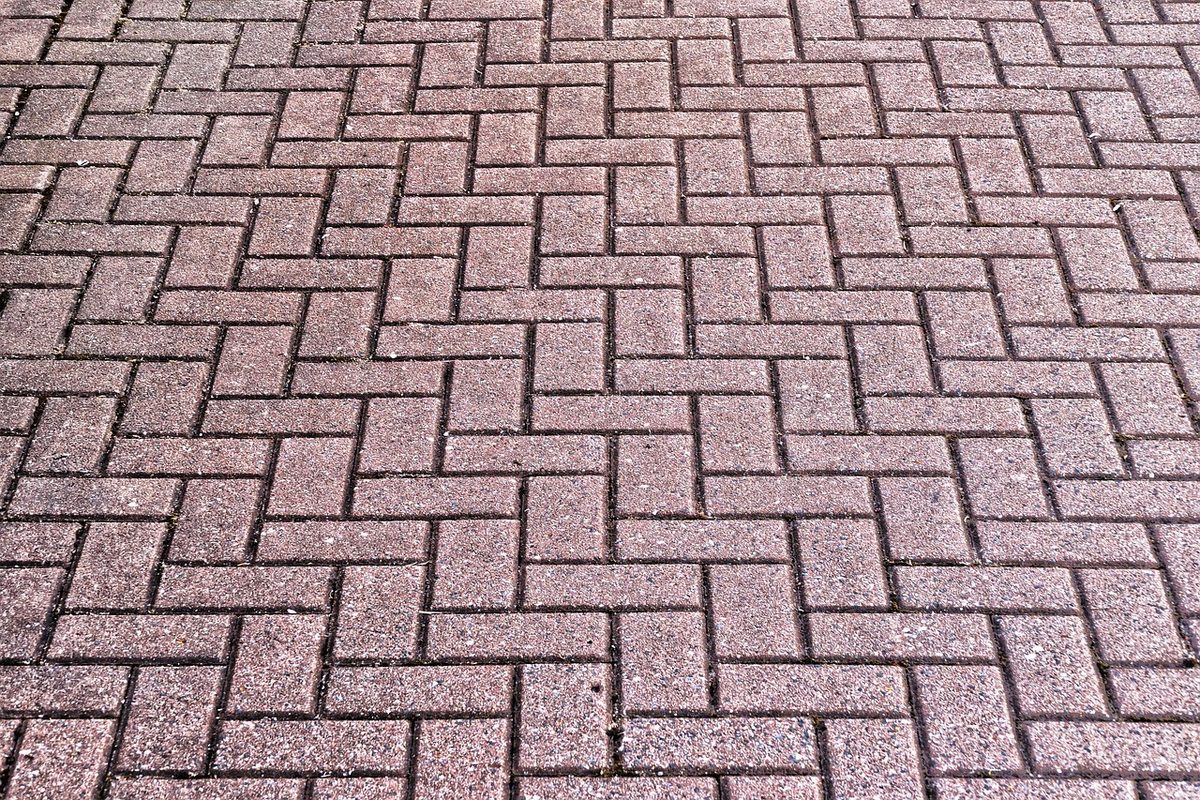
We've covered the differences between block paving and resin driveways in Derby, and drainage is one of the practical factors worth weighing alongside appearance and cost. A resin-bound driveway is permeable by design and sidesteps the planning question entirely in most cases, while block paving can go either way depending on how it's laid, standard joints filled with sand are largely impermeable, while open-jointed paving over a permeable sub-base qualifies as permeable.
Getting the Drainage Right From the Start
For most Derby homeowners, the simplest path is choosing a genuinely permeable surface from the outset, which avoids the planning permission question, reduces the contribution to local surface water issues, and doesn't require a soakaway to be designed and installed separately. Where an impermeable surface is preferred for cost or appearance reasons, getting the soakaway designed properly as part of the original installation is far easier than retrofitting one later.
FAQ
Q: Do I need planning permission for a new driveway in Derby? A: Only in certain cases. If the driveway is over 5 square metres at the front of the house, uses an impermeable surface, and drains towards the road without other drainage measures, permission is required.
Q: What counts as a permeable driveway surface? A: Resin-bound surfacing, gravel, and certain permeable block paving laid with open joints over a suitable sub-base all allow rainwater to drain through rather than running off.
Q: Can I still use tarmac without planning permission? A: Yes, if rainwater is directed to a soakaway or garden area on the property rather than towards the road, an impermeable surface like tarmac can avoid the planning requirement.
Q: What happens if a driveway was laid without required permission? A: It's a breach of planning control, and Derby City Council can require retrofitted drainage or, in some cases, replacement of the surface with a permeable alternative.
Ready to work with Trade Smart Driveways & Landscaping?
Let's connect! We’re here to help.
Send us a message and we’ll be in touch.
Or give us a call today at 111-222-3333
Agency Contact Form
More Marketing Tips, Tricks & Tools