Resin Bound vs Resin Bonded Driveways in Derby: The Difference and Which to Choose
The two names are one letter apart, and plenty of Derby homeowners assume they're the same surface at slightly different prices. They aren't. Resin bound is a permeable, trowelled-flat surface that water drains straight through, while resin bonded is a sealed, textured surface that sheds water off the top. That single difference decides whether you need planning permission, whether the driveway freezes and lifts in January, and whether you're paying roughly £45 - £75 per m² or £40 - £60 per m². In a city that sees 40 - 55 frost nights a year and sits on heavy clay across much of the Derwent floodplain, picking the wrong one is an expensive mistake that shows up two winters in, not on day one. Here's exactly how they differ, what each costs in 2026, and which one earns its place on a Derby driveway.
Resin Bound vs Resin Bonded: The Core Difference
The confusion is understandable because both start with a UV-stable polyurethane resin and a natural aggregate. What changes is how they go down. Resin bound mixes the stone and resin together in a forced-action mixer, then a team trowels the wet mortar onto the base at 15 - 18mm thick. Every piece of gravel is fully coated and locked to its neighbours, leaving tiny voids between the stones that water passes through. The finish is smooth, flat and flush, the kind of surface you'd happily push a pram or a wheelchair across.

Resin bonded works the opposite way round. The base is painted with resin first, then dry aggregate is scattered (broadcast) over the top and pressed into the tacky resin while it cures. Only the bottom of each stone is glued down, so the surface is rough, loose-looking and grippy, more like a fixed gravel. It's typically just 5 - 6mm thick, uses far less resin, and seals the surface completely so nothing drains through it. If you want someone to walk the driveway, tell you which one your ground and drainage actually call for, and price both properly, Tradesmart Driveways & Landscaping installs both across Derby and quotes each on its own merits rather than pushing one option.
The practical headline: bound is permeable and smooth, bonded is impermeable and textured. Almost every other difference flows from those two facts.
What Each Costs in Derby in 2026
Resin bonded is the cheaper of the two, and the reason is simple - it uses a fraction of the resin and goes down thinner. Laid over a sound existing tarmac or concrete base in Derby, expect roughly £40 - £60 per m² supplied and installed. Resin bound over the same sound base runs about £45 - £75 per m², because it's three times thicker and every stone is coated, so the material cost per square metre is higher.
Those figures assume the base is already there and stable. On a full new build - excavation, MOT Type 1 sub-base, a tarmac binder course, then the resin surface - both climb steeply, and the sub-base does most of the damage to the bill. A complete new resin bound driveway in Derby typically lands at £100 - £160 per m², so a small 25m² frontage off a terrace is around £2,500 - £4,000, and a 50m² double comes in nearer £5,000 - £8,000. We've broken the full pricing down, tier by tier, in our guide to resin driveway costs in Derby, which is worth reading alongside this if you already know you want resin and just need to choose the finish.
Access shifts the labour figure more than people expect. The Victorian and Edwardian terraces around Normanton, Peartree and Chester Green rarely have side access, so every barrow of stone and spoil goes through the house, adding £200 - £500 against a 1930s semi in Littleover or Chaddesden with a wide side gate.
Permeability and Derby's Drainage Rules
This is where the two genuinely part ways in the eyes of the law. Since 2008, laying more than five square metres of impermeable hard surface at the front of a house needs planning permission unless the water is directed to a permeable area. A well-laid resin bound surface is permeable - water drains straight through it - so it sits inside your permitted development rights and needs no application. Resin bonded is impermeable, so a bonded front driveway over 5m² either needs planning permission or needs the runoff channelled to a border, soakaway or permeable strip.
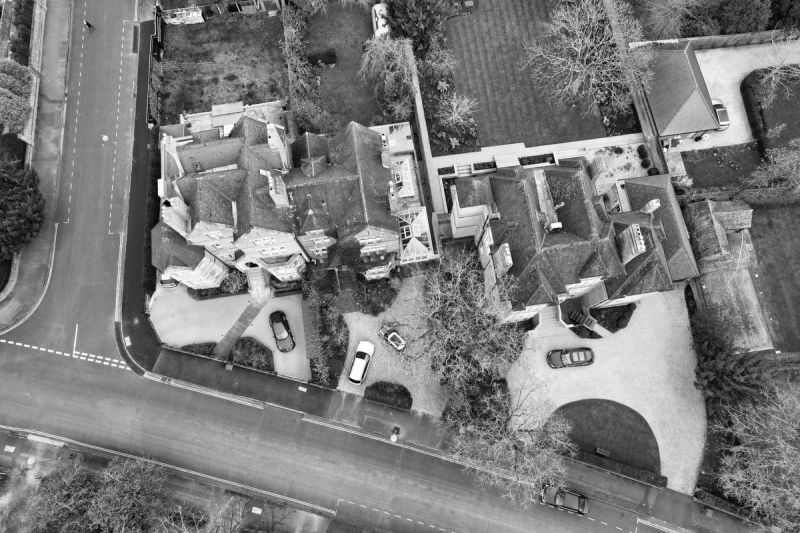
The rules are set out plainly on the Planning Portal's guidance on paving your front garden, and the government's technical guidance on permeable surfacing of front gardens explains the drainage approaches that keep you compliant. On Derby's clay, this matters more than the paperwork suggests. Heavy clay barely absorbs water, so a bonded driveway that sheds everything to the edges can overwhelm a border in a downpour unless a soakaway or channel drain is built in - budget £150 - £600 for that. A bound surface spreads the load across its whole area and usually sidesteps the problem.
Which Handles Derby's Freeze-Thaw Winters Better
Water that sits in or under a surface and then freezes expands by about 9%, and each cold snap prises the surface apart a little more. Derby's 40 - 55 frost nights a year, often after damp autumns that leave the ground saturated, make this the single biggest killer of cheap driveways in the city.

Resin bound has a real advantage here. Because water drains through it rather than pooling on top or sitting in cracks, there's far less trapped moisture to freeze. Provided the sub-base is built to drain, a bound surface rides out freeze-thaw well and typically lasts 15 - 20 years. Resin bonded sheds water off the top, which is fine while the seal is perfect, but any hairline crack lets water under the impermeable layer where it can freeze and lift patches of stone. Bonded surfaces do a solid 10 - 15 years when laid well, but they're less forgiving of a base that moves.
The Clay Underneath
Derby's clay swells in wet winters and shrinks in dry summers, moving up to 40 - 50mm vertically on a bad plot. That movement stresses any rigid surface. Neither resin finish fixes bad ground - both rely on a properly excavated and compacted sub-base to ride out the heave - but a permeable bound surface at least keeps water moving down and away rather than trapping it against a clay that's already struggling to drain.
Appearance, Grip and Where Each Works Best
On looks, resin bound wins for most driveways. The flat, seamless finish comes in dozens of aggregate blends, hides joints and manhole covers neatly, and suits both a modern Littleover new-build and a period Duffield Road frontage. Resin bonded has a coarser, more uniform gravel appearance that some people love and others find busy.

Grip is where bonded earns its keep. That rough, exposed-stone surface gives excellent traction, which is why it's the go-to for steep driveways, ramps and commercial walkways where slip resistance is the priority. A bound surface is perfectly safe underfoot but smoother, so on a sharply sloping Allestree drive some homeowners prefer bonded purely for winter grip. For a flat or gently graded driveway, that advantage largely disappears and the smoother, permeable bound finish is the easier surface to live with.
The Sub-Base: What Sits Underneath
Neither finish is any better than the ground it's laid on, and this is where corners get cut on cheap quotes. Both bound and bonded need a rigid, stable substrate - usually a compacted MOT Type 1 sub-base with a tarmac or concrete binder course on top. Lay either resin directly onto old, cracked concrete or a thin base and it will crack, sink or debond within a couple of Derby winters, whichever finish you chose.
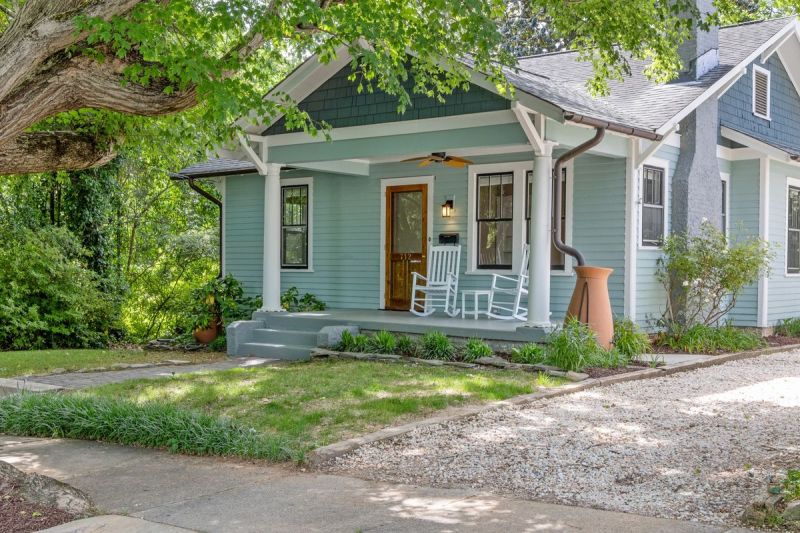
A fair quote names the sub-base depth (typically 150mm+ of Type 1 on clay), states the binder course, specifies UV-stable polyurethane resin rather than a cheaper epoxy that yellows, and lists any drainage separately. A single lump-sum figure with none of that detail is hiding the base. Before you hand over a deposit, checking any installer against the TrustMark register of government-endorsed tradespeople takes five minutes and filters out the operators who'll be untraceable when the surface fails in year three.
Which Should You Choose for a Derby Driveway?
For the majority of Derby driveways, resin bound is the better call. It's permeable, so it stays inside permitted development and dodges the planning and drainage headaches that clay brings, it handles freeze-thaw better because water drains through rather than freezing in the surface, and its flat finish suits most homes. You pay a little more per square metre, but you buy out a set of real problems.

Resin bonded makes sense in specific cases: a steep or sloping drive where maximum grip matters, a tight budget where the lower per-m² cost genuinely helps, or a spot where you actively want the coarse gravel look. Just go in knowing it's impermeable, so factor in a soakaway or channel drain and check the planning position before you commit. Get the finish matched to your ground, your slope and your drainage, and either surface will outlast the quote that skimped on the sub-base.
---
FAQ
Q: What is the actual difference between resin bound and resin bonded driveways?
A: Resin bound mixes aggregate and resin together and is trowelled on at 15 - 18mm as a smooth, permeable surface that water drains through. Resin bonded scatters dry stone onto a resin-coated base at around 5 - 6mm, leaving a rough, textured, impermeable surface that sheds water off the top. Bound is smoother and drains; bonded is grippier and seals.
Q: Which is cheaper in Derby, resin bound or resin bonded?
A: Resin bonded is cheaper, at roughly £40 - £60 per m² over a sound base versus £45 - £75 per m² for resin bound, because it uses far less resin and is much thinner. On a full new build with a fresh sub-base both rise to around £100 - £160 per m², since the groundwork does most of the cost either way.
Q: Do I need planning permission for a resin driveway in Derby?
A: A permeable resin bound driveway usually falls within permitted development and needs no permission. Resin bonded is impermeable, so a front driveway over five square metres needs either planning permission or drainage that directs runoff to a permeable area such as a border or soakaway. Always check before you lay a bonded surface at the front of the house.
Q: Which resin surface copes better with Derby's frost?
A: Resin bound generally handles Derby's 40 - 55 frost nights better because water drains through it rather than pooling and freezing in the surface, so a well-laid bound driveway lasts 15 - 20 years. Resin bonded lasts 10 - 15 years but is less forgiving, as any crack lets water under the sealed layer where it can freeze and lift the stone.
---
Ready to work with Trade Smart Driveways & Landscaping?
Let's connect! We’re here to help.
Send us a message and we’ll be in touch.
Or give us a call today at 111-222-3333
Agency Contact Form
More Marketing Tips, Tricks & Tools