Porcelain Paving Patios in Derby: Costs, Pros and Cons, and How It Compares
Porcelain has gone from a niche premium option to the slab most Derby homeowners at least consider, and the reason is simple: it barely absorbs water. A 20mm outdoor porcelain tile takes on less than 0.5% of its weight in water, against 3 - 7% for Indian sandstone, which is exactly the difference that matters in a city that sees 40 - 55 frost nights a year. In 2026 a porcelain patio in Derby costs roughly £110 - £170 per m² supplied and laid, against £90 - £120 for sandstone and £70 - £100 for a concrete-based finish. On a typical 20m² patio off the back of a Derby semi that's about £2,200 - £3,400 for porcelain versus £1,800 - £2,400 for sandstone. The upfront gap is real, but so is what you get for it. Here's where every pound goes, and where porcelain earns its premium or doesn't.
What Porcelain Paving Costs in Derby in 2026
The all-in figure most Derby homeowners pay for a porcelain patio sits between £110 and £170 per m² supplied and laid. That covers the tiles, the sub-base, a bonded bedding layer, jointing, edge restraints and labour. A modest 12m² patio for a table and chairs comes in around £1,400 - £2,050. A 20m² family patio is £2,200 - £3,400. Push to 30m² with steps and a porcelain-clad edge and you're realistically at £3,600 - £5,500.
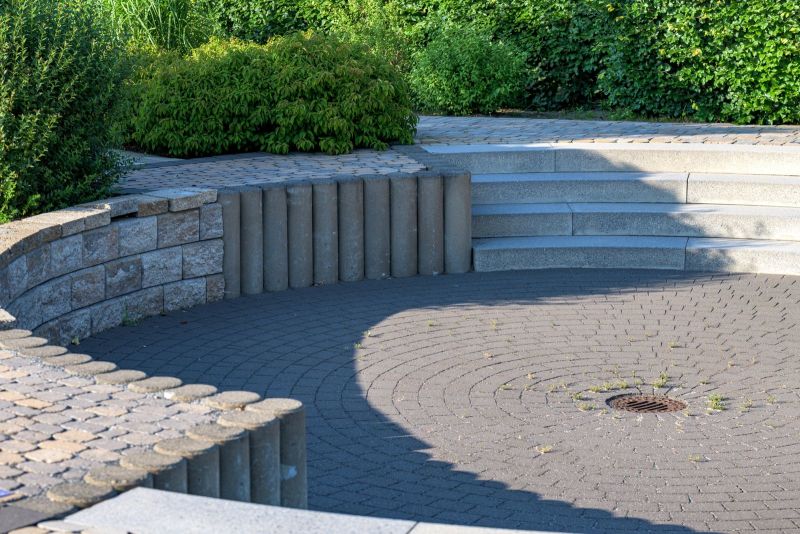
The tiles themselves are only about 30 - 45% of that. Budget outdoor porcelain starts around £28 - £40 per m² to buy, mid-range sits at £40 - £65, and the large-format or textured wood-effect ranges run £65 - £95 per m². The rest of your money goes into ground you'll never see. If you want a survey and a written quote that separates the groundwork from the tile price so you can compare like for like, Tradesmart Driveways & Landscaping lays porcelain across Derby and prices each element on its own.
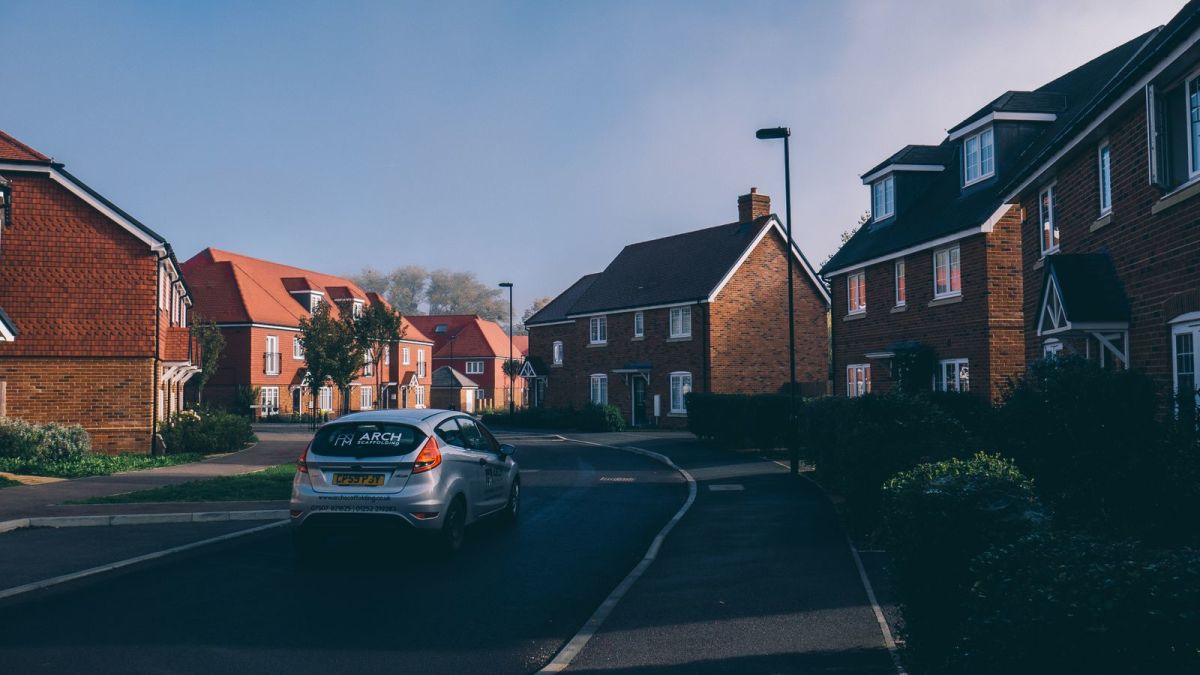
Access shapes the labour figure more than people expect. The Victorian and Edwardian terraces around Normanton, Peartree and Chester Green rarely have side access, so every tile, bag of sand and barrow of spoil goes through the house. That typically adds £200 - £500 compared with a 1930s semi in Littleover or Chaddesden with a wide side gate.
Why Porcelain Suits Derby's Climate
Derby gets around 700mm of rain a year, which is modest by UK standards, but it comes with a long damp season and a genuine freeze-thaw problem. Water that soaks into a porous slab and then freezes expands by about 9%, and each cold snap opens the surface a little more. Porcelain sidesteps that almost entirely because it absorbs so little water in the first place. There is nothing inside the tile for frost to work on.
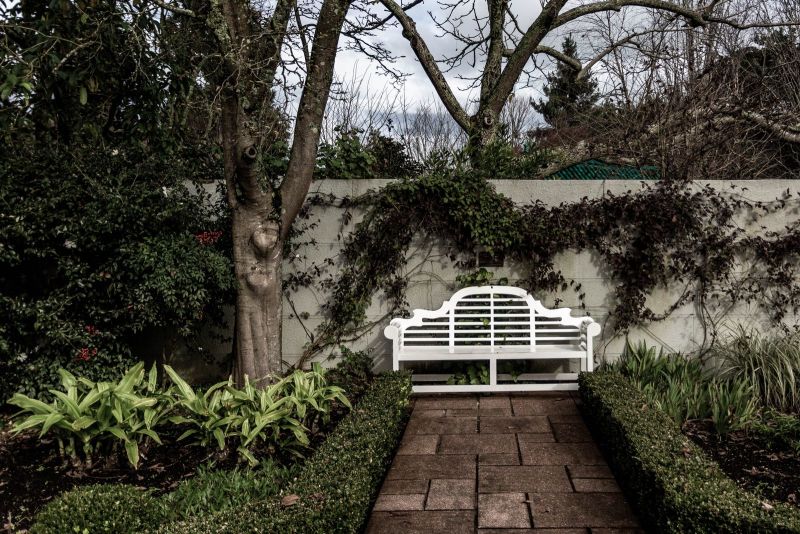
That low porosity is also why porcelain stays cleaner. Sandstone and limestone green up with algae in Derby's shaded, slow-drying rear plots, while porcelain's near-sealed surface gives moss and lichen far less to grip. You still wash it, but you're washing a surface, not scrubbing growth out of open pores.
Slip Resistance in the Wet
The one fair worry about porcelain is grip. Outdoor-rated porcelain is textured and carries an R11 slip rating as standard, which is fine for a garden. Avoid using indoor-polished porcelain outside - it turns lethal in Derby's wet winters. Reputable outdoor ranges quote their R rating on the box, and R11 or R12 is what you want for a patio that sees frost and rain from October through March.
Porcelain vs Sandstone: The Real Comparison
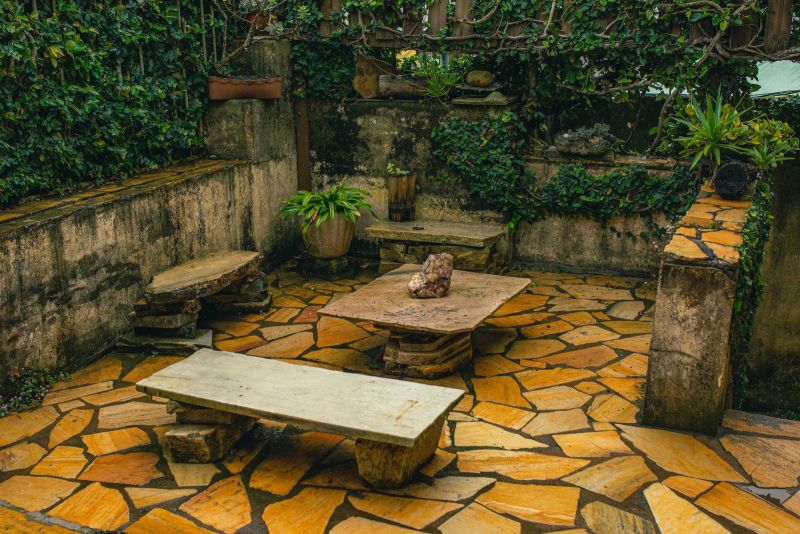
Indian sandstone is still Derby's most-laid patio material, and at £90 - £120 per m² installed it undercuts porcelain by £20 - £50 per m². On a 20m² patio that's a £400 - £1,000 saving upfront. Sandstone also has a warmth and natural variation that suits period stone-fronted properties in a way flat porcelain sometimes can't.
The trade-off is upkeep and porosity. Sandstone drinks water, needs sealing every couple of years at £3 - £5 per m² in materials, and stains from wine, grease and leaf tannin far more readily. Porcelain shrugs off all three. Over a 15-year life the sealing, cleaning and occasional re-pointing on sandstone quietly closes the gap. We ran the full material-by-material maths in our Derby garden patio cost guide, which is worth reading alongside this if you're weighing porcelain against the alternatives.
Porcelain vs Concrete and Block Paving
Concrete flags and standard block paving are the budget end, at £70 - £100 per m² installed, so on a 20m² patio you'd save £800 - £1,400 against porcelain. For a purely functional surface where looks aren't the priority, that saving is legitimate.
But concrete-based products fade and weather. Pigmented concrete flags lose colour over 8 - 10 years, and the surface picks up a chalky bloom (efflorescence) as salts migrate out. Porcelain's colour is fired through a glazed surface and holds for the life of the tile, which is a big part of why its 20-year whole-life cost lands closer to concrete than the sticker price suggests. If your priority is a driveway rather than a patio, the trade-offs shift again, and standard concrete brings its own problems in Derby's clay - something we cover separately.
The Groundwork That Makes or Breaks a Porcelain Patio
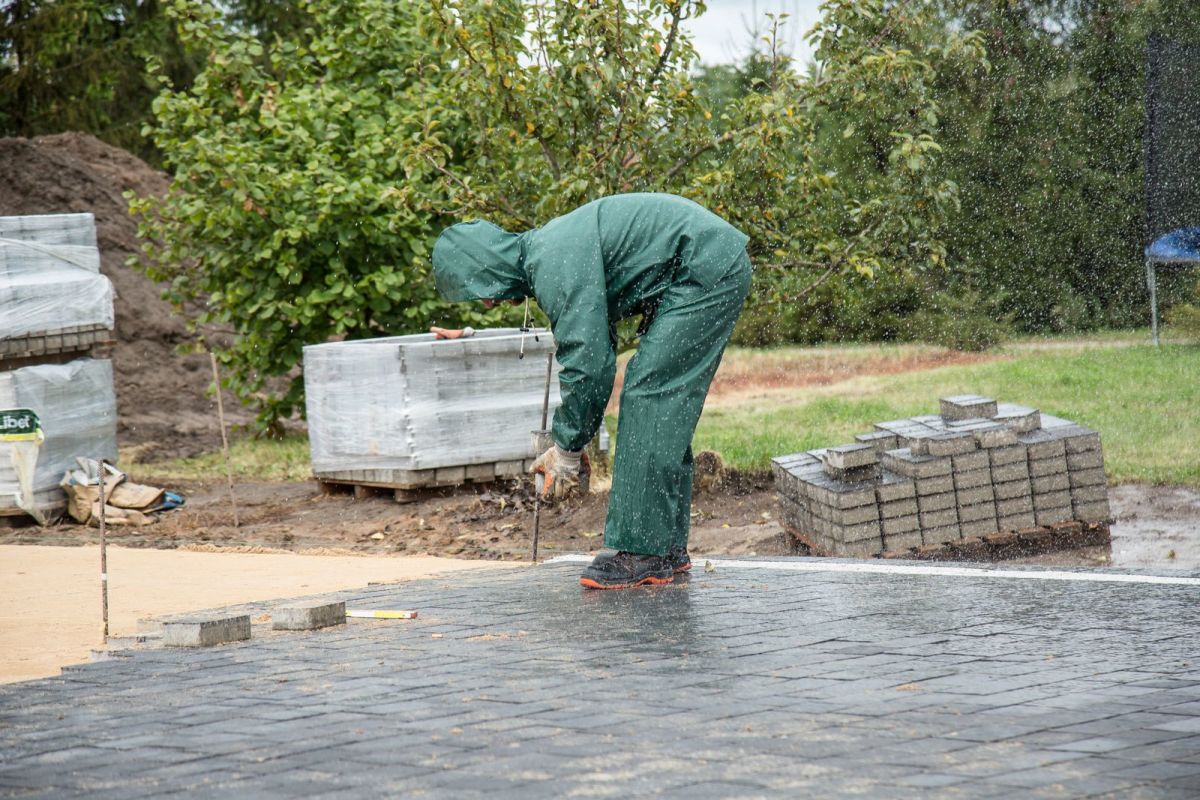
Porcelain is unforgiving of a bad base, more so than sandstone. Because the tiles are dense and non-porous, they must be laid on a full mortar bed with a slurry primer bonding the back of each tile - never on the five-dab method some fitters still use on cheaper stone. Skip the primer and the tiles debond and rock within two winters. That full-bed method is part of why porcelain labour runs higher.
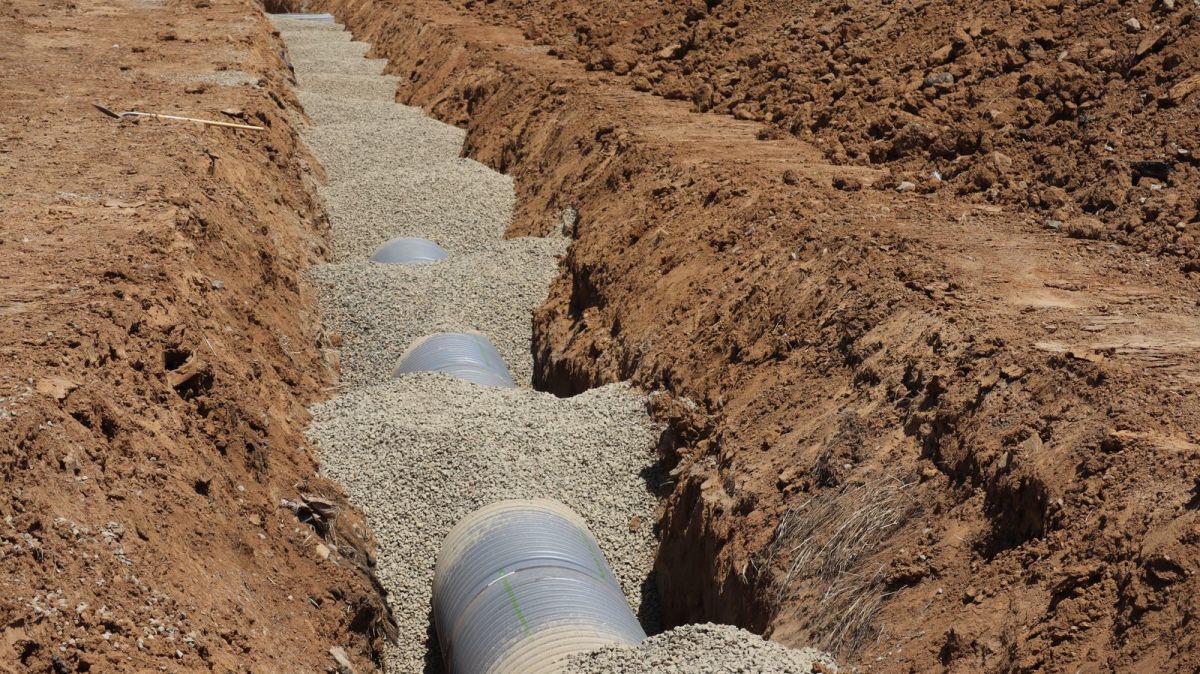
Underneath, Derby's clay is the real design problem. Heavy clay covers most of the city, particularly the lower ground near the Derwent floodplain, and it swells in wet winters and shrinks in dry summers - moving up to 40 - 50mm vertically on a bad plot. A porcelain patio needs a properly excavated and compacted 150 - 200mm sub-base to ride that out. The RHS guidance on managing heavy clay soils explains why these grounds hold water and heave, and the practical upshot for paving is simple: the base has to be engineered, not just raked level.
Falls and Drainage
Every patio needs a fall of roughly 1:80 to shed water away from the house, and on Derby's clay a soakaway or linear channel drain is often needed because the ground won't take the runoff quickly. Budget £150 - £600 for drainage depending on how far the water has to travel. Get the fall wrong on porcelain and water pools on that near-impermeable surface, because unlike sandstone it can't absorb even a little of it.
Pros and Cons of Porcelain Paving
The honest summary. On the plus side: near-zero water absorption, no sealing, excellent frost and stain resistance, colour that doesn't fade, low algae growth, and a clean modern finish. Maintenance is genuinely low - a wash two or three times a year keeps it looking new, against the annual sealing sandstone wants.
On the minus side: it costs 20 - 40% more than sandstone upfront, demands a full mortar bed and skilled fitting (so a botched cheap install fails fast), and the tiles are brittle at the edges if dropped or badly cut. It also has a flatter, more uniform look that some people find less characterful than natural stone. Porcelain isn't automatically the right call - but for a Derby garden that faces real freeze-thaw and holds water on clay, it solves more problems than it creates.
Getting a Fair Porcelain Quote in Derby
Derby has plenty of landscapers, but porcelain-experienced fitters are thinner on the ground, and the good ones fill their spring diaries by February. Quoting in January or autumn usually gets you better availability and often 5 - 10% off peak pricing.
A good quote names the porcelain range and thickness (outdoor porcelain should be 20mm, not 10mm indoor tile), states that tiles will be laid on a full bonded bed with primer, describes the sub-base depth, and lists drainage and edging separately. A vague quote hides the base. Before you hand over a deposit, checking anyone you shortlist against the TrustMark register of government-endorsed tradespeople is a five-minute job that filters out the fly-by-night operators.
Summary Table: Derby Porcelain Patio Costs 2026
The short version: porcelain costs more upfront and demands proper groundwork, but its near-zero water absorption is exactly what Derby's frost and clay call for, and it claws back a lot of the price gap over 15 - 20 years of near-zero maintenance.
---
FAQ
Q: How much does a porcelain patio cost in Derby in 2026?
A: Roughly £110 - £170 per m² supplied and laid, so about £2,200 - £3,400 for a typical 20m² patio. That's around £20 - £50 per m² more than Indian sandstone. Groundwork, drainage and edging make up more than half the total, so the sub-base is where quotes genuinely differ, not the tile.
Q: Is porcelain better than sandstone for a Derby garden?
A: For frost and low maintenance, yes. Porcelain absorbs under 0.5% water against 3 - 7% for sandstone, so it resists Derby's 40 - 55 frost nights far better, doesn't need sealing, and won't green up in shaded rear plots. Sandstone is cheaper upfront and warmer in appearance, so the right choice depends on budget and whether you want low upkeep or natural character.
Q: Does porcelain paving get slippery in the wet?
A: Only if you use the wrong tile. Outdoor-rated porcelain carries an R11 or R12 slip rating and is textured for grip, which handles Derby's wet winters fine. The danger is laying polished indoor porcelain outside, which becomes genuinely slippery. Always check the R rating before buying.
Q: Why does porcelain need a full mortar bed?
A: Because the tiles are dense and non-porous, they must be bonded to a full mortar bed with a slurry primer on the back of each tile, not laid on five dabs of mortar like some cheaper stone. Skip the primer and the tiles debond and rock within a couple of Derby winters. Proper bedding is the main reason porcelain labour costs more.
---
Ready to work with Trade Smart Driveways & Landscaping?
Let's connect! We’re here to help.
Send us a message and we’ll be in touch.
Or give us a call today at 111-222-3333
Agency Contact Form
More Marketing Tips, Tricks & Tools