Garden Fencing Costs in Derby: A 2026 Price Guide
Getting a straight answer on fencing costs in Derby is harder than it should be, because a "£30 panel" quote quietly ignores the posts, gravel boards, concrete and labour that make up most of the bill. In 2026 you're looking at roughly £70 to £110 per metre for standard timber fencing fully installed, rising to £120 to £180 per metre for composite. On an average 20-metre Derby boundary that's a swing of well over £1,400 between the cheapest and dearest options. The panel or board itself is often only 35 to 50% of the total - the rest is posts, groundwork and fitting that every job needs whatever style you choose. Derby's exposed East Midlands weather, with winter gusts regularly topping 40mph and 40 to 55 frost nights a year, also punishes cheap timber and shallow posts, so the cheapest fence rarely lasts longest. This guide breaks it down type by type, with a summary table so you can see where your money really goes.
What Goes Into a Fencing Price in Derby
Before comparing styles, it helps to know what you're paying for. The panel or board is usually only 35 to 50% of the total. The rest is posts (timber or concrete), gravel boards, postcrete, fixings and labour. A proper fence build in Derby means digging post holes 600 to 750mm deep, setting posts in concrete, letting them cure, then hanging panels or fixing boards - so a 20-metre run often takes two people two to three days rather than an afternoon.
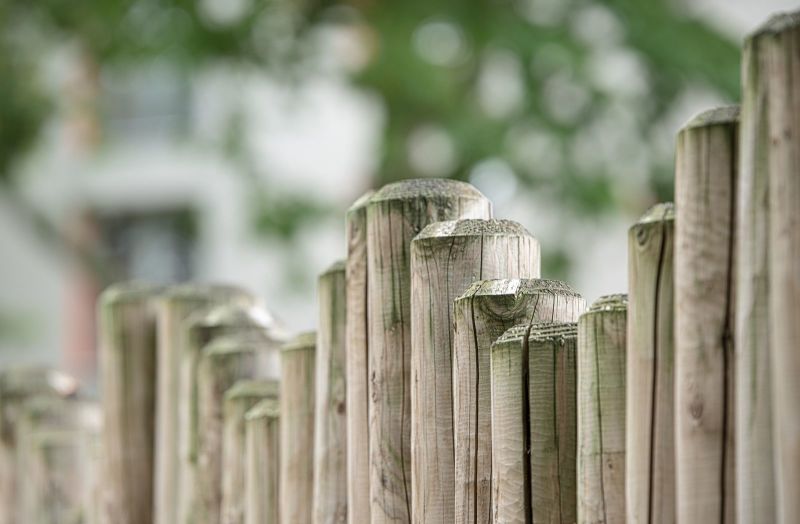
Ground conditions matter more than people expect. Much of Derby sits on heavy clay, which holds water and can heave slightly in frost, so posts need setting deep and in proper postcrete to stay plumb. Old boundaries in Victorian terraced areas like Normanton and Rose Hill sometimes hide brick footings, tree roots or a neighbour's concrete, which slows digging and adds labour. If you want a survey and a fixed quote that itemises posts separately, Tradesmart Driveways & Landscaping installs fencing across Derby and can price the groundwork on its own so you can see the real breakdown.
Removal and disposal is the last hidden cost. Taking out an old fence, digging out set-in concrete post bases and carting the waste away can add £15 to £30 per metre, or £300 to £600 on a 20-metre run, before a single new post goes in. It's often left off cheap quotes and then appears as an "extra" on the day.
Feather-Edge and Close-Board Fencing: £75 - £110 per metre
Feather-edge (also called close-board) is the most robust standard timber fence and a common choice for Derby back gardens exposed to wind. At £75 to £110 per metre installed, a 20-metre run comes to roughly £1,500 to £2,200. It's built board by board onto horizontal rails rather than as pre-made panels, so it's stronger and easier to repair - you swap one split board rather than a whole panel.
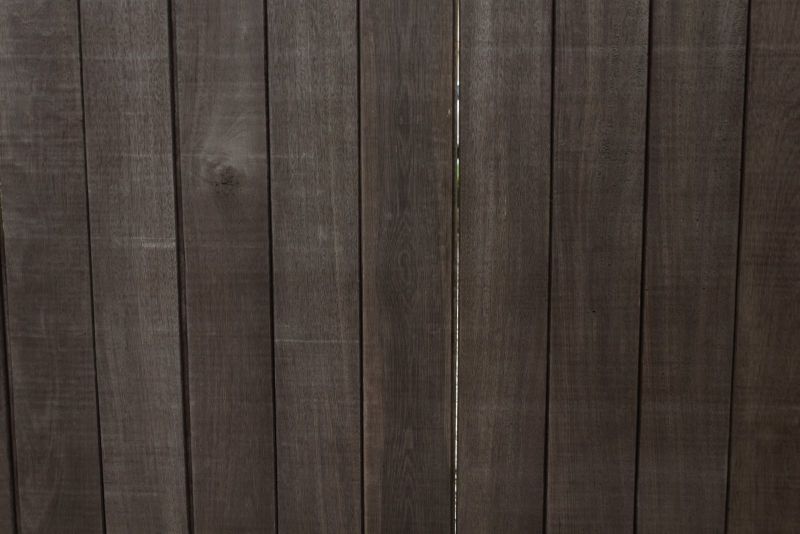
The strength comes from the construction. Overlapping vertical boards, concrete posts and a concrete gravel board at the base keep the timber off wet ground, which matters in Derby where the base of a fence sits in damp clay for much of winter. That gravel board alone can add 5 to 10 years to the fence's life by stopping the boards wicking up moisture and rotting.
Lifespan is strong at 15 to 20 years with concrete posts and gravel boards, and the boards can be re-treated or replaced individually as they age. It costs more upfront than panels, but on an exposed Derby boundary that takes the brunt of south-westerly gales, it's usually the better long-term value.
Overlap and Lap Panel Fencing: £70 - £95 per metre
Pre-made panels - overlap (waney lap) and closeboard panels - are the most popular fencing in Derby for their speed and lower cost. At £70 to £95 per metre installed, a 20-metre boundary runs about £1,400 to £1,900. Panels drop into slotted concrete posts, so a straightforward run goes up fast, keeping labour down.
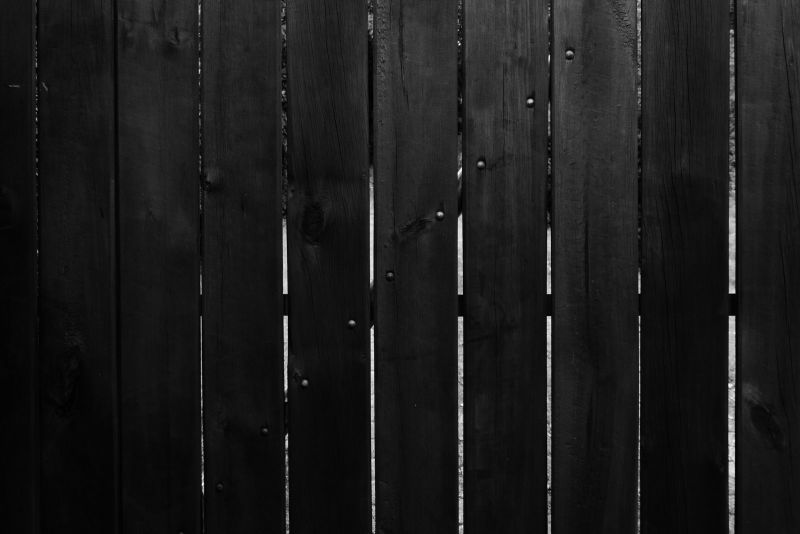
The trade-off is durability. Thin overlap panels flex and rattle in high wind, and Derby's exposed position means the cheapest 6-foot panels can blow out or crack in a bad winter storm if the posts aren't set deep enough. Using concrete posts and gravel boards rather than timber posts is the single best upgrade here - timber posts set straight into clay are the most common cause of fences leaning within five years.
Lifespan runs 10 to 15 years for decent panels on concrete posts, less for budget panels on timber. Panels come pressure-treated or dip-treated; pressure-treated lasts noticeably longer in Derby's wet winters and is worth the small extra. For a sheltered garden or a boundary between two houses, panels are a sensible, cost-effective pick.
Composite Fencing: £120 - £180 per metre
Composite fencing is the premium, low-maintenance option and the fastest-growing choice in Derby's newer estates in Mickleover, Oakwood and Chellaston. At £120 to £180 per metre installed - about £2,400 to £3,600 for 20 metres - it's the dearest here, but it earns a lot back in upkeep. The boards are a wood-and-plastic mix that never needs staining, doesn't rot, warp or splinter, and shrugs off Derby's freeze-thaw winters far better than timber.
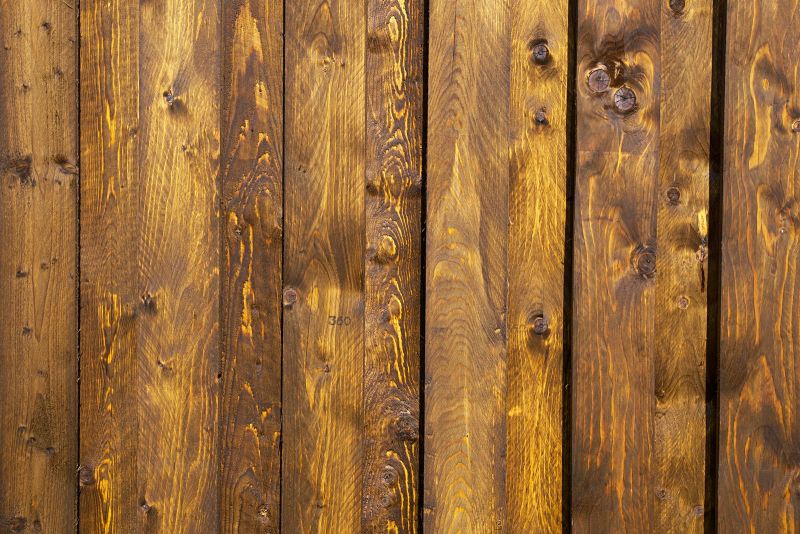
The look is clean and uniform, with colours that hold for years rather than silvering off like untreated wood. Aluminium or composite posts give a rigid, rattle-free run that copes well with wind, and there's no annual treating to budget for - a real saving over a 20 to 25-year life.
Maintenance is where composite pays you back. A timber fence needs re-treating every 2 to 3 years at £2 to £4 per metre in materials plus a weekend of your time; composite needs no more than an occasional wash. Over its life that low upkeep often makes composite cheaper to own than repeatedly treating and eventually replacing timber, which is why more Derby homeowners are choosing it despite the higher sticker price.
Metal Railings and Estate Fencing: £90 - £200 per metre
Metal railings suit front boundaries on Derby's period properties - the Victorian and Edwardian terraces and villas around Strutts Park, Darley Abbey and Littleover where timber panels can look out of place. Costs vary widely from £90 per metre for basic galvanised bow-top railings up to £200 per metre for powder-coated or wrought-iron estate fencing, installed.
Railings are set into concrete or bolted to a low brick wall, and galvanised-then-powder-coated steel resists Derby's damp winters for 25 years or more with little upkeep. They give security and definition without blocking light or wind, which is why they suit front gardens and open-plan estate frontages better than a solid 6-foot fence.
The catch is height and permission. On a front boundary next to a road or footpath, fencing and railings are limited to 1 metre high under permitted development, and anything taller needs planning permission - the government's guidance on fences, gates and garden walls planning rules sets out the 1-metre and 2-metre limits clearly. Elsewhere in the garden the limit is generally 2 metres. It's always worth checking before you commit to a tall front boundary in a Derby conservation area, where extra restrictions can apply.
Getting an Accurate Quote and Choosing the Right Fence
The biggest cause of leaning, rattling fences in Derby isn't the panel - it's shallow posts and skipped gravel boards. A quote that's £15 to £20 per metre cheaper than the rest has usually saved that money on post depth, concrete or removal of the old fence, and those corners show within a winter or two. Always ask how deep the posts go, whether they're concrete or timber, and whether removal and disposal are included.
Get at least three itemised quotes and make sure each separates the fence, the posts and any removal. For neutral help comparing tradespeople, the consumer guidance from Which? on hiring a builder or tradesperson is a sensible read, and checking any installer against the TrustMark register of government-endorsed tradespeople confirms they meet recognised standards before you pay a deposit. It's also worth agreeing which side of the boundary the fence sits on with your neighbour first, to avoid disputes later.
If you're paving and fencing at the same time, our Derby garden patio cost guide covers the same value-versus-lifespan trade-off for the ground surface. For fencing alone, though, the numbers below cover the styles most Derby gardens end up choosing between.
Summary Table: Derby Garden Fencing Costs by Type 2026
The takeaway: overlap panels win on upfront price, feather-edge offers the best value for an exposed timber boundary, railings suit period front gardens, and composite costs most but resists Derby's weather and needs almost no upkeep - often making it the cheapest to own over its life. Match the fence to your boundary's exposure, height rules and your appetite for maintenance, not just the sticker price.
---
FAQ
Q: How much does garden fencing cost in Derby in 2026?
A: New garden fencing in Derby costs roughly £70 to £180 per metre installed depending on type - around £70 to £95 for overlap panels, £75 to £110 for feather-edge, £90 to £200 for metal railings, and £120 to £180 for composite. On a typical 20-metre boundary that's about £1,400 at the budget end up to £3,600 for composite, before any old-fence removal or difficult-access costs.
Q: What is the cheapest garden fencing in Derby?
A: Overlap (waney lap) panels are the cheapest at £70 to £95 per metre installed, roughly £1,400 to £1,900 for a 20-metre run, with individual panels from around £28 to £45. They're quick to fit but flex in high wind, so setting them on concrete posts and gravel boards rather than timber posts is worth the small extra to stop them leaning or blowing out.
Q: How high can I build a garden fence in Derby without planning permission?
A: Under permitted development you can generally build a fence up to 2 metres high in your back or side garden, but only up to 1 metre high if it's next to a road or footpath at the front. Anything taller needs planning permission, and extra restrictions can apply in Derby's conservation areas, so it's worth checking with the council before building a tall front boundary.
Q: Which fencing lasts longest in Derby's weather?
A: Metal railings last longest at 25 years or more, followed by composite at 20 to 25 years, both needing almost no upkeep. Feather-edge timber on concrete posts lasts 15 to 20 years, and overlap panels 10 to 15 years. In Derby's wet, frosty winters, concrete posts and gravel boards add years to any timber fence by keeping the wood off damp clay.
Q: Why do fencing quotes in Derby vary so much?
A: Because the panel is only 35 to 50% of the cost. The rest is posts, concrete, gravel boards, labour and removing the old fence - which alone can add £300 to £600. A cheaper quote often means shallower posts or timber instead of concrete, so two quotes for the same fence can differ by hundreds of pounds depending on how well the posts are set.
---
Ready to work with Trade Smart Driveways & Landscaping?
Let's connect! We’re here to help.
Send us a message and we’ll be in touch.
Or give us a call today at 111-222-3333
Agency Contact Form
More Marketing Tips, Tricks & Tools