Artificial Grass Costs in Derby: A 2026 Price Guide
Pricing up artificial grass in Derby is harder than the glossy showroom figures suggest, because the cost of the grass roll is only part of the job. In 2026 you're looking at roughly £40 per m² for a budget lawn fully installed, rising to £100 per m² for a premium pile laid over a proper stone base. On an average 40m² Derby back garden that's a gap of £2,400 between the cheapest and dearest quotes for what looks like the same green carpet. The groundwork - excavation, a compacted sub-base and a laying course - typically makes up 40 to 60% of the total and doesn't change much whichever grass you pick. Derby's clay soils and 40 to 55 frost nights a year also make drainage a real cost rather than an optional extra. This guide breaks the price down layer by layer, with a summary table so you can see where your money actually goes.
What You're Actually Paying For in Derby
The grass roll itself is usually only 30 to 45% of an artificial lawn quote. The rest is labour and materials you never see once the job's done - excavating 75 to 100mm of soil, laying and compacting a Type 1 sub-base, a granite dust or sand laying course, a weed membrane, jointing tape, adhesive and galvanised pins or timber edging. On a 40m² lawn two fitters might spend two to three full days on site, and the muck-away alone can mean three or four tonnes of spoil carted off.
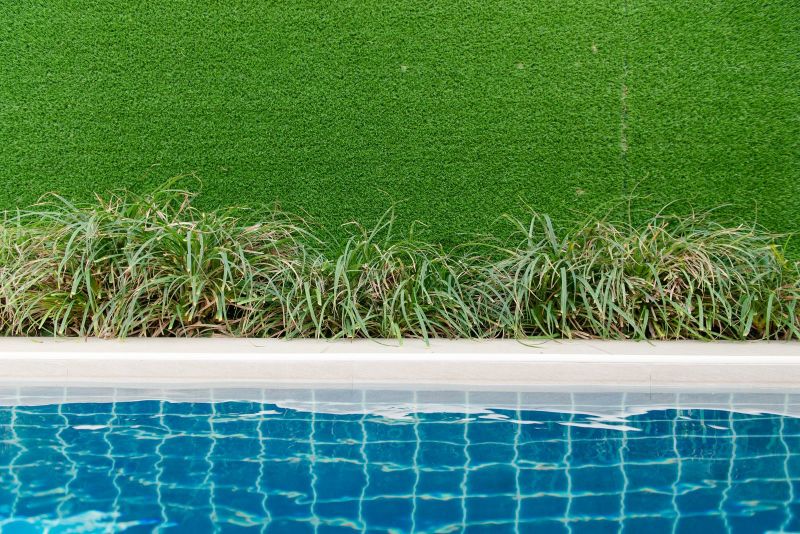
Access is the quiet cost-driver in Derby. Plenty of Victorian and Edwardian terraces around Normanton, Peartree and New Normanton have no side gate, so every barrow of spoil out and every tonne of stone in travels through the house or down a narrow ginnel. That can add £200 to £500 in labour against a 1930s semi with a wide side passage. If you want a proper site survey and a fixed quote that itemises the base separately, Tradesmart Driveways & Landscaping fits artificial lawns across Derby and can price the groundwork on its own so you can see the real split.
Drainage is the third hidden line. Derby sits on heavy clay in many areas, which holds water rather than letting it soak away, so a free-draining stone base and sometimes a soakaway or perforated drain are needed to stop the lawn puddling in winter. Budget £150 to £500 for drainage depending on how waterlogged the plot already is.
Budget Artificial Grass: £40 - £60 per m²
At the value end, £40 to £60 per m² supplied and fitted gets you a serviceable lawn, around £1,600 to £2,400 for a typical 40m² Derby garden. This usually means a shorter pile height of 20 to 30mm, a lighter face weight, and a polypropylene or basic polyethylene yarn. It looks fine from a distance and suits low-traffic spots, rental properties, or a homeowner who mainly wants to kill off a muddy, north-facing lawn that never dries out.
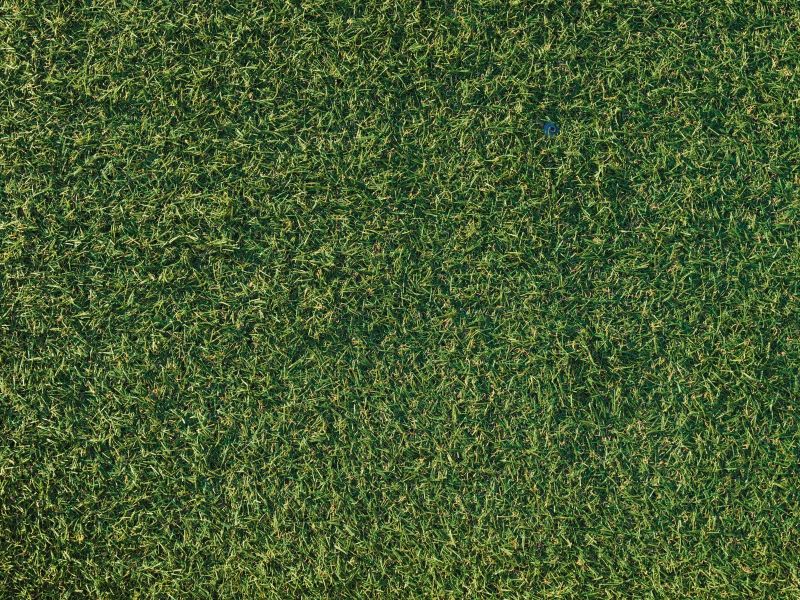
The trade-offs are real. Lighter grasses flatten faster under footfall and garden furniture, and cheaper backings can be less UV-stable, so the colour may fade quicker in a sunny south-facing plot. Pile density is lower too, so the "thatch" that makes fake grass look convincing is thinner.
Where budget grass still makes sense in Derby is a shaded courtyard or a small terraced yard that gets little direct sun and light use. In those spots the cheaper yarn's weaknesses barely show, and you save £15 to £40 per m² against a premium roll - money often better spent on getting the base right underneath.
Mid-Range Artificial Grass: £60 - £80 per m²
The mid-range is where most Derby homeowners land, at £60 to £80 per m² fitted, or roughly £2,400 to £3,200 for 40m². For that you typically get a 30 to 40mm pile, a higher stitch count, and a two or three-tone yarn with a brown thatch that mimics a real lawn far more convincingly. Face weights climb, so the grass springs back better after you've had garden chairs and a paddling pool on it all summer.
These grasses usually carry a UV-stability guarantee of 8 to 10 years and use a more durable polyethylene monofilament yarn. That matters in Derby gardens that catch full afternoon sun, where cheaper products can go pale within a few seasons.
For a family garden that gets daily use from kids and pets, mid-range is the sensible middle ground - durable enough to take a beating, soft enough to sit on, and priced well below premium. It's also the band where drainage performance improves, with more grasses offering a fully permeable backing that copes with Derby's wet winters and lets rain pass straight through at 60 litres per m² per minute or more.
Premium Artificial Grass: £80 - £100 per m²
At the top, £80 to £100 per m² fitted - about £3,200 to £4,000 for a 40m² lawn - buys the most realistic and hard-wearing products on the market. Expect a 40 to 45mm pile, very high stitch densities, multi-tone yarns with curled thatch, and soft, non-shiny fibres that are genuinely hard to tell from real grass close up. UV guarantees often stretch to 10 to 15 years.
The extra money isn't only in the roll. Premium jobs tend to come with a thicker, better-compacted sub-base and a more careful laying course, which is what stops seams showing and edges lifting over time. A well-laid premium lawn should hold its look for 15 to 20 years, giving the lowest cost-per-year despite the higher upfront figure.
Premium grass earns its keep in a prominent front garden or a much-used family lawn where appearance and longevity both matter. For a rarely-seen side return or a shaded yard, you'd rarely need to spend this much - matching the grade to the garden's use and aspect saves money without any visible compromise. The Royal Horticultural Society's guidance on the environmental impact of artificial lawns is worth a read too, as it explains the drainage and wildlife trade-offs before you commit to any grade.
How Derby's Weather and Soil Change the Price
Derby's East Midlands climate shapes an artificial lawn quote more than people expect. The city sees around 40 to 55 frost nights and roughly 700 to 750mm of rain a year, so freeze-thaw and standing water are the two forces working on your base. A poorly drained sub-base can heave slightly in a hard frost or turn soggy in a wet January, which is why fitters build in a free-draining stone layer rather than laying grass onto old soil.
Clay soil, common across much of Derby, drains slowly and holds moisture, so more sites here need a deeper sub-base or a soakaway than they would on free-draining sand or gravel. That's a genuine £150 to £500 difference, and it's the main reason two quotes for the "same" lawn can differ by hundreds of pounds - one has priced the drainage properly and one hasn't.
Installer supply is worth knowing too. Derby has a healthy number of driveway and landscaping firms who also fit artificial grass, so you're not short of choice, but the good ones book up fast from March to September. Getting quotes in late winter usually means keener pricing and a better slot than chasing a fitter in peak summer.
Getting an Accurate Quote and Avoiding Cheap Traps
The biggest cause of disappointing artificial lawns in Derby isn't the grass - it's a skimped base. A quote that's £10 to £15 per m² cheaper than the rest has usually saved that money on excavation depth, sub-base thickness or edging, and those corners show within a couple of winters as lumps, dips and lifting edges. Always ask what depth is being dug out, what sub-base is used, and how the edges are restrained.
Get at least three itemised quotes and make sure each separates grass, groundwork and any drainage or muck-away. For neutral help comparing them, the consumer guidance from Which? on hiring a tradesperson is a sensible starting point, and checking a fitter against the TrustMark register of government-endorsed tradespeople confirms they meet recognised standards before you pay a deposit.
If you're weighing fake grass against keeping a real lawn, we've compared the two in detail for the front of a Derby house in our guide on artificial grass versus a real lawn for a Derby front garden. For pure budgeting, though, the numbers below cover the three grades most Derby gardens end up choosing between.
Summary Table: Derby Artificial Grass Costs by Grade 2026
The takeaway: budget grass suits shaded, low-use corners, mid-range is the value sweet spot for most family gardens, and premium costs most upfront but lasts longest and looks most convincing. Wherever you land on the grass, spend on getting the base and drainage right - in Derby's clay and frost, that's what decides whether your lawn still looks good in ten years.
---
FAQ
Q: How much does artificial grass cost in Derby in 2026?
A: Artificial grass in Derby costs roughly £40 to £100 per m² supplied and fitted, depending on the grade of grass and the groundwork needed - around £40 to £60 for budget, £60 to £80 for mid-range, and £80 to £100 for premium. On a typical 40m² garden that works out at about £1,600 at the budget end up to £4,000 for a premium lawn, before any extra drainage or difficult-access costs.
Q: Why is fitted artificial grass more expensive than the roll price?
A: Because the grass itself is only 30 to 45% of the job. The rest is excavation, a compacted Type 1 sub-base, a laying course, weed membrane, edging and muck-away, plus labour. In Derby's clay soils, drainage can add a further £150 to £500. That groundwork is what stops the lawn puddling or lifting, so cheap quotes usually mean a skimped base.
Q: Does artificial grass drain well in Derby's wet, frosty winters?
A: Yes, if it's laid properly. A good installation uses a fully permeable backing over a free-draining stone base that lets rain soak through at 60 litres per m² per minute or more. Derby's heavy clay and 40 to 55 frost nights a year mean a proper sub-base and sometimes a soakaway are essential, which is why drainage should be a separate line on your quote.
Q: How long does artificial grass last in Derby?
A: A budget lawn typically lasts around 8 to 10 years, mid-range 10 to 15 years, and a well-laid premium lawn 15 to 20 years. Lifespan depends as much on the base as the grass - good drainage and edging in Derby's freeze-thaw climate are what keep it flat and seam-free over time.
Q: Why do artificial grass quotes in Derby vary so much?
A: Mostly because of the base and access. One quote may price a proper deep sub-base and soakaway while a cheaper one skimps on both. Access matters too - Victorian terraces with no side gate can add £200 to £500 in labour to barrow spoil and stone through the house. Two quotes for the same grass can differ by hundreds of pounds as a result.
---
Ready to work with Trade Smart Driveways & Landscaping?
Let's connect! We’re here to help.
Send us a message and we’ll be in touch.
Or give us a call today at 111-222-3333
Agency Contact Form
More Marketing Tips, Tricks & Tools