What to Expect When Installing a Resin Driveway: Start to Finish

In modern homes, resin driveways have become very popular because of their attractive appearance and durability. If you are considering installing a resin driveway, it is good to have an understanding of the installation process and what exactly it involves. This will help customers to have realistic expectations for each stage of the process. To ensure a good finish, the installation of a driveway is paramount and choosing professionals with experience will help to ensure excellent results.
Resin Driveways Explained
Resin surfacing is a mix of specialist resin and aggregate stones. The finish will be seamless and smooth with a permeable surface that will allow water to drain away. This kind of product can be suitable for driveways, pathways and patios.
There are two types of resin systems, either resin bound or resin bonded. The first is a product that is permeable, durable and smooth, while the second has a rougher texture making it less permeable.
The Process
Initial Survey and Planning - Step 1
The first part of the process is assessing the site. This includes checking the existing surface and what the current conditions are to see if the base is suitable. Drainage is important and needs to be considered at this stage. There are many options when it comes to design. Customers will need to choose the colour and finish that they want as well as any custom design elements, such as the edging and layout.
Preparation of the Ground - Step 2
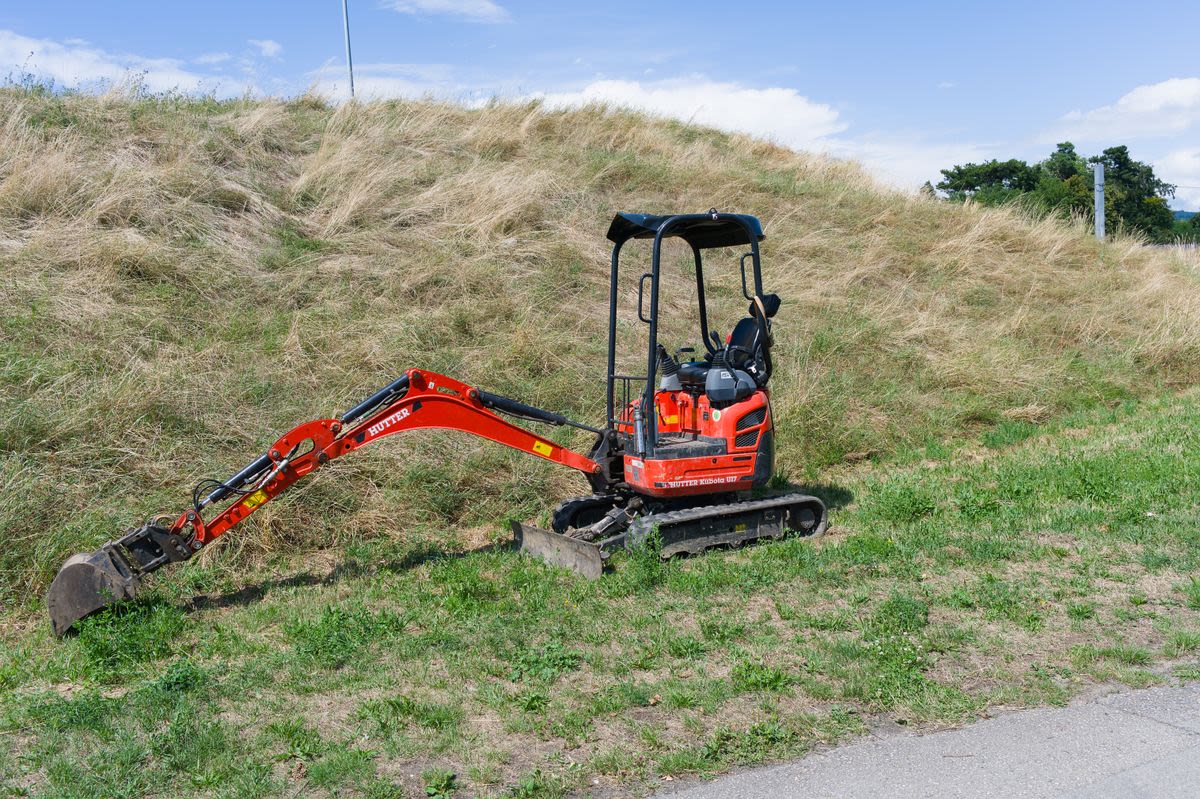
Sometimes it may be necessary to remove the old driveway. The allocated area will need to be levelled and cleared before work can start. A sub-base consisting of hardcore that has been compacted will need to be installed to guarantee stability. A layer of sand is then added to create a surface that is level. These steps are very important to make sure that there is no sinking or cracking later on.
Installing or Preparing the Base - Step 3
When installing a resin driveway, a solid base is necessary. This could be either concrete or asphalt. Sometimes, the existing base can be repaired if it is in a reasonable condition. Making sure the base is correct will help to ensure durability.
Mixing the Resin and Aggregate - Step 4
Professionals will mix the materials on-site to ensure consistency. The ratio of the mix needs to be carefully considered to guarantee strength and make it aesthetically pleasing.
Laying the Resin Surface - Step 5
After the base has been addressed and the product mixed, the mixture can be evenly spread across the area and levelled to create a finish that is smooth. Adding edges and borders will help to make sure the overall appearance is neat and tidy. The thickness of the application is also important.
Curing and Finishing - Step 6
Once the product has been applied, it will need to be left to cure. During this time it is important to avoid any foot or vehicle traffic. You can normally expect to be able to walk on the resin within about 24 hours, and it will be safe for vehicles after about 24-48 hours.
What Can Affect the Installation
There are a few things that need to be considered during installation. The weather can have an effect and it is advisable to avoid rainy or cold conditions. If it is dry weather, the curing process will be improved.
If the area that is having resin installed is large, the project will take longer to complete. If the customer wants custom designs or special features, this will also increase the overall time taken.
Ensuring the ground is well prepared is essential and may add time to the installation.
Things to Consider During Installation
During the installation of a driveway, you can expect to lose access to the area for the duration of the process. It can also be noisy! Professional companies will aim to minimise inconvenience for clients and having clear communication will help to manage expectations.
Benefits of Professional Installation
When choosing a company, it is important to make sure the tradesman have the relevant experience. This will give you peace of mind and you can rest assured that the preparation and application is done correctly. There can be issues with cracking or drainage if the installation process is not done properly. To guarantee long-lasting results and have a high quality finish with an attractive appearance, be sure to take your time when deciding on which professional will carry out the work.
Conclusion
Resin bound driveways are a convenient option for property owners as they are often quicker to install than other alternatives. A customer can expect a project to be completed within a few days, including preparation and curing times. Careful planning will help you to stay on budget and have realistic expectations.
Ready to work with Trade Smart Driveways & Landscaping?
Let's connect! We’re here to help.
Send us a message and we’ll be in touch.
Or give us a call today at 111-222-3333
Agency Contact Form
More Marketing Tips, Tricks & Tools