Porcelain Driveways in Derby: Can Porcelain Take a Car, and What Does It Cost in 2026?
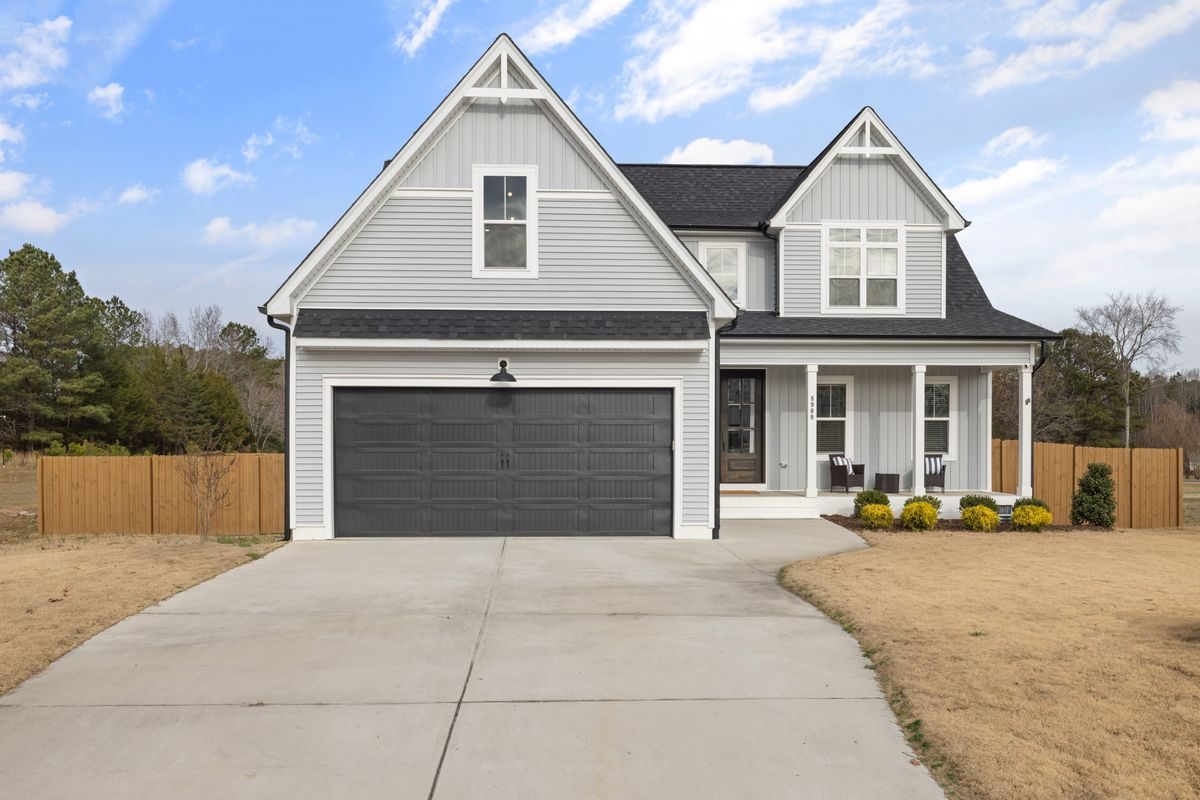
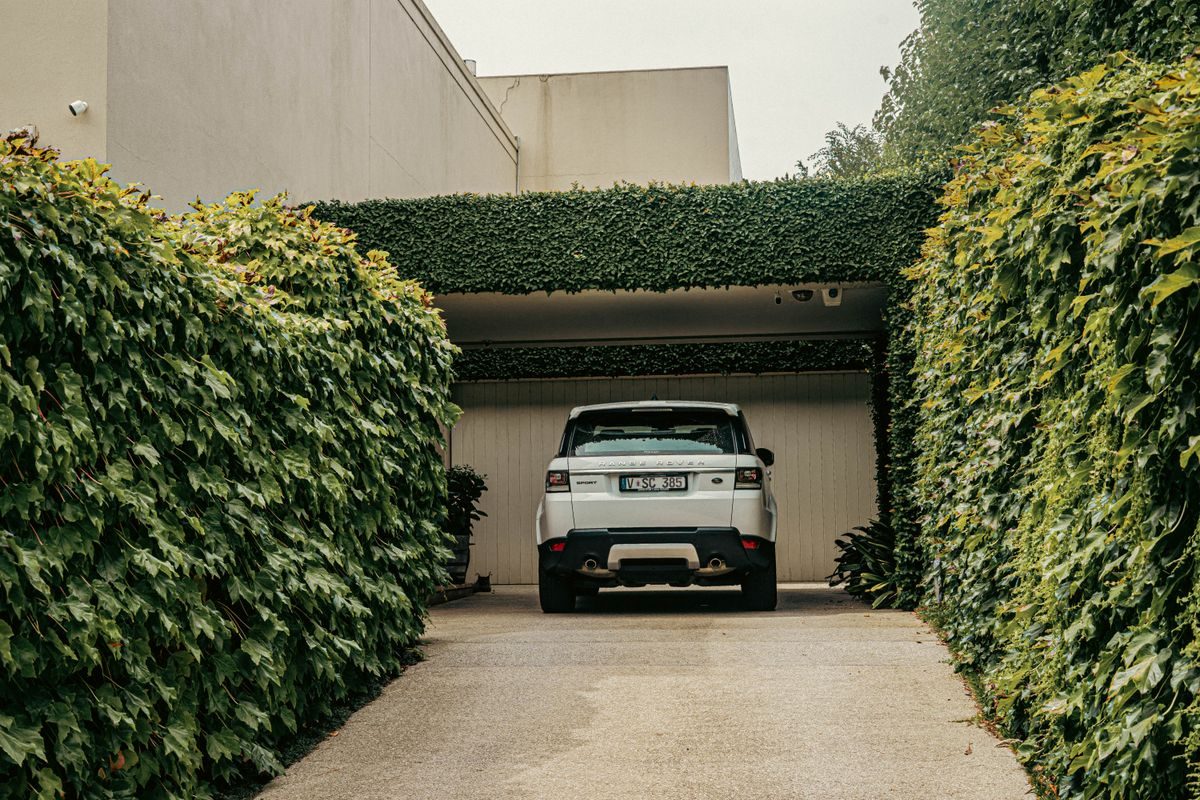
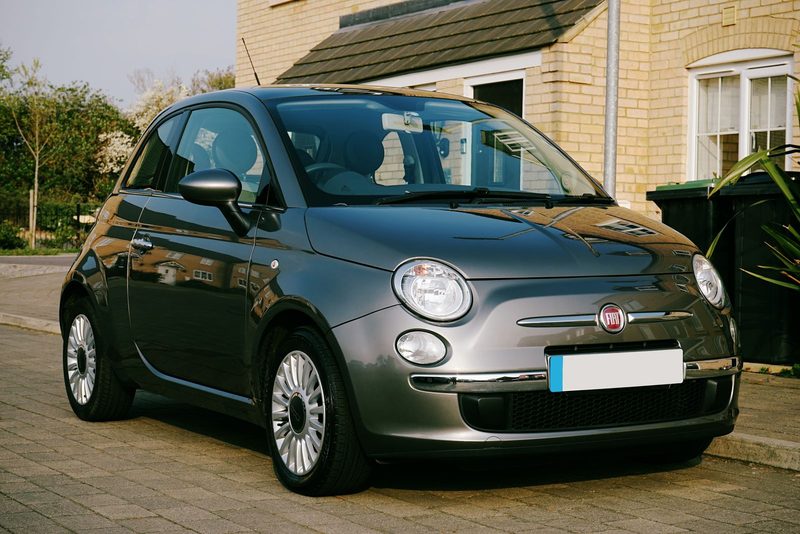
Porcelain has taken over the patio market in the last few years, and now a lot of Derby homeowners want the same look out the front. It's a fair question: if porcelain looks this good in the back garden, why not on the drive? Porcelain driveways in Derby can work, and some look superb, but they need a very different build from a patio, and get it wrong and you'll have cracked slabs within a winter or two. A typical car weighs 1.2-2 tonnes, and when it turns its wheels on the spot it puts a twisting load on whatever's under each tyre. Patio porcelain is usually 20mm thick and laid on a mortar bed over a compacted sub-base. That's fine for feet and furniture. For cars it needs a reinforced concrete slab underneath, which is why a porcelain drive typically costs £120-£200 per square metre, roughly 50-100% more than block paving. Here's what's involved, what can go wrong and whether it's worth it on a Derby house.
Can Porcelain Driveways in Derby Take the Weight of a Car?
Yes, but only if the whole construction is designed for it. Porcelain is very hard and dense, harder than most natural stone, and it scores highly on strength tests. The weak point isn't the tile itself, it's what happens underneath. Porcelain is rigid and doesn't flex. If the base below it moves even slightly, or there's a gap in the bedding under one corner, a car wheel can snap the slab like a biscuit.
So the rules are simple. Every slab must be fully bedded with no voids. The bed must sit on a rigid base, not just compacted stone. And the slab sizes need to suit vehicles, which usually means smaller formats.
If you're weighing up porcelain against other options for your own drive, Tradesmart Driveways & Landscaping can look at the site, the ground and how you use it, and give you an honest view on whether porcelain is the right call.
What Goes Under a Porcelain Drive
The build-up for a porcelain driveway in Derby usually looks like this, from the bottom up:
- Dig out to around 250-300mm below the finished level, more where the ground is soft.
- 150mm or more of compacted MOT Type 1 sub-base.
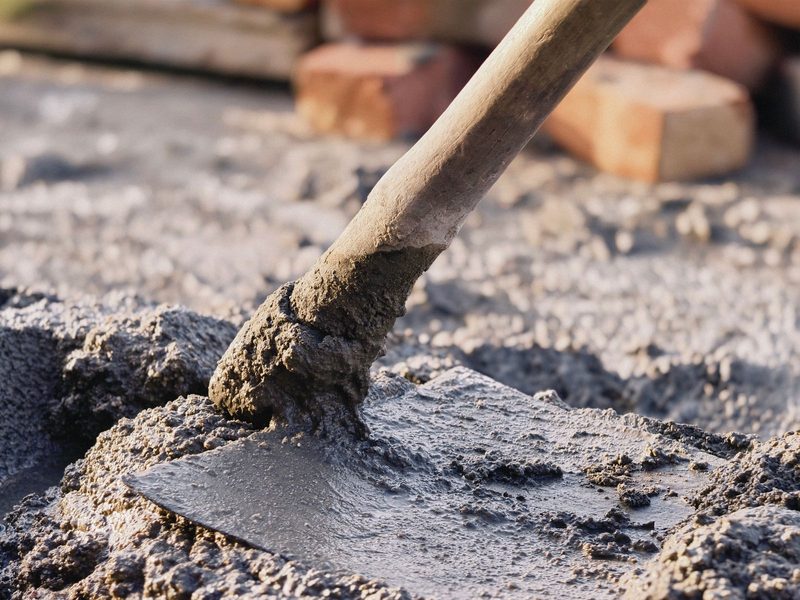
- A concrete slab of about 100-150mm, often with steel mesh, laid to falls so water runs off.
- Movement joints in the concrete, which must be carried up through the paving above.
- A slurry primer painted onto the back of every slab, so the mortar actually bonds to the porcelain.
- A full mortar bed, 20-40mm thick, with each slab tapped down until there are no gaps.
- Joints filled with a cement-based or resin jointing compound.
The slurry primer catches people out. Porcelain absorbs almost no water, which is why it doesn't stain, but it also means ordinary mortar won't stick to it. Without primer, slabs can come loose within months, and a loose slab under a car wheel is a broken slab.
Why Derby's ground matters
Much of Derby sits on clay, particularly the Mercia Mudstone that runs under large parts of the city and its suburbs, with river gravels along the Derwent valley. Clay swells when it's wet and shrinks in dry summers. Under a flexible surface like block paving that movement shows as a dip or a few lifted blocks, which are easy to put right. Under a rigid porcelain drive it can crack the concrete slab and the paving with it. On clay sites, the sub-base often needs to be deeper and the concrete reinforced, and trees close to the drive are a warning sign.
Choosing the Right Porcelain for a Driveway
Not all porcelain sold for outdoor use is suitable for vehicles. Here's what to look for.
Thickness and format
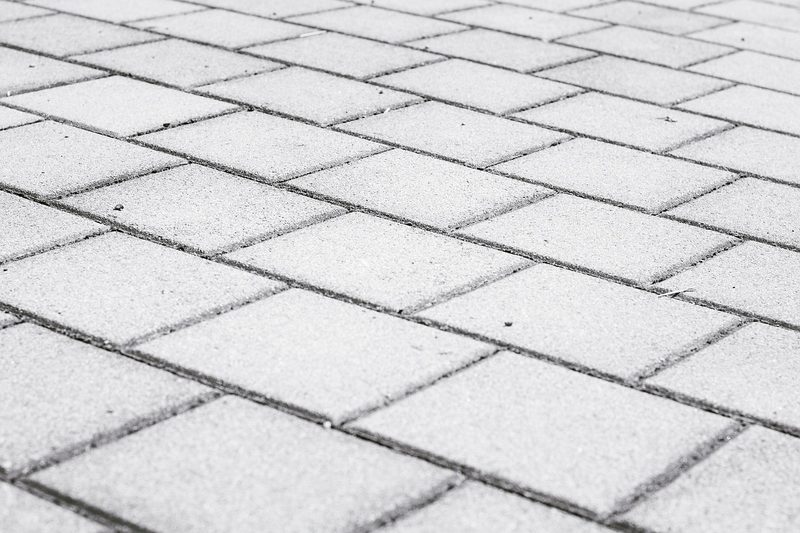
Most outdoor porcelain is 20mm thick. That can take cars when fully bedded on concrete. Some ranges are made at 30mm specifically for driveways, and there are porcelain setts and small-format pavers designed for vehicle areas. Size matters more than many people realise. A big 900 x 600mm or 1200 x 600mm slab looks lovely but has more leverage for a wheel to work against. On a drive, formats of 600 x 300mm, 400 x 400mm or smaller are much less likely to crack.
Slip resistance
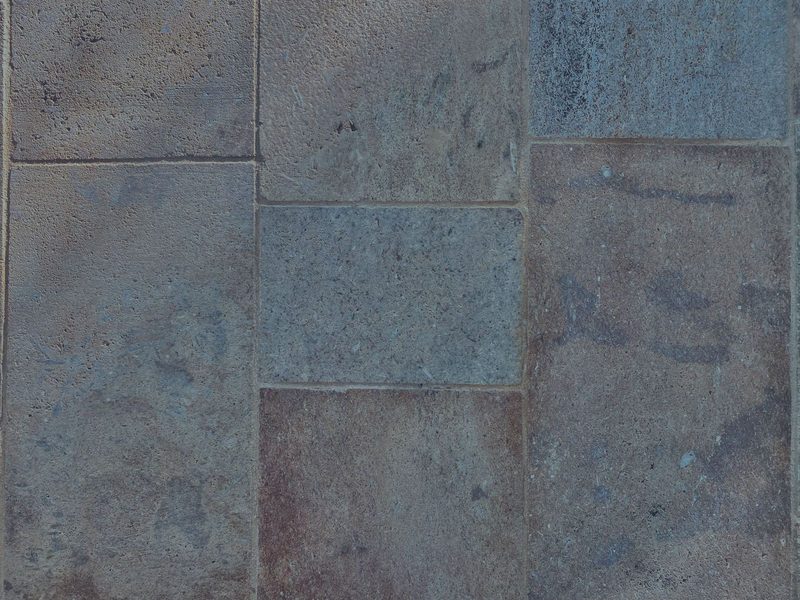
Smooth porcelain can be lethal in the wet, especially on a sloped drive. Derby is one of the drier parts of England, at around 650-700mm of rain a year against a UK average of about 1,160mm, but it still sees rain on well over 100 days a year, most of them between October and March. Look for a textured or "grip" finish with an R11 rating or higher, or a wet pendulum test value above 36, which is the level the UK Slip Resistance Group treats as low slip potential. Frost and fallen leaves make it worse, so don't choose on looks alone.
Colour
Light greys and creams look striking but show tyre marks and oil. Mid and dark greys hide marks better. Porcelain's colour is fired through the tile, so it won't fade in sunlight the way some concrete paving does.
Drainage and Planning Rules for a Porcelain Drive
Porcelain on a concrete base is completely impermeable, so every drop of rain that lands on it has to go somewhere. That has planning consequences.
If you're paving more than 5 square metres of front garden with an impermeable surface, and the water runs onto the road or into the drains, you'll need planning permission. You don't need it if the water drains to a lawn, border or soakaway within your own property. The Planning Portal's guidance on paving your front garden sets out the rule, and the government's guidance on permeable surfacing of front gardens explains the drainage options in more detail.
In practice, that means most porcelain drives in Derby need either a channel drain across the bottom feeding a soakaway, or falls that send the water onto a planted area. A soakaway on clay doesn't drain as well as one on sand or gravel, so it may need to be bigger. Budget £400-£1,200 for drainage on a typical front drive.
If you also need a new or wider dropped kerb, that's a separate application to Derby City Council, and it should be sorted before the drive goes in.
Porcelain Driveway Costs in Derby for 2026
Typical installed prices in Derby for 2026, including VAT:
- Porcelain driveway on a reinforced concrete base: £120-£200 per square metre.
- A 40 square metre drive for two cars: £4,800-£8,000, before drainage and kerbs.
- Drainage with channel drain and soakaway: £400-£1,200.
- Dropped kerb, if needed: often £1,000-£2,500 including the council's fees.
For comparison, on the same 40 square metre drive:
- Block paving at £70-£120 per square metre: £2,800-£4,800.
- Resin bound at £60-£110 per square metre: £2,400-£4,400.
- Tarmac at £50-£90 per square metre: £2,000-£3,600.
So porcelain is usually the most expensive option, often by £2,000-£4,000 on an average Derby drive. Most of that extra cost goes on the concrete slab and the slower laying. A porcelain drive takes perhaps 5-8 working days for two people, against 3-5 for block paving of the same size.
We've covered another premium option in our guide to setts and cobble driveways in Derby, and natural stone setts are worth comparing if you like the high-end look but want something more forgiving of heavy use.
The Pros and Cons, Honestly
The good points are real. Porcelain doesn't stain easily, so oil drips and spilt drinks wipe off. It doesn't fade. It needs no sealing. Weeds struggle to get through properly filled joints. And it gives a front garden a clean, modern look that nothing else quite matches, especially if your patio is porcelain too and you want the two to tie together.
The downsides need weighing just as carefully:
- Cost. The most expensive mainstream drive surface.
- Repairs. A cracked slab has to be cut out and replaced, and the new one bedded in mortar. Keep 5-10% spare slabs from the original batch, because colours vary between batches.
- Frost. Water in cracks or under hollow slabs freezes and makes damage worse. Derby gets more frosts than the coastal south, often several dozen nights a year, so any defects get found quickly.
- Skill. Fewer installers lay porcelain for vehicles properly than lay block paving, and a poor job looks fine on day one. Across Derby and the wider East Midlands, good driveway firms are commonly booked 4-8 weeks ahead in spring and summer, and the ones with real porcelain experience are a smaller group still.
Is it right for your drive?
Porcelain works best on a fairly flat drive, used by ordinary family cars, on stable ground, where you want a high-end finish and can stretch to the cost. We'd steer most people away from it for steep drives, where vans or heavy vehicles regularly park, where tree roots are close by, or on very soft clay without a deep base.
Frequently Asked Questions About Porcelain Driveways in Derby
Is porcelain strong enough for a driveway?
Yes, if it's fully bedded on a reinforced concrete base with a slurry primer, and the slab size suits vehicles. Laid like a patio on a stone sub-base, porcelain will usually crack under cars.
How much does a porcelain driveway cost in Derby?
Typically £120-£200 per square metre installed in 2026, so around £4,800-£8,000 for a 40 square metre two-car drive, plus drainage and any dropped kerb.
Do I need planning permission for a porcelain driveway?
Porcelain is impermeable, so if you pave more than 5 square metres of front garden and the water runs to the road or drains, you'll need planning permission. If it drains to a lawn, border or soakaway on your property, you won't.
Is porcelain paving slippery on a driveway?
Smooth porcelain can be slippery when wet. Choose a textured outdoor finish rated R11 or above, especially on a slope.
Ready to work with Trade Smart Driveways & Landscaping?
Let's connect! We’re here to help.
Send us a message and we’ll be in touch.
Or give us a call today at 111-222-3333
Agency Contact Form
More Marketing Tips, Tricks & Tools