How Long Does a Driveway Take to Install in Derby? Timeline by Surface
Most people asking for a driveway quote in Derby want two numbers: what it costs, and how long they'll be without their driveway. The cost gets talked about endlessly. The timeline gets a vague "oh, a few days" and left there. That's not much help when you've got two cars to park on a Victorian terrace with no on-street space, or a 1930s semi where the drive is the only way to reach the front door. A typical residential driveway in Derby takes anywhere from 3 to 10 working days from the first spade in the ground to the surface being ready to use. Resin is often the quickest to lay but needs curing time. Block paving is the most labour-intensive. Tarmac sits in the middle. Roughly 60% of the total time on most jobs is groundwork and drainage, not the surface itself - which is why the surface choice matters less to the timeline than people expect.
What Actually Takes the Time on a Derby Driveway
The visible surface - the resin, the blocks, the tarmac - is usually the last day or two of the whole job. Everything before it is groundwork, and that's where the days go. Excavation, removing the old surface, digging down to the right depth, laying and compacting a sub-base, sorting drainage, and setting edgings all happen first.
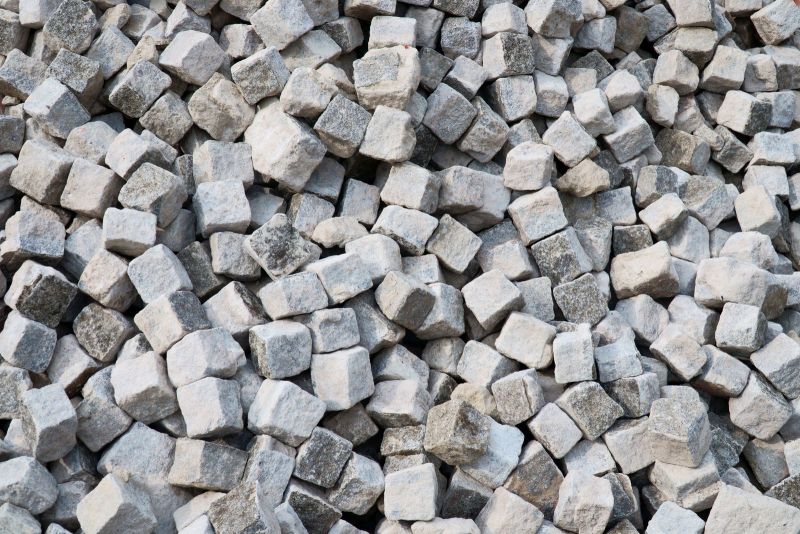
On a standard Derby driveway of 30 to 50 square metres, you're typically looking at 1 to 2 days of excavation and muck-away, 1 to 2 days building and compacting the sub-base, and then the surface laid on top. The sub-base is the part nobody sees and nobody wants to pay for, but it's the part that decides whether the drive lasts 20 years or starts sinking in 3.
If you want the full picture before committing, Tradesmart Driveways & Landscaping can give you a proper day-by-day breakdown for your specific property when quoting, rather than a vague estimate.
Derby's clay soil adds a day on some jobs
A lot of Derby sits on heavy clay, particularly across the older residential belts. Clay holds water, drains slowly, and moves as it wets and dries. On clay-heavy plots the sub-base often needs to go deeper - 200mm rather than 150mm - and that extra excavation and stone can add a day to the schedule. It's worth knowing upfront so a longer timeline doesn't come as a surprise mid-job.
Resin Driveway Installation Timeline in Derby
Resin bound is one of the faster surfaces to lay once the groundwork is done, but it isn't instant. The resin and aggregate are mixed on site and trowelled out across the prepared base. Laying the resin itself on a typical Derby drive takes a single day for most sizes up to around 60 square metres.
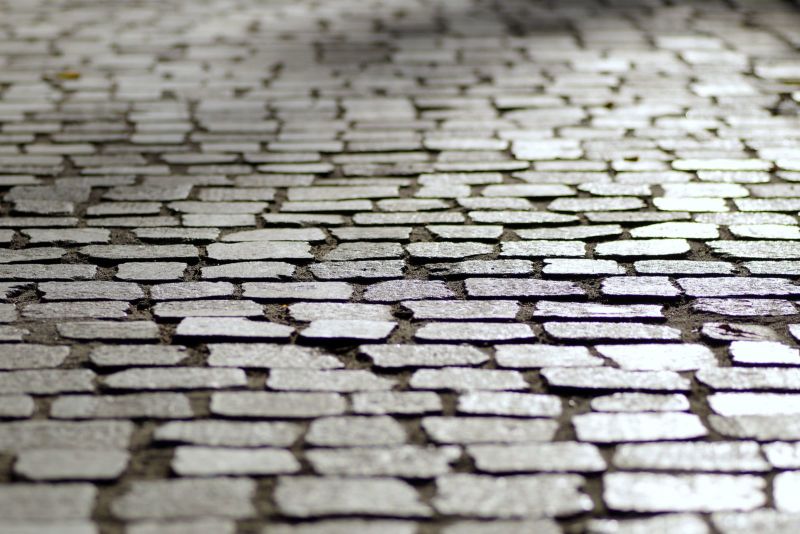
The catch is curing. Resin needs 4 to 6 hours before you can walk on it and around 24 to 48 hours before you can drive on it, depending on temperature. In Derby's cooler months that curing window stretches, because resin cures more slowly below about 10°C.
Counting the groundwork, a resin driveway in Derby usually runs 3 to 5 working days start to finish - most of that being base preparation, with the resin itself as the final day plus curing time.
Why winter timing matters for resin
Resin doesn't like being laid onto damp or frozen ground, and it cures poorly in the cold. Derby winters bring regular sub-zero nights and damp spells, so reputable installers won't lay resin when the ground is wet or frost is forecast. That can push a booking back by days if the weather turns. If you want resin, the stretch from late spring to early autumn is the reliable window.
Block Paving Installation Timeline in Derby
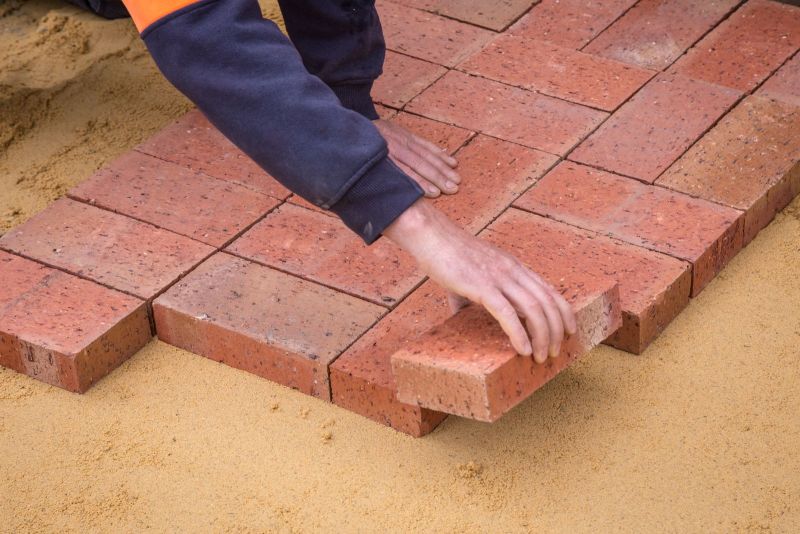
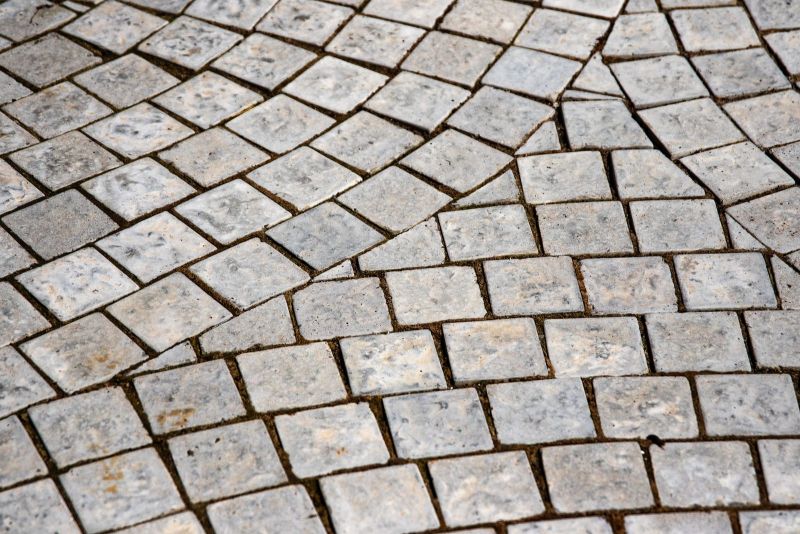
Block paving is the most hands-on surface and usually the longest to install. Every block is laid individually, cut around edges and manholes, and then the whole area is compacted and jointed with kiln-dried sand.
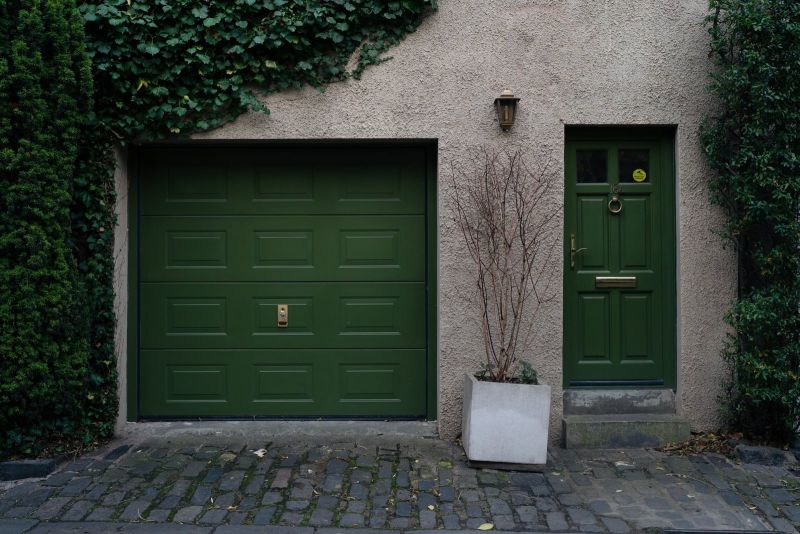
For a standard Derby driveway, block paving typically takes 5 to 10 working days. A small single-car drive might be done in 4 to 5 days; a larger double drive with cutting around curves, steps, or a bin store can run past a week. The laying itself is 2 to 4 days of that, on top of the groundwork.
The upside of all that labour is durability and repairability - a damaged block can be lifted and swapped without redoing the surface. But if timeline is your main concern, block paving is the slowest of the three common options.
Tarmac Driveway Installation Timeline in Derby
Tarmac sits in the middle for speed. Once the base is prepared and edgings are set, the tarmac is laid hot and rolled in a single day for most residential drives. It's quick to lay because it goes down as a continuous surface rather than piece by piece.
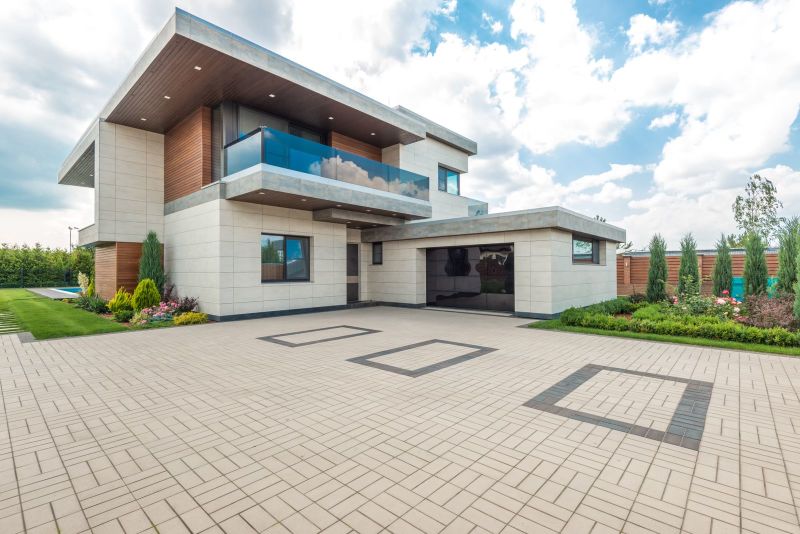
A tarmac driveway in Derby usually takes 2 to 4 working days including groundwork. You can generally walk on it the same day and drive on it within 24 to 48 hours once it has cooled and hardened.
Like resin, tarmac is weather-dependent. It's laid hot and doesn't compact well in the wet or cold, so heavy rain or a frosty spell can delay laying day. Across a Derby winter, tarmac jobs get rescheduled fairly often for exactly this reason.
The Things That Slow a Derby Driveway Down
Plenty of jobs run longer than the headline figure, and it's almost never the surface that causes it. The common culprits are groundwork surprises and paperwork.
Drainage is the big one. Since 2008, any new driveway that drains onto the highway needs planning permission unless it's built to be permeable or drains to a soakaway on your own land. The government's planning guidance on paving front gardens sets out these rules, and getting drainage right - a soakaway, a permeable build-up, or a linear channel drain - can add a day or more to the schedule. Skipping it isn't an option if you want the job done legally.
The other frequent delay is the dropped kerb. If your Derby property doesn't already have vehicle access across the footway, you'll need a dropped kerb approved and installed by a Derby City Council licensed contractor, which is a separate process on its own timeline and often the longest lead time of the whole project.
Older Derby homes throw up surprises
Derby's Victorian terraces and 1930s semis often hide old surfaces, buried garden walls, tree roots, or made-up ground under the existing drive. None of that shows on a quote until the digger starts. A good installer builds a little slack into the schedule for it, but on older properties it's sensible to expect the timeline could stretch by a day or two once the ground is opened up.
How to Keep Your Derby Driveway Job on Schedule
A few practical things keep the timeline tight. Book well ahead - Derby has a healthy number of driveway installers, but the good ones get booked out through spring and summer, sometimes 6 to 10 weeks in advance, so late bookings often mean waiting for a slot rather than a slow job.
Sort the paperwork early. If you need a dropped kerb or planning consent, start that before you fix an installation date, because those approvals move on council time, not yours. Which? has useful general guidance on hiring and vetting a tradesperson that's worth a look before you commit.
Finally, pick your season. If you want resin or tarmac, aim for late spring to early autumn to avoid weather delays. Block paving is less weather-sensitive and can be laid through most of the year, cold snaps aside. Get those three things right and a straightforward Derby driveway should land comfortably inside its estimated window.
---
FAQ
Q: How long does a resin driveway take to install in Derby?
A: Around 3 to 5 working days including groundwork. The resin itself is usually laid in a single day, but it needs 4 to 6 hours before you can walk on it and 24 to 48 hours before driving on it. Curing takes longer in cold Derby weather, so resin is best laid between late spring and early autumn.
Q: Which driveway surface is quickest to install in Derby?
A: Tarmac is generally the fastest, at roughly 2 to 4 working days including groundwork, because it's laid as a continuous hot surface in one go. Resin is similar overall but needs curing time. Block paving is the slowest at 5 to 10 days because every block is laid by hand.
Q: Why does groundwork take so long on a driveway?
A: Groundwork - excavation, sub-base, drainage, and edgings - is usually 60% of the total time and it's what makes the drive last. On Derby's heavy clay soils the sub-base often needs to go deeper, which can add a day. It's the part you don't see but the part that decides how long the surface lasts.
Q: What can delay a driveway installation in Derby?
A: The most common delays are drainage requirements, dropped kerb approval from Derby City Council, and old surfaces or tree roots found under existing drives on Victorian terraces and 1930s semis. Winter weather also delays resin and tarmac, as neither lays well in wet or frozen conditions.
---
Ready to work with Trade Smart Driveways & Landscaping?
Let's connect! We’re here to help.
Send us a message and we’ll be in touch.
Or give us a call today at 111-222-3333
Agency Contact Form
More Marketing Tips, Tricks & Tools