Garden Decking Costs in Derby: Composite vs Timber in 2026
Decking is one of those jobs where two quotes for the same 20m² platform can land £2,000 apart, and the reason is almost never the boards on top. In 2026 a softwood timber deck in Derby costs roughly £70 - £120 per m² supplied and fitted, while capped composite runs £140 - £220 per m². On a typical 20m² deck off the back of a Derby semi that's about £1,400 - £2,400 against £2,800 - £4,400. The gap looks huge until you add 20 years of sanding, cleaning and re-oiling to the timber column, at which point the two get uncomfortably close. Derby's 40 - 55 frost nights a year and heavy clay subsoil make the frame and the ground underneath it matter more than the finish, which is exactly where cheap quotes cut corners. Here's where every pound actually goes.
What Decking Costs in Derby in 2026
The all-in figure most Derby homeowners end up paying sits between £90 and £180 per m² fitted, covering boards, frame, fixings, labour and basic levelling. A modest 12m² deck for a table and four chairs comes in around £1,100 - £2,200. A 20m² family-sized deck is £1,800 - £3,600. Go to 30m² with steps and a balustrade and you're realistically at £3,500 - £6,500.
Boards are only about 35 - 45% of that total. The frame, the ground preparation and the labour make up the rest, which is why a quote that quotes you "per board" or gives one lump sum with no breakdown is worth pushing back on. If you want a survey and a written quote that separates the substructure from the deck surface so you can see what you're actually buying, Tradesmart Driveways & Landscaping builds decking across Derby and prices each element on its own.
Access matters here too. The Victorian and Edwardian terraces around Normanton, Peartree and Chester Green usually have no side gate, so every joist, board and bag of ballast goes through the house. That typically adds £200 - £450 in labour compared with a 1930s semi in Littleover or Chaddesden with a wide side entry a wheelbarrow can get down.
Timber Decking Prices per m²
Timber is still the cheapest route onto a deck, and for a lot of Derby gardens it is the right call. Pressure-treated softwood boards, usually redwood or whitewood, cost £15 - £30 per m² to buy and £70 - £120 per m² supplied and installed. That price assumes a treated softwood frame, standard 120mm or 145mm boards, and a straightforward rectangular shape at ground level.
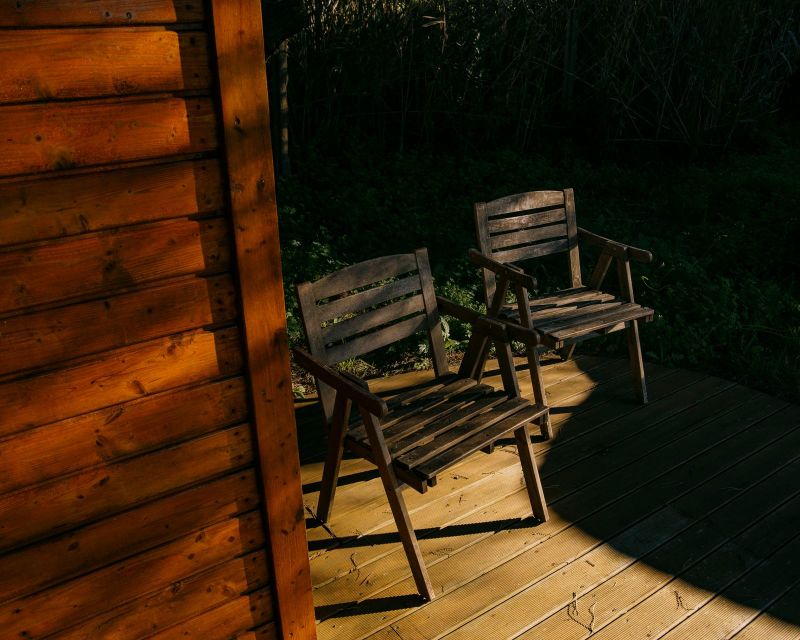
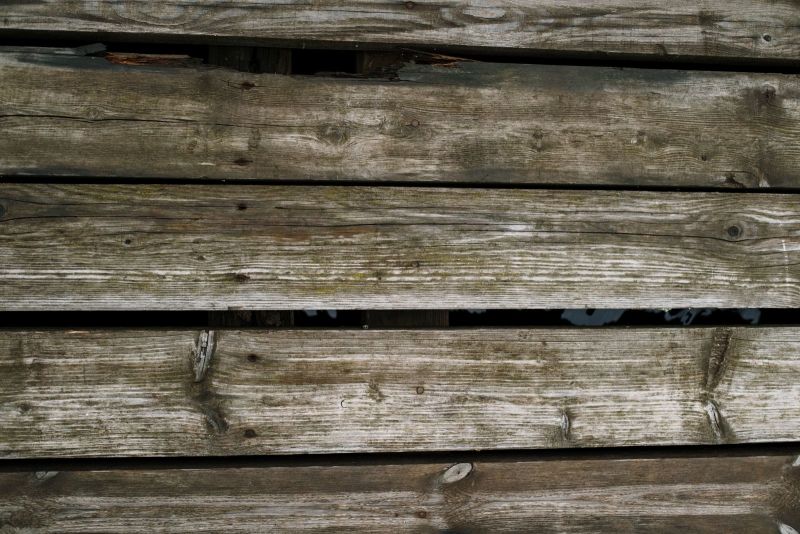
The catch with softwood is movement. Boards cup, twist and split as they take on and shed moisture, and Derby's damp autumns followed by hard frosts push that cycle hard. A softwood deck that is cleaned and re-treated on schedule lasts 10 - 15 years. One that is left alone often looks tired by year six and needs board replacement by year ten.
Hardwood: The Expensive Middle Ground
Tropical hardwoods like balau, yellow balau and ipe cost £60 - £110 per m² for boards alone and £120 - £200 per m² installed. They are dense, naturally durable, and will comfortably do 25 years plus. They also weather to a silver grey within about 18 months unless you oil them annually, which is a job most people abandon after the second summer. Check the timber carries FSC or PEFC certification before you commit, because cheap uncertified hardwood is a genuine sourcing problem in this market.
Composite Decking Prices per m²
Composite is a mix of wood flour and recycled plastic, and the price band is wide because the quality band is wide. Uncapped or "budget" composite boards cost £35 - £60 per m² and £90 - £140 per m² installed. These are the boards that fade unevenly and stain from spilled wine or barbecue grease, because there is no protective outer layer.

Capped composite, where the board is co-extruded with a polymer shell on the top and sides, costs £55 - £95 per m² for boards and £140 - £220 per m² fitted. This is the stuff worth buying. It typically carries a 20 - 25 year residential warranty, resists staining, and holds its colour to within a shade or two over a decade. On a 20m² deck the step up from budget to capped composite adds roughly £700 - £1,200 to the bill and removes most of the reasons people regret going composite.
What Composite Does Not Fix
Composite is low maintenance, not no maintenance. It still needs a wash two or three times a year, it still grows algae in shade, and it gets noticeably hot underfoot in direct summer sun - dark boards can reach 55 - 60°C on a hot July afternoon. It also expands and contracts more than timber along its length, so board ends need 5 - 8mm gaps at fixings. Skip that and you get buckling by the second summer.
The Frame and Groundwork: Where Derby Decks Fail
Under every deck is a frame, and under that is Derby's clay. Treated softwood joists at 400mm centres cost £25 - £45 per m² supplied and fitted. Aluminium subframes cost £45 - £80 per m² and are worth it under composite, because there is no point putting 25-year boards on a frame that will rot in twelve.
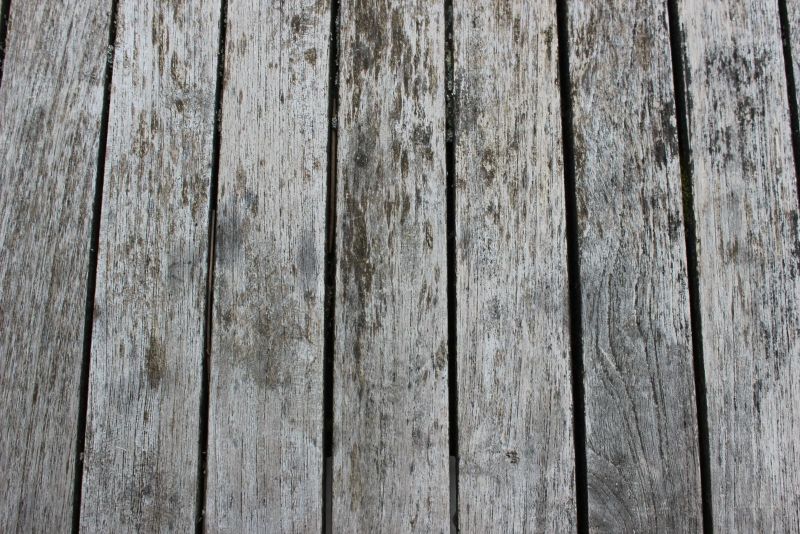
Ground preparation is the line item people delete to save money and then pay for twice. On heavy clay - which covers most of Derby, particularly the lower-lying areas near the Derwent floodplain - the deck needs to sit on concrete pads or piles rather than straight on soil. Pads cost £30 - £60 each and a 20m² deck typically needs 9 - 15 of them. Levelling and clearing a sloping or overgrown plot adds £300 - £900 before a single joist goes down.
Clay shrinks in dry summers and swells in wet winters, moving up to 40 - 50mm vertically on a bad plot. A deck bearing on properly founded pads rides that out. One bearing on paving slabs laid on soil will be rocking within three years. Ventilation matters just as much: leave at least 50mm of airflow under the frame or the joists sit permanently damp, which is the single most common cause of early failure we see on Derby decks.
Derby Weather, Slippery Boards and Freeze-Thaw
Derby gets around 700mm of rain a year, which is modest by UK standards, but it comes with a long damp season and 40 - 55 frost nights. That combination is harder on decking than pure rainfall, because water that soaks into a softwood board and then freezes expands and opens the grain, and the cycle repeats every cold snap.
Shade is the other Derby-specific factor. North-facing gardens and the tight rear plots behind terraced rows dry slowly, and slow-drying timber grows algae. The RHS guidance on algae, lichens and mosses on hard surfaces is a good non-chemical primer, and its core advice applies directly to decking: cut back overhanging planting, keep water moving off the surface, and clean before the growth establishes rather than after.
If a deck sits in permanent shade, specify grooved or grit-inlaid boards from the start. Anti-slip inserts add roughly £8 - £15 per m² and are cheaper than the alternative, which is retrofitting grip tape onto a deck someone has already slipped on.
Whole-Life Cost: Timber vs Composite Over 20 Years
This is the comparison that actually decides it. Take a 20m² deck. Softwood installs at around £1,900. Cleaning and re-oiling every 18 months costs £60 - £120 in materials if you do it yourself, or £8 - £15 per m² (£160 - £300) if you pay someone. Over 20 years that's roughly £1,300 - £2,200 in upkeep, plus a realistic board replacement at year 12 - 15 costing £600 - £1,000.
Capped composite installs at around £3,200 and needs a wash and the occasional fixing check. Call it £250 - £400 across two decades. Run the numbers and softwood lands at roughly £3,800 - £5,100 over 20 years against composite at £3,450 - £3,600, with far less of your time spent on your knees with a brush.
When Timber Still Wins
Composite is not automatically the answer. If you plan to move within five years, softwood gives you the same usable space for half the upfront money. If you want a natural material that ages and can be sanded back to fresh timber, composite cannot do that. And on a small 8 - 10m² deck the absolute saving from composite is too small to justify the outlay. We've weighed up similar spend-now-versus-spend-later decisions in our Derby garden patio cost guide, which is worth reading if you're still deciding between decking and paving.
Do You Need Planning Permission for Decking in Derby?
For most Derby gardens, no. Decking generally falls under permitted development if the platform is no more than 300mm above ground level, and if the decking plus any other buildings and hard surfaces covers no more than 50% of the land around the original house. Stay inside those two limits and you can build without an application.
You cross into needing permission when the deck is raised higher than 300mm, which is common on the sloping plots in Allestree, Darley Abbey and the higher ground on Derby's north side. Raised decks also raise overlooking and privacy questions with neighbours, and that is the ground on which they get refused. Listed buildings and the city's conservation areas have tighter rules again, so check with Derby City Council before ordering materials rather than after.
Building regulations are separate. A deck above 600mm generally needs a compliant balustrade at 1,100mm high with gaps under 100mm, and any structure attached to the house needs proper flashing and fixing detail so it doesn't bridge the damp proof course.
Getting a Fair Decking Quote in Derby
Derby has a decent supply of landscapers and joiners, but genuine decking specialists are thinner on the ground, and the good ones fill their spring and early summer diaries by February. Getting quotes in January or in autumn gets you both better availability and, often, 5 - 10% off peak pricing.
A good quote names the board product and grade, states the frame material and joist centres, describes the foundations, and lists extras like steps and balustrade separately. A vague quote hides the frame. For independent guidance on materials and installer standards, the Timber Decking and Cladding Association's DeckMark scheme accredits both products and installers, and checking anyone you shortlist against the TrustMark register of government-endorsed tradespeople is a five-minute job before you hand over a deposit.
Summary Table: Derby Decking Costs 2026
The short version: spend on the frame and the foundations, choose capped composite if you're staying put and softwood if you're not, and treat Derby's clay and frost as the design problem rather than an afterthought.
---
FAQ
Q: How much does garden decking cost in Derby in 2026?
A: Softwood timber decking costs roughly £70 - £120 per m² supplied and fitted in Derby, and capped composite £140 - £220 per m². On a typical 20m² deck that's about £1,400 - £2,400 for softwood against £2,800 - £4,400 for composite. Frame, foundations and site levelling make up 55 - 65% of the total, so ground preparation is where quotes genuinely differ.
Q: Is composite decking cheaper than timber in the long run?
A: Over 20 years, yes, but the margin is narrower than the marketing suggests. A 20m² softwood deck costs around £1,900 to install plus £1,300 - £2,200 in cleaning and re-treating, and usually needs board replacement at year 12 - 15. Capped composite costs around £3,200 to install and £250 - £400 in upkeep across the same period, landing the two within a few hundred pounds of each other.
Q: Do I need planning permission for decking in Derby?
A: Usually not. Decking is normally permitted development if it sits no more than 300mm above ground level and the decking plus other structures covers no more than 50% of the garden. Raised decks above 300mm, common on sloping plots in Allestree and Darley Abbey, generally do need permission, and conservation areas and listed buildings have tighter rules, so check with Derby City Council first.
Q: Why does decking rot so quickly in Derby gardens?
A: Two reasons: standing moisture and clay. Derby's long damp season and 40 - 55 frost nights a year drive water into softwood and freeze it, opening the grain. Heavy clay under the deck holds water against the frame. Concrete pads or piles rather than slabs on soil, plus at least 50mm of ventilation gap under the joists, prevents most early failures.
Q: How long does a decked area take to build?
A: A straightforward 20m² ground-level deck takes 2 - 4 days once the site is clear. Add a day or two for significant levelling on a sloping clay plot, and another for steps and balustrade. Derby's decking installers book up from February onward, so quoting in winter or autumn usually gets you a faster slot and a slightly better price.
---
Ready to work with Trade Smart Driveways & Landscaping?
Let's connect! We’re here to help.
Send us a message and we’ll be in touch.
Or give us a call today at 111-222-3333
Agency Contact Form
More Marketing Tips, Tricks & Tools