How Much Does a Block Paving Driveway Cost in Derby? A 2026 Price Guide
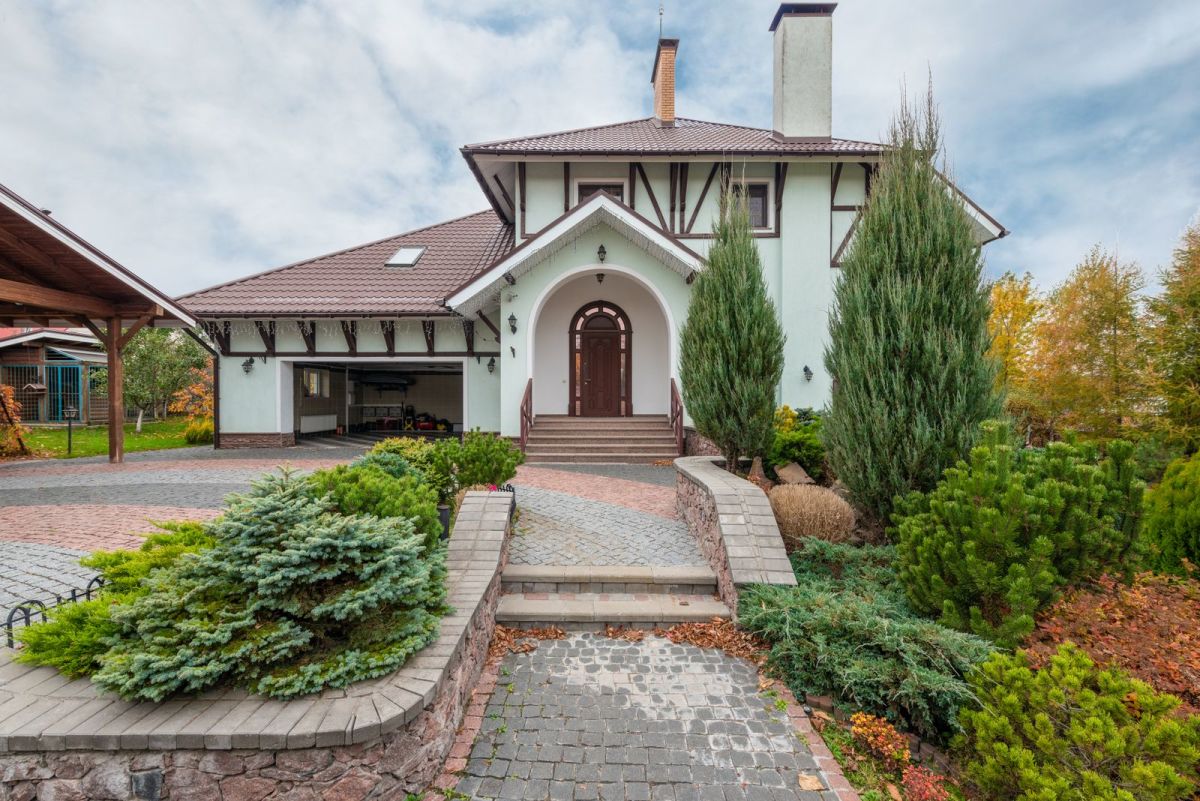
Block paving remains one of the most popular driveway choices in Derby, and it's easy to see why: it looks good, it's durable when laid properly, and unlike some surfaces, individual blocks can be lifted and replaced if something goes wrong underneath, like a pipe needing access, without having to redo the whole driveway. But the cost question comes up in almost every initial conversation, and the honest answer depends on more than just the size of the area.
The Base Price Range
For a typical UK driveway, Tradesmart Driveways & Landscaping generally quotes block paving at somewhere between £80 and £150 per square metre installed, with the variation coming down to the factors below. For an average driveway of around 30-40 square metres, that puts most jobs in the £2,400-£6,000 range, with the wider range reflecting just how much block choice and groundwork affect the final figure.
Why the Range Is So Wide
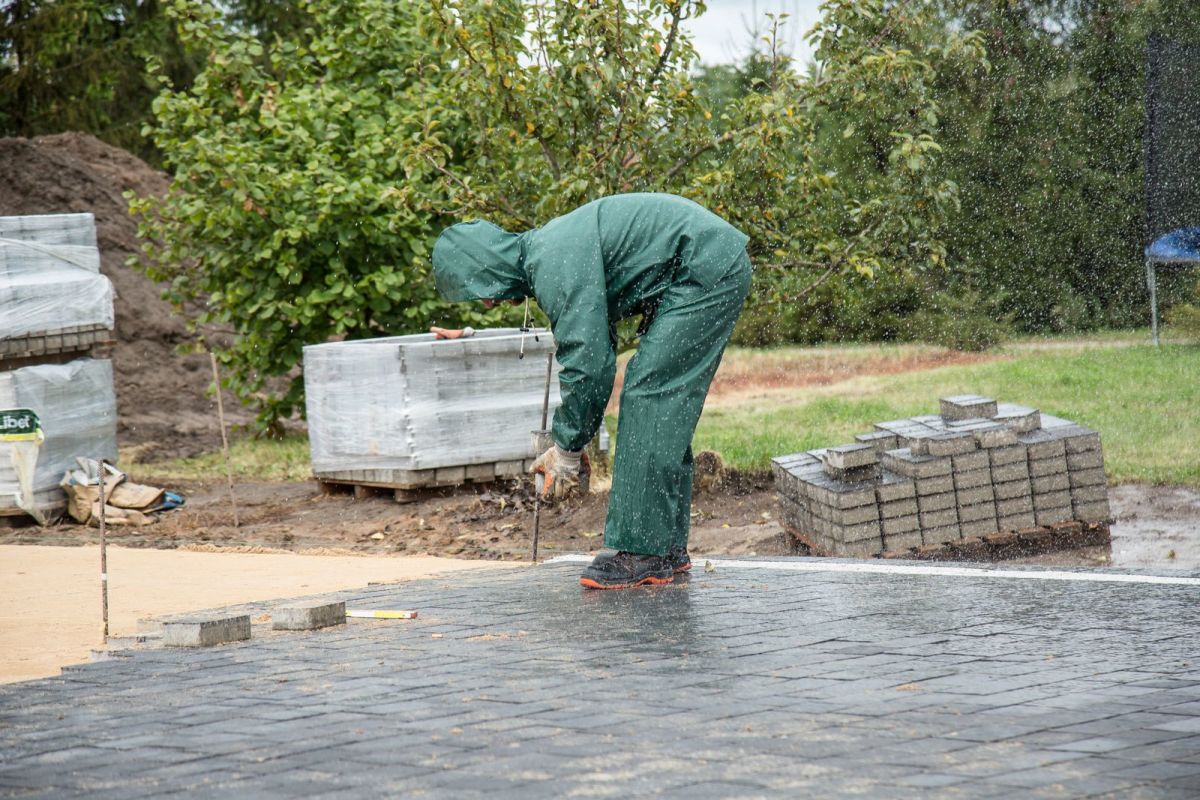
Block paving costs more per square metre than resin or tarmac because it's labour-intensive: each block is laid individually on a prepared sub-base of compacted stone and sand, then compacted again once laid. The labour cost is fairly consistent regardless of block type, but the blocks themselves vary considerably in price, from standard concrete blocks at the lower end to premium clay pavers or natural stone setts at the higher end, which can roughly double the material cost on its own.
What Affects the Final Price
Existing Surface and Groundwork
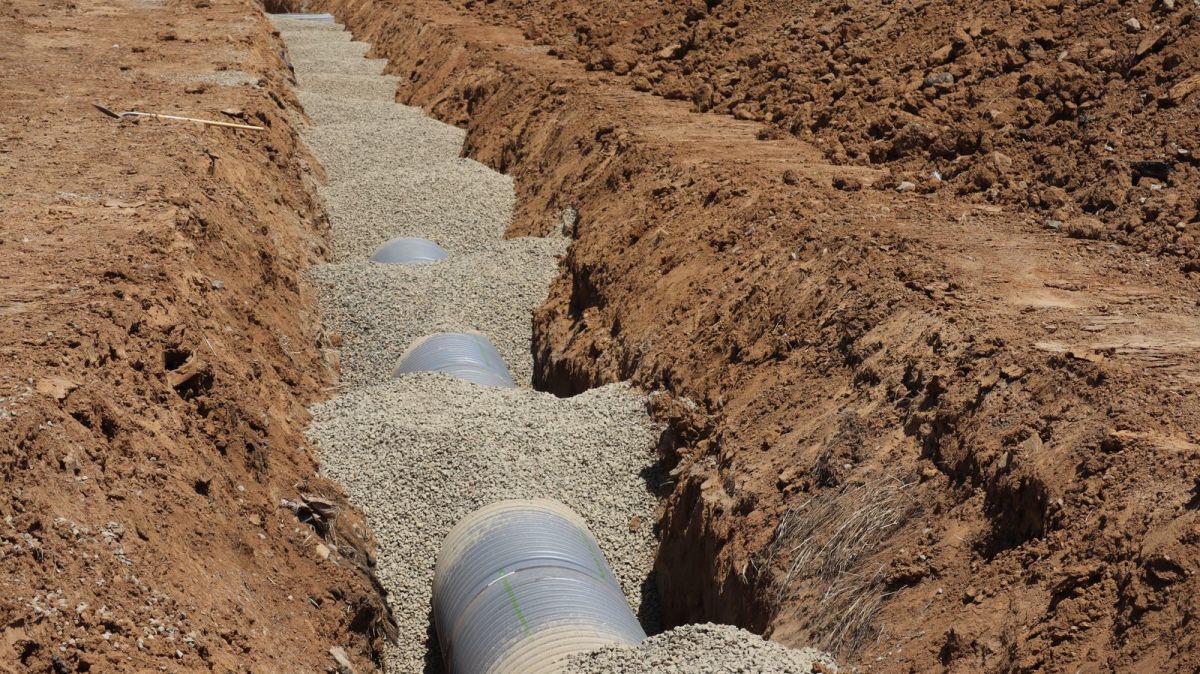
If the existing driveway needs full removal, old concrete or tarmac broken up and taken away, and the ground underneath needs proper sub-base preparation (typically 100-150mm of compacted MOT Type 1 stone for a driveway that'll see car weight regularly), this is usually the single biggest factor in the quote, often more significant than the choice of block itself. Driveways with poor existing drainage can also need additional work to get water moving away from the house properly, since trapped water under block paving is one of the main causes of blocks settling unevenly over time.
Pattern and Layout
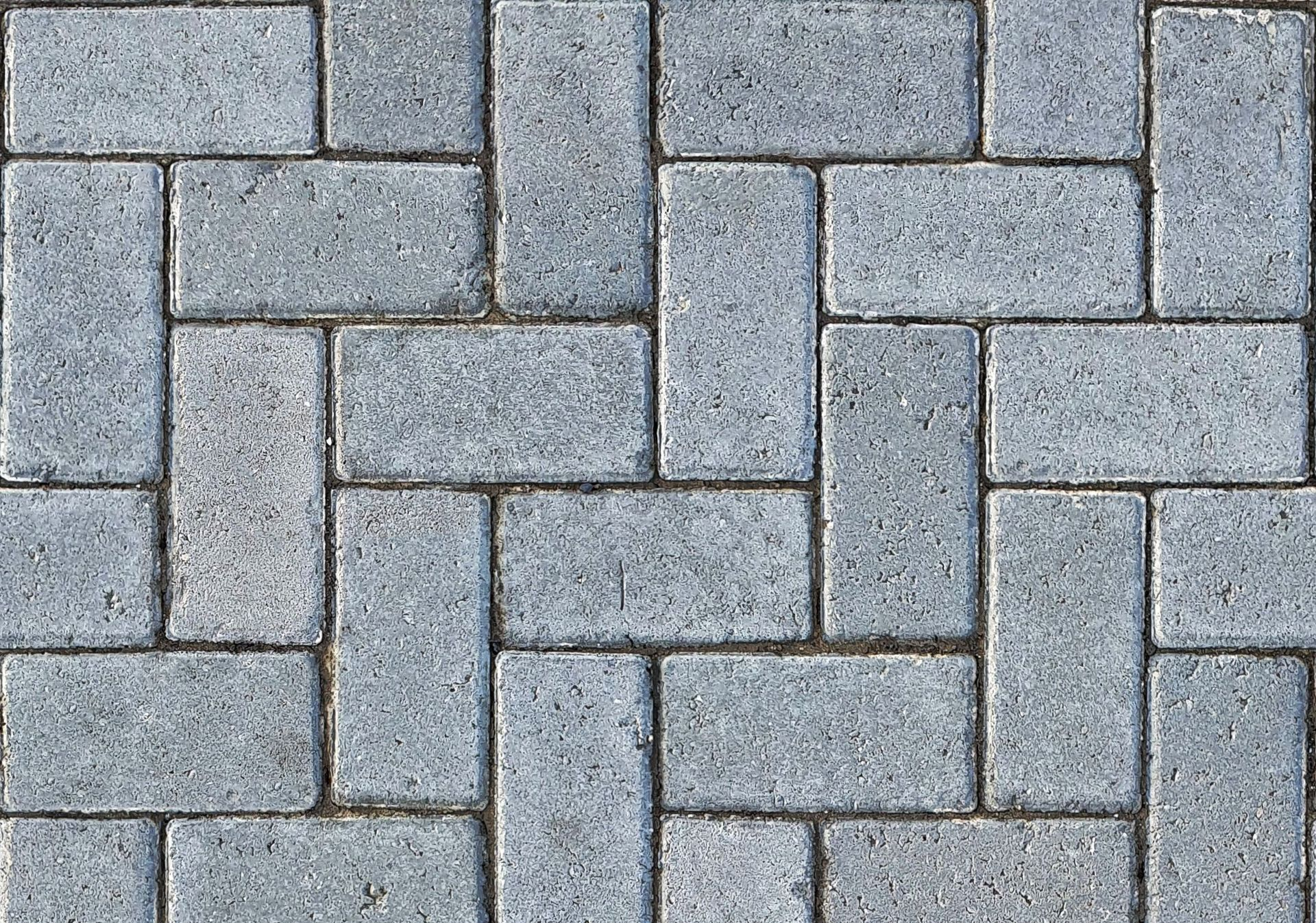
A simple stretcher-bond pattern (blocks laid in straight, offset rows) is the quickest to lay. Herringbone patterns, which interlock blocks at 45 or 90 degrees, are more resistant to movement under vehicle weight (which is why they're often specified for driveways rather than basket-weave or other patterns more suited to patios) but take longer to lay, particularly around edges where blocks need cutting to fit. Borders, contrasting edging courses, or decorative features like a circular feature in the centre of the driveway all add labour time on top of the base pattern.
Block Type
Standard concrete block paving sits at the lower end of the price range and comes in a wide variety of colours and finishes. Clay pavers cost more but hold their colour better over time, since concrete blocks can fade with UV exposure over years. Natural stone setts (granite or similar) sit at the premium end and offer a different aesthetic entirely, often used for period properties where a more traditional look suits the building.
Drainage Requirements
We've covered artificial grass versus real lawn for Derby front gardens, and drainage is relevant to both: for driveways specifically, anything over 5 square metres of new impermeable surfacing in a front garden typically needs to either use permeable paving (where water drains through gaps between blocks into the sub-base) or direct rainwater to a soakaway rather than the public drain, under planning rules that apply across most of England. Permeable block paving systems exist specifically to meet this requirement without needing separate drainage infrastructure, and are worth discussing at the quote stage if the driveway's over this size.
Maintenance and Lifespan
A well-laid block paving driveway, on a properly prepared sub-base, can last 20-30 years or more, with occasional re-sanding of the joints (the sand between blocks can wash out over time, particularly with pressure washing) and re-sealing if a sealant was used originally. Weeds growing between blocks are usually a sign the joint sand needs topping up rather than a sign of a deeper problem, and is a straightforward bit of routine maintenance.
FAQ
Q: How much does a block paving driveway cost per square metre? A: Typically £80-£150 per square metre installed, depending on the existing surface, groundwork needed, block type, and pattern chosen.
Q: Why is block paving more expensive than resin or tarmac? A: Block paving is more labour-intensive, since each block is laid individually on a prepared sub-base. Block material costs also vary widely, from standard concrete to premium clay or natural stone.
Q: Do I need permeable paving for a new driveway? A: If the new impermeable surfacing in a front garden exceeds 5 square metres, planning rules generally require either permeable paving or drainage to a soakaway rather than the public drain.
Q: How long does a block paving driveway last? A: A well-laid driveway on a properly prepared sub-base can last 20-30 years or more, with occasional re-sanding of joints as routine maintenance.
Ready to work with Trade Smart Driveways & Landscaping?
Let's connect! We’re here to help.
Send us a message and we’ll be in touch.
Or give us a call today at 111-222-3333
Agency Contact Form
More Marketing Tips, Tricks & Tools