How Long Does a Driveway Last in Derby? Lifespan by Surface Type and What Affects It
The expected lifespan of a driveway depends on three things: the material chosen, the quality of the installation (and specifically the sub-base), and how the surface is used and maintained over time. These interact in ways that mean two driveways installed on the same road with the same material can look dramatically different after fifteen years. Derby's climate adds another variable - the East Midlands gets meaningful frost and freeze-thaw through winter, and this affects porous or cracked surfaces more than a milder climate would.
Block Paving
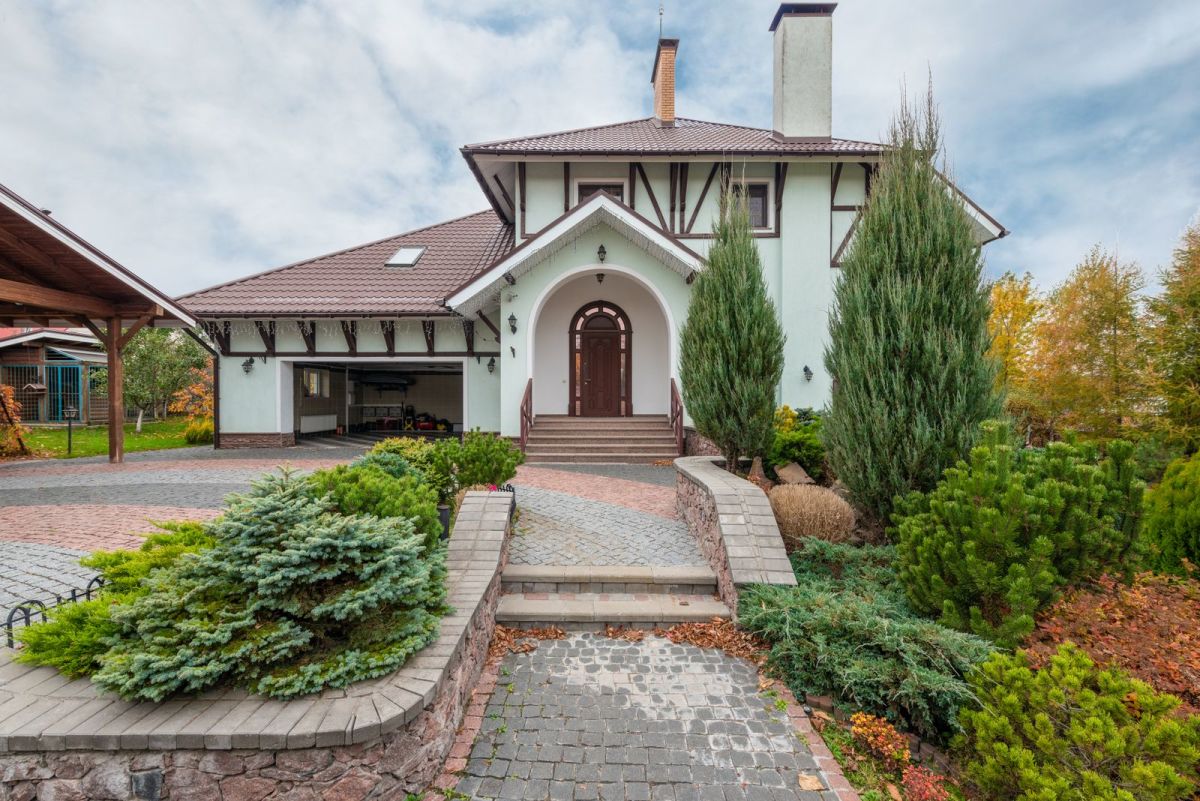
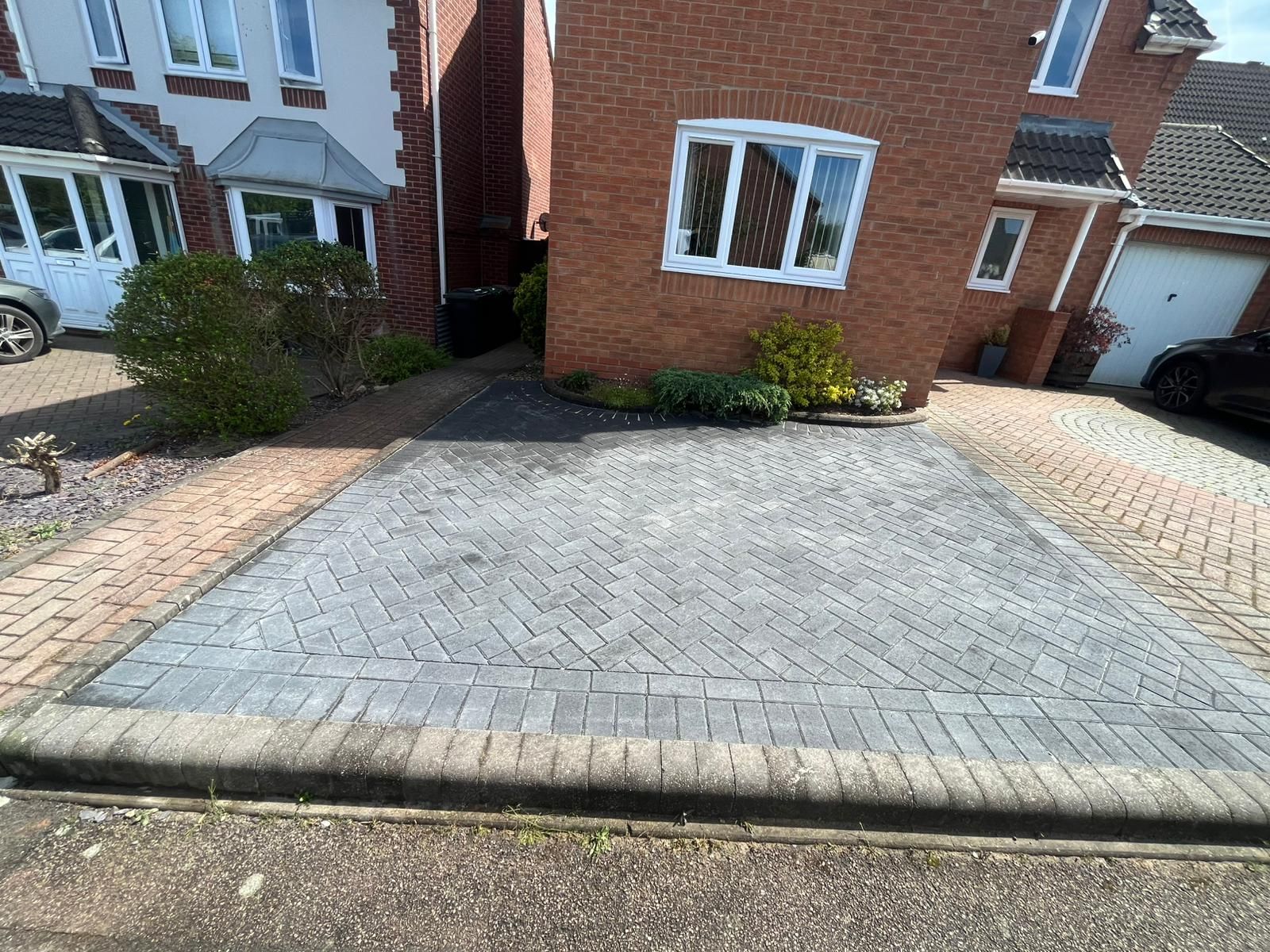
A well-installed block paving driveway in Derby should last 20-30 years before it needs significant work. The blocks themselves are dense and durable - clay engineering bricks can last 50 years or more, and concrete block paving is similar. What typically fails first is the jointing sand, which gets displaced over time by rain, traffic, and weed growth, and the haunching mortar at the edges, which can crack and allow the blocks to spread. These are maintenance issues rather than fundamental failures, and a block paving driveway that gets raked and re-sanded and has its edges maintained will outlast one that's left completely untouched.
The sub-base is crucial. Block paving on a poorly prepared sub-base - usually insufficient depth of compacted hardcore - will sink and develop dips within a few years, particularly in areas with heavier vehicle use. No amount of block quality compensates for an inadequate base.
Resin-Bound Surfacing
Resin-bound driveways typically have a quoted lifespan of 15-25 years, and that's realistic for a quality installation. The surface layer itself is only 15-18mm thick, so it's the substrate beneath (usually tarmac or concrete) that provides the structural stability. UV stability matters in resin - non-UV-stable resins yellow and degrade visibly in sunlight, whereas UV-stable polyurethane holds its appearance much better over time.
Derby winters are worth mentioning specifically: freeze-thaw cycles are a consideration for any outdoor surface, and resin on a well-constructed base handles them well. The main enemies of resin longevity are a weak base, salt (don't use rock salt for de-icing), petrol or oil spills left on the surface, and very high-pressure washing.
Tarmac
Tarmac is one of the more durable driveway options when properly installed. A quality tarmac driveway in Derby should last 20-25 years before it needs full resurfacing. The surface will show wear - the aggregate becomes more visible as the bitumen binder oxidises and the surface colour lightens - but this is cosmetic rather than structural for much of the lifespan.
Tarmac's weakness is the edges, which are vulnerable to cracking, and the surface can be softened by petrol and diesel spills, which is worth knowing if there's ever a fuel leak from a vehicle on the driveway.
Concrete
Concrete is a longer-lifespan option - properly installed concrete driveways can last 30-40 years or more. The trade-off is that it's more expensive to install and harder to repair invisibly if cracking occurs. Cracking in concrete is essentially inevitable over time (it's a brittle material), but well-placed control joints and adequate reinforcement reduce the risk of uncontrolled cracking.
What All Surfaces Have in Common
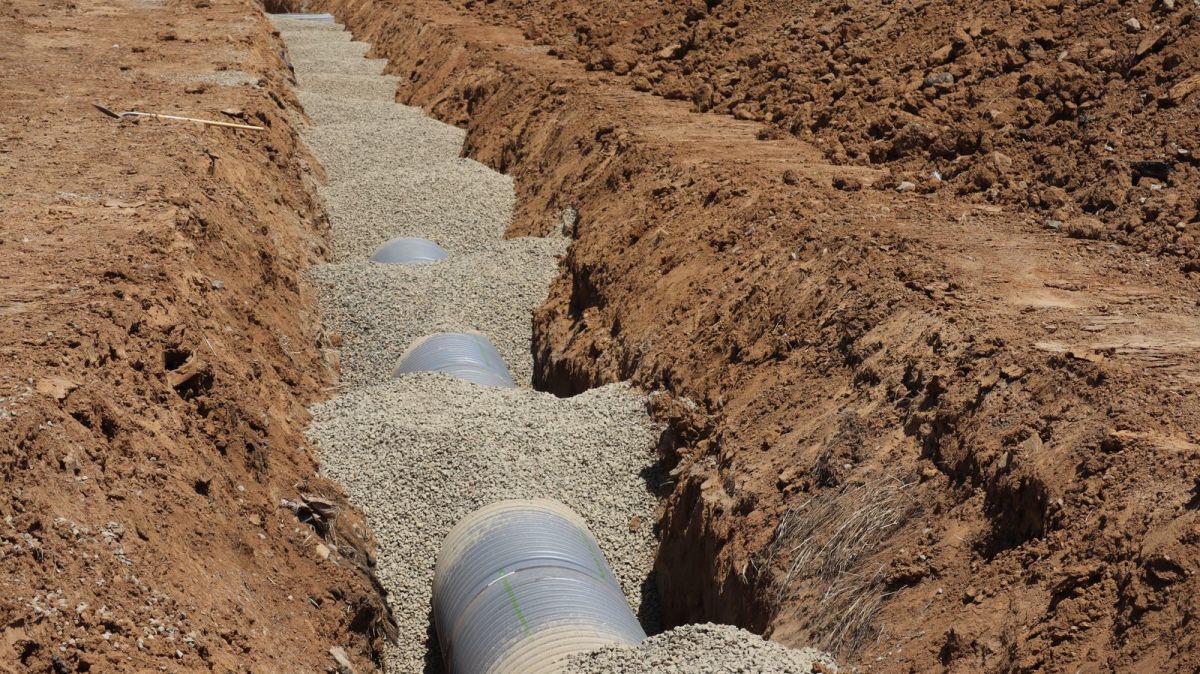
Tradesmart Driveways & Landscaping installs across Derby and one consistent observation is that the biggest predictor of how a driveway performs over time isn't the surface material - it's the sub-base. A premium resin surface on a poor sub-base will fail earlier than a standard tarmac on a properly prepared one.
We've covered drainage and planning permission considerations for Derby driveways elsewhere - getting the drainage right is part of building a sub-base that performs over time.
FAQ
Q: What's the longest-lasting driveway surface for a Derby home?
Concrete has the longest potential lifespan (30-40+ years) if properly installed. Block paving and tarmac both typically last 20-30 years. Resin-bound surfaces tend to last 15-25 years. In all cases, the sub-base quality matters as much as the surface material.
Q: Does Derby's winter weather shorten driveway lifespan?
Frost and freeze-thaw cycling does put more stress on outdoor surfaces than a milder climate, particularly on permeable or cracked surfaces. A well-installed driveway on a solid sub-base handles Derby winters well across all the main surface types.
Q: How does maintenance affect how long a driveway lasts?
Significantly. Block paving that's re-sanded and edge-maintained will outlast a neglected installation by many years. Resin surfaces that avoid rock salt and oil spills maintain their condition much better. Basic maintenance extends the effective lifespan of any surface type.
Q: When should a driveway be repaired vs fully replaced?
Localised issues - a sunken section, edge cracking, loose blocks in one area - are usually repairable. Widespread sinking, large-scale surface failure, or sub-base movement across the whole area generally makes replacement more cost-effective than ongoing repairs.
Ready to work with Trade Smart Driveways & Landscaping?
Let's connect! We’re here to help.
Send us a message and we’ll be in touch.
Or give us a call today at 111-222-3333
Agency Contact Form
More Marketing Tips, Tricks & Tools