Pattern Imprinted Concrete Driveways in Derby: Costs, Lifespan, and What to Expect
Pattern imprinted concrete - sometimes called decorative or stamped concrete - has been one of the more consistent choices in Derby's residential driveway market for over two decades. The appeal is straightforward: it replicates the visual pattern of block paving, cobbles, or natural stone at a lower installed cost per square metre, gives a monolithic surface without joints that can shift or allow weed growth, and requires relatively little ongoing maintenance compared to loose-stone alternatives. According to the British Association of Landscape Industries, imprinted concrete accounts for approximately 12-15% of new residential driveway installations in the East Midlands, making it the third most popular surface type after resin bound and block paving. In Derby, where the mix of post-war semis, 1970s-1990s estates, and some older Victorian terrace housing creates a varied aesthetic, imprinted concrete suits a wide range of property styles and has particularly strong take-up in areas like Littleover, Mickleover, and Allestree.
What Pattern Imprinted Concrete Actually Is
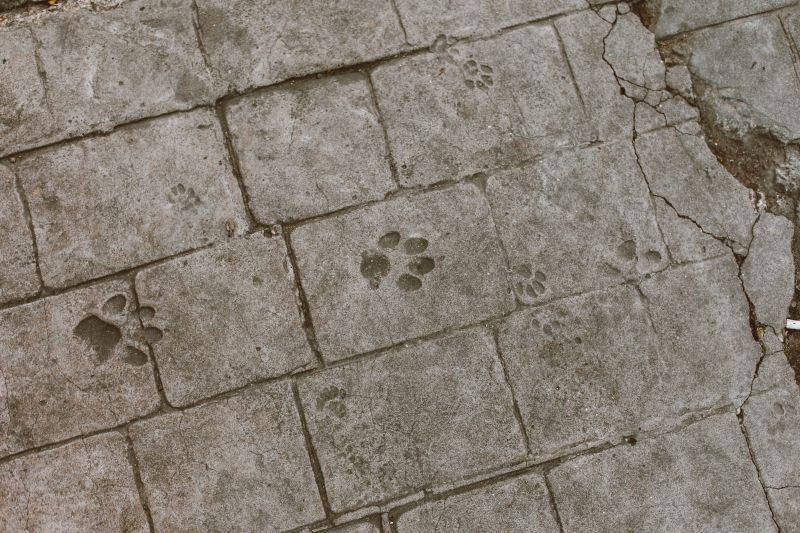
Imprinted concrete is a single poured concrete slab that has been surface-treated while still wet to create a pattern, texture, and colour.
The area is prepared, formwork is set up, and concrete is poured as a single continuous slab. This is structurally different from block paving or resin, which sit on a base layer rather than being structural elements themselves.
While the concrete is still fresh, a powdered colour hardener is broadcast onto the surface and worked in. This creates the primary surface colour and strengthens the top layer. A contrasting colour release agent is then applied over the top - it prevents the stamping tools from sticking and creates the secondary colour in the recessed pattern lines.
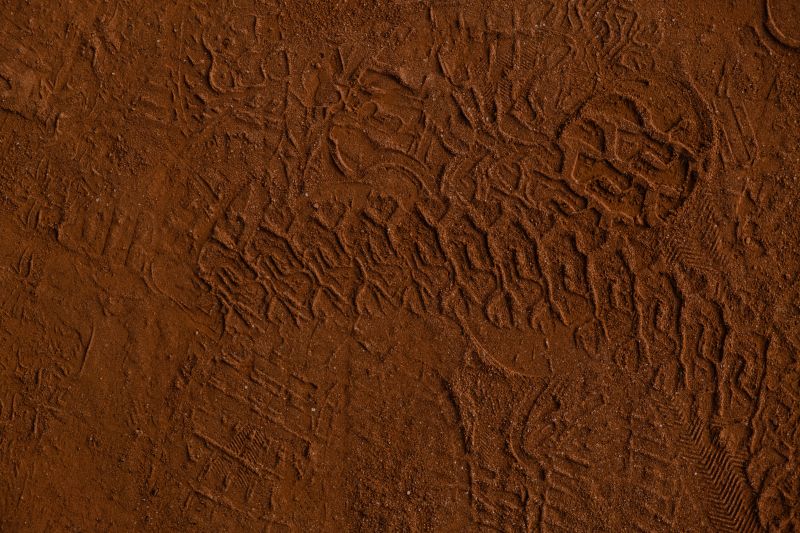
Stamp mats - large textured rubber or polyurethane sheets - are pressed into the surface while the concrete is still workable. Common patterns in Derby include cobblestone, ashlar slate, flagstone, and herringbone brick.
Once cured, the surface is sealed with an acrylic sealant that locks in the colours, protects against staining, and gives the characteristic sheen finish.
Tradesmart Driveways & Landscaping installs pattern imprinted concrete driveways across Derby and the surrounding area.
How Imprinted Concrete Performs in Derby's Climate
Derby's climate is relevant to how imprinted concrete performs over time. The city's position in the Derwent Valley gives it a continental tendency - colder winters than much of the Midlands, with more frost events than the national average. Frost is the main vulnerability of imprinted concrete that isn't properly installed and maintained.
Frost is the main vulnerability. Concrete is susceptible to water ingress and freeze-thaw if the surface sealant is allowed to fail. Water that enters through a cracked or degraded seal expands when it freezes, and repeated freeze-thaw cycles cause the surface layer to delaminate or spall. In Derby's winters, this is a real risk on imprinted concrete that hasn't been re-sealed on schedule.
Re-sealing every 2-4 years in Derby's climate is the most important maintenance task - and the most commonly neglected one. It's not expensive (typically £100-£250 for a standard Derby driveway) and it dramatically extends the surface life.
Salt used for ice clearance attacks the concrete surface, particularly where the seal has thinned. Sand is a better de-icing approach for imprinted concrete driveways in Derby, or proprietary concrete-safe de-icer products.
What Imprinted Concrete Looks Like Over Time
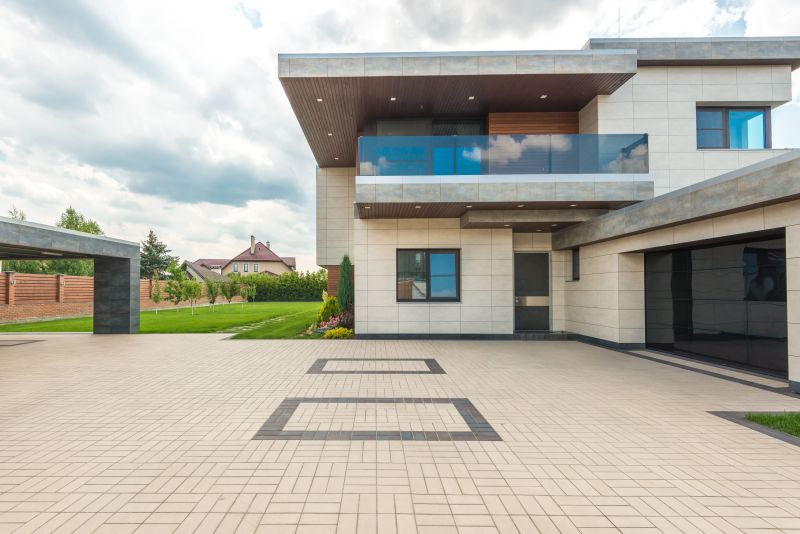
A well-installed and properly maintained imprinted concrete driveway in Derby should look good for 15-25 years. The colour intensity does fade gradually - this is normal and expected with all colour-sealed surfaces. Re-sealing every 2-4 years with a fresh coat slows this process but doesn't prevent it entirely.
Cracks can develop, particularly if the base preparation was inadequate or if the concrete wasn't given a proper expansion joint design. Most imprinted concrete driveways in Derby develop minor hairline cracks within the first 3-7 years - these are usually cosmetic rather than structural and can be addressed with crack sealant applied during re-sealing.
We've looked at how different driveway surfaces compare over time in our driveway lifespan guide for Derby, which covers maintenance requirements for various surface types side by side.
Comparing Imprinted Concrete to Alternatives in Derby
Imprinted concrete vs block paving. Block paving gives more visual authenticity to the cobble or brick pattern it replicates. Individual blocks that crack or sink can be lifted and replaced. Joints require regular re-sanding and weed control. Imprinted concrete is monolithic (no joints), easier to maintain in terms of day-to-day cleaning, but cracks the whole surface rather than individual elements.
Imprinted concrete vs resin bound. Resin is genuinely permeable, which satisfies SuDS front garden requirements without needing separate drainage. Imprinted concrete is impermeable - front garden installations over 5m² need drainage solutions or planning permission if the surface doesn't allow water to pass through. Resin has a higher-quality appearance in most current assessments; imprinted concrete's sheen finish reads differently to some homeowners.
Imprinted concrete vs tarmac. Tarmac is the cheapest option with no visual interest. Imprinted concrete costs more but dramatically improves kerb appeal. Both are impermeable.
The Which? guide to driveways covers these comparisons in more detail and is useful independent reading for Derby homeowners weighing options.
Planning Permission for Derby Imprinted Concrete Driveways
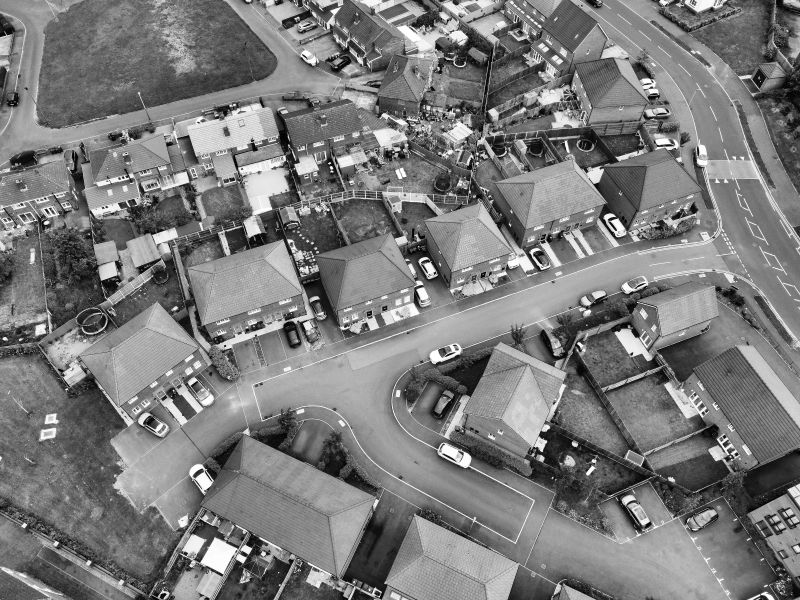
Imprinted concrete is impermeable. Under current planning rules, a front garden surface larger than 5m² must either be permeable or drain to a lawn, border, or soakaway rather than the public highway. For an impermeable front driveway larger than 5m² in Derby, this means either:
- A channel drain along the front or side of the driveway directing water to a garden, border, or soakaway (this satisfies the drainage requirement and avoids planning permission)
- Or planning permission from Derby City Council
Good imprinted concrete installers in Derby include a channel drain as standard on front driveway installations, which resolves the planning issue without any additional process.
What Pattern Imprinted Concrete Costs in Derby
Standard residential driveway, 30-50m², single-colour imprinted concrete:
£2,500 - £4,500 including base preparation, colour hardener, release agent, stamping, and first seal.
Same area, two-colour specification with premium pattern:
£3,000 - £5,500 .
Larger driveway, 50-80m²: £4,000 - £7,500 .
Channel drain (front garden drainage) addition: £300 - £600.
Re-sealing an existing Derby imprinted concrete driveway: £100 - £250 for a standard size.
Crack repair and re-seal: £150 - £350 depending on extent.
FAQ
Q: How long does pattern imprinted concrete last on a Derby driveway?
A properly installed and re-sealed imprinted concrete driveway in Derby should last 15-25 years. The key maintenance requirement is re-sealing every 2-4 years - without this, the colour fades faster and the surface becomes vulnerable to frost damage and staining.
Q: Do I need planning permission for an imprinted concrete driveway in Derby?
Imprinted concrete is impermeable, so a front garden installation over 5m² needs either a drainage solution directing runoff away from the highway (such as a channel drain to a border or soakaway) or planning permission from Derby City Council. Including a channel drain resolves this without any planning process.
Q: Can pattern imprinted concrete be repaired if it cracks in Derby?
Minor hairline cracks can be filled with concrete crack sealant as part of a re-sealing visit. Larger structural cracks are harder to repair invisibly. Good base preparation at installation (correct compaction and depth of sub-base) significantly reduces the likelihood of structural cracking.
Q: Does imprinted concrete get slippery when wet in Derby?
The textured pattern creates some anti-slip effect, but imprinted concrete with a smooth sealant finish can be more slippery than block paving or resin in wet conditions. Some sealant products include anti-slip grit additives, which is worth specifying in Derby's climate where wet conditions are common.
Q: Why does imprinted concrete need re-sealing in Derby?
The acrylic sealant protects the colour hardener below from UV degradation, water ingress, and staining. In Derby's climate with its frost events, maintaining a continuous sealant layer is critical to preventing water from entering the surface layer and causing freeze-thaw damage. Re-sealing every 2-4 years keeps the surface in good condition and extends its lifespan substantially.
Ready to work with Trade Smart Driveways & Landscaping?
Let's connect! We’re here to help.
Send us a message and we’ll be in touch.
Or give us a call today at 111-222-3333
Agency Contact Form
More Marketing Tips, Tricks & Tools