Dropped Kerbs and Driveway Access in Derby: What Planning You Need and What It Costs
A dropped kerb is a straightforward-looking change - lowering a section of the pavement kerb to create a smooth transition for vehicle access to a property - but it involves more stakeholders and more process than most Derby homeowners expect when they first look into it. The kerb is part of the public highway, which means any work to lower it requires approval from Derbyshire County Council's highways department, must be carried out by an approved contractor, and involves a highway authority inspection on completion. Getting this sequence right from the start avoids the frustrating situation of having a new driveway installed on private land that can't be accessed because the kerb application hasn't been approved yet.
Who Does What
The distinction between private land and the public highway is the key thing to understand. Everything on your side of the property boundary - the driveway surface, any dropped section of your front garden - is your project and you can instruct a contractor of your choice. The kerb itself, and the pavement up to your boundary, is Derbyshire County Council highways responsibility.
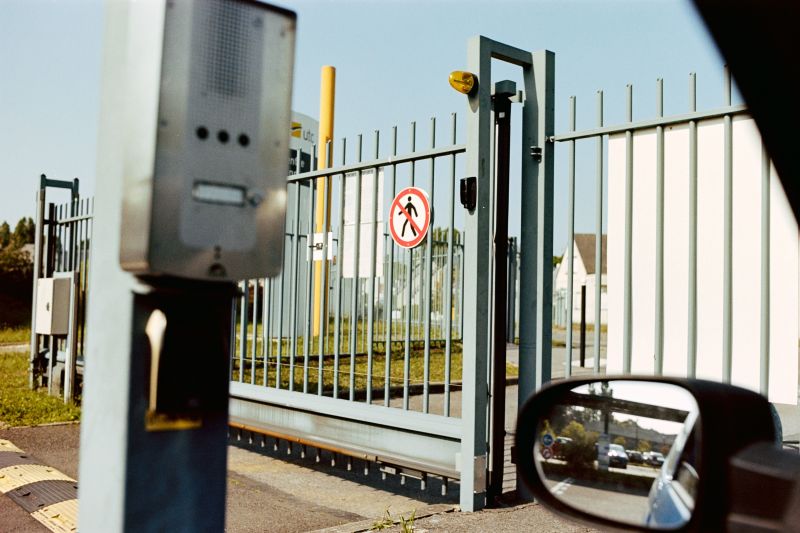
In practice, this means the kerb-lowering element must be carried out by a contractor approved by the county council to work on the highway. Many driveway contractors are not approved for highway works. Some are. It's worth establishing this before choosing a contractor, because having the driveway installed and then waiting months for the kerb to be done by a separate approved contractor is a common and avoidable delay.
The Application Process
Applying to Derbyshire County Council for a dropped kerb involves:
1. Submitting an application for vehicle crossover consent through the county council's website, with details of the property and the proposed access point.
2. The council assesses whether the proposed access point is safe (visibility sightlines, proximity to junctions, street furniture) and whether the construction is suitable.
3. On approval, the council instructs an approved contractor to carry out the highway works, or in some cases the applicant can instruct their own approved contractor.
4. The highway works are inspected and signed off.
Processing times vary but typically run four to twelve weeks from application submission.
Planning Permission for the Driveway Itself
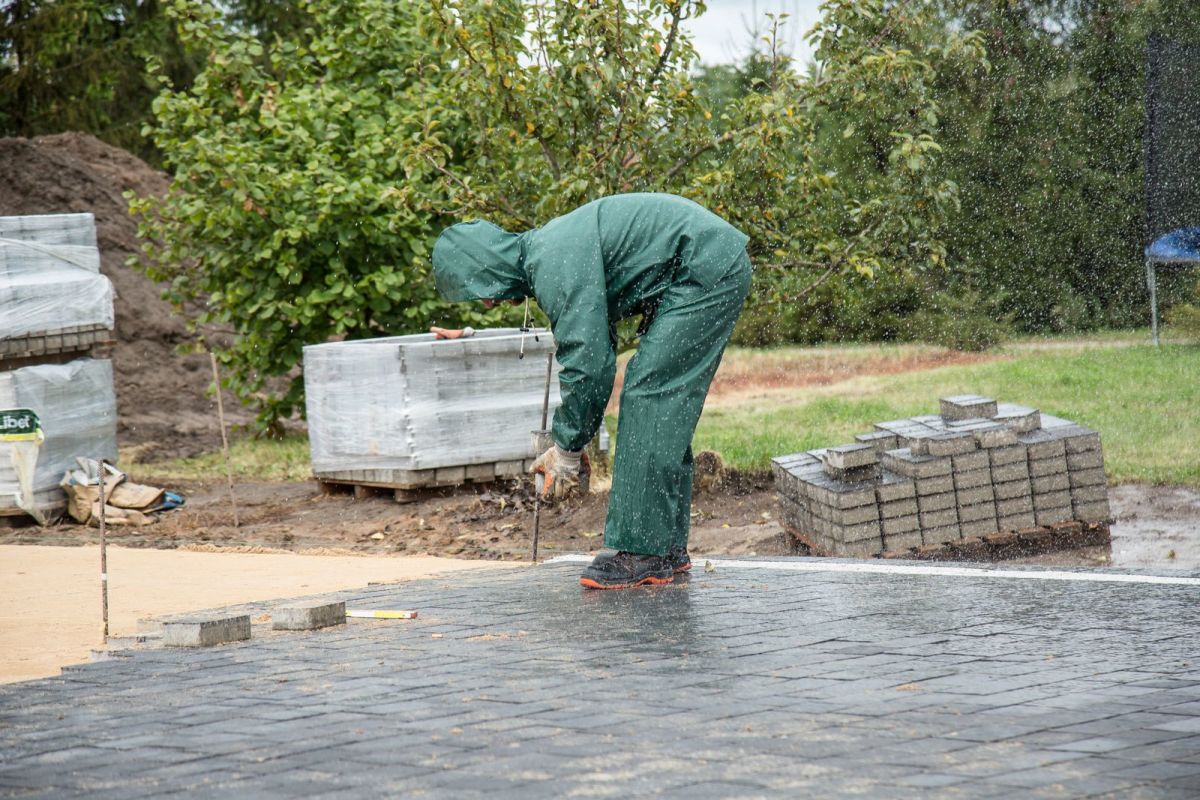
The dropped kerb application is separate from any planning permission required for the driveway on your own land. Tradesmart Driveways & Landscaping installs driveways across Derby and the planning position for front driveways depends on the surface material: permeable surfaces (resin-bound, permeable block paving, gravel) generally don't require planning permission under permitted development rules; impermeable surfaces (standard block paving, concrete, tarmac) may require planning permission if the area exceeds 5 square metres.
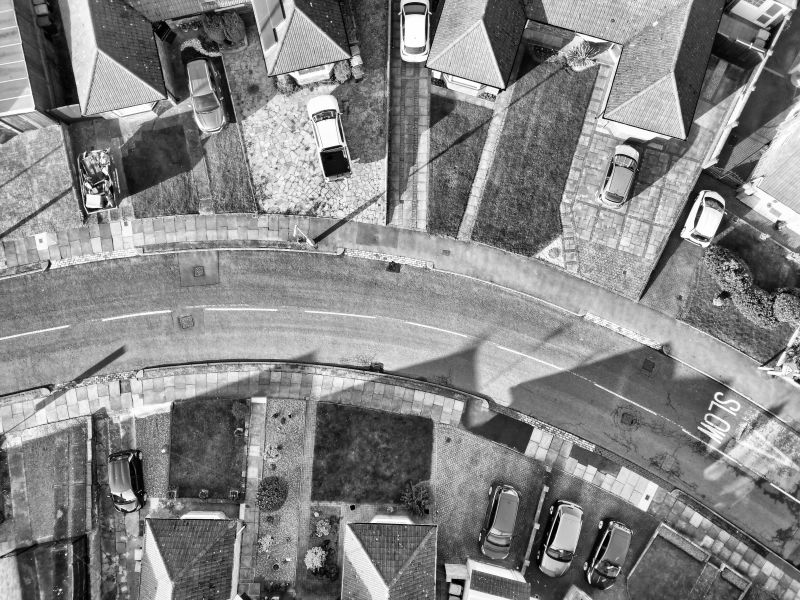
We've covered driveway drainage and planning permission in Derby in detail elsewhere - the surface material decision and the dropped kerb application can run concurrently, which reduces the overall time from start to completion.
What It Costs
Dropped kerb highway works (council-instructed contractor): Typically £700-£1,200 for a standard residential crossover. This is paid to the county council and covers the highway contractor's work and inspection.
Driveway installation on private land: Dependent on size and material - see our other Derby driveway cost guides for detail by surface type.
Combined project: Where the driveway contractor is also approved for highway works, the whole project can be managed as one contract. This is more convenient and often slightly cheaper than coordinating separately.
FAQ
Q: Do I need permission for a dropped kerb in Derby?
Yes - the kerb is part of the public highway and lowering it requires approval from Derbyshire County Council's highways department before any work starts. Installing a dropped kerb without permission is a highways offence and the council can require reinstatement at the property owner's cost.
Q: How long does dropped kerb approval take in Derbyshire?
Typically four to twelve weeks from application submission, depending on the application volume and whether any complications arise with the assessment. It's worth applying before the driveway installation is planned rather than after.
Q: Can my driveway contractor do the dropped kerb in Derby?
Only if they're approved by Derbyshire County Council to carry out works on the public highway. Not all contractors are. Check before instructing - it simplifies the project considerably to use one contractor who covers both the private and highway elements.
Q: What happens if I have a dropped kerb installed without permission in Derby?
Derbyshire County Council can require the kerb to be reinstated to its original height at the property owner's expense. In some cases they issue a fixed penalty notice. It's not worth the risk given the relatively straightforward approval process.
Ready to work with Trade Smart Driveways & Landscaping?
Let's connect! We’re here to help.
Send us a message and we’ll be in touch.
Or give us a call today at 111-222-3333
Agency Contact Form
More Marketing Tips, Tricks & Tools