Gravel Driveways in Derby: Cost, Maintenance, and Whether They're Worth It
Gravel is the entry-level driveway option in Derby - cheaper per square metre than any alternative, quick to install, and available in a wide range of colours and stone types. For the right property, it's a sensible choice. For others, the maintenance headaches and practical limitations make it more trouble than the cost saving justifies. Understanding which applies to your Derby property before choosing is what this is for.
What a Gravel Driveway Involves
Loose gravel is spread over a prepared sub-base to a depth of 30-50mm. The preparation work matters more than people expect: a gravel driveway installed directly onto compacted topsoil will develop hollows, puddles, and soft spots within a couple of years. A proper installation involves excavating to depth, installing a weed membrane, laying a compacted MOT Type 1 sub-base, and then applying the gravel on top.
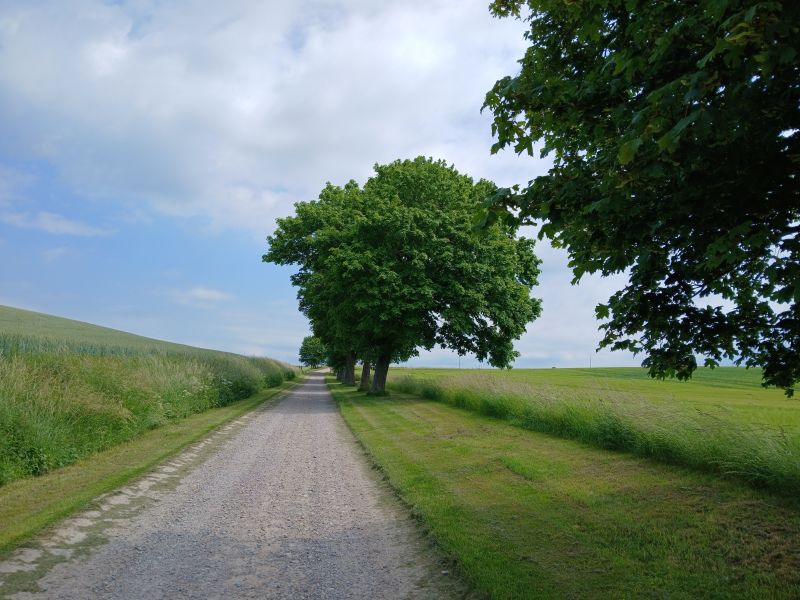
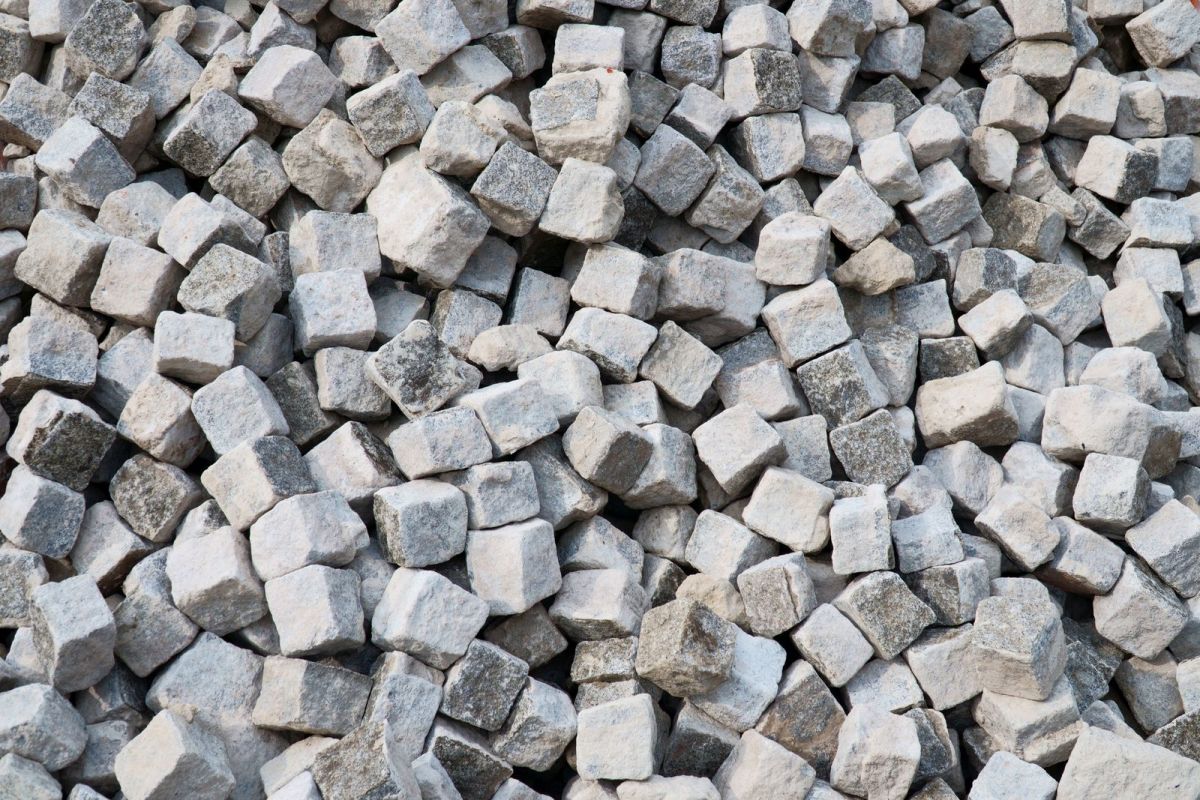
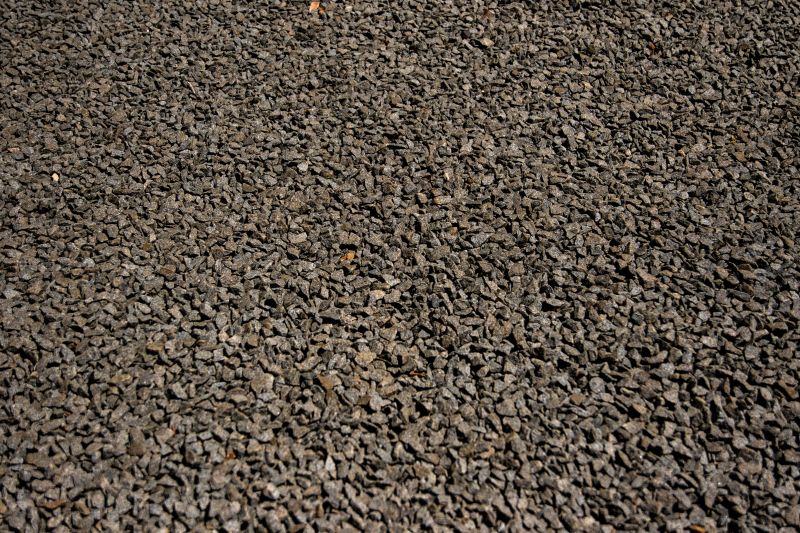
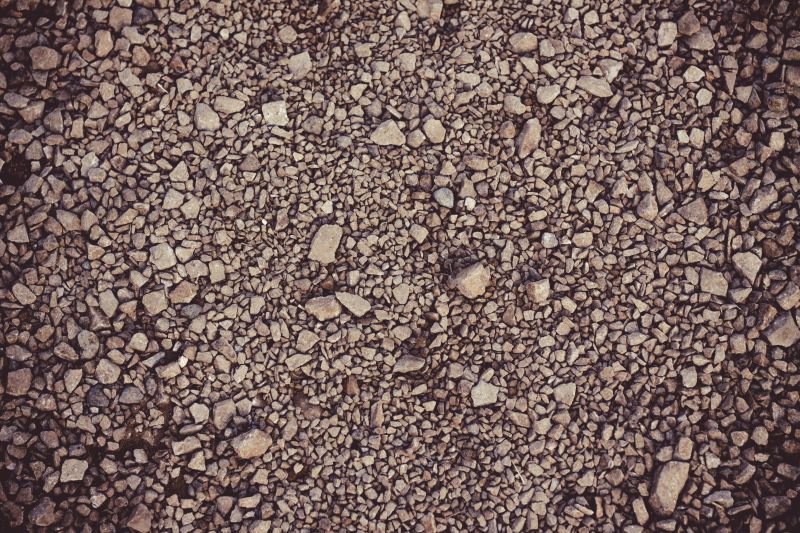
The quality of gravel varies. Angular gravel (crushed stone) locks together better than rounded pea gravel, which disperses under foot traffic and vehicles. For driveways, 20mm angular slate, granite, or limestone chippings are more practical than pea gravel, which tends to travel.
Edging is important. Without containment - steel, timber, or concrete edging at the boundaries - gravel spreads onto the lawn or path within months of installation. Good edgings are what separate a gravel driveway that stays looking reasonable from one that constantly looks unkempt.
What a Gravel Driveway Costs in Derby
Gravel only (supply and spread, typical front drive 30-40m²): £400-£800.
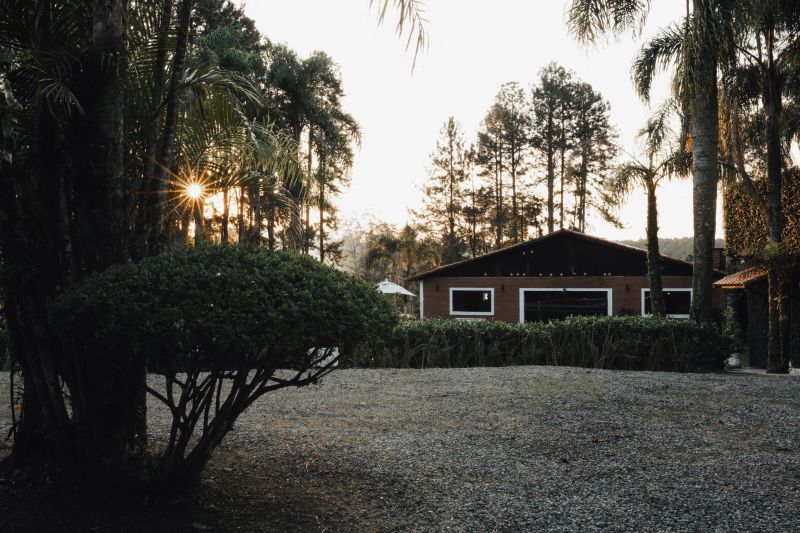
Full installation with sub-base preparation, membrane, and edging: £1,200-£2,500 for a typical Derby semi front drive.
Price per m² (full installation): £30-£60/m².
This makes gravel the cheapest driveway option in Derby by a significant margin. Resin-bound starts at around £70/m², block paving at £70-£120/m², tarmac at £50-£80/m².
Gravel vs Resin in Derby
The cost difference is real but the comparison isn't straightforward:
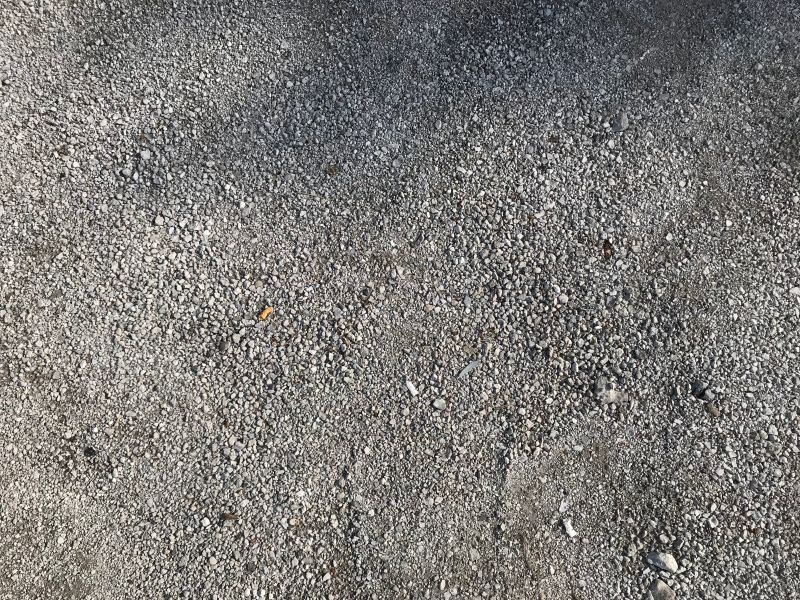
Maintenance. Gravel needs topping up every few years as stone disperses and compacts. It needs occasional raking. Weeds grow through membranes over time and need dealing with. Resin is effectively maintenance-free.
Appearance over time. A well-installed gravel driveway looks good when fresh and gradually becomes less neat as gravel disperses and settles unevenly. Resin maintains its appearance well.
Stone displacement. Gravel gets carried into the house on shoes and onto the road on tyres. This is an unavoidable feature of any loose stone surface.
Drainage. Both resin-bound and gravel are permeable, so both meet SuDS planning requirements for front gardens. Neither requires planning permission for this reason.
For Derby homeowners with tight budgets, gravel is often the right short-term answer. For homeowners who want low maintenance and a neater appearance over a longer period, resin is usually worth the extra cost. Tradesmart Driveways and Landscaping can quote both and lay out the real long-term cost comparison for your specific drive.
We've also covered the resin vs block paving question for Derby homeowners for anyone still deciding on surface type.
When Gravel Makes Sense in Derby
- Budget is the primary constraint and a resin or block-paved drive is a future plan, not a current one
- The driveway is large and the per-m² saving is significant (£40-50/m² on a 60m² drive is a meaningful difference)
- The property is rural or semi-rural where the informal appearance suits the setting
- It's a secondary or rear drive rather than the main front driveway
- The existing sub-base is already sound (reducing the preparation cost gap between gravel and other options)
What to Watch For in Gravel Driveway Quotes
A cheap gravel quote that skips sub-base preparation saves money upfront and costs more to fix within two to three years. Ask specifically whether the quote includes excavation to depth, compacted sub-base, and edge restraints. A quote that's just supply and spread onto whatever's there is a different product.
FAQ
Q: Will gravel travel onto my road in Derby?
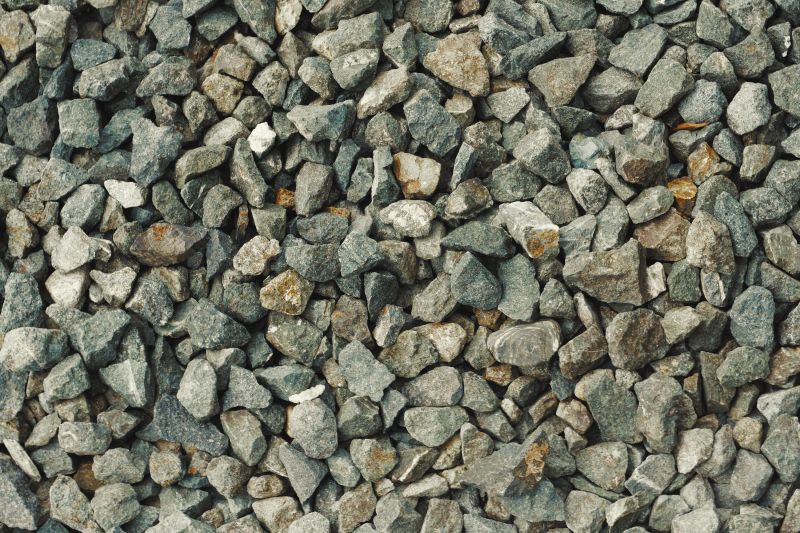
Some gravel displacement onto the road or path is inevitable with any loose surface, particularly near the entrance where tyres turn. Angular stone travels less than rounded pea gravel. Keeping a longer gravel run near the entrance and ensuring edging is solid at the road boundary reduces this.
Q: Do I need planning permission for a gravel driveway in Derby?
Not for a permeable surface over any area - gravel and resin-bound both drain water through the surface and meet permitted development requirements. Impermeable surfaces over 5m² in front gardens do require planning permission.
Q: How often does a gravel driveway need topping up in Derby?
Every three to five years for a regularly used drive. Stone compacts and disperses over time. A top-up of 20-25mm of fresh aggregate restores the appearance without starting from scratch.
Q: What depth of gravel do I need on a Derby driveway?
30-50mm of gravel on top of a proper sub-base. Less than this wears through to the membrane quickly. More than 50mm is unstable to walk on and doesn't add durability.
Q: Can I convert a gravel driveway to resin later?
If the sub-base is sound, yes - the gravel is removed and a tarmac or concrete base layer is applied before the resin surface goes on. The sub-base preparation done for a gravel driveway is the same as needed for a resin one, so the upgrade path is reasonable.
Ready to work with Trade Smart Driveways & Landscaping?
Let's connect! We’re here to help.
Send us a message and we’ll be in touch.
Or give us a call today at 111-222-3333
Agency Contact Form
More Marketing Tips, Tricks & Tools