Concrete Driveway Problems in Derby: Cracks, Sinking and When to Resurface
Concrete driveways in Derby are less common than tarmac or block paving, but a meaningful number of Derby properties - particularly those built in the 1960s and 1970s - still have original concrete that has been in place for fifty years or more. A well-installed concrete driveway can genuinely last that long, but at that age virtually all of them show some degree of cracking, surface degradation, or section movement. Understanding what's causing the specific problem matters before deciding whether to repair a section, resurface the whole thing, or replace it entirely with a different material. Getting this wrong is expensive: a cosmetic repair on a driveway with structural sub-base problems just delays the inevitable by a season or two.
Why Concrete Driveways Crack
Concrete is a strong material in compression but brittle in tension. It cracks when it's subjected to tensile stresses - which happen when the ground beneath it moves, when the slab cycles through temperature changes, or when loading (vehicles) creates bending stresses the slab thickness can't accommodate.
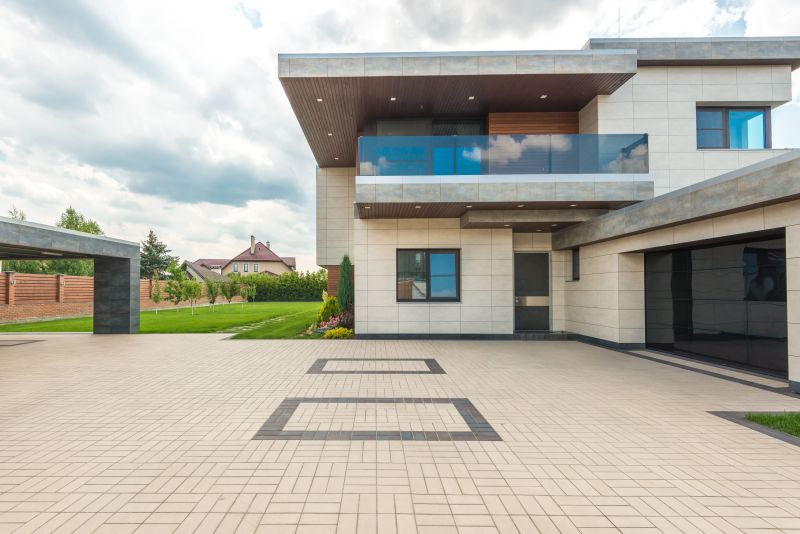
Shrinkage cracks. All concrete shrinks slightly as it cures. Shrinkage cracks are typically thin, relatively uniform, and appear within the first few years. They're not usually a structural problem unless they're wide enough to allow significant water ingress.
Settlement cracks. Where the sub-base beneath a concrete slab has settled unevenly - either from poor compaction at installation or from soil movement beneath it - the slab loses support in sections and cracks under vehicle loading. Derby's clay subsoil is a contributing factor here: clay expands and contracts with moisture changes, and concrete slabs on inadequately prepared bases over clay reflect this movement.
Frost damage. Water gets into fine cracks, freezes, and expands - widening the crack. Over multiple winters, surface spalling (flaking of the concrete surface) develops, particularly if the concrete mix or curing was inadequate at installation.
Tree root damage. Mature trees near concrete driveways in Derby's older residential streets are a consistent source of slab heave - roots growing beneath the slab lift sections as they grow, creating uneven surface levels and cracks at the edges of lifted sections.
What Can Be Repaired
Tradesmart Driveways & Landscaping assesses concrete driveway repair requests across Derby and the distinction that determines whether repair is viable is whether the damage is surface-level or structural.
Surface spalling and fine cracks: Repairable with appropriate concrete repair compounds. The surface needs preparation - loose material removed, cracks cleaned out, and a properly bonded repair applied. Purely cosmetic, doesn't address structural issues if any exist.
Isolated cracked or sunken sections: Where a specific section has settled or cracked independently, that section can be broken out, the sub-base addressed, and a new concrete section poured to match. This works well for isolated failures on an otherwise sound driveway.
Edge damage: Crumbling or cracked edges are commonly repairable with edge repair compounds or by replacing the outer section.
We've covered block paving as an alternative to tarmac and concrete in Derby- and when a concrete driveway reaches the point where multiple sections need replacing, it's worth considering whether a different material entirely would serve better for the next 20-30 years.
When Resurfacing Makes More Sense
If more than 30-40% of the driveway area has problems, or if the underlying sub-base has failed across multiple areas, full resurfacing is more cost-effective than ongoing repairs. The options:
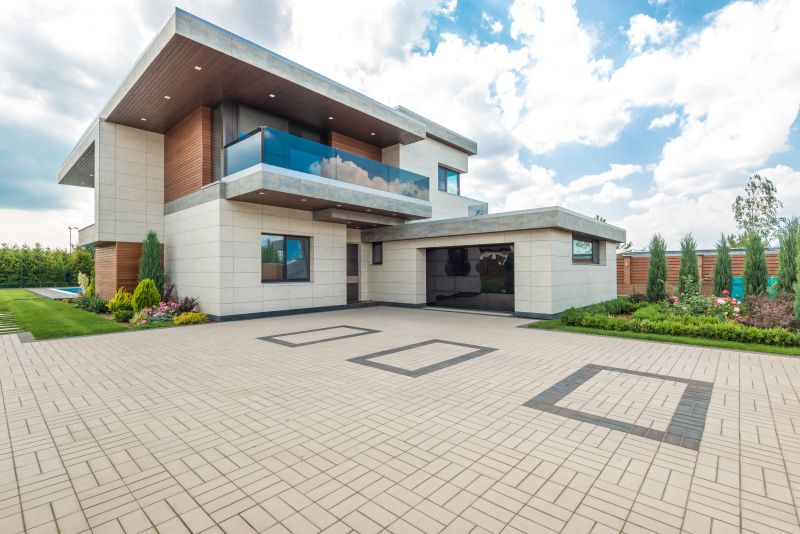
Resurface with concrete: Breaking out and re-pouring the full concrete surface. The advantage is like-for-like replacement with a fresh guaranteed lifespan. The cost is similar to replacing with tarmac or block paving.
Overlay with tarmac or resin: An overlay onto sound existing concrete reduces cost by avoiding excavation. The existing concrete needs to be structurally sound and well-bonded. Any sections that are moving or poorly bonded need to be broken out before overlaying.
Full replacement with alternative surface: Resin, block paving, or tarmac. If the concrete has reached the end of its useful life, switching materials is a natural opportunity. Each has different performance characteristics relevant to Derby's climate and soil conditions.
What Concrete Driveway Repairs and Resurfacing Cost in Derby
- Minor crack and surface repairs (small area): £100-£300 per section
- Section replacement (one or two sections): £300-£600 per section
- Full concrete driveway replacement (standard semi-detached): £4,000-£8,000
- Tarmac overlay on existing sound concrete: £2,500-£5,000
- Resin overlay on existing sound concrete: £3,000-£6,000
FAQ
Q: Why is my Derby concrete driveway cracking?
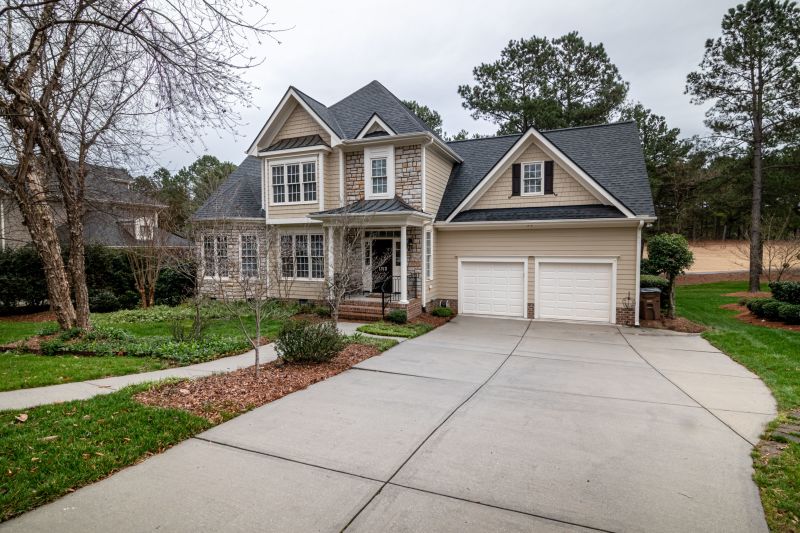
Most concrete driveway cracks in Derby are caused by sub-base settlement (often related to clay subsoil movement), shrinkage cracking from the original curing, frost damage, or tree root heave. The crack pattern and distribution give clues to the cause.
Q: Can cracked concrete driveways be repaired in Derby?
Yes, depending on the extent and nature of the problem. Isolated cracked or sunken sections can be broken out and replaced. Surface spalling and fine cracks can be repaired with appropriate compounds. Widespread cracking across the full driveway indicates a sub-base issue that makes repair less cost-effective than resurfacing.
Q: Is it cheaper to repair or replace a concrete driveway in Derby?
If less than 30% of the driveway has problems, repair is usually more cost-effective. If more than 30-40% of the area needs work, or if the sub-base has failed across multiple areas, full resurfacing or replacement is more cost-effective over a five-to-ten-year horizon.
Q: Can I tarmac or resin over an existing concrete driveway in Derby?
Yes, if the concrete is structurally sound with no loose sections, movement, or significant settlement. Any problem sections need breaking out before overlaying. An overlay avoids the excavation cost but depends entirely on the existing concrete being a sound base.
Q: What causes concrete driveways to sink in Derby?
Sub-base settlement is the most common cause - usually from inadequate compaction at installation, from clay subsoil movement beneath the sub-base, or from water washing fines out of the base material over time. Once a section has settled, the void beneath it means any load causes further cracking.
Q: Should I replace a concrete driveway with something else in Derby?
When concrete reaches the end of its useful life, replacement with block paving, resin, or tarmac is worth considering rather than defaulting to like-for-like. Resin and permeable block paving satisfy SuDS drainage requirements for front driveways, which straightforward concrete replacement doesn't.
Ready to work with Trade Smart Driveways & Landscaping?
Let's connect! We’re here to help.
Send us a message and we’ll be in touch.
Or give us a call today at 111-222-3333
Agency Contact Form
More Marketing Tips, Tricks & Tools