Artificial Grass or Real Lawn for a Derby Front Garden? What to Weigh Up
Front gardens get a different kind of wear to back gardens. They're walked across more, often have bins wheeled over them, and in a lot of Derby properties they sit right alongside the driveway, so whatever surface goes down needs to cope with foot traffic, occasional vehicle overhang, and being on permanent display to the street. That combination is why artificial grass has become such a common choice for front gardens specifically, but it's not automatically the right answer for every property, and a real lawn still makes sense in plenty of cases.
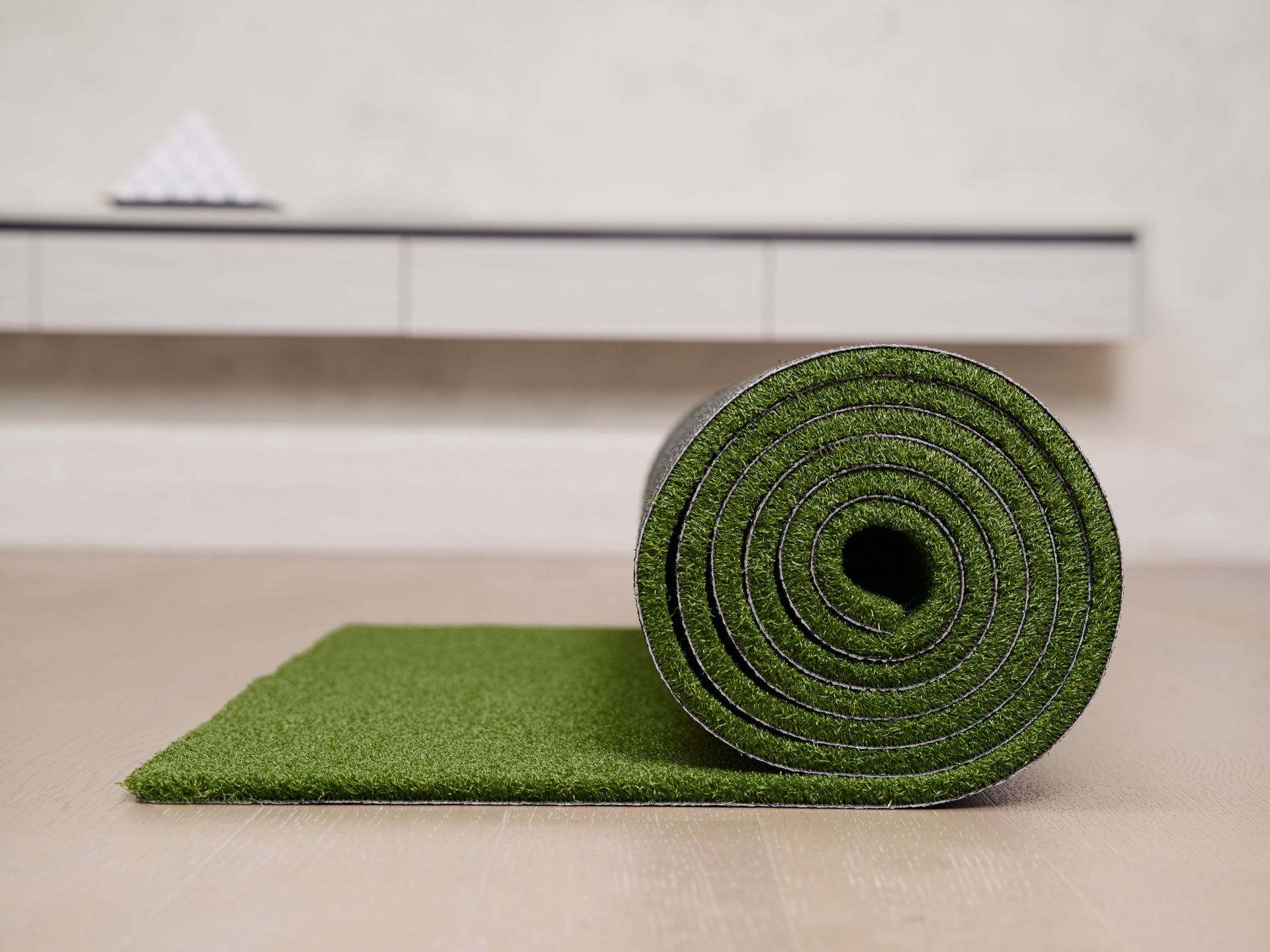
Where Artificial Grass Genuinely Wins
If you're weighing this up alongside other front garden changes, Tradesmart Driveways & Landscaping can usually look at the whole space together, since artificial grass, paving, and driveway edges all need to work as one layout rather than being decided separately.
The honest case for artificial grass in a front garden comes down to a few specific things: it stays green and tidy year-round without watering, mowing, or feeding, it copes well with the kind of light foot traffic a front garden gets (post deliveries, bin days, kids cutting across it), and it doesn't turn to mud during Derby's wetter months, which a real lawn in a shaded or poorly draining front garden often does. For properties where the front garden is small and gets little direct sun, a strip of grass between paving and a wall, real grass often struggles anyway, and artificial grass can look better for longer with effectively no maintenance.
What "No Maintenance" Doesn't Mean
Artificial grass isn't zero maintenance, it's low maintenance, and the difference matters. It needs occasional brushing to keep the fibres standing upright, particularly in areas that get walked on a lot, and a periodic rinse or light clean to deal with dust, pollen, and anything pets leave behind. It also needs a base that drains properly underneath, since artificial grass laid on poor drainage just becomes a green surface sitting on top of standing water, which smells and degrades the grass faster than it should.
Where a Real Lawn Still Makes Sense
A real lawn in a front garden that gets reasonable sun and isn't subject to heavy daily traffic can look genuinely better than artificial grass, and costs considerably less to put down initially. If the appeal of a front garden is partly about it being a living, slightly different space throughout the seasons, longer in summer, bare in winter, that's something artificial grass can't replicate, and some people simply prefer that variation over a surface that looks identical in January and July.
We've covered why driveways in Derby fail early when the groundwork underneath isn't done properly, and the same principle applies to artificial grass. It's not the grass itself that usually causes problems, it's what's underneath it. A real lawn is more forgiving of an imperfect base, since grass can grow through minor unevenness and drainage issues are less visually obvious than they are under a synthetic surface.
The Middle Ground: Partial Coverage
Plenty of front gardens end up as a mix, paving or gravel for the path and bin storage area, with either real or artificial grass for the remaining patch. This is often the most practical approach for smaller front gardens, since it reduces the area that needs grass of either kind and puts the hardest-wearing surface (paving) exactly where the wear happens most, by the gate and bins, while keeping a green element for the rest.
Cost Considerations
Artificial grass costs more upfront than seeding or turfing a real lawn, the materials themselves, plus the groundwork (removing the existing lawn, levelling, adding a sub-base and drainage layer) add to the initial cost. Over a longer period, though, a real lawn that needs regular mowing, feeding, and occasional reseeding has its own ongoing costs, in time if not always in money. Which works out better value depends mostly on how long you're planning to stay in the property and how much the "no maintenance" side of artificial grass is worth to you personally.
FAQ
Q: Is artificial grass really maintenance-free? A: No, it's low maintenance rather than zero maintenance. It needs occasional brushing and cleaning, and the base underneath needs to drain properly or the grass will sit on standing water.
Q: Does artificial grass work in a shaded front garden where real grass struggles? A: Yes, this is one of the situations where artificial grass often performs noticeably better, since shaded, poorly draining areas are exactly where real lawns tend to thin out or turn to mud.
Q: Is artificial grass more expensive than a real lawn? A: Upfront, yes, the materials and groundwork cost more than seeding or turfing. Over time, a real lawn has its own ongoing costs in mowing, feeding, and maintenance, so the better value option depends on how long you'll be in the property.
Q: Can I mix artificial grass with paving in a small front garden? A: Yes, this is a common and practical approach, using paving for high-wear areas like paths and bin storage, with grass (real or artificial) for the remaining space.
Ready to work with Trade Smart Driveways & Landscaping?
Let's connect! We’re here to help.
Send us a message and we’ll be in touch.
Or give us a call today at 111-222-3333
Agency Contact Form
More Marketing Tips, Tricks & Tools