Total Guide to Installing a Resin Bound Driveway
Resin bound driveways have become a popular choice for homeowners due to their modern appearance, durability, and low maintenance requirements. The finished surface is smooth, attractive, and permeable, allowing water to drain through easily. This makes resin suitable not only for driveways but also for patios and garden paths. In the UK, resin bound systems are widely used because they comply with SuDS (Sustainable Drainage Systems) regulations, helping to manage rainwater effectively.
To achieve a long-lasting result, the installation process must be completed carefully and professionally. Understanding the key stages involved can help homeowners plan both their budget and timeline more effectively.
Resin bound surfaces are available in a wide variety of colours and stone blends, allowing homeowners to choose a style that complements their property. One important factor to consider is whether the resin is UV stable, as this helps prevent the surface from discolouring over time.
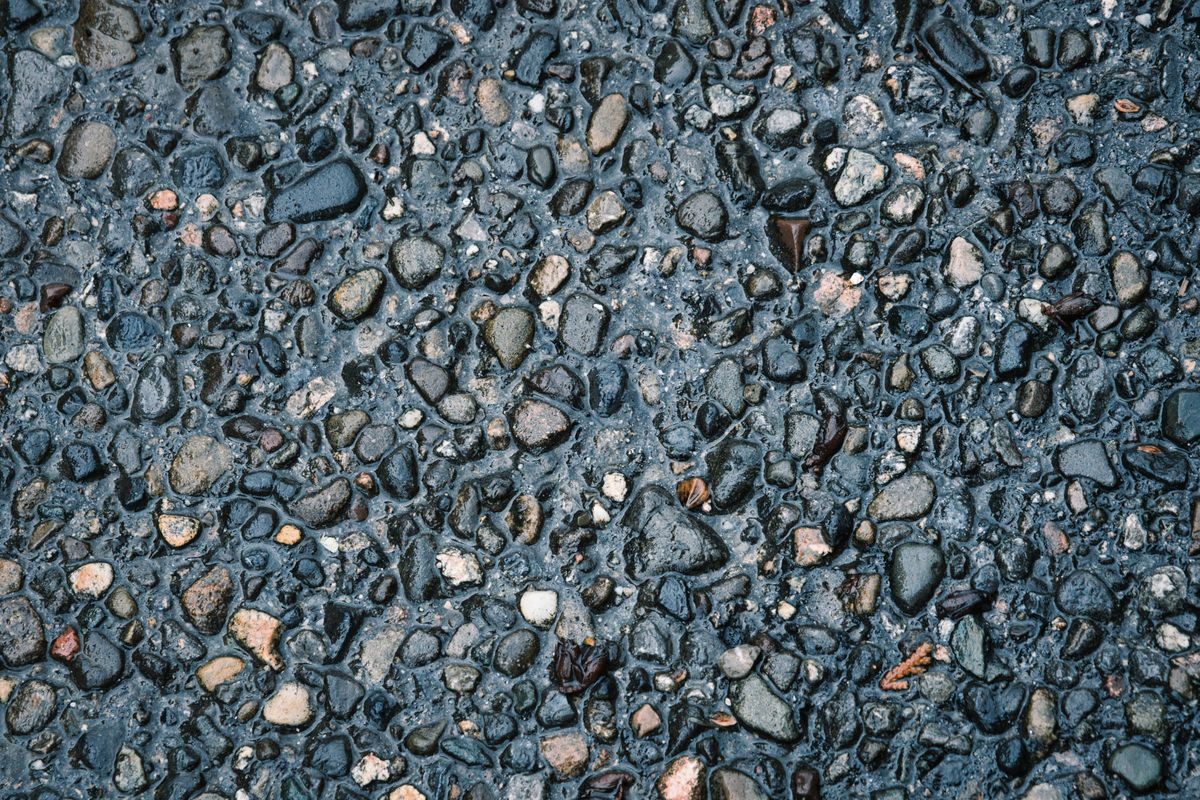
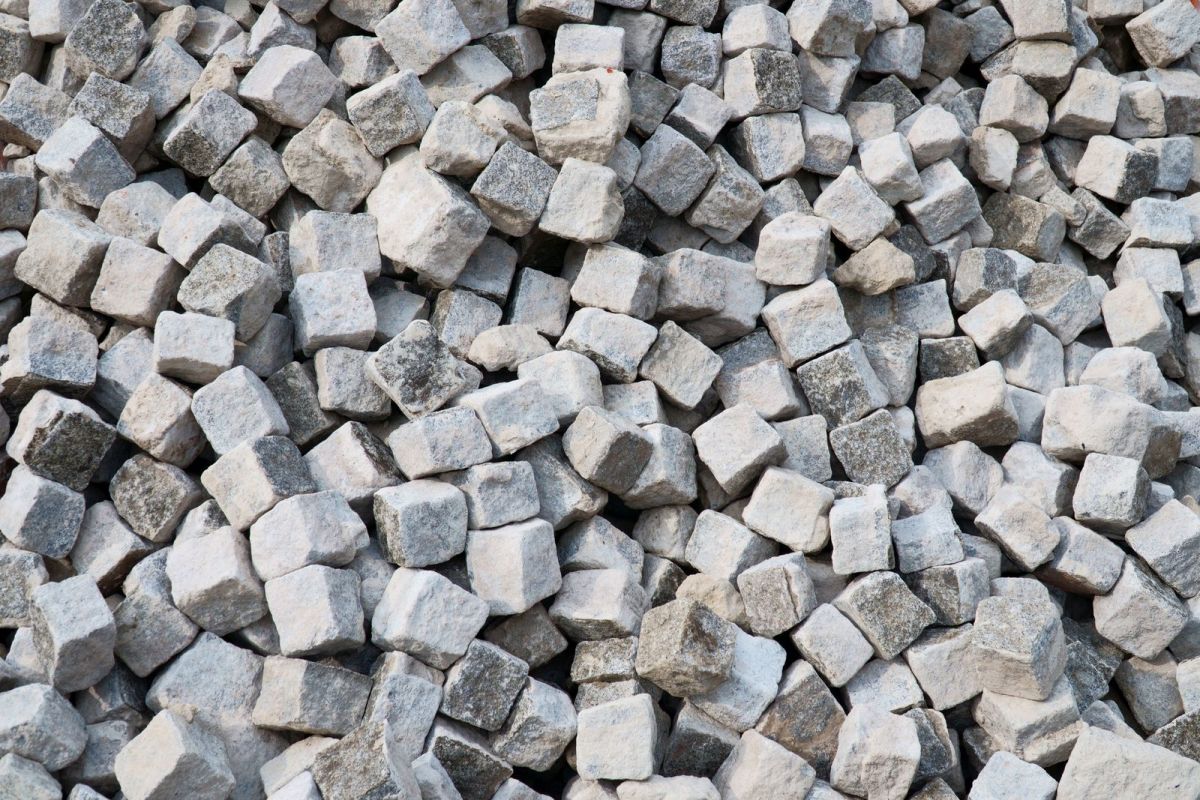
The size and type of aggregate used will influence both the texture and overall appearance of the finished driveway. Some blends offer improved slip resistance, which can be beneficial in areas exposed to rain. Natural stone finishes remain one of the most popular choices due to their attractive and timeless look.
Preparing the Existing Surface
Preparation is a crucial stage in ensuring the driveway remains stable and durable for many years. In many cases, existing concrete or tarmac can provide a suitable base. However, surfaces that are damaged, uneven, or loose may need to be removed before installation begins.
Ground excavation may be necessary to create a solid foundation. A sub-base material such as MOT Type 1 is often used to provide strength and stability. It is essential that the surface is properly levelled before the resin mixture is applied, as uneven preparation can affect the final finish.
Edging and Drainage Considerations
Edging helps contain the resin mixture and provides a neat and defined border around the driveway. Materials commonly used for edging include brick, metal, or natural stone, depending on the desired appearance.
Effective drainage is also essential to prevent water from collecting on the surface. This can often be achieved by creating a slight gradient that allows water to flow away naturally. Because resin bound driveways are permeable, water can pass through the surface, helping to reduce the risk of puddles forming. Correct drainage planning helps protect the structure and prolong the lifespan of the driveway.
Mixing the Resin and Aggregate
The resin and aggregate must be mixed carefully to achieve the correct consistency. The ratio between the materials is important, as it directly affects the strength and durability of the finished surface.
Professional equipment is typically used to ensure an even mixture. Once the resin and stone are combined, the curing process begins, so the mixture must be applied promptly. Timing is an important part of the installation process to ensure a consistent finish.
Laying the Resin Bound Surface
After preparation is complete, the resin mixture is spread evenly across the base. Installers carefully smooth the surface to create a seamless finish without visible joins.
The typical thickness of a resin bound driveway ranges between 15–20mm. Applying the material evenly helps ensure the surface is strong and uniform. Experienced installers will pay close attention to the edges and overall finish to achieve a clean and professional result.
Curing and Drying Time
Once the surface has been laid, it needs time to cure properly. In most cases, the driveway can be walked on within 6–12 hours, while vehicles are usually allowed after 24–48 hours.
Weather conditions can influence how quickly the resin hardens, with colder temperatures sometimes extending curing time. Avoiding heavy use before the surface has fully set is important to ensure long-term durability.
Benefits of Choosing a Resin Bound Driveway
Resin bound driveways offer several practical advantages. They are resistant to weeds, less prone to cracking, and require minimal maintenance compared to other surfaces. The permeable structure helps prevent standing water, reducing the likelihood of puddles forming.
With a wide range of colours and textures available, homeowners can create a design that suits the style of their property. When installed correctly, resin driveways provide a long-lasting and visually appealing solution that enhances the overall appearance of outdoor spaces.
Conclusion
A resin bound driveway can be an excellent long-term investment for improving the look and functionality of your outdoor area. Choosing experienced installers who understand the importance of preparation and drainage is key to achieving a high-quality result.
Taking the time to research companies, compare quotes, and read reviews can help ensure the installation process runs smoothly. When installed properly, a resin bound driveway can provide a durable, attractive surface that performs well for many years.
Ready to work with Trade Smart Driveways & Landscaping?
Let's connect! We’re here to help.
Send us a message and we’ll be in touch.
Or give us a call today at 111-222-3333
Agency Contact Form
More Marketing Tips, Tricks & Tools